

Current Biotechnology ›› 2026, Vol. 16 ›› Issue (2): 215-224.DOI: 10.19586/j.2095-2341.2026.0017
• Reviews • Next Articles
Yuan SU1,2( ), Weiwei JIAO3, Longjiao ZHU1,2, Wentao XU1,2()
Received:2026-01-10
Accepted:2026-01-26
Online:2026-03-25
Published:2026-04-27
Contact:
Wentao XU
CLC Number:
Yuan SU, Weiwei JIAO, Longjiao ZHU, Wentao XU. Rational Design Strategies for Advanced Hydrogel-based Sensing Platforms[J]. Current Biotechnology, 2026, 16(2): 215-224.
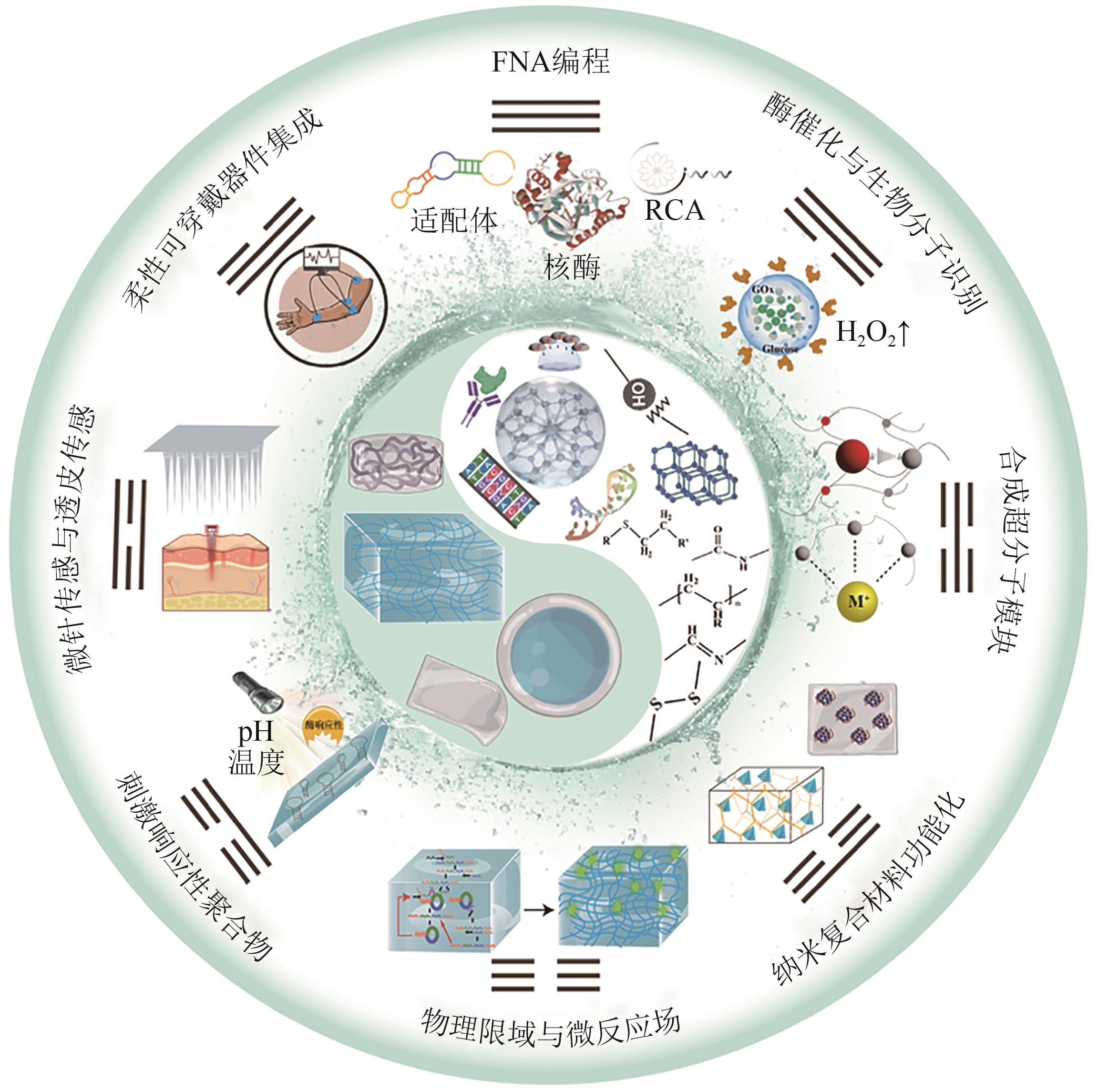
Fig. 1 Schematic diagram of the rational design framework for hydrogel sensing platforms
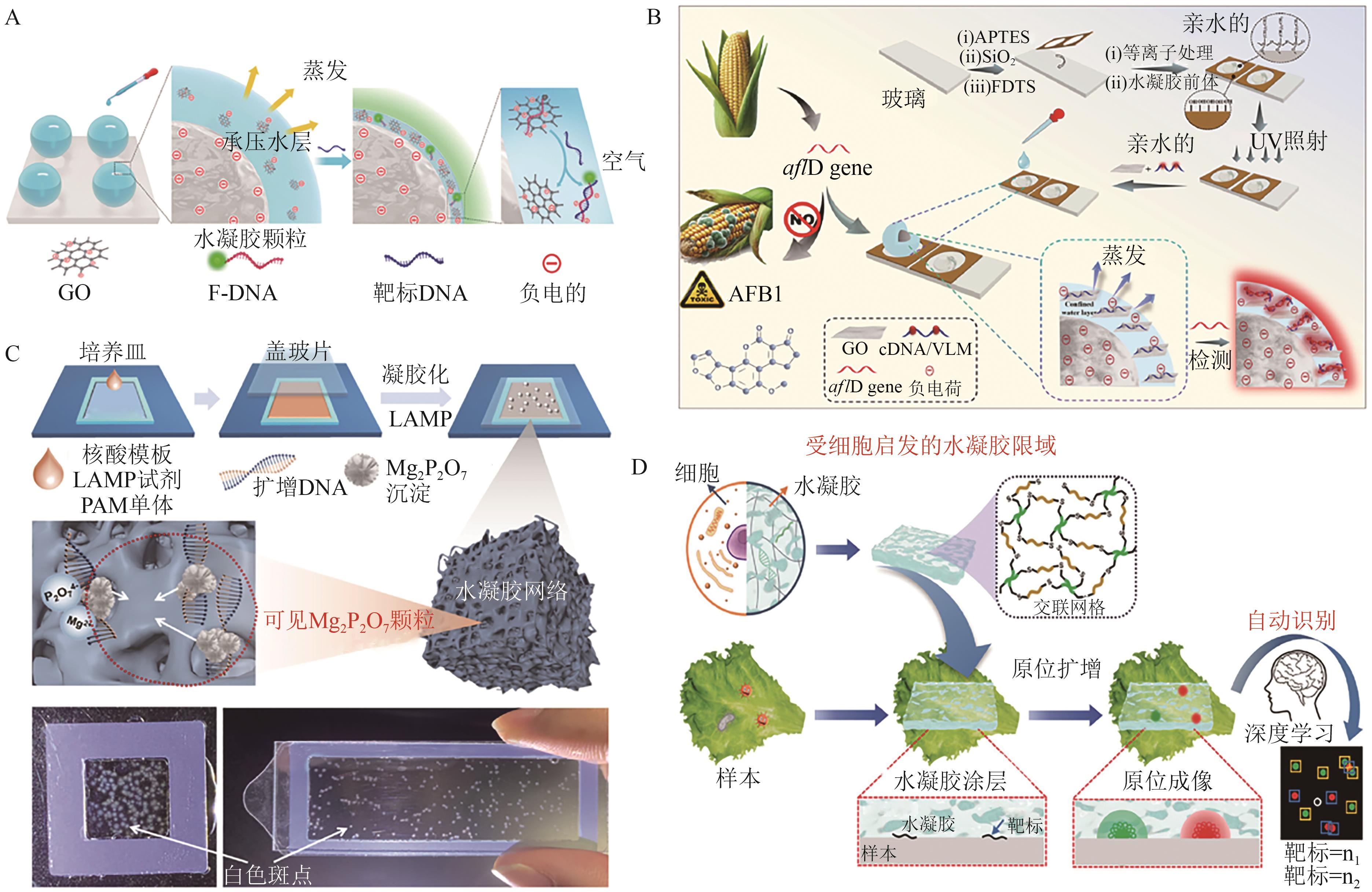
Fig. 2 Hydrogel-based sensing and imaging strategies leveraging physical confinement and microreaction environment designs
| [1] | KIM J, CAMPBELL A S, DE ÁVILA B E, et al.. Wearable biosensors for healthcare monitoring[J]. Nat. Biotechnol., 2019, 37(4): 389-406. |
| [2] | CHANDRA P. Personalized biosensors for point-of-care diagnostics: from bench to bedside applications[J]. Nanotheranostics, 2023, 7(2): 210-215. |
| [3] | CLARK L C J, LYONS C. Electrode systems for continuous monitoring in cardiovascular surgery[J]. Ann. N. Y. Acad. Sci., 1962, 102: 29-45. |
| [4] | RENNEBERG R, PFEIFFER D, LISDAT F, et al.. Frieder scheller and the short history of biosensors[M]// Biosensing for the 21st Century. Berlin, Heidelberg: Springer, 2007: 1-18. |
| [5] | THÉVENOT D R, TOTH K, DURST R A, et al.. Electrochemical biosensors: recommended definitions and classification[J]. Anal. Lett., 2001, 34(5): 635-659. |
| [6] | LIEDBERG B, NYLANDER C, LUNSTRÖM I. Surface plasmon resonance for gas detection and biosensing[J]. Sens. Actuat., 1983, 4: 299-304. |
| [7] | SINGH A K, MITTAL S, DAS M, et al.. Optical biosensors: a decade in review[J]. Alex. Eng. J., 2023, 67: 673-691. |
| [8] | CHENANI H, SAEIDI M, RASTKHIZ M A, et al.. Challenges and advances of hydrogel-based wearable electrochemical biosensors for real-time monitoring of biofluids: from lab to market. a review[J]. Anal. Chem., 2024, 96(20): 8160-8183. |
| [9] | LI P, LEE G H, KIM S Y, et al.. From diagnosis to treatment: recent advances in patient-friendly biosensors and implantable devices[J]. ACS Nano, 2021, 15(2): 1960-2004. |
| [10] | BUWALDA S J, BOERE K W M, DIJKSTRA P J, et al.. Hydrogels in a historical perspective: from simple networks to smart materials[J]. J. Control. Release, 2014, 190: 254-273. |
| [11] | KOPECEK J. Hydrogel biomaterials: a smart future?[J]. Biomaterials, 2007, 28(34): 5185-5192. |
| [12] | SUN X, DING C, QIN M, et al.. Hydrogel-based biosensors for bacterial infections[J/OL]. Small, 2024, 20(11): 2306960[2025-12-01]. . |
| [13] | LIN X, YAN H, ZHAO L, et al.. Hydrogel-integrated sensors for food safety and quality monitoring: fabrication strategies and emerging applications[J]. Crit. Rev. Food Sci. Nutr., 2024, 64(18): 6395-6414. |
| [14] | CHO T, CHANG C C, CHAN H P, et al.. Hydrogels: properties and applications in biomedicine[J/OL]. Molecules, 2022, 27(9): 2902[2025-12-01]. . |
| [15] | HERRMANN A, HAAG R, SCHEDLER U. Hydrogels and their role in biosensing applications[J/OL]. Adv. Healthc. Mater., 2021, 10(11): 2100062[2025-12-01]. . |
| [16] | ZHANG Y, ZHU L, TIAN J, et al.. Smart and functionalized development of nucleic acid-based hydrogels: assembly strategies, recent advances, and challenges[J/OL]. Adv. Sci., 2021, 8(14): 2100216[2025-12-01].. |
| [17] | WANG H, WANG X, LAI K, et al.. Stimulus-responsive DNA hydrogel biosensors for food safety detection[J/OL]. Biosensors, 2023, 13(3): 320[2025-12-01]. . |
| [18] | MORYA V, WALIA S, MANDAL B B, et al.. Functional DNA based hydrogels: development, properties and biological applications[J]. ACS Biomater. Sci. Eng., 2020, 6(11): 6021-6035. |
| [19] | SU Y, ZHU L, WU Y, et al.. Progress and challenges in bacterial whole-cell-components aptamer advanced screening and site identification[J/OL]. Trac. Trends Anal. Chem., 2022, 157: 116731[2025-12-01]. . |
| [20] | ARAN G C, BAYRAÇ C. Simultaneous dual-sensing platform based on aptamer-functionalized DNA hydrogels for visual and fluorescence detection of chloramphenicol and aflatoxin M1[J]. Bioconjug. Chem., 2023, 34(5): 922-933. |
| [21] | PARK C H, THOMPSON I A P, NEWMAN S S, et al.. Real-time spatiotemporal measurement of extracellular signaling molecules using an aptamer switch-conjugated hydrogel matrix[J/OL]. Adv. Mater., 2024, 36(4): 2306704[2025-12-01]. . |
| [22] | ZHAO J, DONG J, XU R, et al.. Novel glove-type flexible aptasensor based on DNA hydrogel for the detection of organophosphorus pesticide residues in vegetables[J/OL]. Sens. Actuat. B Chem., 2026, 447: 138716[2025-12-01]. . |
| [23] | ZHANG M, HAN M, SU R, et al.. Ultra-small manganese dioxide nanozyme-packaged aptameric DNA hydrogel for highly sensitive xanthine detection through smartphone-assisted visualization[J/OL]. Biosens. Bioelectron., 2026, 294: 118212[2025-12-01]. . |
| [24] | ZHANG Y, MENG F, GU Z, et al.. A multiplexed assay by self-assembled dual-target responsive DNA hydrogels for efficacy evaluation of immunotherapy[J/OL]. Nat. Commun., 2025, 16(1):1836[2025-12-01]. . |
| [25] | WANG H, ZHAO Z, XU Y, et al.. Programming molecular switches within capacitive PEDOT: DNA hydrogels for deciphering pathophysiological microenvironment dynamics in diabetic wound[J]. Nano Lett., 2025, 25(51): 17778-17789. |
| [26] | CHU J, CHEN C, LI X, et al.. A responsive pure DNA hydrogel for label-free detection of lead ion[J/OL]. Anal. Chim. Acta, 2021, 1157: 338400[2025-12-01]. . |
| [27] | JIANG C, LI Y, WANG H, et al.. A portable visual capillary sensor based on functional DNA crosslinked hydrogel for point-of-care detection of lead ion[J/OL]. Sens. Actuat. B Chem., 2020, 307: 127625[2025-12-01]. . |
| [28] | MANN H, KHAN S, PRASAD A, et al.. Bacteriophage-activated DNAzyme hydrogels combined with machine learning enable point-of-use colorimetric detection of Escherichia coli [J/OL]. Adv. Mater., 2025, 37(3): 2411173[2025-12-01].. |
| [29] | LIU S, YANG Y, SHI M, et al.. Smartphone-based pure DNAzyme hydrogel platform for visible and portable colorimetric detection of cell-free DNA[J]. ACS Sens., 2022, 7(2): 658-665. |
| [30] | ZHAO X, MENG X, ZENG X, et al.. Homogeneous extraction-free dual-ctDNA detection via DNA nanomaterial fusion for rapid breast cancer diagnosis[J]. ACS Nano, 2025, 19(50): 42066-42078. |
| [31] | WANG W, SUN J, GAO Y, et al.. Ultra-sensitive detection of norovirus using a three-in-one CRISPR platform based on a DNA hydrogel and composite functional nanomaterials[J/OL]. J. Hazard. Mater., 2025, 482: 136523[2025-12-01].. |
| [32] | LI G, PANG W, BIAN Y, et al.. A surface-enhanced Raman scattering and colorimetric dual-mode aptasensor for ultrasensitive detection of kanamycin based on DNA hydrogel network fishing the MIL-101@AuNP nanohybrids[J/OL]. Sens. Actuat. B Chem., 2024, 414: 135937[2025-12-01]. . |
| [33] | SU D, ZHAO X, YAN X, et al.. Background-free sensing platform for on-site detection of carbamate pesticide through upconversion nanoparticles-based hydrogel suit[J/OL]. Biosens. Bioelectron., 2021, 194: 113598[2025-12-01].. |
| [34] | XU J, KHAN H, YANG L. Hydrogel paper-based analytical devices: separation-free in situ assay of small-molecule targets in whole blood[J]. Anal. Chem., 2021, 93(44): 14755-14763. |
| [35] | MARCHIANÒ V, PELLEGRINI C, TRICASE A, et al.. Mussel-bioinspired edible Ca2+-crosslinked alginate hydrogel electrodes for glucose gastrointestinal monitoring[J/OL]. Adv. Sci., 2026, 13(8): e16912[2025-12-01]. . |
| [36] | YANG W, HE H, LU T, et al.. Wet-chemical synthesis of AgCo@CQAS nanozyme: a novel high-activity copper-free laccase mimic for sensitive hydrogel-based pesticide detection[J/OL]. Biosens. Bioelectron., 2026, 295: 116892[2025-12-01].. |
| [37] | LI W, XU M, XIA Z, et al.. Phosphatase-like Ce(4+)@UiO-66-NH(2) nanozyme-based dual-mode hydrogel nanosensor for visual detection of paraoxon[J/OL]. Food Chem., 2026, 500: 147536[2025-12-01]. . |
| [38] | GAO Y, CHEN Y, LI M, et al.. Gelatin-based photonic hydrogels for visual detection of pathogenic Pseudomonas aeruginosa [J/OL]. Sens. Actuat. B Chem., 2021, 329: 129137[2025-12-01]. . |
| [39] | YAN K, WAN Y, XU F, et al.. Ionic crosslinking of alginate/carboxymethyl chitosan fluorescent hydrogel for bacterial detection and sterilization[J/OL]. Carbohydr. Polym., 2023, 302: 120427[2025-12-01].. |
| [40] | LI H, HU Y, LIN Z, et al.. Carbon dots-based stimuli-responsive hydrogel for in-situ detection of thiram on fruits and vegetables[J/OL]. Food Chem., 2024, 460(Pt 1): 140405[2025-12-01]. . |
| [41] | WU S, YANG Y, CHENG Y, et al.. Fluorogenic detection of mercury ion in aqueous environment using hydrogel-based AIE sensing films[J/OL]. Aggregate, 2023, 4(3): e287[2025-12-01]. . |
| [42] | NIAZY B, GHASEMZADEH H, KESHTKAR VANASHI A, et al.. Polyvinyl alcohol/polyacrylamide hydrogel-based sensor for lead (Ⅱ) ion sensing by resonance rayleigh scattering[J/OL]. React. Funct. Polym., 2022, 175: 105266[2025-12-01]. . |
| [43] | YANG X, WANG P, YANG H, et al.. A portable and selective fluorescent probe based on sodium alginate for simultaneous detection and adsorption of Fe(3)[J/OL]. Int. J. Biol. Macromol., 2026, 339(Pt2): 150036[2025-12-01].. |
| [44] | ZHANG D, TIAN X, LI H, et al.. Novel fluorescent hydrogel for the adsorption and detection of Fe (Ⅲ)[J/OL]. Colloids Surf. A Physicochem. Eng. Aspects, 2021, 608: 125563[2025-12-01]. . |
| [45] | GUO H, ZHU C, YUAN Z, et al.. Facile hydrogels of AIEgens applied as reusable sensors for in situ and early warning of metallic corrosion[J]. ACS Appl. Mater. Interfaces, 2023, 15(6): 8530-8536. |
| [46] | SU Y, CHU H, TIAN J, et al.. Insight into the nanomaterials enhancement mechanism of nucleic acid amplification reactions[J/OL]. Trac Trends Anal. Chem., 2021, 137: 116221[2025-12-01]. . |
| [47] | ZHAN Y, ZENG Y, LI L, et al.. Ratiometric fluorescent hydrogel test kit for on-spot visual detection of nitrite[J]. ACS Sens., 2019, 4(5): 1252-1260. |
| [48] | JIA P, HE X, YANG J, et al.. Dual-emission MOF-based ratiometric platform and sensory hydrogel for visible detection of biogenic amines in food spoilage[J/OL]. Sens. Actuat. B Chem., 2023, 374: 132803[2025-12-01]. . |
| [49] | WANG W, CHEN Y, XIAO C, et al.. Flexible SERS wearable sensor based on nanocomposite hydrogel for detection of metabolites and pH in sweat[J/OL]. Chem. Eng. J., 2023, 474: 145953[2025-12-01]. . |
| [50] | WANG Q, SUN D, MA X, et al.. Surface enhanced Raman scattering active substrate based on hydrogel microspheres for pretreatment-free detection of glucose in biological samples[J/OL]. Talanta, 2023, 260: 124657[2025-12-01].. |
| [51] | ZHAO M L, ZENG W J, CHAI Y Q, et al.. An affinity-enhanced DNA intercalator with intense ECL embedded in DNA hydrogel for biosensing applications[J]. Anal. Chem., 2020, 92(16): 11044-11052. |
| [52] | ZHOU J, ZHAO X, HUANG G, et al.. Molecule-specific terahertz biosensors based on an aptamer hydrogel-functionalized metamaterial for sensitive assays in aqueous environments[J]. ACS Sens., 2021, 6(5): 1884-1890. |
| [53] | HE X, SUN N, JIA H, et al.. Antifouling electrochemical biosensor based on conductive hydrogel of DNA scaffold for ultrasensitive detection of ATP[J]. ACS Appl. Mater. Interfaces, 2022, 14(36): 40624-40632. |
| [54] | HU X B, QIN Y, FAN W T, et al.. A three-dimensional electrochemical biosensor integrated with hydrogel enables real-time monitoring of cells under their in vivo-like microenvironment[J]. Anal. Chem., 2021, 93(22): 7917-7924. |
| [55] | LU X, SI Y, ZHANG S, et al.. In situ synthesis of mechanically robust, transparent nanofiber-reinforced hydrogels for highly sensitive multiple sensing[J/OL]. Adv. Funct. Mater., 2021, 31(30): 2103117[2025-12-01]. . |
| [56] | WANG X, XU H, ZHANG C, et al.. A hot-humid tolerant and antibacterial MXene-based hydrogel sensor for real-time cardiorespiratory monitoring in endurance sports[J/OL]. Microsyst. Nanoeng., 2025, 11(1):148[2025-12-01]. . |
| [57] | HU C, LIANG A, DU S M, et al.. Janus metal-AIEgen Framework@Hydrogel patch for ultrasensitive, multivariate responsive, and intelligent point-of-care sensors[J]. Anal. Chem., 2026, 98(1): 860-873. |
| [58] | SHAO J, GU J, MO H, et al.. Apt-nanogel-kit for real-time quantitative monitoring of the released H2O2 from living cells and point-of-care application[J]. Anal. Chem., 2026, 98(1): 1078-1089. |
| [59] | LI S, DAI J, ZHU M, et al.. Implantable hydrogel-protective DNA aptamer-based sensor supports accurate, continuous electrochemical analysis of drugs at multiple sites in living rats[J]. ACS Nano, 2023, 17(18): 18525-18538. |
| [60] | ANSAH I B, KIM S, YANG J Y, et al.. In situ electrodeposition of gold nanostructures in 3D ultra-thin hydrogel skins for direct molecular detection in complex mixtures with high sensitivity[J/OL]. Laser Photonics Rev., 2021, 15(12): 2170060[2025-12-01]. . |
| [61] | XU C Y, MI J, ZHAO J F, et al.. Magnetic hydrogel: enhanced bacterial biosensor for speedy gut disease detection[J]. ACS Sens., 2025, 10(11): 8424-8434. |
| [62] | LIU F, YANG Y, WAN X, et al.. Space-confinment-enhanced fluorescence detection of DNA on hydrogel particles array[J]. ACS Nano, 2022, 16(4): 6266-6273. |
| [63] | ETTAYRI K, ZHANG H, TIAN W, et al.. Space-confined hydrogel particle-based biosensor for early warning of aflatoxin B1 via rapid label-free fluorescence detection of the aflD gene[J]. Anal. Chem., 2025, 97(47): 26024-26033. |
| [64] | YI C, LUO Z, LU Y, et al.. Nanoporous hydrogel for direct digital nucleic acid amplification in untreated complex matrices for single bacteria counting[J/OL]. Biosens. Bioelectron., 2021, 184: 113199[2025-12-01]. . |
| [65] | YANG T, LI D, LUO Z, et al.. Space-confined amplification for in situ imaging of single nucleic acid and single pathogen on biological samples[J/OL]. Adv. Sci., 2024, 11(44): 2407055[2025-12-01]. . |
| [66] | YANG T, LI D, YAN Y, et al.. Ultrafast and absolute quantification of SARS-CoV-2 on food using hydrogel RT-LAMP without pre-lysis[J/OL]. J. Hazard. Mater., 2023, 442: 130050[2025-12-01]. . |
| [67] | YANG T, LUO Z, WANG Y, et al.. Hydrogel digital LAMP with suppressed nonspecific amplification for rapid diagnostics of fungal disease in fresh fruits[J]. J. Agric. Food Chem., 2023, 71(47): 18636-18644. |
| [68] | FANG M, WANG Y, YANG T, et al.. Nucleic acid plate culture: label-free and naked-eye-based digital loop-mediated isothermal amplification in hydrogel with machine learning[J]. ACS Sens., 2024, 9(4): 2010-2019. |
| [69] | CHEN F, XUE J, BAI M, et al.. Lighting up nucleic acid modifications in single cells with DNA-encoded amplification[J]. Acc. Chem. Res., 2022, 55(16): 2248-2259. |
| [70] | SCARPA E, MASTRONARDI V M, GUIDO F, et al.. Wearable piezoelectric mass sensor based on pH sensitive hydrogels for sweat pH monitoring[J/OL]. Sci. Rep., 2020, 10(1):11266[2025-12-01]. . |
| [71] | ALASALVAR H, KARABULUT G, GOKSEN G. Natural deep eutectic solvent-based pectin-chitosan composite hydrogel films: a novel pH-responsive color indicator for food packaging systems[J/OL]. Curr. Res. Food Sci., 2025, 11: 101241[2025-12-01]. . |
| [72] | ZHAO F, MA G, ZHANG Y, et al.. A universal protein immobilization method to construct responsive photonic hydrogels with enhanced sensing performance[J/OL]. J. Colloid Interface Sci., 2026, 706: 139747[2025-12-01].. |
| [73] | KEYVANI F, ZHENG H, KAYSIR M R, et al.. A hydrogel microneedle assay combined with nucleic acid probes for on-site detection of small molecules and proteins[J/OL]. Angew. Chem. Int. Ed., 2023, 62(21): e202301624[2025-12-01].. |
| [74] | ZHENG H, GHAVAMINEJAD A, GHAVAMINEJAD P, et al.. Hydrogel microneedle-assisted assay integrating aptamer probes and fluorescence detection for reagentless biomarker quantification[J]. ACS Sens., 2022, 7(8): 2387-2399. |
| [75] | SHARIFUZZAMAN M, HASABNIS G, AABU SALEH S, et al.. Hydrogel microneedle array-based transdermal dressing system for multiplexed assessment and intelligent therapy of chronic wounds[J/OL]. Small, 2026, 22(10): e11542[2025-12-01].. |
| [76] | ARWANI R T, TAN S C L, SUNDARAPANDI A, et al.. Stretchable ionic-electronic bilayer hydrogel electronics enable in situ detection of solid-state epidermal biomarkers[J]. Nat. Mater., 2024, 23(8): 1115-1122. |
| [77] | GAO X, YAN C, WANG Y, et al.. Multi-functional zwitterionic glycerylphosphorylcholine hydrogel for human motion detection and human-machine interaction[J/OL]. J. Colloid Interface Sci., 2026, 706: 139588[2025-12-01].. |
| [1] | Qingchun YUE, Siyuan MENG, Guohua LIU. Research Advances in Transgenic Detection Technologies and Screening Strategies for Major Crop Seeds [J]. Current Biotechnology, 2026, 16(1): 1-9. |
| [2] | Lina SU, Fengxin LI, Jie WU, Xiandong ZENG, Jian ZHENG. Fluorescence PCR Detection Method for Shiitake-derived Components in Food [J]. Current Biotechnology, 2026, 16(1): 149-156. |
| [3] | Shuo CAO, Zhengkun ZHANG, Chenchen LI. Advances in Point-of-care Testing Technologies for Pathogen Detection [J]. Current Biotechnology, 2026, 16(1): 53-60. |
| [4] | Xiaochun REN, Xin LIU, Ying HAN, Kai DUAN, Feng LIU, Ruili HAO, Huan SI, Yingqun HUANG, Jianjun XIA. Effects of Nitrogen Application on Yield-quality Formation and Aroma Compounds Accumulation in Flue-cured Tobacco ‘Yunyan 87’ [J]. Current Biotechnology, 2026, 16(1): 76-85. |
| [5] | Jin TIAN, Fangrui GAO, Ling LI, Ziyan CHEN, Yifan CHEN, Hua ZHANG, Hong CHEN, Haoqian WANG, Jingang LIANG. Establishment of Specific Qualitative PCR Detection Method of Transgenic Maize Bt11 [J]. Current Biotechnology, 2025, 15(6): 1031-1039. |
| [6] | Rourou LI, Pu ZHAO, Yani ZHENG, Jingyu YANG, Chunhong MA, Xing WANG, Shuo ZHOU. Progress and Future Perspectives in Zeaxanthin Research [J]. Current Biotechnology, 2025, 15(5): 755-763. |
| [7] | Qian YANG, Zhiling SONG. Research Advances on Oncolytic Viruses for Biosensors [J]. Current Biotechnology, 2025, 15(5): 798-803. |
| [8] | Yue SHI, Yao HAN, Hao LI, Yansong SUN. Application Progress of Biosensors Based on Field-effect Transistors in Nucleic Acid Detection [J]. Current Biotechnology, 2025, 15(4): 597-605. |
| [9] | Yanyan JIA, Luyang DUANMU. Study on the Mechanism of Bubble Generation and Inhibition Method During Digital PCR Amplification Process [J]. Current Biotechnology, 2025, 15(4): 693-701. |
| [10] | Yueqiu ZHANG, Fangqi FU, Tongtong ZHAO, Ziyan CHEN, Xinyao PEI, Fangrui GAO, Jiake LI, Hui LI, Xiaodan JIANG, Haoqian WANG, Hong CHEN. Development of PCR Qualitative Method for Genetically Modified Herbicide-tolerant Soyabean LP012-1 [J]. Current Biotechnology, 2025, 15(3): 466-475. |
| [11] | Zhi WANG, Guang HU, Wei FU, Xuanzi PENG, Yongjiang ZHANG, Junfeng ZHAI. Bibliometric Analysis of Nucleotide-based Detection Methods for Genetically Modified Plants and Derived Products [J]. Current Biotechnology, 2025, 15(3): 476-485. |
| [12] | Zile WANG, Dongdong CHEN, Tao PENG. Bibliometric Analysis of Mycotoxin Detection Technology Based on Web of Science Database: Visualization and Quantification [J]. Current Biotechnology, 2025, 15(2): 314-324. |
| [13] | Xin QI, Xinran LI, Yaning GUO, Dan WANG, Kai LI, Qiong WU, Liang LI. Comparison of Endogenous Genes in Maize Based on Digital PCR [J]. Current Biotechnology, 2025, 15(1): 78-85. |
| [14] | Jing WANG, Haitao GUAN, Xiaolei ZHANG, Baohuai WANG, Baohai LIU, Hongtao WEN. Detection Dynamic and Development Tendency of Agricultural Gene Editing Products [J]. Current Biotechnology, 2024, 14(5): 712-723. |
| [15] | Lai WEI, Fang WANG, Jiahui TAN, Xiyi CHEN, Ziyan ZHANG, Fucai ZHANG, Yufang ZHANG, Jie SUN. Origins, Detection and Removal Technology of Off-flavor Compounds in Aquatic Products [J]. Current Biotechnology, 2024, 14(5): 745-760. |
| Viewed | ||||||
|
Full text |
|
|||||
|
Abstract |
|
|||||
