

Current Biotechnology ›› 2026, Vol. 16 ›› Issue (4): 952-959.DOI: 10.19586/j.2095-2341.2026.0048
• Articles • Previous Articles Next Articles
Axiu MAO1,2( ), Yeran SHANG1,2, Xiaodong SHANG2, Guirong TANG2(), Zhonglin ZHANG1()
Received:2026-03-02
Accepted:2026-03-31
Online:2026-07-25
Published:2026-09-11
Contact:
Guirong TANG,Zhonglin ZHANG
CLC Number:
Axiu MAO, Yeran SHANG, Xiaodong SHANG, Guirong TANG, Zhonglin ZHANG. Application of bar Gene Screening Markers in Genetic Transformation of Flammulina filiformis[J]. Current Biotechnology, 2026, 16(4): 952-959.
Table 1 Primer names and sequences
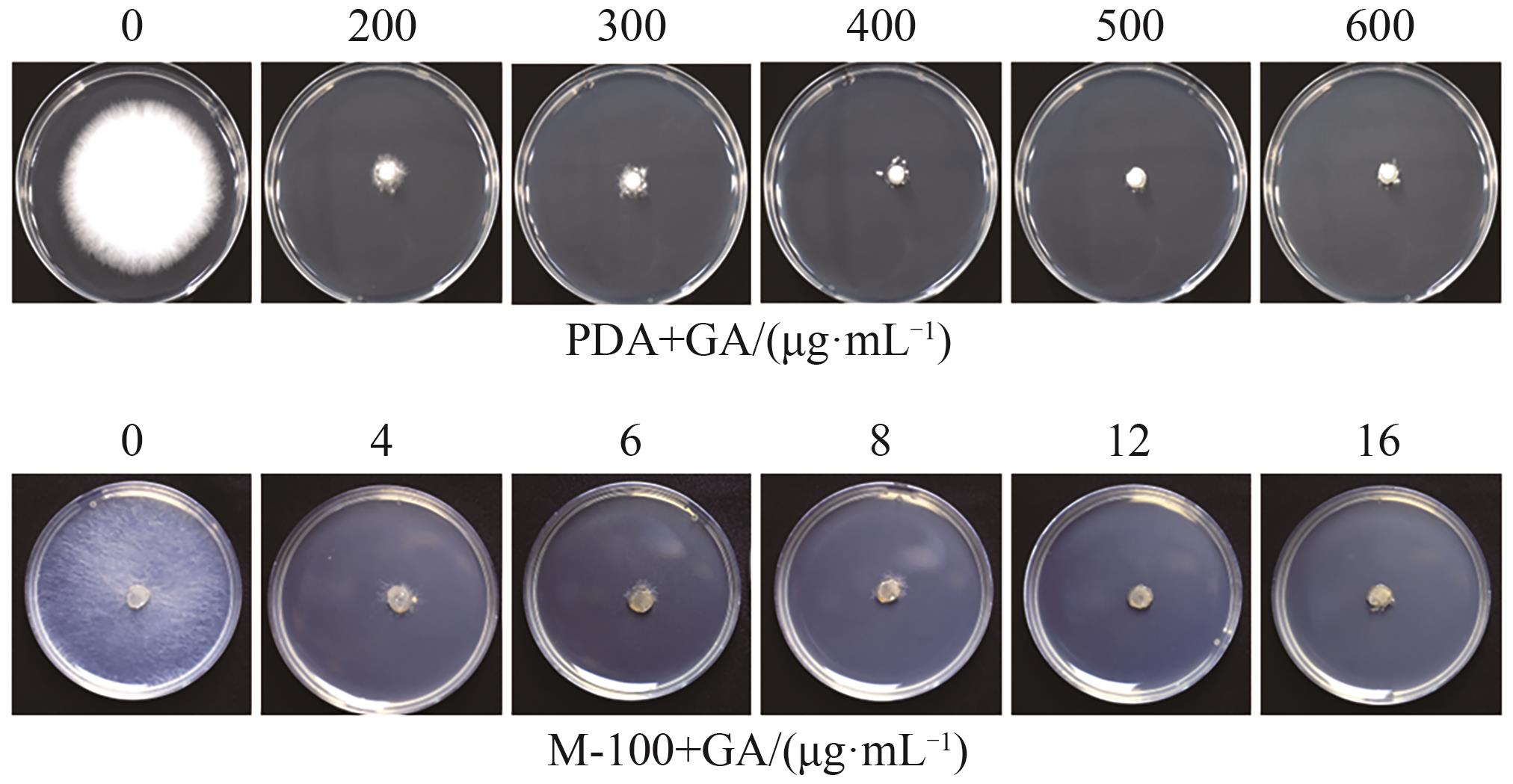
Fig. 1 Sensitivity analysis of Dan3 strain to GA in different culture medium concentrations
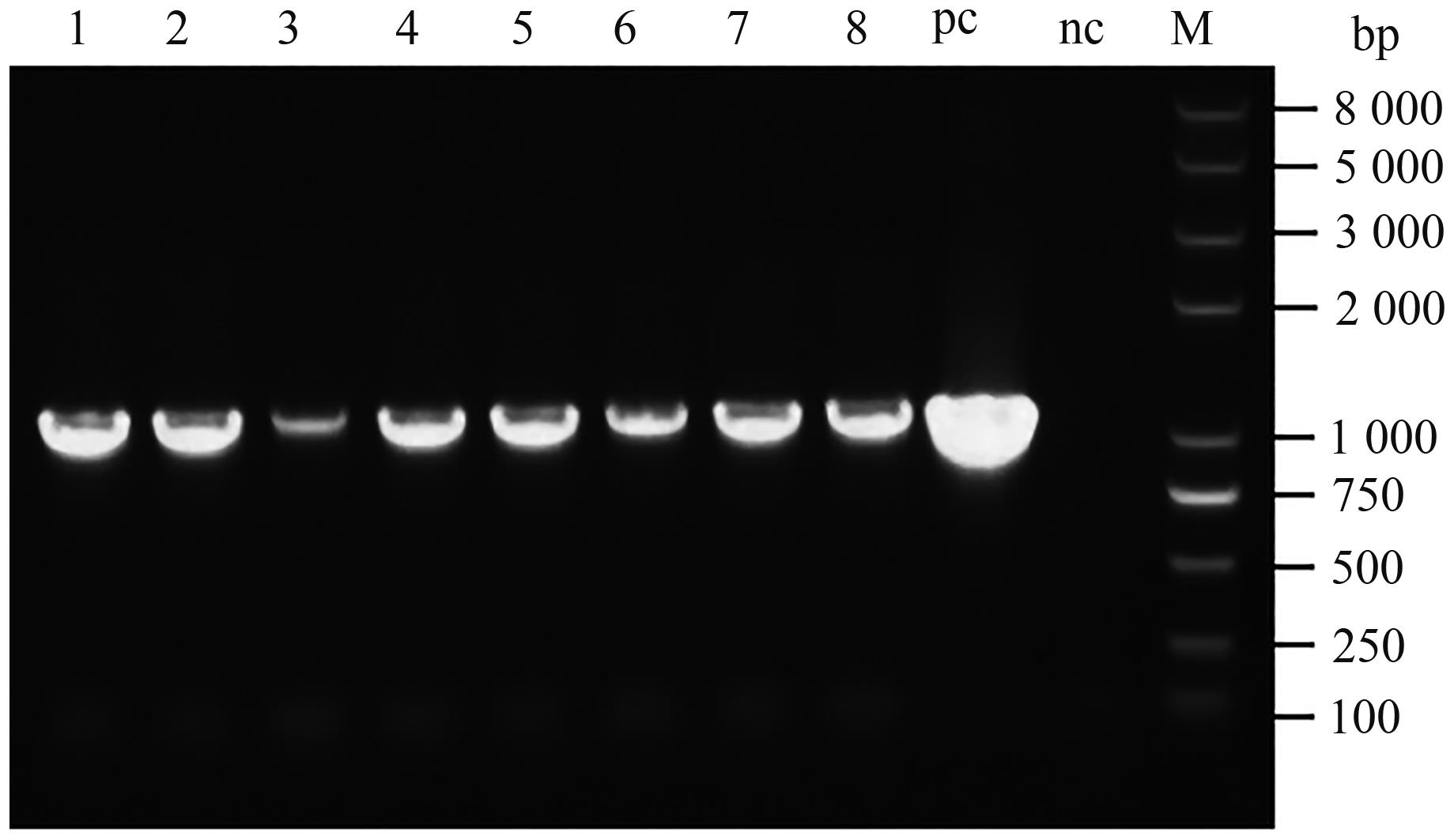
Fig. 2 PCR identification of Agrobacteriumtumefaciens strains containing the pAgbar plasmid
Table 2 Screening of GA resistant transformants in F. filiformis
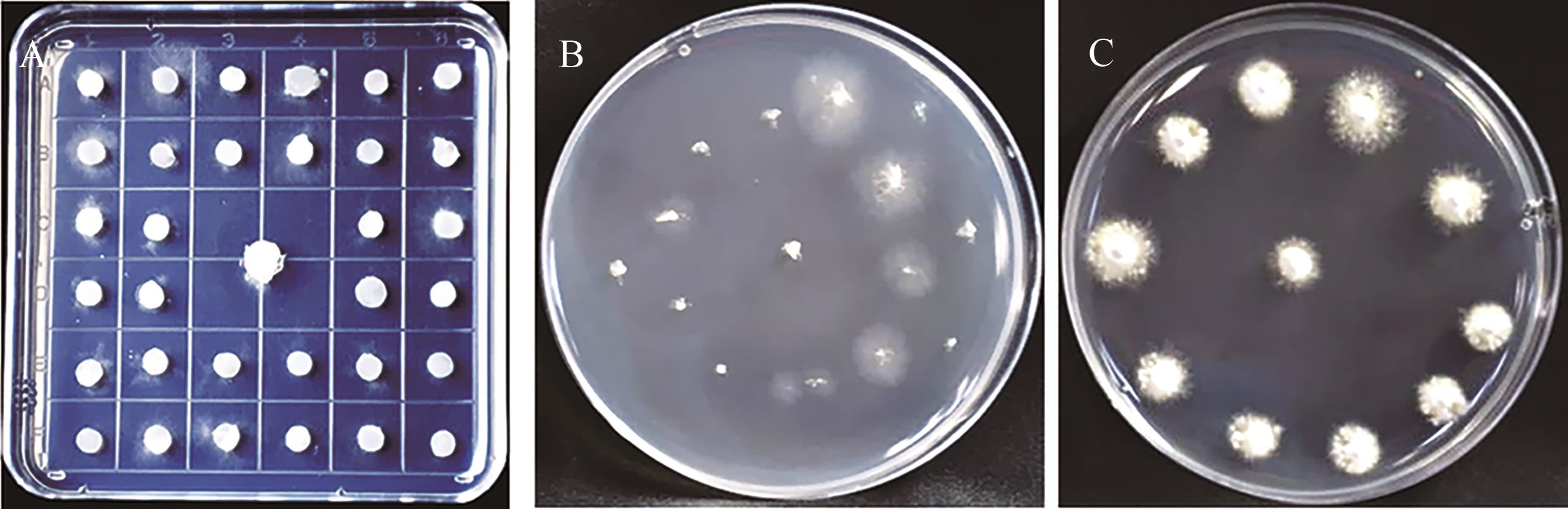
Fig. 3 Screening of GA-resistant transformants of F. filiformis
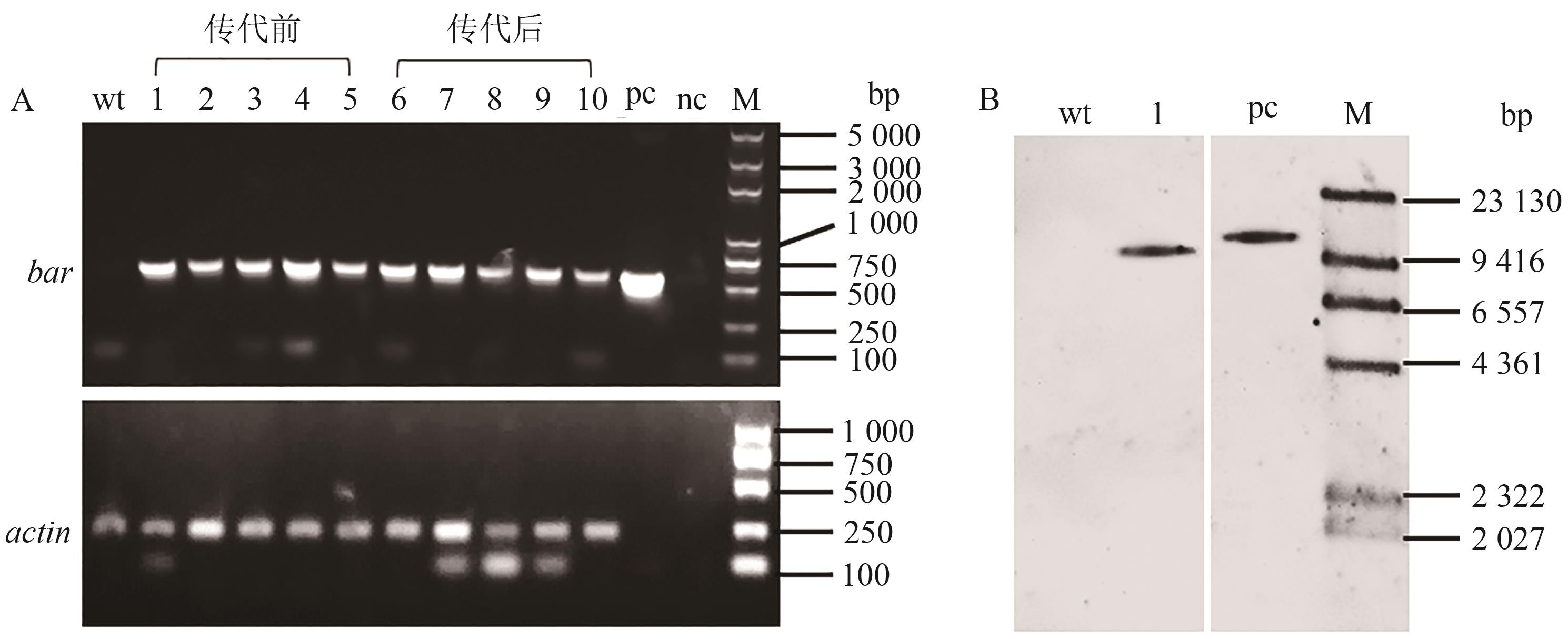
Fig. 4 PCR and Southern blot hybridization analysis of GA-resistant transformants in F. filiformis
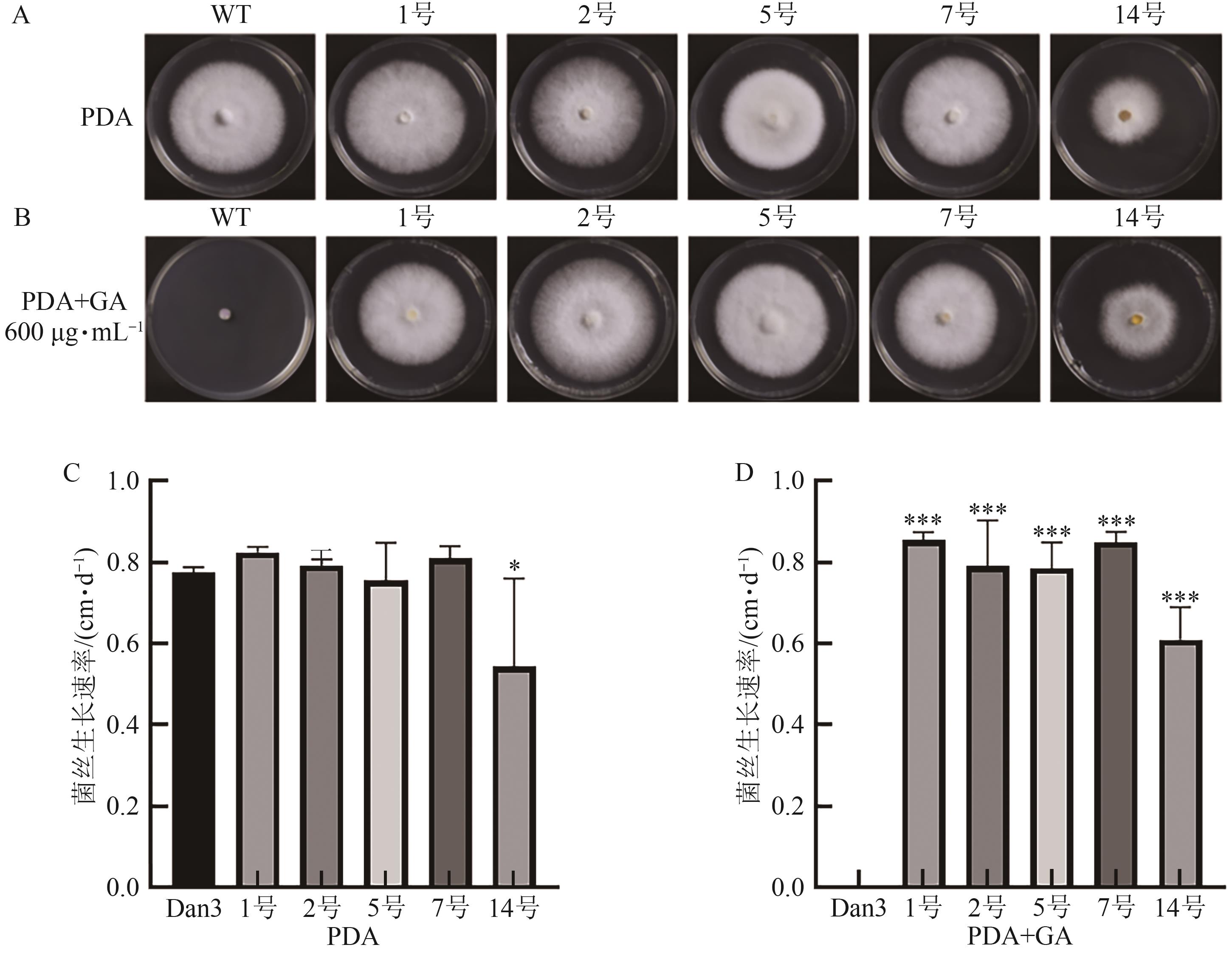
Fig. 5 Colony morphology and growth rate of GA-resistant strains
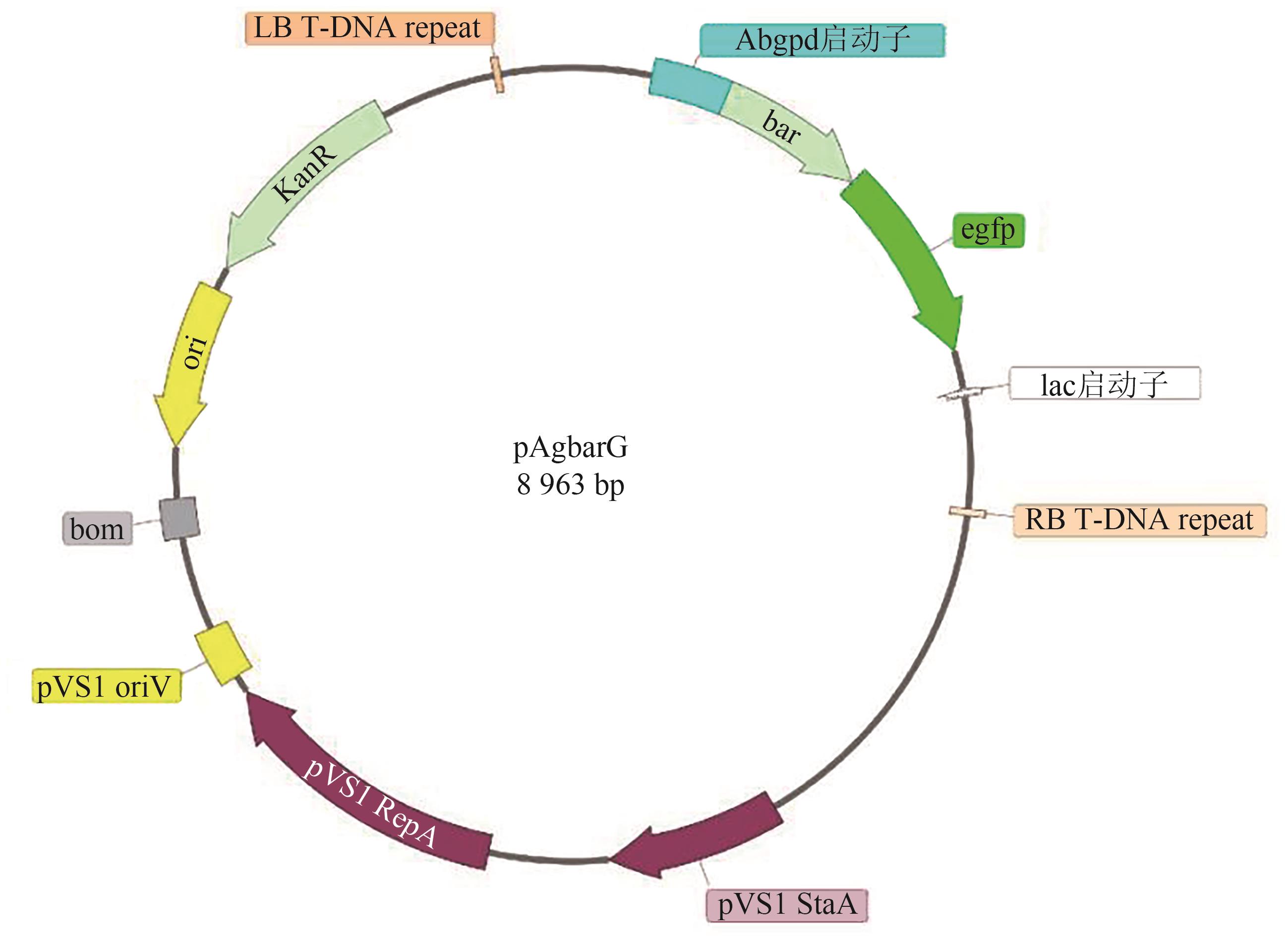
Fig. 6 Construction of pAgbarG plasmid
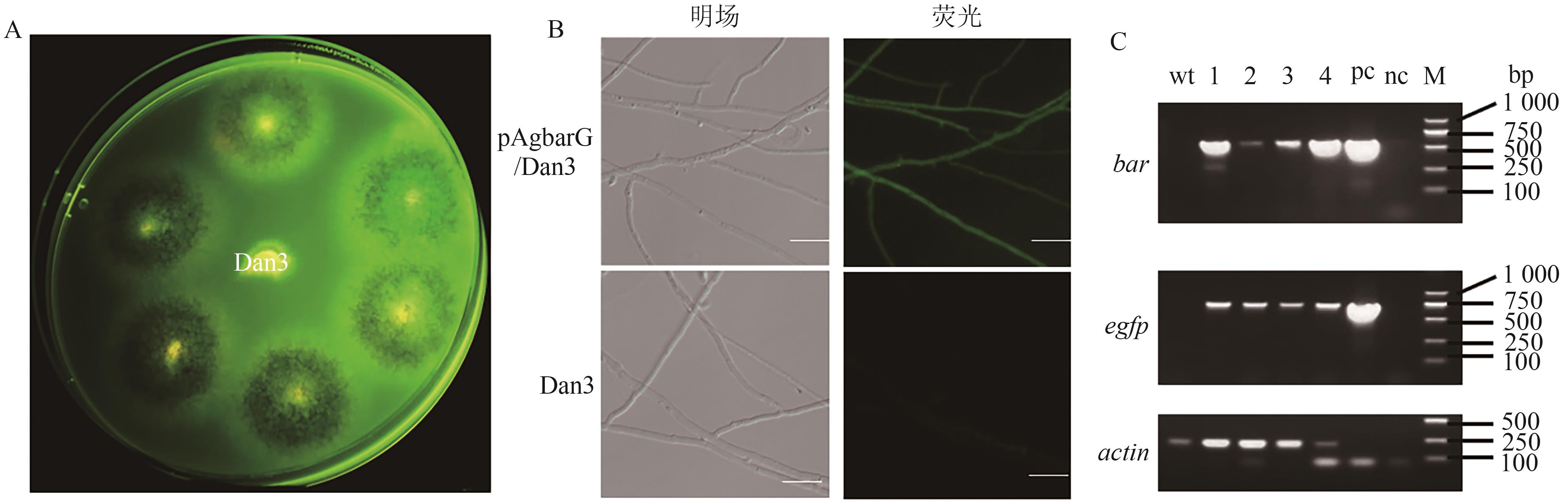
Fig. 7 Microscopic observation of GA-resistant transformants expressing egfp
| [1] | REIS F S, BARROS L, MARTINS A, et al.. Chemical composition and nutritional value of the most widely appreciated cultivated mushrooms: an inter-species comparative study[J]. Food Chem. Toxicol., 2012, 50(2): 191-197. |
| [2] | PEREIRA E, BARROS L, MARTINS A, et al.. Towards chemical and nutritional inventory of Portuguese wild edible mushrooms in different habitats[J]. Food Chem., 2012, 130(2): 394-403. |
| [3] | WANG Y, ZHANG H. Advances in the extraction, purification, structural-property relationships and bioactive molecular mechanism of Flammulina velutipes polysaccharides: a review[J]. Int. J. Biol. Macromol., 2021, 167: 528-538. |
| [4] | FUKUSHIMA-SAKUNO E. Bioactive small secondary metabolites from the mushrooms Lentinula edodes and Flammulina velutipes [J]. J. Antibiot., 2020, 73(10): 687-696. |
| [5] | MA C, NI L, SUN M, et al.. Enhancing the hypolipidemic and functional properties of Flammulina velutipes root dietary fiber via steam explosion[J/OL]. Foods, 2024, 13(22): 3621[2026-02-11]. . |
| [6] | HAO R, ZHOU X, ZHAO X, et al.. Flammulina velutipes polysaccharide counteracts cadmium-induced gut injury in mice via modulating gut inflammation, gut microbiota and intestinal barrier[J/OL]. Sci. Total Environ., 2023, 877: 162910[2026-02-11]. . |
| [7] | 刘建雨,王瑞娟,张丹,等.基于金针菇全基因组的赖氨酸合成途径关键酶分析[J].微生物学通报,2016,43(10):2225-2233. |
| LIU J Y, WANG R J, ZHANG D, et al.. Analysis of genes related to lysine biosynthesis based on whole genome of Flammulina velutipes [J]. Microbiol. China, 2016, 43(10): 2225-2233. | |
| [8] | 唐桂容,刘建雨,于海龙,等.根癌农杆菌介导的金针菇遗传转化研究进展[J].生物技术进展,2024,14(6):902-910. |
| TANG G R, LIU J Y, YU H L, et al.. Progress on Flammulina filiformis transformation mediated by Agrobacterium tumefaciens [J]. Curr. Biotechnol., 2024, 14(6): 902-910. | |
| [9] | CHEN X, STONE M, SCHLAGNHAUFER C, et al.. A fruiting body tissue method for efficient Agrobacterium-mediated transformation of Agaricus bisporus [J]. Appl. Environ. Microbiol., 2000, 66(10): 4510-4513. |
| [10] | CHO J H, LEE S E, CHANG W B, et al.. Agrobacterium-mediated transformation of the winter mushroom, Flammulina velutipes [J]. Mycobiology, 2006, 34(2): 104-107. |
| [11] | OKAMOTO T, YAMADA M, SEKIYA S, et al.. Agrobacterium tumefaciens-mediated transformation of the vegetative dikaryotic Mycelium of the cultivated mushroom Flammulina velutipes [J]. Biosci. Biotechnol. Biochem., 2010, 74(11): 2327-2329. |
| [12] | SHI L, CHEN D, XU C, et al.. Highly-efficient liposome-mediated transformation system for the basidiomycetous fungus Flammulina velutipes [J]. J. Gen. Appl. Microbiol., 2017, 63(3): 179-185. |
| [13] | 刘建雨,徐珍,张丹,等.农杆菌介导法转化金针菇不同受体的效率比较[J].食用菌学报,2015,22(3):7-12. |
| LIU J Y, XU Z, ZHANG D, et al.. Efficiency of Flammulina velutipes transformation by Agrobacterium tumefaciens-mediated transformation using different receptors[J]. Acta Edulis Fungi, 2015, 22(3): 7-12. | |
| [14] | LI S, LI C, WANG J, et al. Transcriptome analysis and resistance identification of bar and BPH9 co-transformation rice[J]. Int. J. Mol. Sci., 2025, 26(4): 1762[2026-02-11]. . |
| [15] | NGUYEN T D, LA V H, NGUYEN V D, et al.. Convergence of bar and Cry1Ac mutant genes in soybean confers synergistic resistance to herbicide and lepidopteran insects[J/OL]. Front. Plant Sci., 2021, 12: 698882[2026-02-11]. . |
| [16] | MIROSHNICHENKO D, ASHIN D, PUSHIN A, et al.. Genetic transformation of einkorn (Triticum monococcum L. ssp.), a diploid cultivated wheat species[J/OL]. BMC Biotechnol., 2018, 18(1): 68[2026-02-11]. . |
| [17] | ZHOU Y, LU D, JOSEPH R, et al.. High efficiency transformation and mutant screening of the laurel wilt pathogen, Raffaelea lauricola [J]. Appl. Microbiol. Biotechnol., 2020, 104(17): 7331-7343. |
| [18] | FENG Y, QU J, ZOU X, et al.. Establishment of Agrobacterium tumefaciens-mediated genetic transformation of the entomopathogenic fungus Hirsutella satumaensis [J/OL]. Fungal Biol., 2025, 129(2): 101548[2026-02-11]. . |
| [19] | 唐桂容,张颖薇,成亮,等.以bar基因为筛选标记构建香菇遗传转化体系[J].食用菌学报,2025,32 (5):15-24. |
| TANG G R, ZHANG Y W, CHENG L, et al.. Using bar gene as a selectable maker for genetic transformation of Lentinula edodes [J]. Acta Edulis Fungi, 2025, 32 (5):15-24. | |
| [20] | YOU H, SUN B, LI N, et al.. Efficient expression of heterologous genes by the introduction of the endogenous glyceraldehyde-3-phosphate dehydrogenase gene intron 1 in Ganoderma lucidum[J/OL]. Microb. Cell Fact., 2021, 20(1): 164[2026-02-11]. . |
| [21] | 娄海伟,林俊芳,赵仁勇,等. bar基因双元载体的快速构建及其在蛹虫草中的功能验证[J].中国食品学报,2021,21(10):15-22. |
| LOU H W, LIN J F, ZHAO R Y, et al.. Rapid construction of binary vector of bar gene and its function verification in Cordyceps militaris [J]. J. Chin. Inst. Food Sci. Technol., 2021, 21(10): 15-22. | |
| [22] | YAN L, XU R, ZHOU Y, et al.. Effects of medium composition and genetic background on Agrobacterium-mediated transformation efficiency of Lentinula edodes [J/OL]. Genes, 2019, 10(6): 467[2026-02-11]. . |
| [23] | 鲍大鹏,杨瑞恒,王莹,等.运用萎锈灵抗性基因构建香菇聚乙二醇介导的遗传转化方法[J].微生物学通报,2018,45(8):1824-1828. |
| BAO D P, YANG R H, WANG Y, et al.. PEG-mediated genetic transformation of Lentinula edodes by using carboxin resistant gene as selective marker[J]. Microbiol. China, 2018, 45(8): 1824-1828. | |
| [24] | NAKAMURA S, MANO S, TANAKA Y, et al.. Gateway binary vectors with the bialaphos resistance gene, bar, as a selection marker for plant transformation[J]. Biosci. Biotechnol. Biochem., 2010, 74(6): 1315-1319. |
| [25] | ZHANG J, DUAN Z, ZHANG D, et al.. Co-transforming bar and CsLEA enhanced tolerance to drought and salt stress in transgenic alfalfa (Medicago sativa L.)[J]. Biochem. Biophys. Res. Commun., 2016, 472(1): 75-82. |
| [26] | GAO S, YANG Y, XU L, et al.. Particle bombardment of the cry2A gene cassette induces stem borer resistance in sugarcane[J/OL]. Int. J. Mol. Sci., 2018, 19(6): 1692[2026-02-11]. . |
| [27] | LOHAR D P, SCHULLER K, BUZAS D M, et al.. Transformation of Lotus japonicus using the herbicide resistance bar gene as a selectable marker[J]. J. Exp. Bot., 2001, 52(361): 1697-1702. |
| [28] | JIANG G Z, LYU Y M, NIU X L, et al.. The actin gene promoter-driven bar as a dominant selectable marker for nuclear transformation of Dunaliella salina [J]. Acta Gene. Sin., 2005, 32(4): 424-433. |
| [29] | LAMB T M, VICKERY J, BELL-PEDERSEN D. Regulation of gene expression in Neurospora crassa with a copper responsive promoter[J]. G3, 2013, 3(12): 2273-2280. |
| [1] | Xuan DING, Zuying ZHANG, Xiujuan SU, Wenran HU. Optimization of Agrobacterium-mediated Transformation in Cotton Embryonic Tips Through Auxiliary Method [J]. Current Biotechnology, 2025, 15(3): 495-501. |
| [2] | Guirong TANG, Jianyu LIU, Hailong YU, Chunyan SONG, Qi TAN, Xiaodong SHANG. Progress on Flammulina filiformis Transformation Mediated by Agrobacterium tumefaciens [J]. Current Biotechnology, 2024, 14(6): 902-910. |
| [3] | XUE Qinqin1,2, HAN Beibei1, WU Xueqing1, LI Pei1, LI Yingying1,3, WU Qingyu1*. Application and Prospective of Nanomaterials in Crop Research [J]. Curr. Biotech., 2020, 10(6): 655-660. |
| [4] | LIU Da-pu, YANG Feng-ping, ZHANG Xiao-dong. The Progress on Microspore Culture and Genetic Transformation of Triticeae Crops [J]. Current Biotechnology, 2012, 2(6): 385-390. |
| [5] | YAO Ran1,2, SHI Mei-li1, PAN Shen-yuan1, SHEN Gui-fang2, ZHANG Zhi-fang2*. Progress on Agrobacterium tumefaciens-mediated Plant Transformation [J]. journal1, 2011, 1(4): 260-265. |
| [6] | LIU Ya, LI Jing-na, REN Wen, LI Xiang. Progress on Expression Vector for Plant Genetic Transformation [J]. journal1, 2011, 1(1): 14-20. |
| Viewed | ||||||
|
Full text |
|
|||||
|
Abstract |
|
|||||
