

Current Biotechnology ›› 2026, Vol. 16 ›› Issue (4): 878-884.DOI: 10.19586/j.2095-2341.2025.0077
• Special Forum on Detection Technology for Genetically Modified Organisms • Previous Articles Next Articles
Xiaoya YUAN1( ), Zhen ZHEN2()
Received:2025-07-04
Accepted:2025-10-28
Online:2026-07-25
Published:2026-09-11
Contact:
Zhen ZHEN
CLC Number:
Xiaoya YUAN, Zhen ZHEN. Study on Rapid Detection Method for CRISPR/Cas9-mediated Gene-edited High-oleic Soybean[J]. Current Biotechnology, 2026, 16(4): 878-884.
| 国家 | 品种名称 |
|---|---|
| 中国 | ‘黑河’ |
| 中国 | ‘齐黄34’ |
| 中国 | ‘黑农84’ |
| 中国 | ‘绥农52’ |
| 中国 | ‘东农豆358’ |
| 日本 | ‘日本千斤黄大豆’ |
| 德国 | ‘德豆99-16’ |
| 俄罗斯 | ‘斯拉夫1号’ |
| 俄罗斯 | ‘索非亚’ |
| 韩国 | ‘韩引1号’ |
| 韩国 | ‘太白’ |
| 美国 | ‘迪卡布24-29’ |
| 美国 | ‘先锋93B27’ |
Table 1 List of wild soybean varieties
| 国家 | 品种名称 |
|---|---|
| 中国 | ‘黑河’ |
| 中国 | ‘齐黄34’ |
| 中国 | ‘黑农84’ |
| 中国 | ‘绥农52’ |
| 中国 | ‘东农豆358’ |
| 日本 | ‘日本千斤黄大豆’ |
| 德国 | ‘德豆99-16’ |
| 俄罗斯 | ‘斯拉夫1号’ |
| 俄罗斯 | ‘索非亚’ |
| 韩国 | ‘韩引1号’ |
| 韩国 | ‘太白’ |
| 美国 | ‘迪卡布24-29’ |
| 美国 | ‘先锋93B27’ |
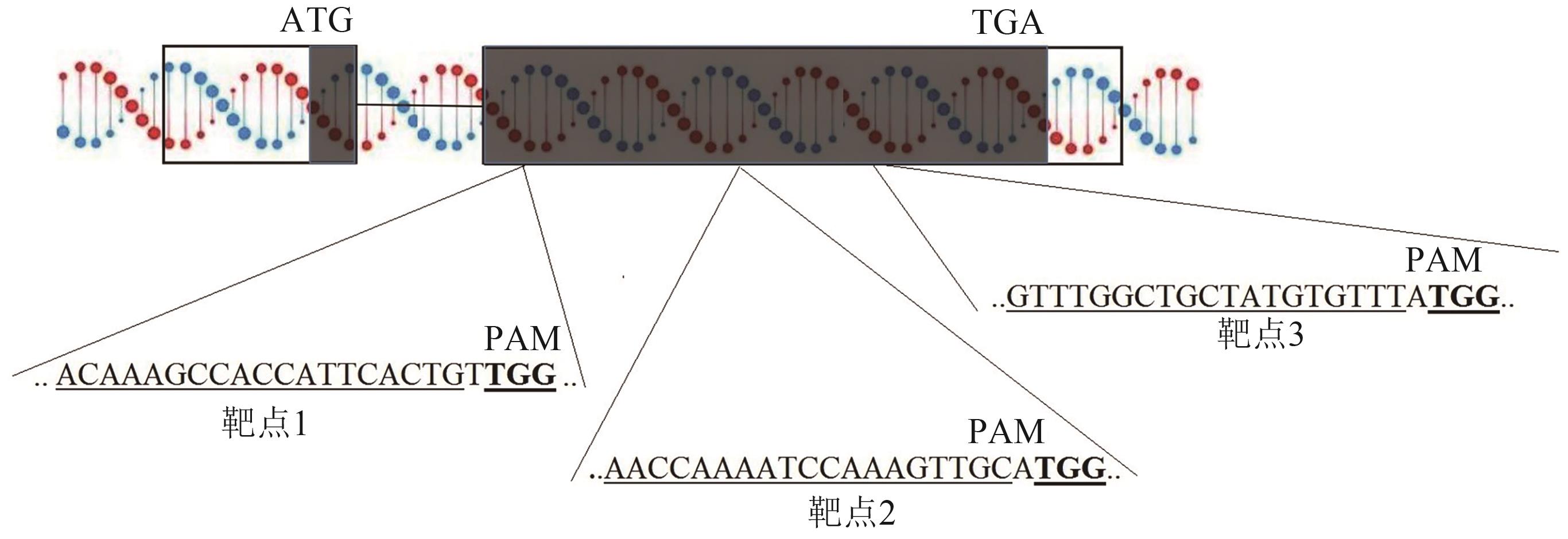
Fig. 1 Map of three targets in GmFAD2-1B gene
| 组别 | 名称 | 序列(5→3') | 产物大小/bp |
|---|---|---|---|
| G1 | G1-F G1-R G1-P | 5'-ACCTACTTCCACCTCCTTCC-3' | 105 |
| 5'-CACACTCGTGAGCAATCACC-3' | |||
| 5'-CATGGCCAATCTTATTGGGTTCTCCA-3' * | |||
| G2 | G2-F G2-R G2-P | 5'-CTTCCACCTCCTTCCTCAAC-3' | 99 |
| 5'-TCGTGAGCAATCACCCACA-3' | |||
| 5'-TGCATGGCCAATCTTATTGGGTTCT-3' * | |||
| G3 | G3-F G3-R G3-P | 5'-TTCCACCTCCTCCCTCACC-3' | 102 |
| 5'-GTACTTGCTGAAGGCATGGT-3' | |||
| 5'-TCATTGCATGGCTTGGGTTCTCCAA-3'* | |||
| G4 | G4-F G4-R G4-P | 5'-TACTTCCACCTCCTCCCTCAC-3' | 96 |
| 5'-ATGGGTACTTGCTGAAGGCA-3' | |||
| 5'-ATTGCATGGCTTGGGTTCTCC-3' * |
Table 2 High-oleic soybean primer and probe information
| 组别 | 名称 | 序列(5→3') | 产物大小/bp |
|---|---|---|---|
| G1 | G1-F G1-R G1-P | 5'-ACCTACTTCCACCTCCTTCC-3' | 105 |
| 5'-CACACTCGTGAGCAATCACC-3' | |||
| 5'-CATGGCCAATCTTATTGGGTTCTCCA-3' * | |||
| G2 | G2-F G2-R G2-P | 5'-CTTCCACCTCCTTCCTCAAC-3' | 99 |
| 5'-TCGTGAGCAATCACCCACA-3' | |||
| 5'-TGCATGGCCAATCTTATTGGGTTCT-3' * | |||
| G3 | G3-F G3-R G3-P | 5'-TTCCACCTCCTCCCTCACC-3' | 102 |
| 5'-GTACTTGCTGAAGGCATGGT-3' | |||
| 5'-TCATTGCATGGCTTGGGTTCTCCAA-3'* | |||
| G4 | G4-F G4-R G4-P | 5'-TACTTCCACCTCCTCCCTCAC-3' | 96 |
| 5'-ATGGGTACTTGCTGAAGGCA-3' | |||
| 5'-ATTGCATGGCTTGGGTTCTCC-3' * |
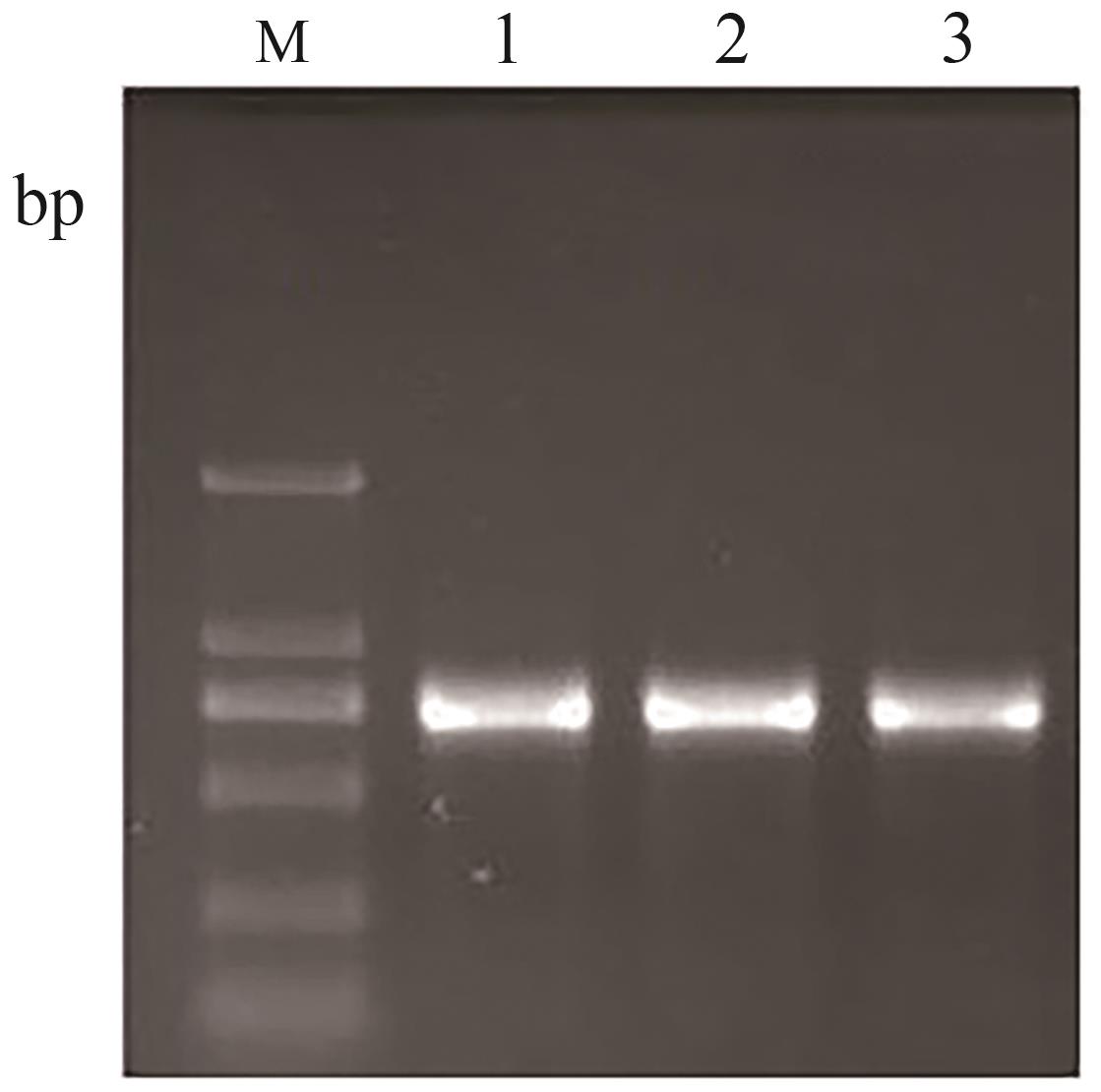
Fig. 2 The test results of gel electrophoresis
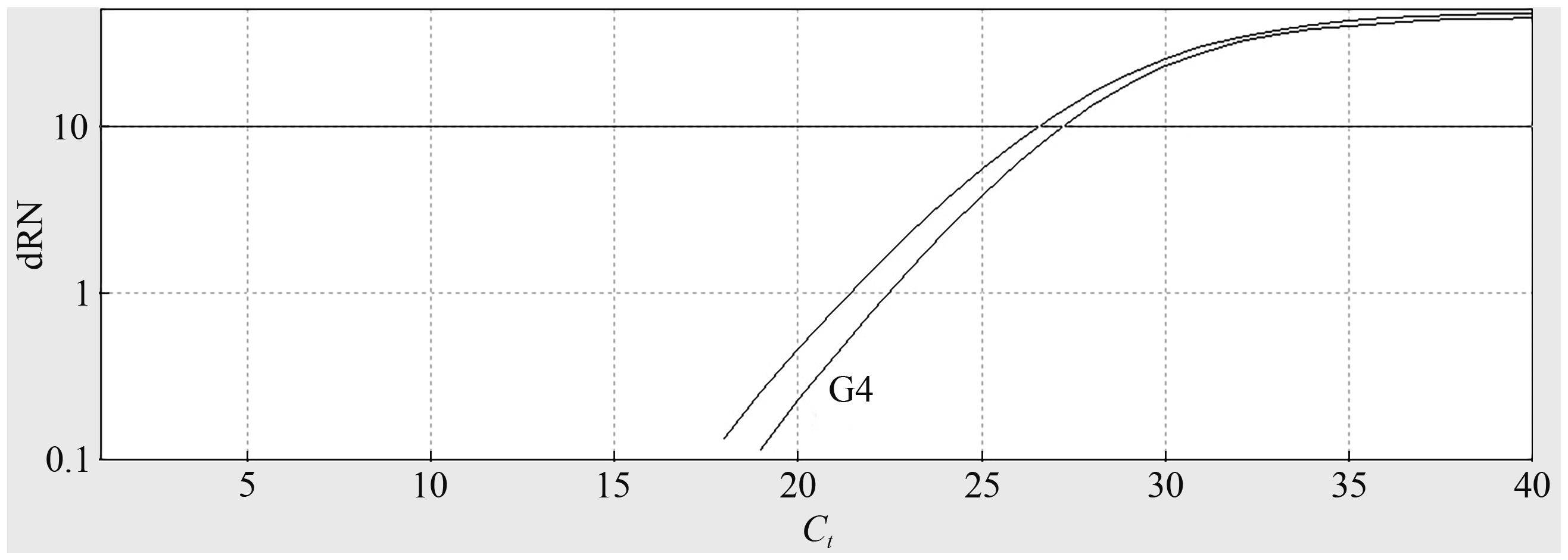
Fig. 3 Amplification curve of the G1~G4 primer probes
| 百分比浓度/% | Ct 值 | 平均Ct 值 | RSD/% | ||
|---|---|---|---|---|---|
| 1 | 2 | 3 | |||
| 5.0 | 34.79 | 34.14 | 33.22 | 34.05 | 2.32 |
| 1.0 | 35.01 | 34.61 | 34.66 | 34.76 | 0.63 |
| 0.50 | 34.25 | 35.70 | 35.15 | 35.04 | 2.09 |
| 0.10 | 35.72 | 36.15 | 35.40 | 35.76 | 1.05 |
| 0.05 | 35.90 | 36.52 | 36.19 | 36.20 | 0.86 |
| 0.01 | 37.81 | 37.89 | 38.36 | 38.02 | 0.78 |
| 0.005 | 39.18 | ND | ND | ND | ND |
Table 3 The detection results of the DNA gradient concentration assay
| 百分比浓度/% | Ct 值 | 平均Ct 值 | RSD/% | ||
|---|---|---|---|---|---|
| 1 | 2 | 3 | |||
| 5.0 | 34.79 | 34.14 | 33.22 | 34.05 | 2.32 |
| 1.0 | 35.01 | 34.61 | 34.66 | 34.76 | 0.63 |
| 0.50 | 34.25 | 35.70 | 35.15 | 35.04 | 2.09 |
| 0.10 | 35.72 | 36.15 | 35.40 | 35.76 | 1.05 |
| 0.05 | 35.90 | 36.52 | 36.19 | 36.20 | 0.86 |
| 0.01 | 37.81 | 37.89 | 38.36 | 38.02 | 0.78 |
| 0.005 | 39.18 | ND | ND | ND | ND |
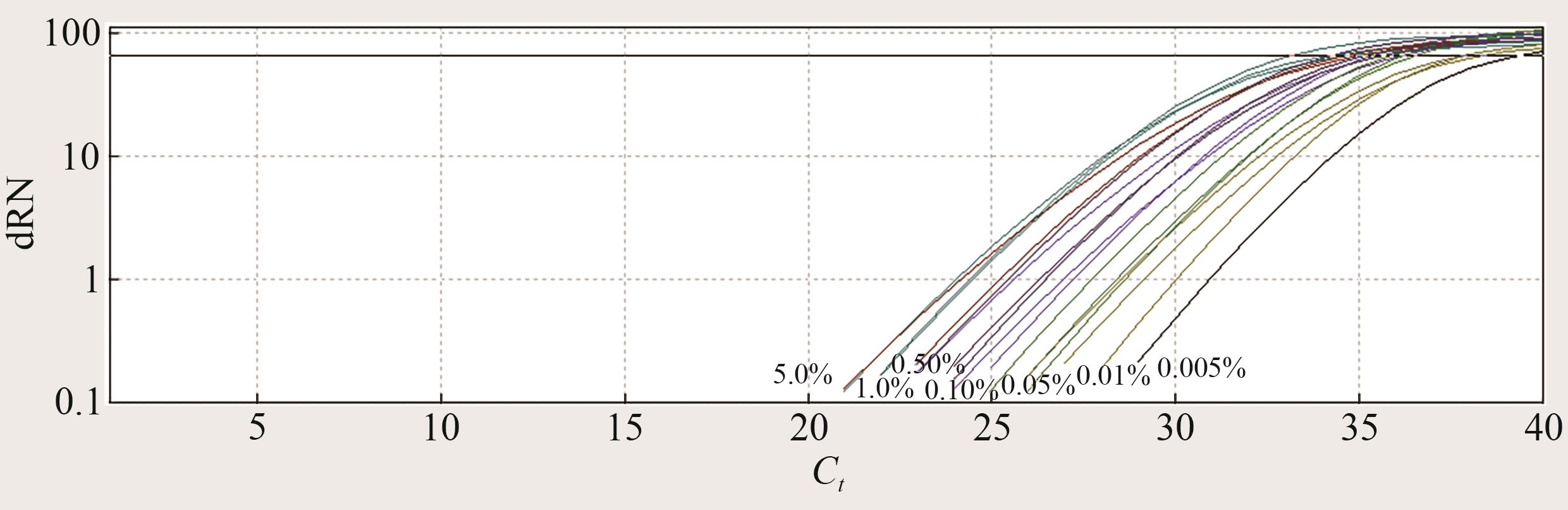
Fig. 4 DNA gradient concentration detection results
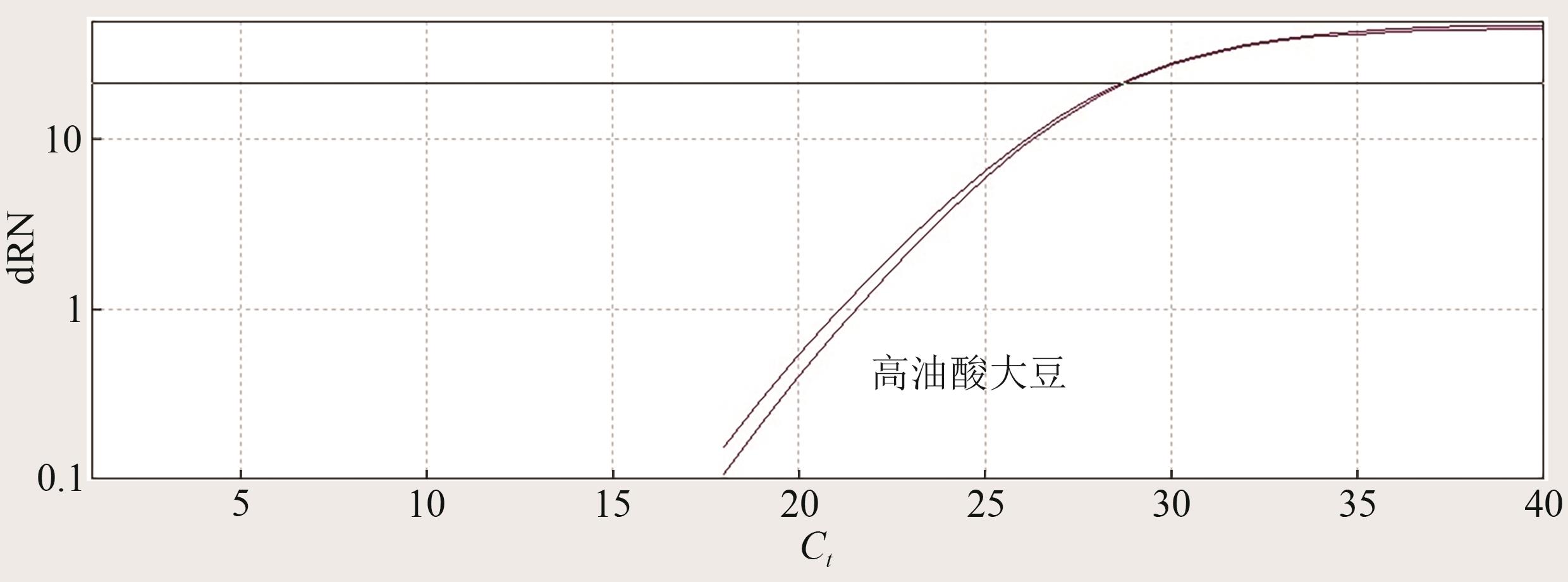
Fig. 5 Fluorescence PCR amplification curve
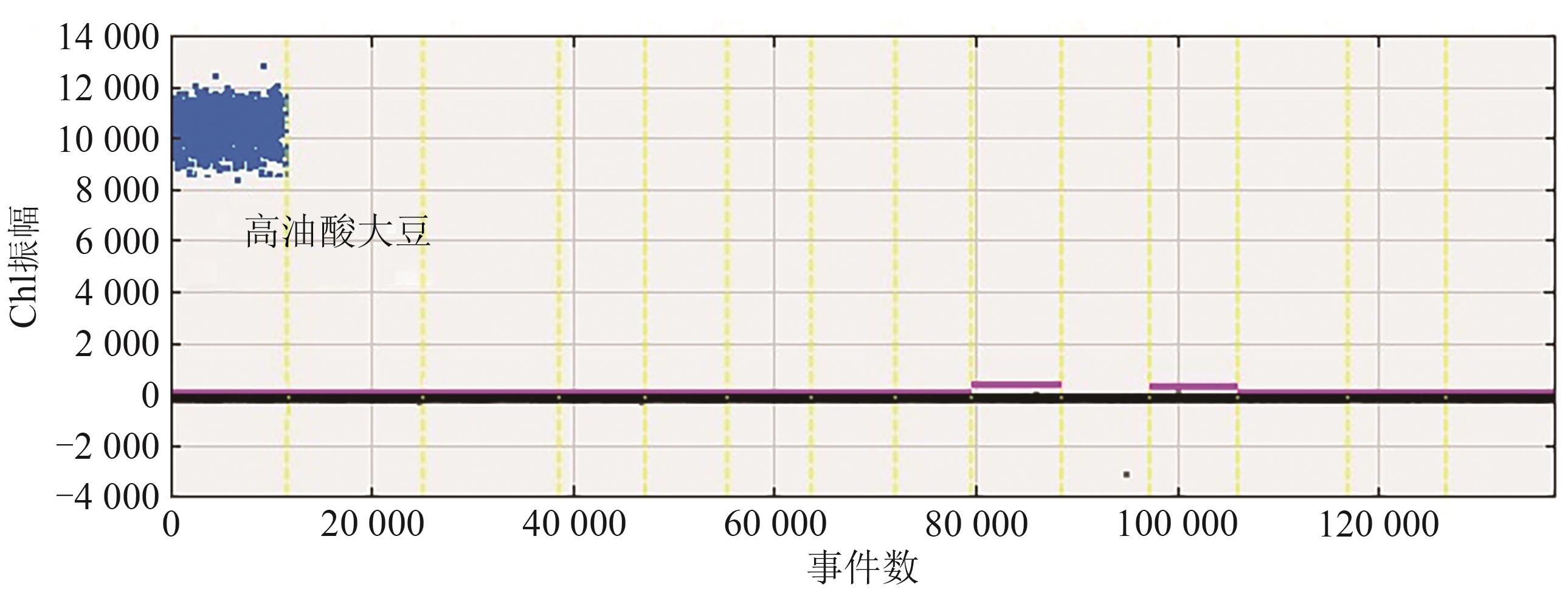
Fig.6 Results of digital PCR amplification curve
| 质量分数/% | 测量均值(质量分数,%) | RSD/% | 相对偏差/% | 回收率/% |
|---|---|---|---|---|
| 0.1 | 0.098 | 2.5 | -2.0 | 98.0 |
| 1.0 | 0.97 | 1.8 | -3.0 | 97.0 |
| 5.0 | 5.15 | 1.2 | 3.0 | 103.0 |
| 10.0 | 9.88 | 0.9 | -1.2 | 98.8 |
Table 4 List of wild soybean varieties
| 质量分数/% | 测量均值(质量分数,%) | RSD/% | 相对偏差/% | 回收率/% |
|---|---|---|---|---|
| 0.1 | 0.098 | 2.5 | -2.0 | 98.0 |
| 1.0 | 0.97 | 1.8 | -3.0 | 97.0 |
| 5.0 | 5.15 | 1.2 | 3.0 | 103.0 |
| 10.0 | 9.88 | 0.9 | -1.2 | 98.8 |
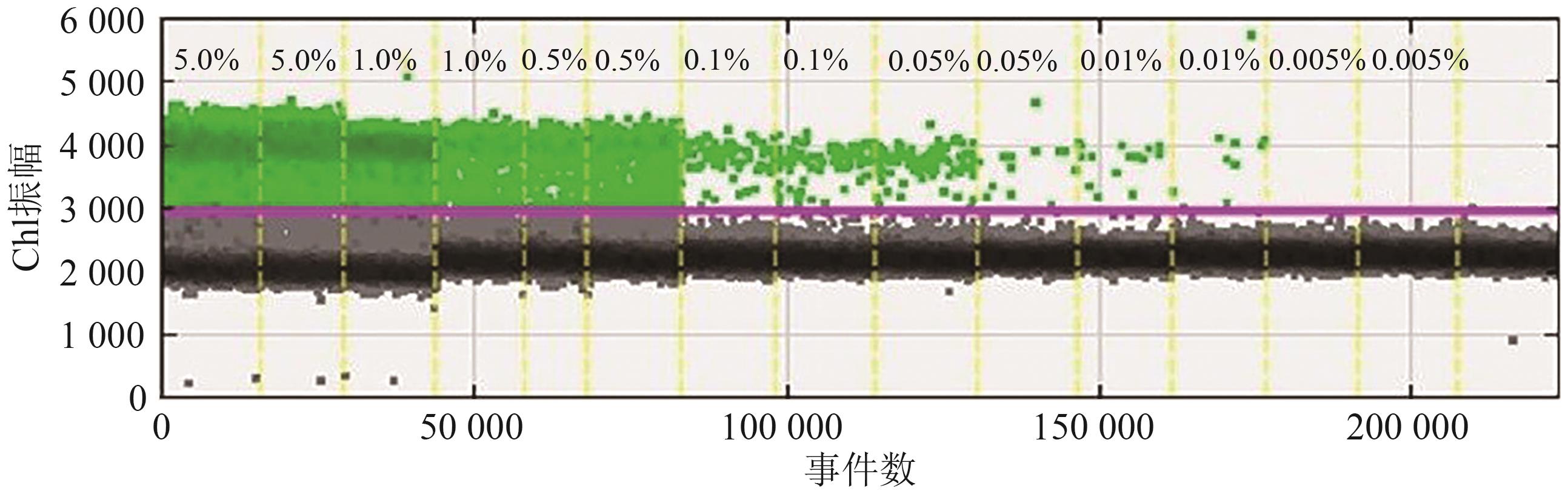
Fig. 7 Quantitative accuracy of digital PCR
| [1] | JINEK M, CHYLINSKI K, FONFARA I, et al.. A programmable dual-RNA-guided DNA endonuclease in adaptive bacterial immunity[J]. Science, 2012, 337: 816-821. |
| [2] | CONG L, RAN F A, COX D, et al.. Multiplex genome engineering using CRISPR/Cas systems[J]. Science, 2013, 339(6121): 819-823. |
| [3] | GUPTA D, BHATTACHARJEE O, MANDAL D, et al.. CRISPR-Cas9 system: a new-fangled dawn in gene editing[J/OL]. Life Sci., 2019, 232: 116636[2025-02-11]. . |
| [4] | BARMAN A, DEB B, CHAKRABORTY S. A glance at genome editing with CRISPR-Cas9 technology[J]. Curr. Genet., 2020, 66(3): 447-462. |
| [5] | SWARTS D C, JINEK M. Cas9 versus Cas12a/Cpf1: structure-function comparisons and implications for genome editing[J/OL]. Wires RNA, 2018, 9(5): e1481[2025-02-11]. . |
| [6] | 窦迎港,甄珍.基因编辑作物技术原理、商业化及检测研究进展[J].作物杂志,2023(2):16-23. |
| DOU Y G, ZHEN Z. Progress in the technical principle, commercialization and testing research of gene edited crops[J]. Crops, 2023(2): 16-23. | |
| [7] | WANG Z, CUI W. CRISPR-Cas system for biomedical diagnostic platforms[J/OL]. View, 2020, 1(3): 20200008[2025-02-11]. . |
| [8] | LING X, CHANG L, CHEN H, et al.. Improving the efficiency of CRISPR-Cas12a-based genome editing with site-specific covalent Cas12a-crRNA conjugates[J]. Mol. Cell, 2021, 81(22): 4747-4756. |
| [9] | 李树磊,郑红艳,王磊.基因编辑技术在作物育种中的应用与展望[J].生物技术通报,2020,36(11):209-221. |
| LI S L, ZHENG H Y, WANG L. Application and prospect of gene editing technology in crop breeding[J]. Biotechnol. Bull., 2020, 36(11): 209-221. | |
| [10] | 袁晓雅,甄珍.CRISPR/Cas9基因编辑高GABA番茄快速检测方法研究[J/OL].作物杂志,1-7[2026-07-22].. |
| YUAN X Y, ZHEN Z. Study on rapid detection method of high GABA tomato edited by CRISPR/Cas9 gene[J/OL]. Crops, 1-7[2026-07-22]. . | |
| [11] | CARROLL D. Genome editing: past, present, and future[J]. Yale J. Biol. Med., 2017, 90(4): 653-659. |
| [12] | PAN Y, YANG J, LUAN X, et al.. Near-infrared upconversion-activated CRISPR-Cas9 system: a remote-controlled gene editing platform[J/OL]. Sci. Adv., 2019, 5(4): eaav7199[2025-02-11]. . |
| [13] | MOROZ-OMORI E V, SATYAPERTIWI D, RAMEL M C, et al.. Photoswitchable gRNAs for spatiotemporally controlled CRISPR-cas-based genomic regulation[J]. ACS Cent. Sci., 2020, 6(5): 695-703. |
| [14] | ZHANG Y, LING X, SU X, et al.. A DNA origami nanorobot for targeted CRISPR-Cas9 delivery[J]. Angew. Chem. Int. Ed., 2020, 59(47): 20895-20899. |
| [15] | AYSOY Y A, YANG B, CHEN W, et al.. Near-infrared light-triggered CRISPR-Cas9 gene editing using upconversion nanoparticles for photothermal therapy[J]. ACS Appl. Mater. Interfaces, 2020, 12(47): 52433-52444. |
| [16] | CHHALLIYIL P, ILVES H, KAZAKOV S A, et al.. A real-time quantitative PCR method specific for detection and quantification of the first commercialized genome-edited plant[J/OL]. Foods, 2020, 9(9): 1245[2025-02-11]. . |
| [17] | ROSEVILLE M N. Calyxt's high oleic low linolenic soybean deemed non-regulated by USDA[EB/OL]. [2020-06-03]. . |
| [18] | 农业农村部通告.印度首次批准基因编辑水稻大规模种植试验[EB/OL]. (2025-05-15) [2025-06-04]. . |
| [19] | ZHANG H, LI J, ZHAO S, et al.. An editing-site-specific PCR method for detection and quantification of CAO1-edited rice[J/OL]. Foods, 2021, 10(6): 1209[2025-02-11]. . |
| [20] | 侯智红,吴艳,程群,等.利用CRISPR/Cas9技术创制大豆高油酸突变系[J].作物学报,2019,45(6):839-847. |
| HOU Z H, WU Y, CHENG Q, et al.. Creation of high oleic acid soybean mutation plants by CRISPR/Cas9[J]. Acta Agron. Sin., 2019, 45(6): 839-847. | |
| [21] | 陈絮蒙,田星,郭亦杰,等.不同比例酸枣仁-茯苓水提物对大鼠焦虑样行为的影响[J].食品工业科技,2023,44(2):408-416. |
| CHEN X M, TIAN X, GUO Y J, et al.. Influence of the aqueous extracts of ziziphi spinosae semen and poriacocoswith different ratios on anxiety-related behavior of rats[J]. Sci. Technol. Food Ind., 2023, 44(2): 408-416. |
| [1] | Mengyao JIA, Deqin HU, Yuan LI, Dongmei WANG, Wei LU, Hongsheng PAN. Research Progress and Environmental Safety Assessment of Transgenic Cotton in China [J]. Current Biotechnology, 2026, 16(4): 774-785. |
| [2] | Pengfei LIU, Na LIU, Ruihuan LI, Wei FU, Chao XU, Qingkuo LAN, Yong WANG, Xin ZHAO. Development of Multi-target Plasmid DNA Reference Materials for Screening Transgenic Soybeans [J]. Current Biotechnology, 2026, 16(4): 863-877. |
| [3] | Mingdi ZHANG, Qigai LI, Lu WANG, Hui OUYANG, Jinghua LIAN, Fei XIE. Research Advances and Clinical Application Prospects of in Vivo CAR-T Therapy [J]. Current Biotechnology, 2026, 16(4): 909-918. |
| [4] | Hongqi ZHANG, Yuehua YU, Zhiyong NI. Analysis of Subcellular Localization and Expression Patterns of Soybean Transcription Factor GmMYB109 [J]. Current Biotechnology, 2026, 16(4): 919-925. |
| [5] | Xiaoyue SUN, Ranran ZHU, Kechun LIU, Xuehui JIAN, Xue WANG, Yun ZHANG, Qing XIA, Yuanshuai YU, Hairong HOU, Chen SUN. Construction Technology Innovation and Application Progress in the Disease of Humanized Zebrafish Model [J]. Current Biotechnology, 2026, 16(3): 618-625. |
| [6] | Honglin CHEN, Jinjin SHEN, Mengge LI, Yan WANG. Research Progress on the Active Ingredients and Pharmacological Effects of Fermented Soybean Paste [J]. Current Biotechnology, 2026, 16(2): 277-287. |
| [7] | Lina SU, Fengxin LI, Jie WU, Xiandong ZENG, Jian ZHENG. Fluorescence PCR Detection Method for Shiitake-derived Components in Food [J]. Current Biotechnology, 2026, 16(1): 149-156. |
| [8] | Chuang LIU, Jianshuang MA, Yingguo BAI, Huoqing HUANG, Tao TU, Huimin YU, Ning LIU, Yuan WANG. Research Progress on the Enzymatic Properties of Common Enzyme Preparations in Soybean Meal Enzyme Hydrolysis Processes [J]. Current Biotechnology, 2025, 15(4): 573-586. |
| [9] | Yanyan JIA, Luyang DUANMU. Study on the Mechanism of Bubble Generation and Inhibition Method During Digital PCR Amplification Process [J]. Current Biotechnology, 2025, 15(4): 693-701. |
| [10] | Yueqiu ZHANG, Fangqi FU, Tongtong ZHAO, Ziyan CHEN, Xinyao PEI, Fangrui GAO, Jiake LI, Hui LI, Xiaodan JIANG, Haoqian WANG, Hong CHEN. Development of PCR Qualitative Method for Genetically Modified Herbicide-tolerant Soyabean LP012-1 [J]. Current Biotechnology, 2025, 15(3): 466-475. |
| [11] | Yiyang LI, Zhizheng ZHOU, Shufei WANG, Boya LIU, Yufei LIU, Xiaoyan LI, Hongshu SUI, Dongwei LIU. Application and Prospect of CRISPR/Cas9 Gene Editing Technology in Disease Treatment [J]. Current Biotechnology, 2025, 15(1): 35-42. |
| [12] | Xin QI, Xinran LI, Yaning GUO, Dan WANG, Kai LI, Qiong WU, Liang LI. Comparison of Endogenous Genes in Maize Based on Digital PCR [J]. Current Biotechnology, 2025, 15(1): 78-85. |
| [13] | Guang HU, Zhi WANG, Wei FU, Yuting SHI, Shanshan CHEN, Liang LUO, Shuang WEI. Establishment of Detection Method Based on TaqMan Real-time Fluorescence Quantitative PCR Technology for OsWx-edited Rice [J]. Current Biotechnology, 2025, 15(1): 86-92. |
| [14] | Jing WANG, Haitao GUAN, Xiaolei ZHANG, Baohuai WANG, Baohai LIU, Hongtao WEN. Detection Dynamic and Development Tendency of Agricultural Gene Editing Products [J]. Current Biotechnology, 2024, 14(5): 712-723. |
| [15] | Hongbo FAN, Liangyong HU, Songqing HU. Establishment of Digital PCR Detection System for Helicobacter pyloriureC and 23S rDNA [J]. Current Biotechnology, 2024, 14(5): 868-874. |
| Viewed | ||||||
|
Full text |
|
|||||
|
Abstract |
|
|||||
