

Current Biotechnology ›› 2026, Vol. 16 ›› Issue (4): 805-821.DOI: 10.19586/j.2095-2341.2026.0059
• Special Forum on Detection Technology for Genetically Modified Organisms • Previous Articles Next Articles
Zehui ZHOU1,2,3( ), Chen ZHANG2,3, Rongyan SHEN2,3, Ke WU2,3, Na LIU2,3, Ruihuan LI2,3, Yasi WANG2,3, Cheng WANG2,3, Chao XU2,3, Xin ZHAO2,3, Qingkuo LAN2,3, Yong WANG2,3, Xin QI2,3(), Zhongyou PEI1()
Received:2026-03-09
Accepted:2026-05-19
Online:2026-07-25
Published:2026-09-11
Contact:
Xin QI,Zhongyou PEI
CLC Number:
Zehui ZHOU, Chen ZHANG, Rongyan SHEN, Ke WU, Na LIU, Ruihuan LI, Yasi WANG, Cheng WANG, Chao XU, Xin ZHAO, Qingkuo LAN, Yong WANG, Xin QI, Zhongyou PEI. A Nucleic Acid Mass Spectrometry-based Multi-target Detection Method for Genetically Modified Rice[J]. Current Biotechnology, 2026, 16(4): 805-821.
| 基因名称 | 引物序列(5'→3') | 延伸引物(5'→3') | 延伸引物MASS值 | 延伸产物MASS值 |
|---|---|---|---|---|
| TT51-1 | 5'-ACGTTGGATGCCATCCCCCTGTCGCCGTG-3' 3'-ACGTTGGATGGCTCAGGTGCAGGTTGGCGG-5' | 5'-ACTACTGCTTATCTGCC-3' | 5 096.3 | 5 343.5 |
| Cry1A_1 | 5'-ACGTTGGATGCTATCCCATTGTTCGCAGTC-3' 3'-ACGTTGGATGGCTGAGGTGAAGATTAGCTG-5' | 5'-CAAGTTCCTCTCTTGT-3' | 4 798.2 | 5 045.4 |
| Cry1A_2 | 5'-ACGTTGGATGCCATCCCACTCTTCGCCGTC-3' 3'-ACGTTGGATGGCTCAGGTGCAGGTTGGCGG-5' | 5'-CCAAGTCCCGCTCCTGT-3' | 5 082.4 | 5 329.6 |
| Cry1A_3 | 5'-ACGTTGGATGCCATCCCCCTGTCGCCGTG-3' 3'-ACGTTGGATGGCTCAGGTGCAGGTTGGCGG-5' | 5'-ACCAGGTGCCCCTGCTGA-3' | 5 460.6 | 5 747.8 |
| CRY1A_4 | 5'-ACGTTGGATGCCATCCCACTGTTCGCCGTG-3' 3'-ACGTTGGATGGGAAAGGTGAAGGTTGGCGG-5 | 5'-AGGTGCCACTGCTGT-3' | 4 584 | 4 831.2 |
| bar | 5'-ACGTTGGATGTAGGCGTTGCGTGCCTTCCA-3' 3'-ACGTTGGATGTCCGTCTGCGGGAGCGCTAT-5' | 5'-CAAGAGCGCTATCCCTGG-3' | 5 484.6 | 5 731.8 |
| CaMV35S | 5'-ACGTTGGATGCATTGCGATAAAGGAAAGGC-3' 3'-ACGTTGGATGCTTTTTCCACGATGCTCCTC-5' | 5'-CCCTATCTTTGGGACCACTGC-3' | 6 043.9 | 6 371 |
| NOS_Terminator | 5'-ACGTTGGATGCCCATCTCATAAATAACGTC-3' 3'-ACGTTGGATGCCGGTCTTGCGATGATTATC-5' | 5'-TACGTTAAGCATGTAATAATTAACA-3' | 7 672 | 7 999.1 |
Table 1 Primers information for this study
| 基因名称 | 引物序列(5'→3') | 延伸引物(5'→3') | 延伸引物MASS值 | 延伸产物MASS值 |
|---|---|---|---|---|
| TT51-1 | 5'-ACGTTGGATGCCATCCCCCTGTCGCCGTG-3' 3'-ACGTTGGATGGCTCAGGTGCAGGTTGGCGG-5' | 5'-ACTACTGCTTATCTGCC-3' | 5 096.3 | 5 343.5 |
| Cry1A_1 | 5'-ACGTTGGATGCTATCCCATTGTTCGCAGTC-3' 3'-ACGTTGGATGGCTGAGGTGAAGATTAGCTG-5' | 5'-CAAGTTCCTCTCTTGT-3' | 4 798.2 | 5 045.4 |
| Cry1A_2 | 5'-ACGTTGGATGCCATCCCACTCTTCGCCGTC-3' 3'-ACGTTGGATGGCTCAGGTGCAGGTTGGCGG-5' | 5'-CCAAGTCCCGCTCCTGT-3' | 5 082.4 | 5 329.6 |
| Cry1A_3 | 5'-ACGTTGGATGCCATCCCCCTGTCGCCGTG-3' 3'-ACGTTGGATGGCTCAGGTGCAGGTTGGCGG-5' | 5'-ACCAGGTGCCCCTGCTGA-3' | 5 460.6 | 5 747.8 |
| CRY1A_4 | 5'-ACGTTGGATGCCATCCCACTGTTCGCCGTG-3' 3'-ACGTTGGATGGGAAAGGTGAAGGTTGGCGG-5 | 5'-AGGTGCCACTGCTGT-3' | 4 584 | 4 831.2 |
| bar | 5'-ACGTTGGATGTAGGCGTTGCGTGCCTTCCA-3' 3'-ACGTTGGATGTCCGTCTGCGGGAGCGCTAT-5' | 5'-CAAGAGCGCTATCCCTGG-3' | 5 484.6 | 5 731.8 |
| CaMV35S | 5'-ACGTTGGATGCATTGCGATAAAGGAAAGGC-3' 3'-ACGTTGGATGCTTTTTCCACGATGCTCCTC-5' | 5'-CCCTATCTTTGGGACCACTGC-3' | 6 043.9 | 6 371 |
| NOS_Terminator | 5'-ACGTTGGATGCCCATCTCATAAATAACGTC-3' 3'-ACGTTGGATGCCGGTCTTGCGATGATTATC-5' | 5'-TACGTTAAGCATGTAATAATTAACA-3' | 7 672 | 7 999.1 |
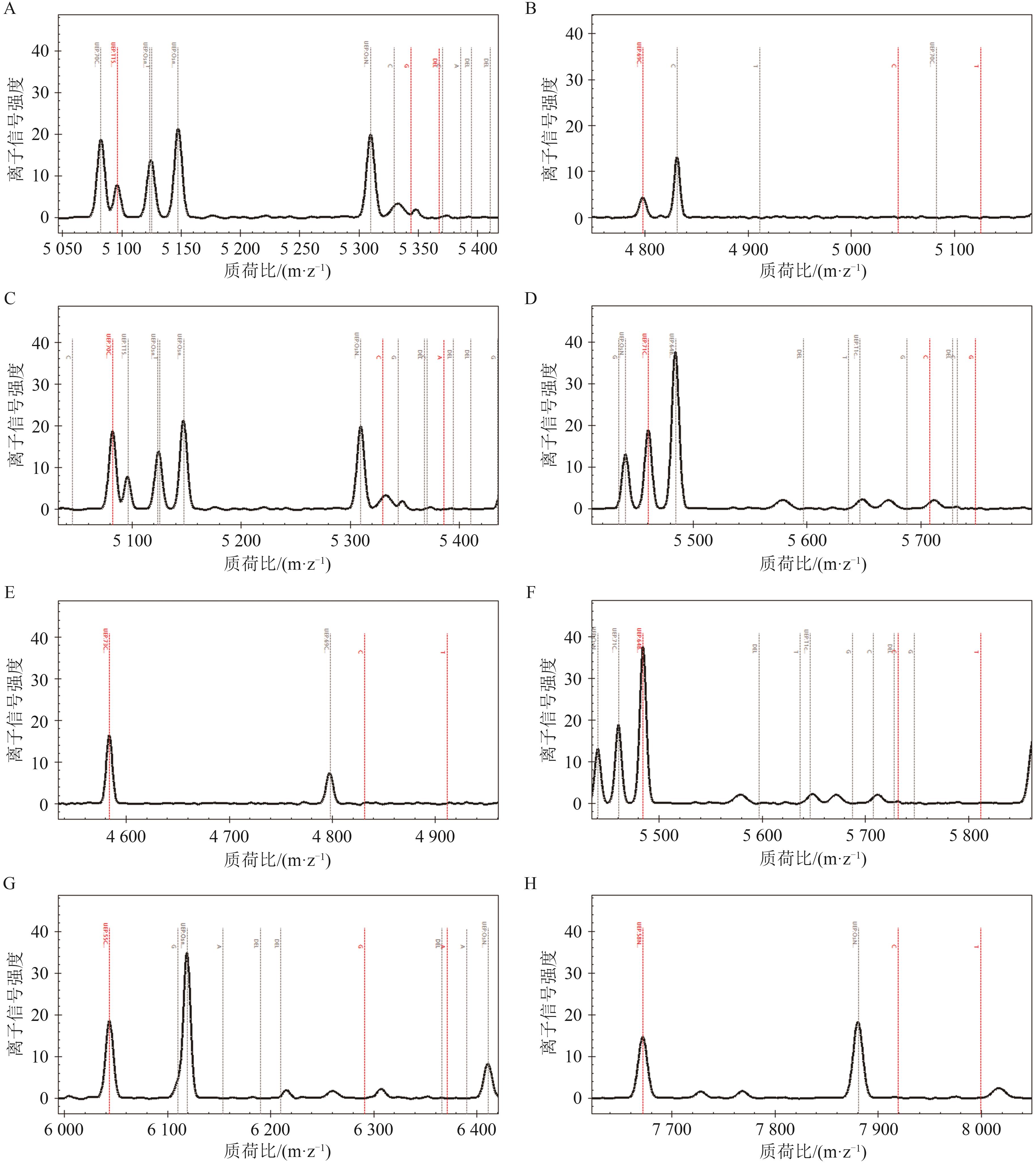
Fig. 1 The extension peak maps of multiple primers using rice Nipponbare DNA as the template
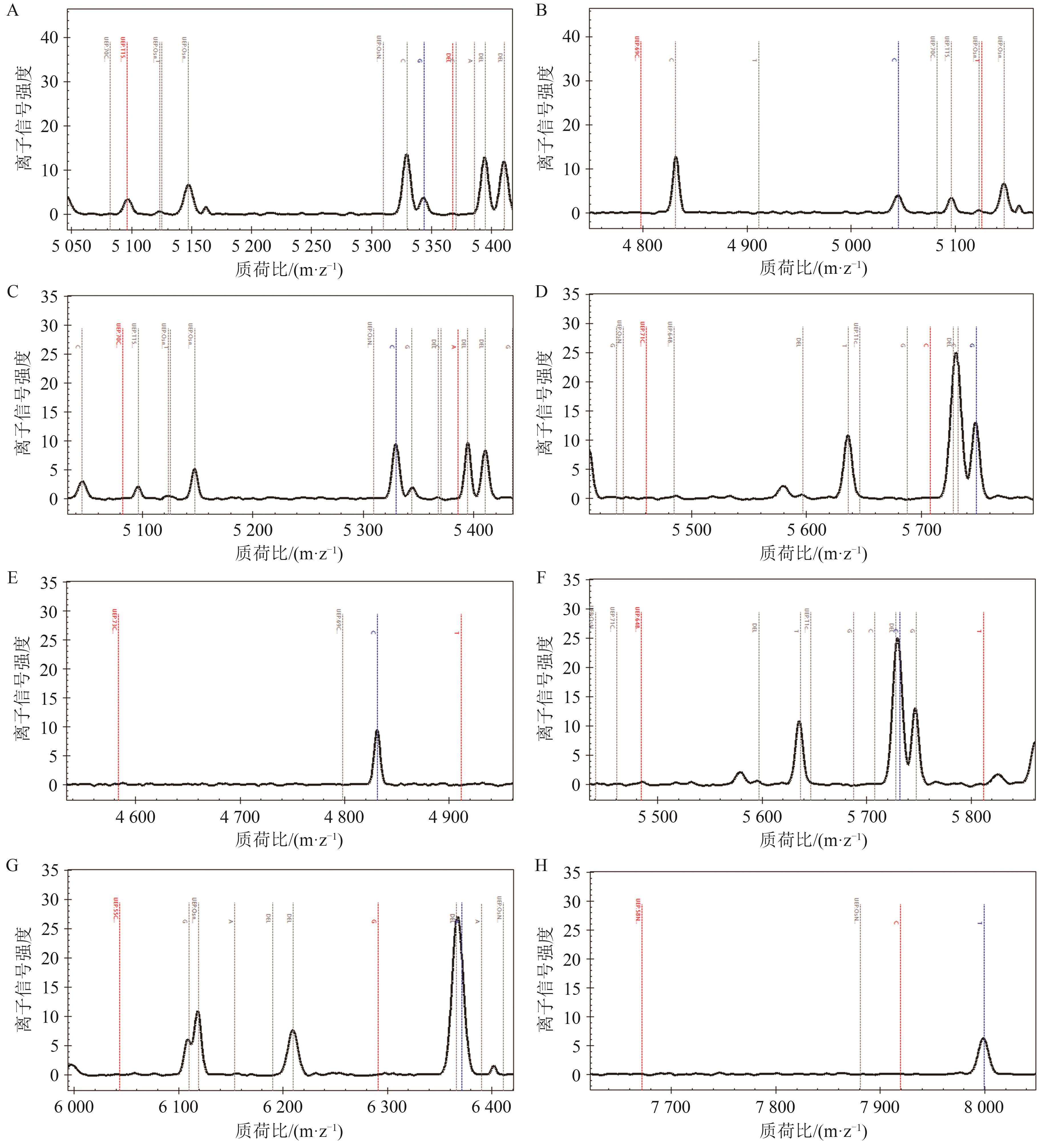
Fig. 2 The extension peak maps of multiple primers using TT51 DNA as the template
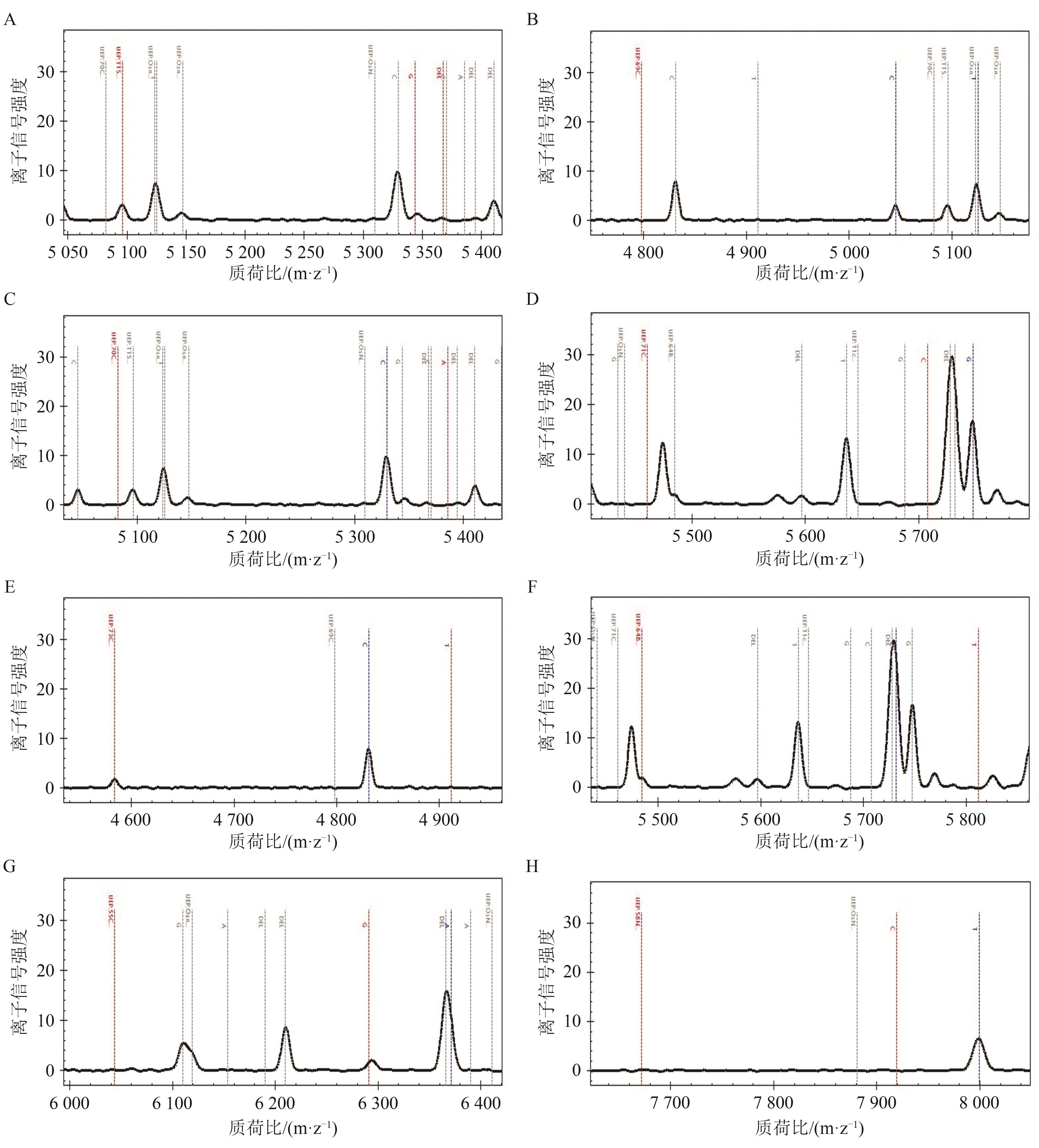
Fig. 3 The extension peak maps of multiple primers using five types of genetically modified corn mixed samples DNA as the template
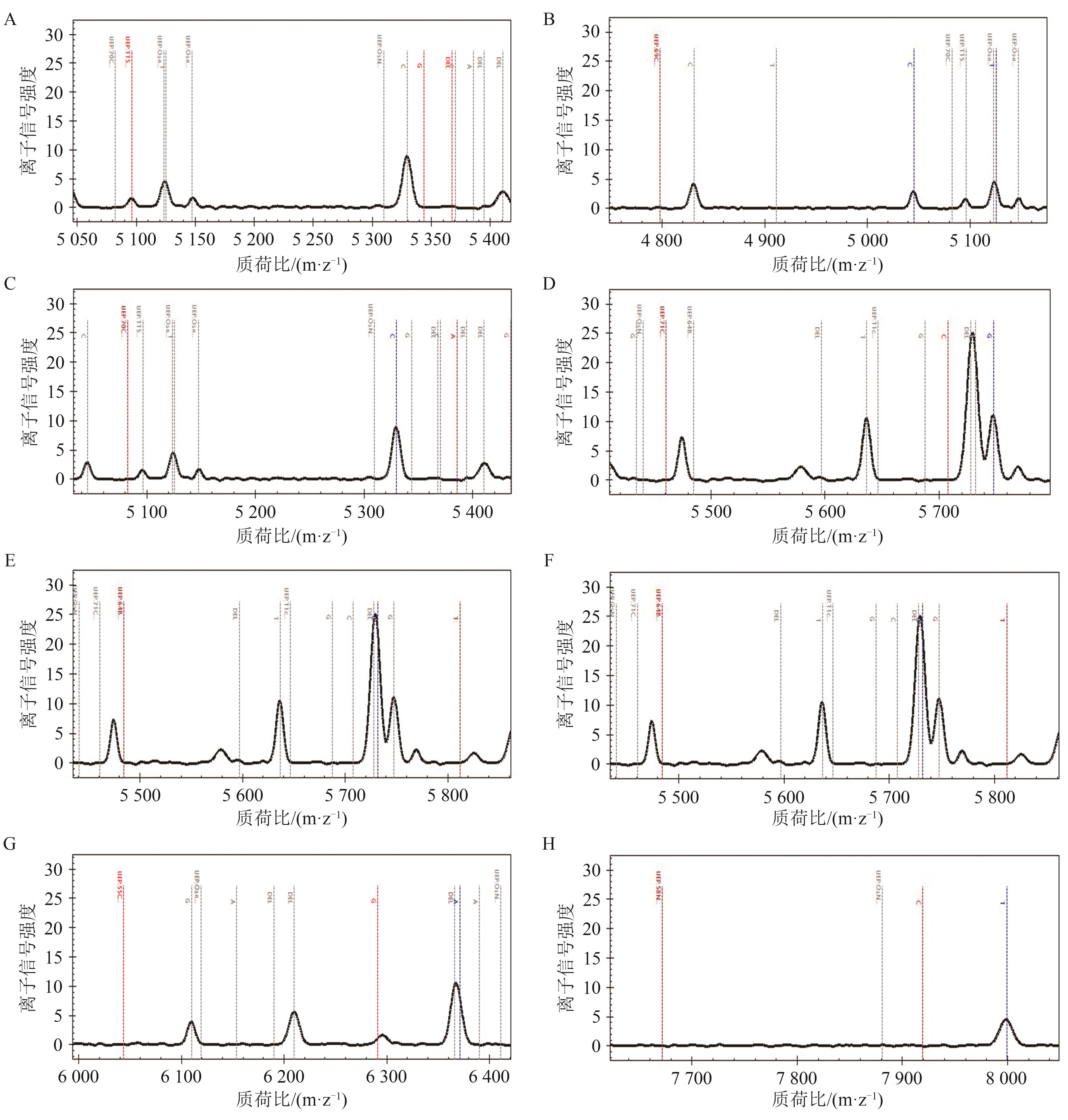
Fig. 4 The extension peak maps of multiple primers using five types of genetically modified soybean mixed samples DNA as the template
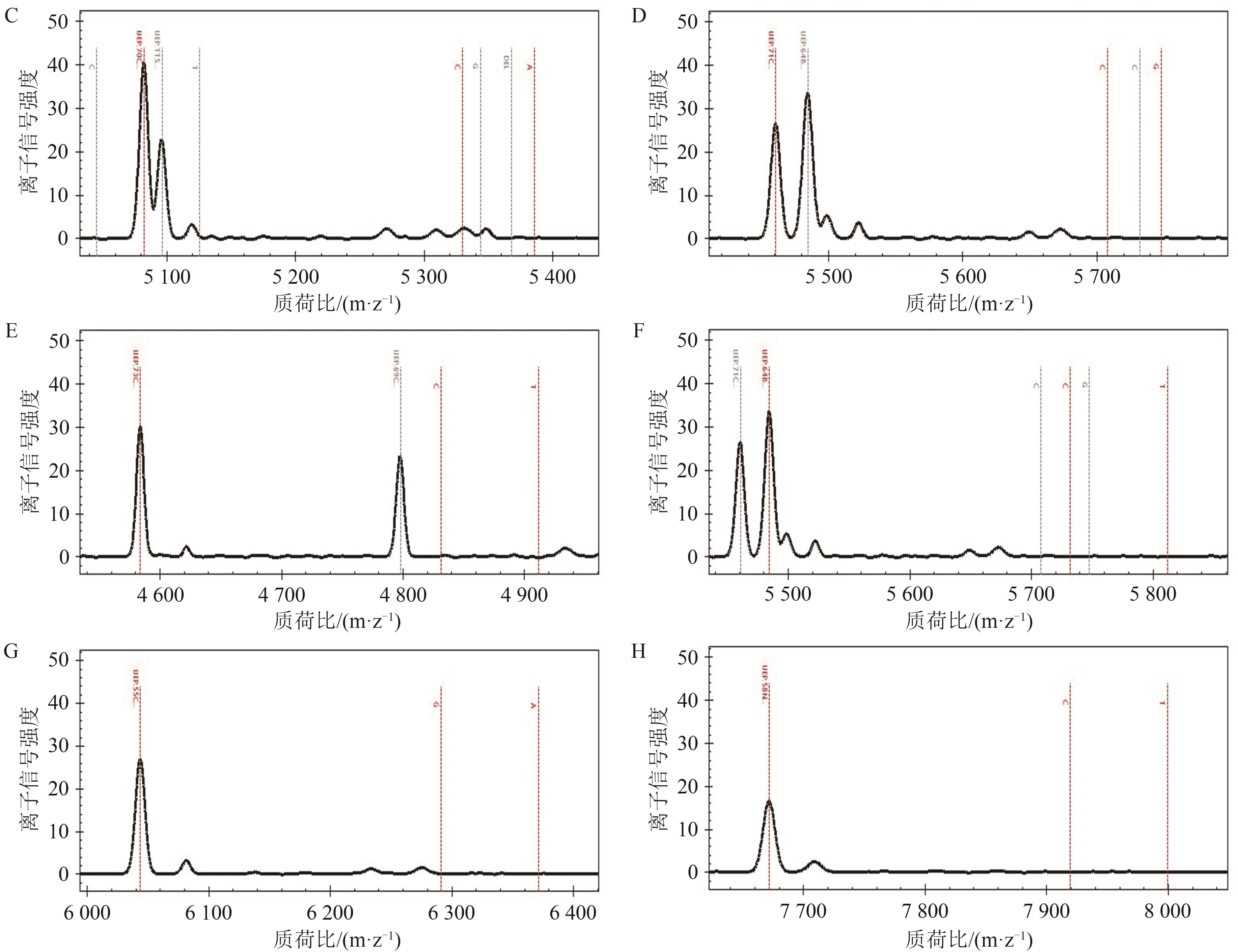
Fig. 5 The extension peak maps of multiple primers using three types of non-GMO corn mixed samples DNA as the template
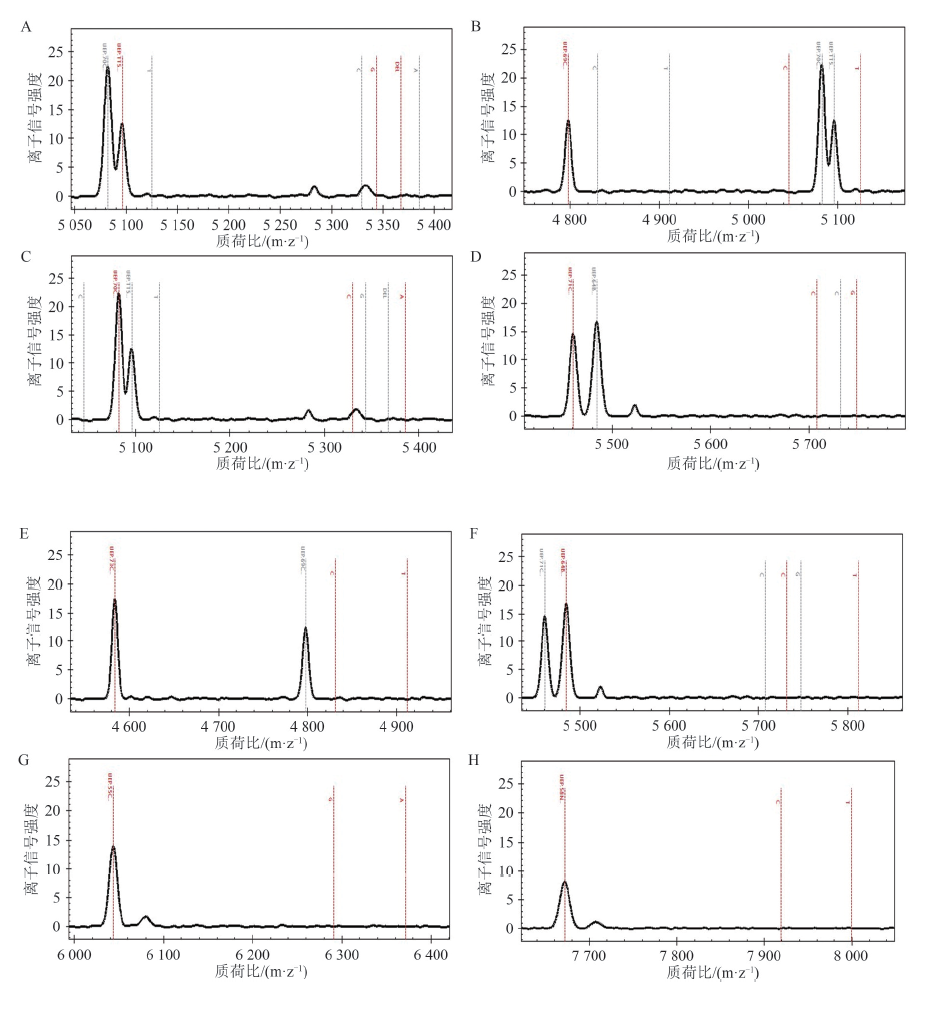
Fig. 6 The extension peak maps of multiple primers using three types of non-GMO soybean mixed samples DNA as the template
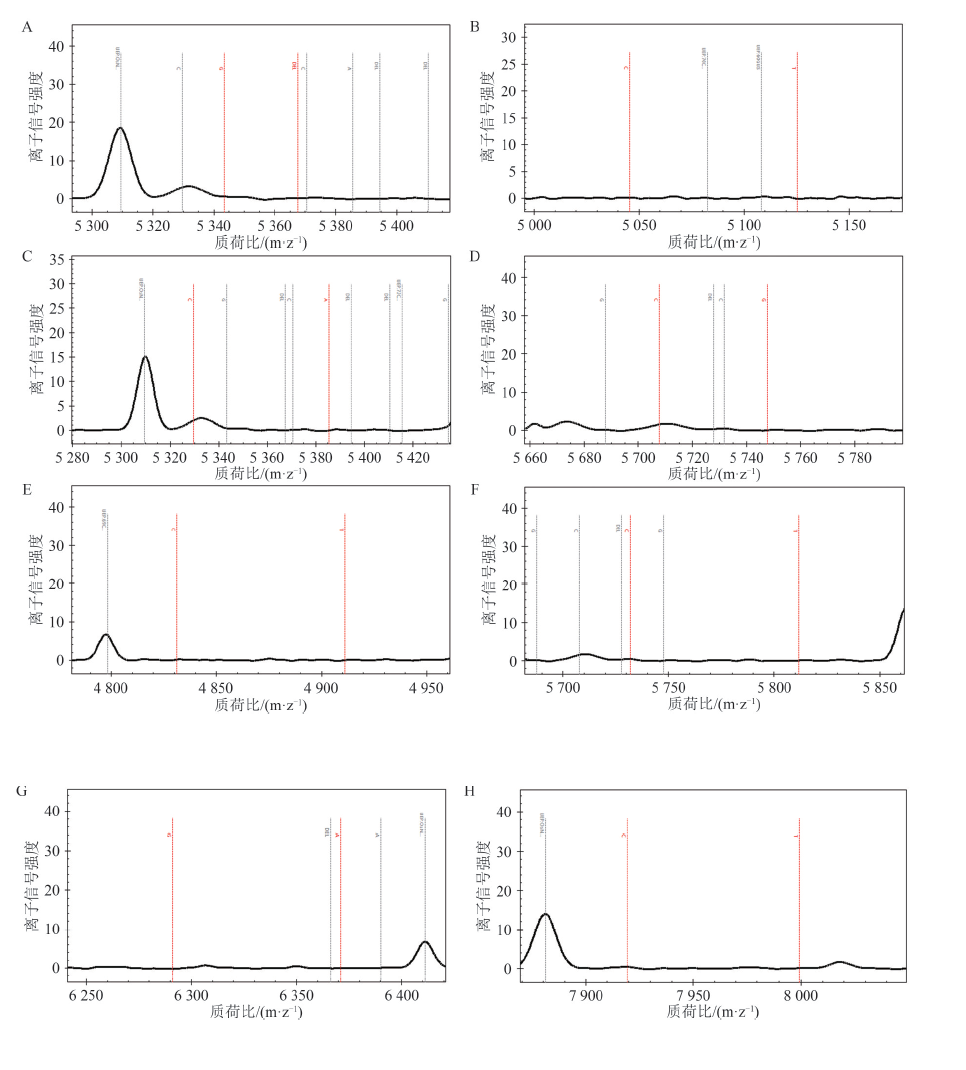
Fig. 7 Extension peak profiles of multiple primers with 0.1% TT51 DNA as template
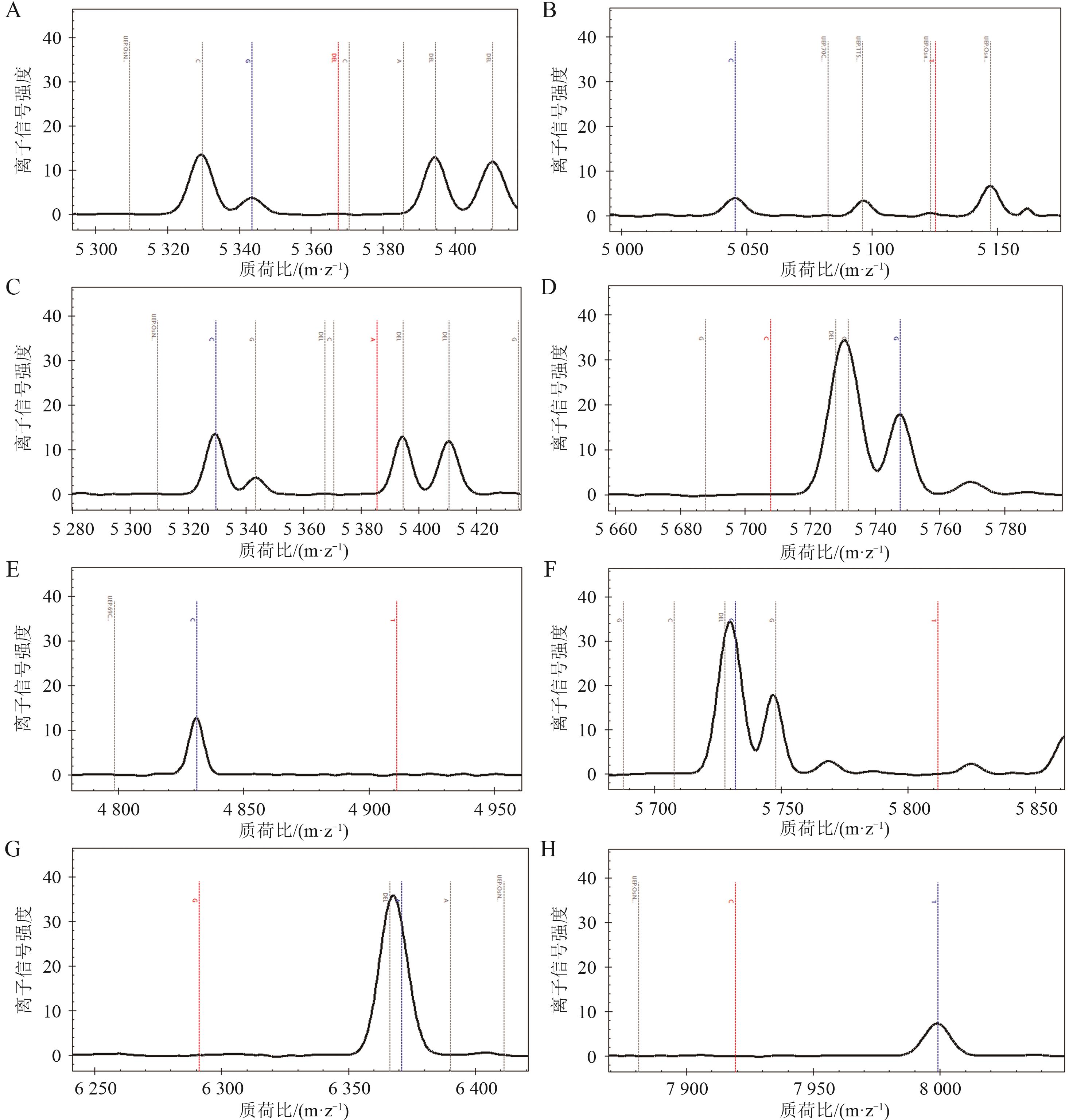
Fig. 8 Extension peak profiles of multiple primers with 0.5% TT51 DNA as template
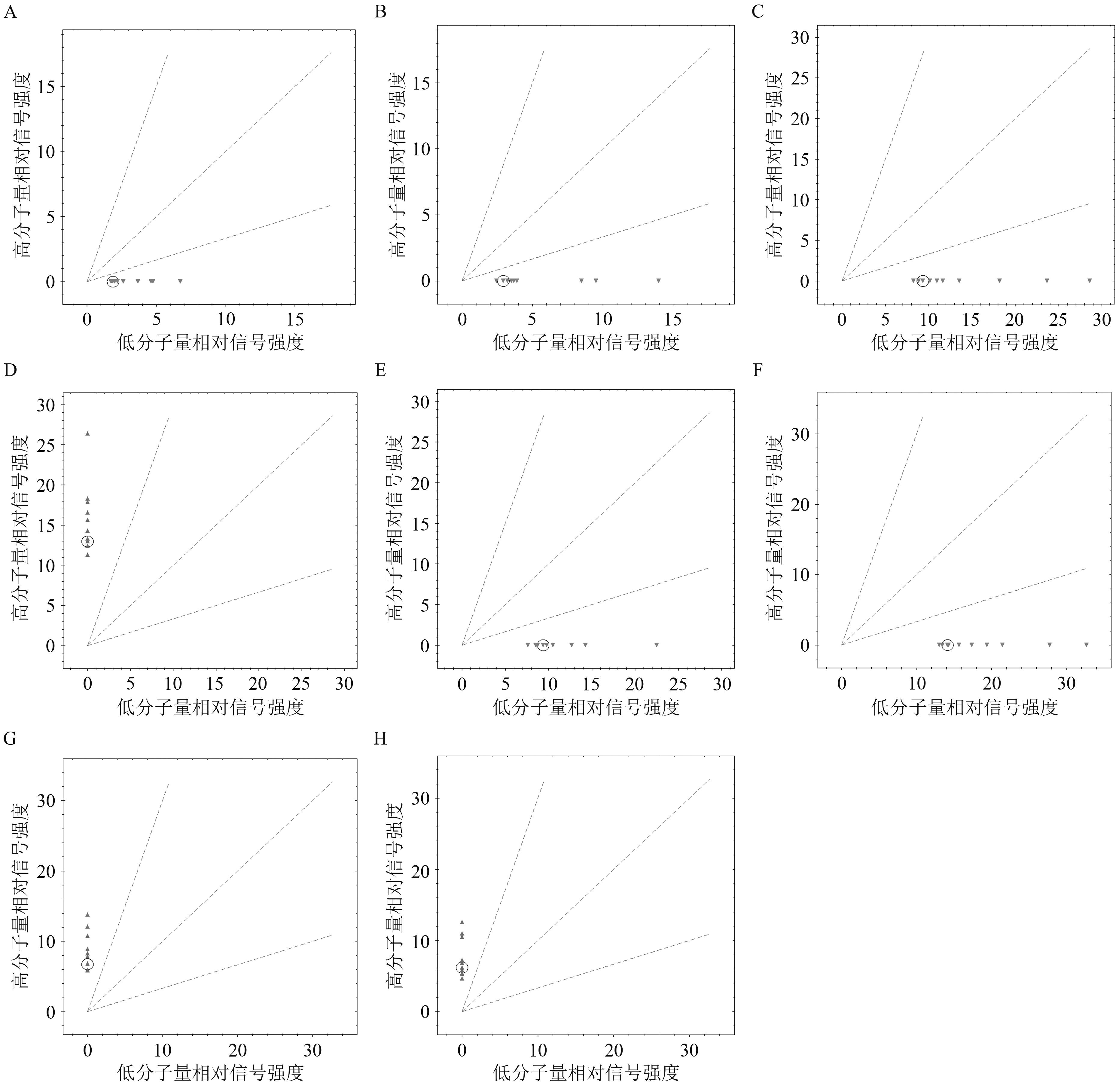
Fig. 9 Scatter plot of extension peak profiles of multiple primers with 1% TT51 DNA as template
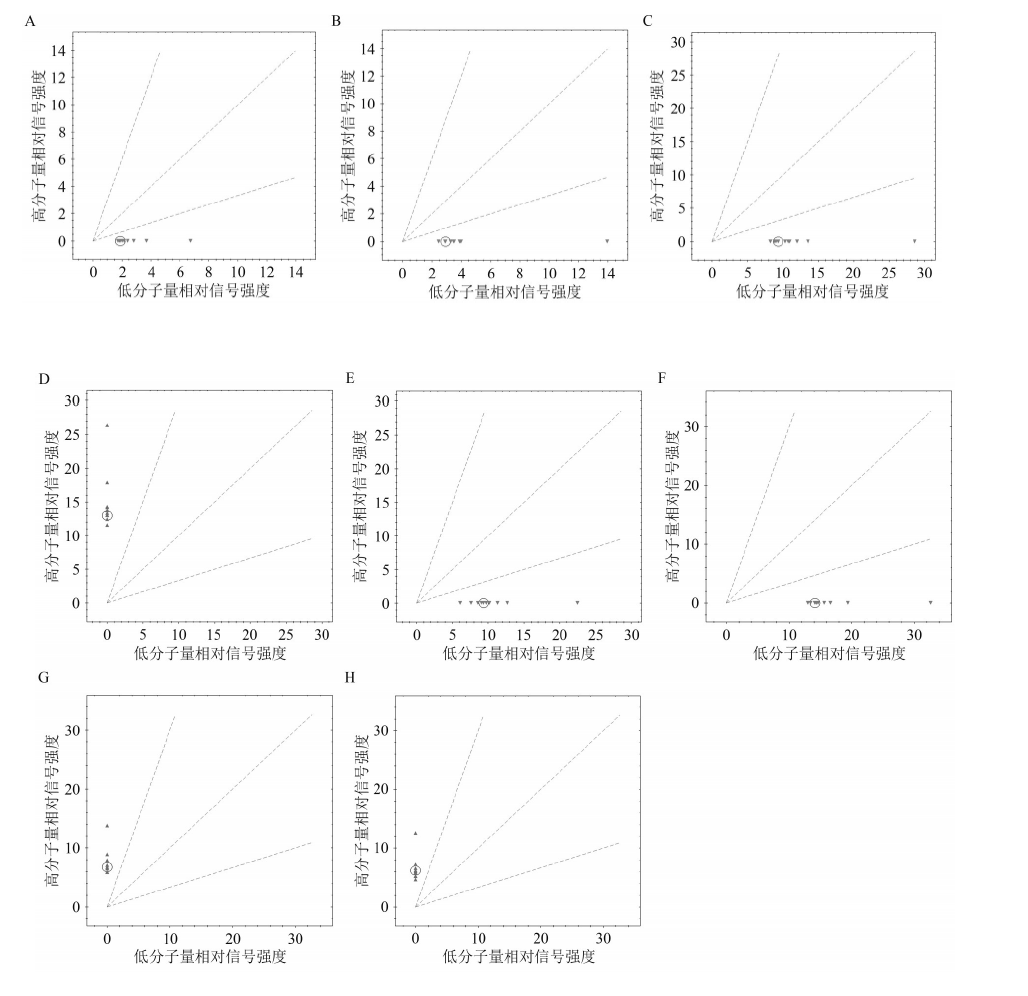
Fig. 10 Scatter plot of extension peak profiles of multiple primers with 0.5% TT51 DNA as template
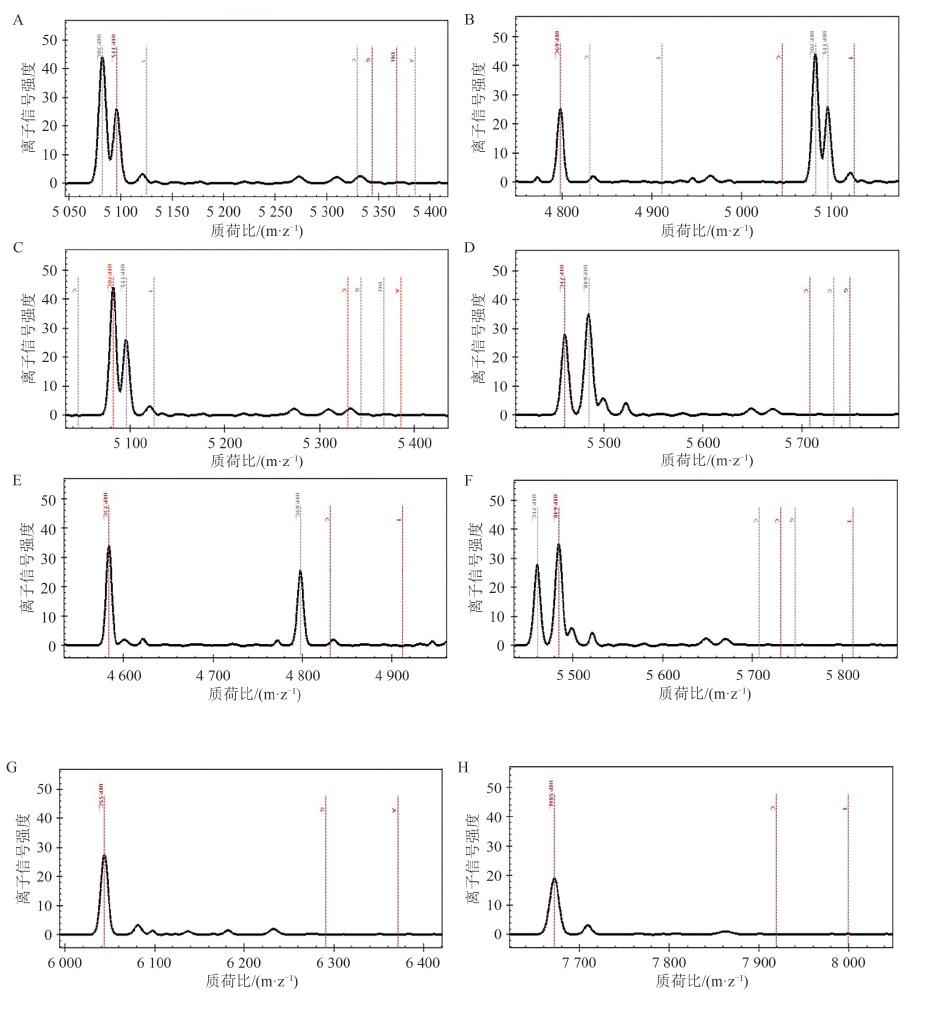
Fig. 11 Extension peak profiles of multiple primers with T1C-19 DNA as template
Fig. 12 The extension peak maps of multiple primers using bulk rice DNA as the template
| [1] | 黄耀辉,焦悦,吴小智,等.生物育种对种业科技创新的影响[J].南京农业大学学报,2022,45(3):413-421. |
| HUANG Y H, JIAO Y, WU X Z, et al.. The influence of biological breeding on the science and technology innovation of seed industry[J]. J. Nanjing Agric. Univ., 2022, 45(3): 413-421. | |
| [2] | 张文斐,江知禾.育种产业化背景下生物遗传资源安全:趋势研判、现实困境及实现机制[J].生物多样性,2024,32(11):234-245. |
| ZHANG W F, JIANG Z H. Trend analysis, realistic dilemmas, and realization mechanisms for biological genetic resource security under the background of breeding industrialization[J]. Biodivers. Sci., 2024, 32(11): 234-245. | |
| [3] | 张健.中国重要农作物生物育种产业化应用的展望[J].中国农业科技导报,2022,24(12):15-24. |
| ZHANG J. Prospects for commercialization of biotech breeding technology of important crops in China[J]. J. Agric. Sci. Technol., 2022, 24(12): 15-24. | |
| [4] | 唐璇,吕树伟,范芝兰,等.水稻耐冷性鉴定研究进展[J].植物遗传资源学报,2023,24(2):325-331. |
| TANG X, LYU S W, FAN Z L, et al.. Advances on identification of rice cold tolerance[J]. J. Plant Genet. Resour., 2023, 24(2): 325-331. | |
| [5] | 徐春春,纪龙,陈中督,等.2021年我国水稻产业形势分析及 2022 年展望[J].中国稻米,2022,28(2):16-19. |
| XU C C, JI L, CHEN Z D, et al.. Analysis of the rice industry situation in China in 2021 and outlook for 2022[J]. China Rice, 2022, 28(2): 16-19. | |
| [6] | 农业农村部科技教育司. 2021年农业转基因生物安全证书批准清单[EB/OL]. [2021-04-07]. . |
| [7] | 邵改革,闫伟,董立明,等.四重PCR结合全自动电泳系统检测食品转基因成分[J].食品工业科技,2014,35(5):133-136. |
| SHAO G G, YAN W, DONG L M, et al.. Detection of genetically modified food by quadruplex PCR and automated electrophoresis system[J]. Sci. Technol. Food Ind., 2014, 35(5): 133-136. | |
| [8] | JOCHEN F. Method and devices for extremely fast DNA replication by polymerase chain reactions (PCR): US6180372B1[P]. 2001-01-30. |
| [9] | GACHET E, MARTIN G G, VIGNEAU F, et al.. Detection of genetically modified organisms (GMOs) by PCR: a brief review of methodologies available[J]. Trends Food Sci. Technol., 1998, 9(11-12): 380-388. |
| [10] | LA PAZ J L, GARCA-MUNIZ N, NADAL A, et al.. Interlaboratory transfer of a real-time polymerase chain reaction assay for quantitative detection of genetically modified maize event TC-1507[J]. J. Aoac Int., 2006, 89(5): 1347-1352. |
| [11] | 付刚,郭敏,陈晨.PCR技术在动植物检疫中的应用探究[J].时代农机,2017,44(8):133. |
| FU G, GUO M, CHEN C. Application of PCR technology in animal and plant quarantine[J]. Times Agric. Mach., 2017, 44(8): 133. | |
| [12] | 刘朝晖,崔凯,杨琳梅,等.飞行时间质谱多基因检测系统检测心血管用药11个基因的性能验证研究[J].中华检验医学杂志,2020,43(1):51-57. |
| LIU C H, CUI K, YANG L M, et al.. Performance verification of a time-of-flight mass spectrometry based cardiovascular drug-related polygene detection system[J]. Chin. J. Lab. Med., 2020, 43(1): 51-57. | |
| [13] | 田锦,高芳瑞,李玲,等.转基因玉米Bt11特异性定性PCR检测方法的建立[J].生物技术进展,2025,15(6):1031-1039. |
| TIAN J, GAO F R, LI L, et al.. Establishment of specific qualitative PCR detection method of transgenic maize Bt11[J]. Curr. Biotechnol., 2025, 15(6): 1031-1039. | |
| [14] | 张月秋,傅芳奇,赵桐桐,等.转基因耐除草剂大豆LP012-1转化体普通PCR定性检测方法的研究[J].生物技术进展,2025,15(3):466-475. |
| ZHANG Y Q, FU F Q, ZHAO T T, et al.. Development of PCR qualitative method for genetically modified herbicide-tolerant soyabean LP012-1[J]. Curr. Biotechnol., 2025, 15(3): 466-475. | |
| [15] | 李凌燕,肖冰,张旭冬,等.转基因玉米MON87411实时荧光PCR定性检测方法的建立及其标准化[J]. 生物技术进展,2024,14(2):257-262. |
| LI L Y, XIAO B, ZHANG X D, et al.. Establishment and standardization of real-time PCR method for qualitative detection of genetically modified maize MON87411[J]. Curr. Biotechnol., 2024, 14(2): 257-262. | |
| [16] | 温洪涛,杨洋,丁一佳,等.抗虫玉米CM8101定性检测方法的建立[J].生物技术进展,2022,12(2):248-255. |
| WEN H T, YANG Y, DING Y J, et al.. Establishment of qualitative PCR detection of transgenic insect-resistant maize CM8101[J]. Curr. Biotechnol., 2022, 12(2): 248-255. | |
| [17] | 温洪涛,杨洋,丁一佳,等.耐除草剂玉米G1105E-823C定性检测方法[J].生物技术进展,2020,10(6):688-695. |
| WEN H T, YANG Y, DING Y J, et al.. Qualitative PCR methods for the detection of transgenic herbicide-tolerant maize G1105E-823C[J]. Curr. Biotechnol., 2020, 10(6): 688-695. | |
| [18] | 缪青梅,赵杨,徐晓丽,等.转g10-epsps基因耐除草剂大豆ZUTS-33转化体特异性检测方法的建立[J].生物技术进展,2020,10(6):696-703. |
| MIAO Q M, ZHAO Y, XU X L, et al.. Establishment of transformant-specific detection method for the herbicide-tolerant transgenic soybean event ZUTS-33 harboring the g10-epsps transgene[J]. Curr. Biotechnol., 2020, 10(6): 696-703. | |
| [19] | JIANG XY, WU M, ALBO J, et al.. Non-specific binding and gross-reaction of ELISA: a case study of procine hemoglobin detection[J/OL]. Foods, 2021, 10(8): 1708[2026-02-11]. . |
| [20] | 荣雪松,姚超,洪青青.核酸飞行时间质谱技术对结核与非结核分枝杆菌的菌种鉴定及耐药检测的应用[J].湖南师范大学学报(医学版),2023,20(4):124-128. |
| RONG X S, YAO C, HONG Q Q. Application of nucleic acid time-of-flight mass spectrometry in the identification of Mycobacterium tuberculosis or non-tuberculosis and drug resistance[J]. J. Hunan Norm. Univ. Med. Sci., 2023, 20(4): 124-128. | |
| [21] | 王俊,张栋,陈晴晴,等.PCR-核酸飞行时间质谱系统检测新型冠状病毒方法的建立及应用研究[J].中国全科医学,2020,23(35):4430-4435+4442. |
| WANG J, ZHANG D, CHEN Q Q, et al.. Establishment and application of PCR-time-of-flight mass spectrometer for SARS-CoV-2 nucleic acid detection[J]. Chin. Gen. Pract., 2020, 23(35): 4430-4435+4442. | |
| [22] | 闫雯倩,陈企发,夏炎.基质辅助激光解析/电离飞行时间质谱(MALDI-TOF MS)在微生物鉴定中的应用[J].化学教育(中英文),2022,43(10):7-14. |
| YAN W Q, CHEN Q F, XIA Y. Application of matrix assisted laser desorption/ionization time of flight mass spectrometry (MALDI-TOF MS) in microbial identification[J]. Chin. J. Chem. Educ., 2022, 43(10): 7-14. | |
| [23] | 张秋艳,唐静,祝素珍,等.基质辅助激光解吸电离飞行时间质谱分析技术在微生物鉴定与分型中的应用[J].食品安全质量检测学报,2021,12(19):7549-7555. |
| ZHANG Q Y, TANG J, ZHU S Z, et al.. Application of matrix-assisted laser desorption ionization time-of-flight mass spectrometry in microbial identification and typing[J]. J. Food Saf. Qual., 2021, 12(19): 7549-7555. | |
| [24] | 金孝华,黄莎莎,庞珊珊,等.飞行时间质谱技术在中国人常见耳聋基因检测中的应用[J].生殖医学杂志,2022,31(10):1373-1379. |
| JIN X H, HUANG S S, PANG S S, et al.. Screening of common mutations in deaf gene in Chinese patients using MALDI-TOF MS technology[J]. J. Reprod. Med., 2022, 31(10): 1373-1379. | |
| [25] | 丁晓妍,崔明全,李霆,等.基质辅助激光解吸电离飞行时间质谱在动物源细菌耐药性监测中的研究应用[J].中国兽药杂志,2022,56(5):20-26. |
| DING X Y, CUI M Q, LI T, et al.. Application of matrix-assisted laser desorption ionization time-off flight mass spectrometry in monitoring drug resistance of animal-derived bacteria[J]. Chin. J. Vet. Drug, 2022, 56(5): 20-26. | |
| [26] | 赵忠俊,贺飞耀,陈婧,等.基于膜进样的紫外光电离飞行时间质谱仪研制及其在工作场所苯系物检测中的应用[J].质谱学报,2021,42(1):16-23. |
| ZHAO Z J, HE F Y, CHEN J, et al.. Development of membrane inlet based on ultra violet ionization time of flight mass spectrometer and its application in VOCs analysis at workplace[J]. J. Chin. Mass Spectrom. Soc., 2021, 42(1): 16-23. | |
| [27] | 乔勇升,王俊虎,仇雅静,等.应用超高效液相色谱-四极杆-飞行时间质谱建立茶叶中农药残留的筛查与确证方法[J].色谱,2020,38(12):1402-1412. |
| QIAO Y S, WANG J H, QIU Y J, et al.. Establishment of screening and confirmation method for the analysis of pesticide residues in tea by ultra-performance liquid chromatography-quadrupole-time-of-flight mass spectrometry[J]. Chin. J. Chromatogr., 2020, 38(12): 1402-1412. | |
| [28] | 梁利霞.转基因水稻检测方法研究[D].北京:中国农业科学院,2013. |
| [29] | 王茂先,黄恪楠,庄利桢,等.潮州市市售豆奶转基因成分检测与分析[C]//广东省食品学会,肇庆学院.创新驱动与未来食品科技论坛暨2025年广东省食品学会年会论文集.韩山师范学院生命科学与食品工程学院, 2025:19-28. |
| [30] | 王颢潜,陈锐,李夏莹,等.转基因产品成分检测技术研究进展[J].生物技术通报,2018,34(3):31-38. |
| WANG H Q, CHEN R, LI X Y, et al.. Research progress on the testing technologies for composition in genetically modified products[J]. Biotechnol. Bull., 2018, 34(3): 31-38. | |
| [31] | 农业部农业转基因生物安全管理办公室.农业部关于修改《农业转基因生物安全评价管理办法》的决定[EB/OL]. [2017-03-28]. . |
| [32] | 张晓磊,章秋艳,熊炜,等.转基因植物检测方法及标准化概述[J].中国农业大学学报,2020,25(9):1-12. |
| ZHANG X L, ZHANG Q Y, XIONG W, et al.. Overview of detection methods and standardization for transgenic plants[J]. J. China Agric. Univ., 2020, 25(9): 1-12. | |
| [33] | 张冠.基于高通量测序技术的转基因玉米GM11019分子特征研究[D].天津:天津商业大学,2021. |
| [34] | HE S, FAN Y, TAO S, et al.. Application of next-generation sequencing in the detection of transgenic crop[J/OL]. Front. Genet., 2024, 15: 1461115[2026-02-11]. . |
| [1] | Yingying WANG, Wenlong LIU, Juntian ZENG, Fulu CHEN, Li LIU, Jindong FU, Longguo JIN. DNA Extraction Techniques for Genetically Modified Organism Testing of Soybean Products [J]. Current Biotechnology, 2026, 16(4): 885-897. |
| [2] | Qingchun YUE, Siyuan MENG, Guohua LIU. Research Advances in Transgenic Detection Technologies and Screening Strategies for Major Crop Seeds [J]. Current Biotechnology, 2026, 16(1): 1-9. |
| Viewed | ||||||
|
Full text |
|
|||||
|
Abstract |
|
|||||
