

Current Biotechnology ›› 2026, Vol. 16 ›› Issue (3): 654-664.DOI: 10.19586/j.2095-2341.2025.0158
• Articles • Previous Articles Next Articles
Xiaona DU1( ), Fengjie MA1,2, Fengzhen FENG2, Linhao SU1,2, Lishan ZHANG2, Wei XU2,3,4, Kai QIAN3,4, Xiaofeng SONG1()
Received:2025-11-10
Accepted:2026-03-30
Online:2026-05-25
Published:2026-07-14
Contact:
Xiaofeng SONG
CLC Number:
Xiaona DU, Fengjie MA, Fengzhen FENG, Linhao SU, Lishan ZHANG, Wei XU, Kai QIAN, Xiaofeng SONG. Screening and Safety Evaluation of Probiotics Promoting GLP-1 Secretion[J]. Current Biotechnology, 2026, 16(3): 654-664.
| 试剂 | 样品管 | 空白管 | 对照管 |
|---|---|---|---|
| PBS缓冲液(0.2 mol·L-1 pH 7.0) | / | 250 µL | 250 µL |
| α-淀粉酶(4 U·mL-1) | 250 µL | / | 250 µL |
| 样品(LGG/菌株CFS) | 250 µL | 250 µL | / |
| 37 ℃孵育10 min(淀粉溶液于37 ℃预热) | |||
| 可溶性淀粉溶液(1% w/v,质量体积分数) | 500 µL | 500 µL | 500 µL |
| 37 ℃孵育5 min | |||
| DNS试剂 | 1 000 µL | 1 000 µL | 1 000 µL |
| 沸水浴5 min,迅速冷却至室温后加13 mL蒸馏水稀释,再稀释10倍,540 nm处测定吸光度 | |||
Table 1 Determination system of α-amylase inhibitory activity of L. fermentum TH02105
| 试剂 | 样品管 | 空白管 | 对照管 |
|---|---|---|---|
| PBS缓冲液(0.2 mol·L-1 pH 7.0) | / | 250 µL | 250 µL |
| α-淀粉酶(4 U·mL-1) | 250 µL | / | 250 µL |
| 样品(LGG/菌株CFS) | 250 µL | 250 µL | / |
| 37 ℃孵育10 min(淀粉溶液于37 ℃预热) | |||
| 可溶性淀粉溶液(1% w/v,质量体积分数) | 500 µL | 500 µL | 500 µL |
| 37 ℃孵育5 min | |||
| DNS试剂 | 1 000 µL | 1 000 µL | 1 000 µL |
| 沸水浴5 min,迅速冷却至室温后加13 mL蒸馏水稀释,再稀释10倍,540 nm处测定吸光度 | |||

Fig. 1 Effects of different treatments on GLP-1 secretion volume
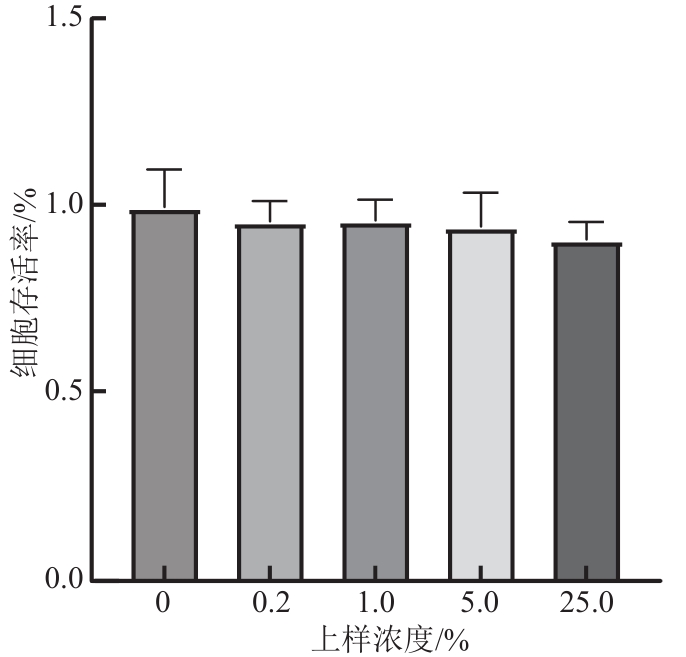
Fig. 2 The effect of L. fermentum TH02105 concentration on the activity of STC-1 cells (n=6)
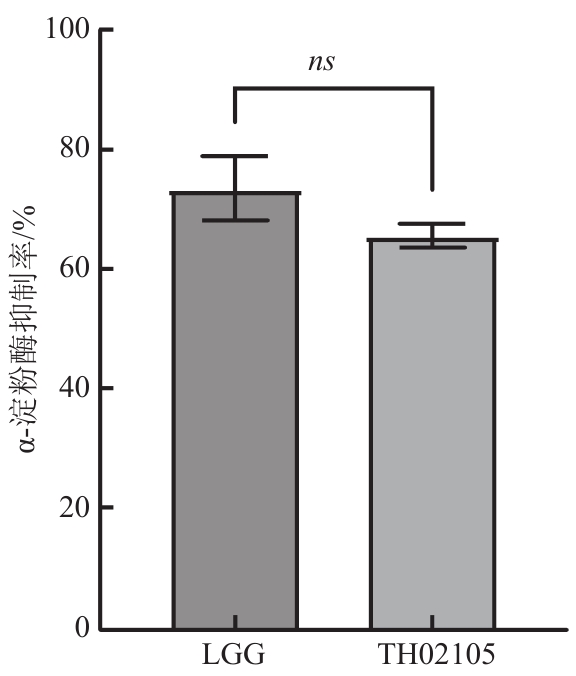
Fig. 3 The inhibition rate of L. fermentum TH02105 on α-amylase (n=3)
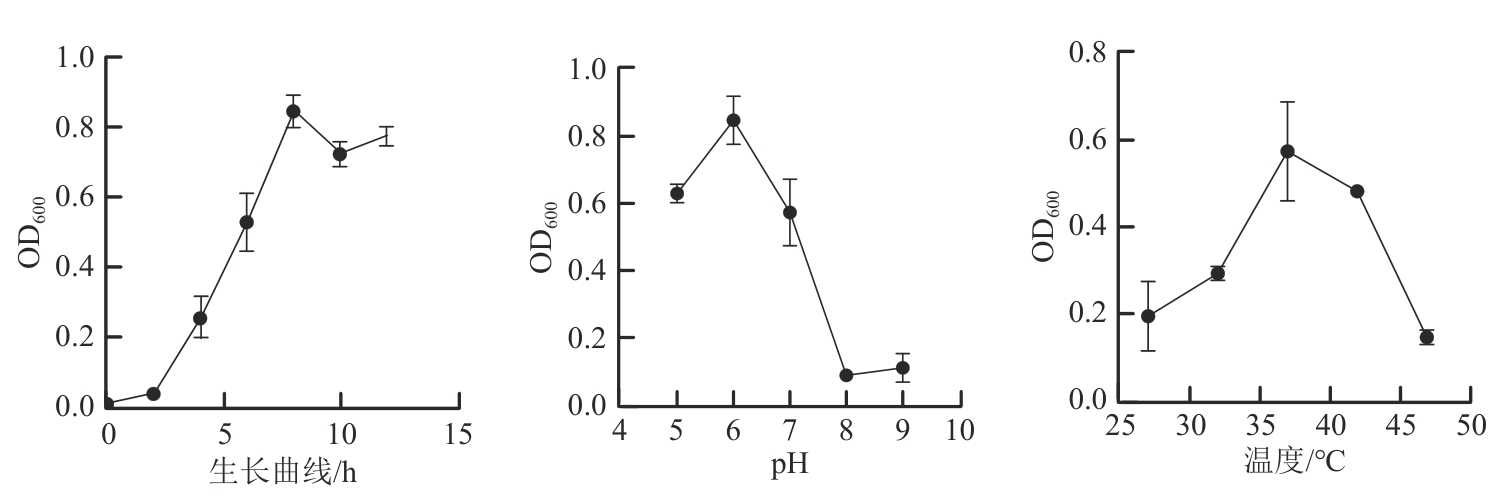
Fig. 4 Determination of growth curve, optimal pH and optimal temperature of L. fermentum TH02105
| 抗生素/每片药物含量 | 抑菌圈直径评判标准/mm | 抑菌圈直径/mm | 敏感性 |
|---|---|---|---|
| 大观霉素/100 μg | R≤14, 15I17, S≥18 | 14.45±0.47 | R |
| 多黏菌素B/30 μg | R≤8, 9I11, S≥12 | 16.85±0.15 | S |
| 呋喃妥因/300 μg | R≤14, 15I16, S≥17 | 15.8±1.82 | I |
| 环丙沙星/5 μg | R≤15, 16I20, S≥21 | 23.9±0.76 | S |
| 氯霉素/30 μg | R≤12, 13I17, S≥18 | 20.35±0.45 | S |
| 米诺环素/30 μg | R≤14, 15I18, S≥19 | 17.6±0.25 | I |
| 诺氟沙星/10 μg | R≤12, 13I16, S≥17 | 19.9±1.92 | S |
| 左氧氟沙星/5 μg | R≤13, 14I16, S≥17 | 23.4±1.42 | S |
Table 2 Antibiotic susceptibility of L. fermentum TH02105
| 抗生素/每片药物含量 | 抑菌圈直径评判标准/mm | 抑菌圈直径/mm | 敏感性 |
|---|---|---|---|
| 大观霉素/100 μg | R≤14, 15I17, S≥18 | 14.45±0.47 | R |
| 多黏菌素B/30 μg | R≤8, 9I11, S≥12 | 16.85±0.15 | S |
| 呋喃妥因/300 μg | R≤14, 15I16, S≥17 | 15.8±1.82 | I |
| 环丙沙星/5 μg | R≤15, 16I20, S≥21 | 23.9±0.76 | S |
| 氯霉素/30 μg | R≤12, 13I17, S≥18 | 20.35±0.45 | S |
| 米诺环素/30 μg | R≤14, 15I18, S≥19 | 17.6±0.25 | I |
| 诺氟沙星/10 μg | R≤12, 13I16, S≥17 | 19.9±1.92 | S |
| 左氧氟沙星/5 μg | R≤13, 14I16, S≥17 | 23.4±1.42 | S |
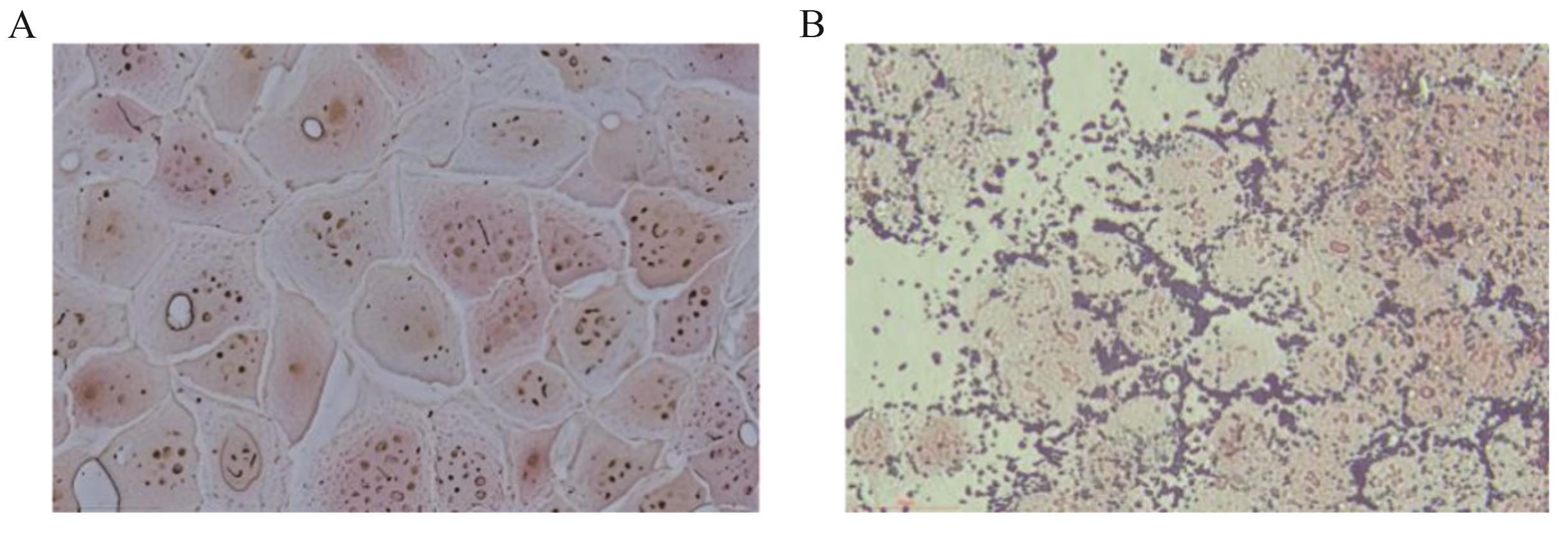
Fig. 5 Adhesion of L. fermentum TH02105 to Caco-2 cells
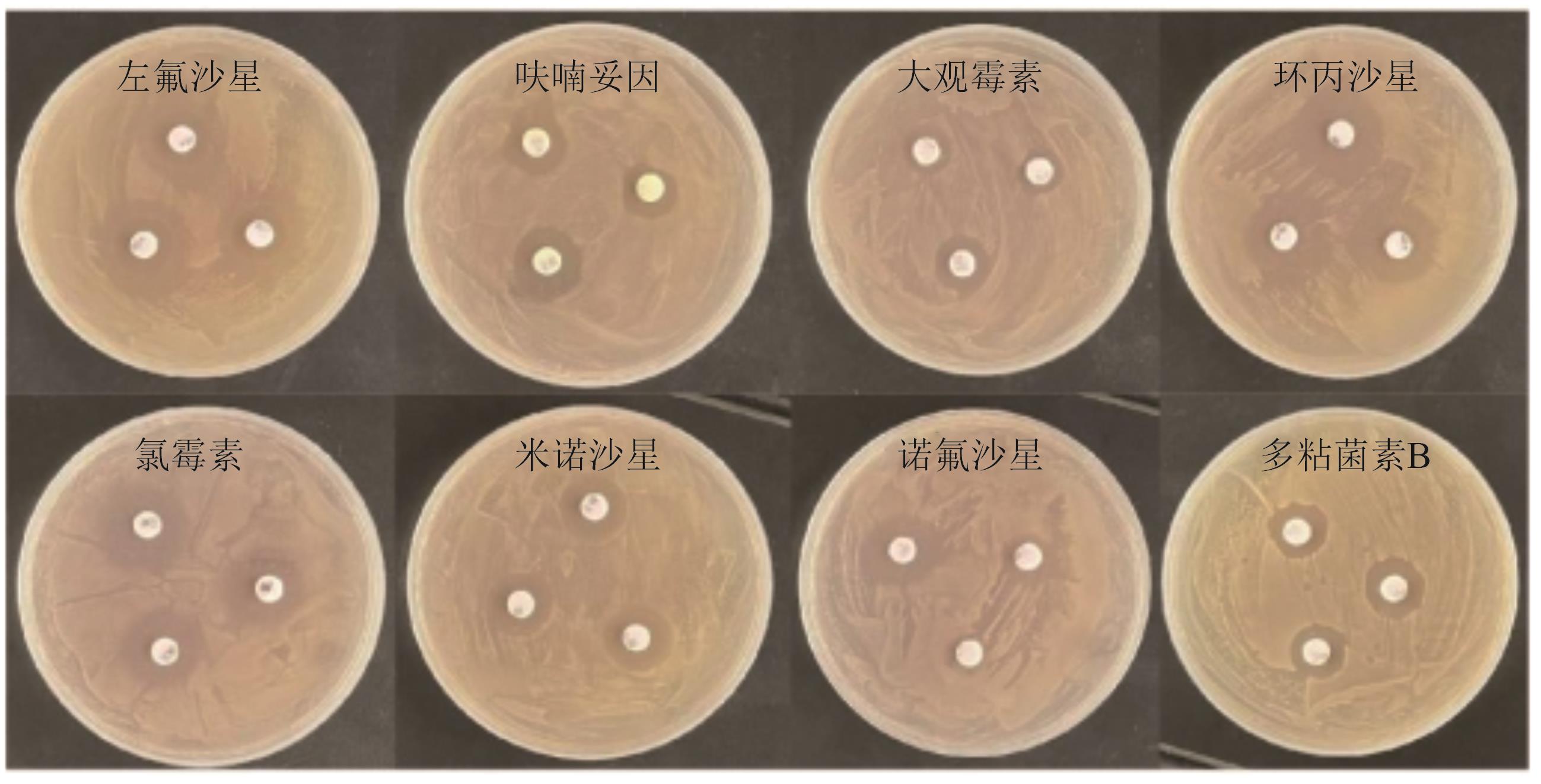
Fig. 6 Antibiotic sensitivity of L. fermentum TH02105 fermentation
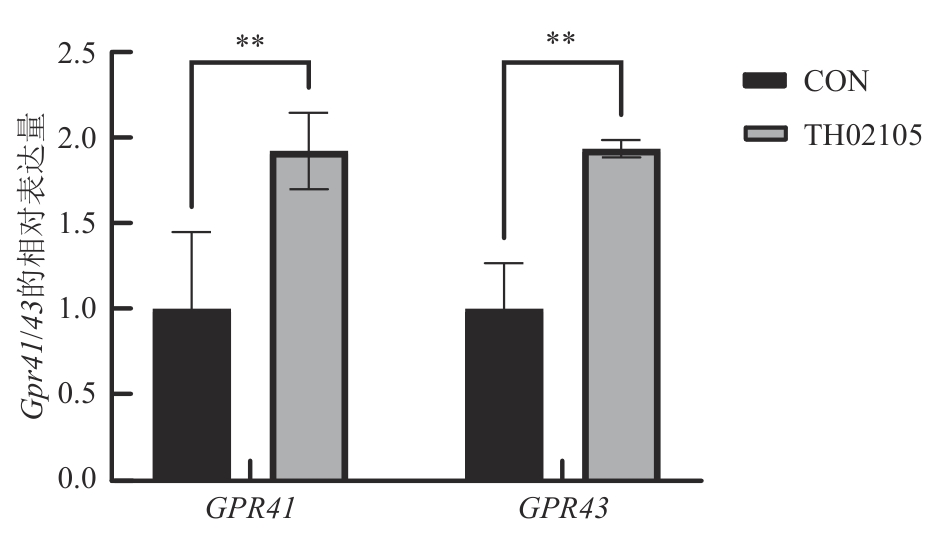
Fig. 7 Relative expression levels of Gpr41/43 in STC-1 cells (n=3)
| [1] | LIVESEY G, TAYLOR R, LIVESEY H F, et al.. Dietary glycemic index and load and the risk of type 2 diabetes: assessment of causal relations[J/OL]. Nutrients, 2019, 11(6): 1436[2026-01-20]. . |
| [2] | RUAN Z, CHEN X, SONG M, et al.. Real-world utilization and effectiveness of glucagon-like peptide-1 receptor agonists dosed weekly and daily in patients with type 2 diabetes mellitus: results from retrospective electronic medical records in China[J]. Diabetes Metab. Syndr. Obes. 2024, 17: 3657-3666. |
| [3] | 孙静,张帆.2型糖尿病患者血糖控制状态与肠道微生态、短链脂肪酸、D-乳酸、免疫细胞水平的相关分析[J].临床内科杂志,2024,41(6):408-410. |
| SUN J, ZHANG F. Correlation analysis between blood sugar control status and intestinal microecology, short-chain fatty acids, D-lactic acid and immune cell level in patients with type 2 diabetes mellitus[J]. J. Clin. Intern. Med., 2024, 41(6): 408-410. | |
| [4] | WANG T, ZHAO Z, XU Y, et al.. Insulin resistance and β-cell dysfunction in relation to cardiometabolic risk patterns[J]. J. Clin. Endocrinol. Metab., 2018, 103(6): 2207-2215. |
| [5] | KJEMS L L, HOLST J J, VØLUND A, et al.. The influence of GLP-1 on glucose-stimulated insulin secretion: effects on beta-cell sensitivity in type 2 and nondiabetic subjects[J]. Diabetes, 2003, 52(2): 380-386. |
| [6] | LYE H S, KUAN C Y, EWE J A, et al.. The improvement of hypertension by probiotics: effects on cholesterol, diabetes, renin, and phytoestrogens[J]. Int. J. Mol. Sci., 2009, 10(9): 3755-3775. |
| [7] | IATCU C O, STEEN A, COVASA M. Gut microbiota and complications of type-2 diabetes[J/OL]. Nutrients, 2022, 14(1): 166[2026-01-20]. . |
| [8] | ZENG Y, WU Y, ZHANG Q, et al.. Crosstalk between glucagon-like peptide 1 and gut microbiota in metabolic diseases[J/OL]. mBio, 2024, 15(1): 22[2026-01-20]. . |
| [9] | WANG Y, DILIDAXI D, WU Y, et al.. Composite probiotics alleviate type 2 diabetes by regulating intestinal microbiota and inducing GLP-1 secretion in db/db mice[J/OL]. Biomed. Pharmacother., 2020, 125: 109914[2026-01-20]. . |
| [10] | MIN Q, WANG Y, JIN T, et al.. Analysis of intestinal short-chain fatty acid metabolism profile after probiotics and GLP-1 treatment for type 2 diabetes mellitus[J/OL]. Front. Endocrinol.. 2022, 13: 892127[2026-01-20]. . |
| [11] | WANG X, LYU X, QI Y, et al.. Lactobacillus rhamnosus GG supernatant improves GLP-1 secretion through attenuating L cell lipotoxicity and modulating gut microbiota in obesity[J]. Probiotics Antimicrob Proteins, 2025, 18: 876-891. |
| [12] | TOLHURST G, HEFFRON H, LAM Y S, et al.. Short-chain fatty acids stimulate glucagon-like peptide-1 secretion via the G-protein-coupled receptor FFAR2[J]. Diabetes, 2012, 61(2): 364-371. |
| [13] | 蔡淑珍,梁婷婷,张菊梅,等.基于肠道微生态改善的益生菌抗糖尿病作用机制研究进展[J].微生物学报,2023,63(1):59-75. |
| CAI S Z, LIANG T T, ZHANG J M, et al.. Anti-diabetes mechanism of probiotics based on intestinal microecology[J]. Acta Microbiol. Sin., 2023, 63(1): 59-75. | |
| [14] | QI L, SHUAI T, DA J, et al.. In-vitro GLP-1 release assay using STC-1 cells[J/OL]. Bio. Protoc., 2020, 10(16): e3717[2026-01-20]. . |
| [15] | 赵蓉,李多伟,任涛,等.DNS比色法测定白芸豆中α-淀粉酶抑制剂活性的方法研究[J].中成药,2013,35(3):573-576. |
| ZHAO R, LI D W, REN T, et al.. Activity determination of Phaseolus vulgaris α-amylase inhibitor by DNS colorimetry[J]. Chin. Tradit. Pat. Med., 2013, 35(3): 573-576. | |
| [16] | 农业农村部. 转基因生物及其产品食用安全检测模拟胃液和模拟肠液中外源蛋白质消化稳定性试验方法:农业农村部公告第423号-1-2021 [S].北京:农业农村部,2021. |
| [17] | 李雪君,张国栋.高密度共生发酵和强黏附性优势菌株的筛选[J].中国微生态学杂志,2023,35(7):784-788+796. |
| LI X J, ZHANG G D. Screening of dominant strains with strong adhesion for high-density symbiotic fermentation[J]. Chin. J. Microecol., 2023, 35(7): 784-788+796. | |
| [18] | 王雪芹,林海君,鞠世影,等.两株粪肠球菌的安全性评价[J].食品工业科技,2014,35(8):166-169+175. |
| WANG X Q, LIN H J, JU S Y, et al.. Safe assessment of two Enterococcus faecalis [J]. Sci. Technol. Food Ind., 2014, 35(8): 166-169+175. | |
| [19] | DARDANO A, PENNO G, DEL PRATO S, et al.. Optimal therapy of type 2 diabetes: a controversial challenge[J]. Aging, 2014, 6(3): 187-206. |
| [20] | 刘佳,夏永军,熊智强,等.益生菌对2型糖尿病缓解作用的研究进展[J].食品工业科技,2022,43(1):466-471. |
| LIU J, XIA Y J, XIONG Z Q, et al.. Research progress of probiotics in alleviating type 2 diabetes mellitus[J]. Sci. Technol. Food Ind., 2022, 43(1): 466-471. | |
| [21] | 程之梁,张钰龙,杨涵,等.益生菌及其代谢产物调控胰高血糖素样肽-1缓解2型糖尿病的研究进展[J].食品科学,2024,45(12):292-303. |
| CHENG Z L, ZHANG Y L, YANG H, et al.. Probiotics and their metabolites alleviate type 2 diabetes mellitus by regulating glucagon-like peptide-1: a review of recent research[J]. Food Sci., 2024, 45(12): 292-303. | |
| [22] | PARK K Y, KIM B, HYUN C K. Lactobacillus rhamnosus GG improves glucose tolerance through alleviating ER stress and suppressing macrophage activation in db/db mice[J]. J. Clin. Biochem. Nutr., 2015, 56(3): 240-246. |
| [23] | SUN M, WU T, ZHANG G, et al.. Lactobacillus rhamnosus LRa05 improves lipid accumulation in mice fed with a high fat diet via regulating the intestinal microbiota, reducing glucose content and promoting liver carbohydrate metabolism[J]. Food Funct., 2020, 11(11): 9514-9525. |
| [24] | 君维安(武汉)生命科技有限公司.一种副干酪乳杆菌、其发酵液的制备方法、应用及产品:202110508277.5[P].2021-08-20. |
| [25] | HULIGERE S S, CHANDANA KUMARI V B, ALQADI T, et al.. Isolation and characterization of lactic acid bacteria with potential probiotic activity and further investigation of their activity by α-amylase and α-glucosidase inhibitions of fermented batters[J/OL]. Front. Microbiol., 2023, 13: 1042263[2026-01-20]. . |
| [26] | ADAMBERG K, KASK S, LAHT T M, et al.. The effect of temperature and pH on the growth of lactic acid bacteria: a pH-auxostat study[J]. Int. J. Food Microbiol., 2003, 85(1-2): 171-183. |
| [27] | FATHIMA S, SHANMUGASUNDARAM R, ADAMS D, et al.. Gastrointestinal microbiota and their manipulation for improved growth and performance in chickens[J/OL]. Foods, 2022, 11(10): 1401[2026-01-20]. . |
| [28] | 俞涵丽,妥彦峰,艾连中,等.乳杆菌抑菌和粘附性能的研究[J].现代食品科技,2013,29(6):1247-1251. |
| YU H L, TUO Y F, AI L Z, et al.. Antimicrobial and adhesion properties of four Lactobacillus strains[J]. Mod. Food Sci. Technol., 2013, 29(6): 1247-1251. | |
| [29] | MAHMUD H AL, WAKEMAN C A. Navigating collateral sensitivity: insights into the mechanisms and applications of antibiotic resistance trade-offs[J/OL]. Front. Microbiol., 2024, 15: 1478789[2026-01-20]. . |
| [30] | 赵越,程艳芬,郝晨阳,等.绣球菌多糖对免疫低下小鼠盲肠短链脂肪酸、G蛋白偶联受体及免疫因子的调节[J].食品科技,2022,47(4):231-238. |
| ZHAO Y, CHENG Y F, HAO C Y, et al.. Regulation of Sparassis latifolia polysaccharide on short chains fatty acids, G protein-coupled receptors and immune factors in cecum of immunocompromised mice[J]. Food Sci. Technol., 2022, 47(4): 231-238. |
| [1] | Yanhua LIU, Rui GUO, Yanyi LI, Jinli CHEN. GLP-1 Receptor Agonists: Emerging Therapeutic Strategy for Parkinson's Disease [J]. Current Biotechnology, 2025, 15(3): 404-410. |
| [2] | LIAO Min, YANG Luo, WANG Zhen, HAO Yarong*. Research Progress in the Treatment of Alzheimers Disease with Anti-diabetes Drugs [J]. Curr. Biotech., 2021, 11(3): 311-315. |
| [3] | ZHANG Kaiyi1, XIE Ning1, YE Huaqiong1,2, YANG Shulin1*. Function of Glucose Transporter in the Regulation of Blood Glucose Homeostasis [J]. Curr. Biotech., 2019, 9(1): 21-27. |
| Viewed | ||||||
|
Full text |
|
|||||
|
Abstract |
|
|||||
