

Current Biotechnology ›› 2025, Vol. 15 ›› Issue (6): 1094-1107.DOI: 10.19586/j.2095-2341.2025.0079
• Articles • Previous Articles Next Articles
Xiaoyi ZHAI( ), Zhongqi DIAO, Yi CHEN, Wenjia GUO()
Received:2025-07-08
Accepted:2025-08-18
Online:2025-11-25
Published:2026-01-04
Contact:
Wenjia GUO
CLC Number:
Xiaoyi ZHAI, Zhongqi DIAO, Yi CHEN, Wenjia GUO. Risk Modeling of Cancer-associated Fibroblasts and Associated Prognostic Features in Breast Cancer Patients Based on Single-cell RNA-seq and Bulk RNA-seq Data[J]. Current Biotechnology, 2025, 15(6): 1094-1107.
翟晓艺, 刁钟琪, 陈异, 郭文佳. 基于单细胞RNA-seq和批量RNA-seq数据构建乳腺癌患者的肿瘤相关成纤维细胞和相关预后特征的风险模型[J]. 生物技术进展, 2025, 15(6): 1094-1107.
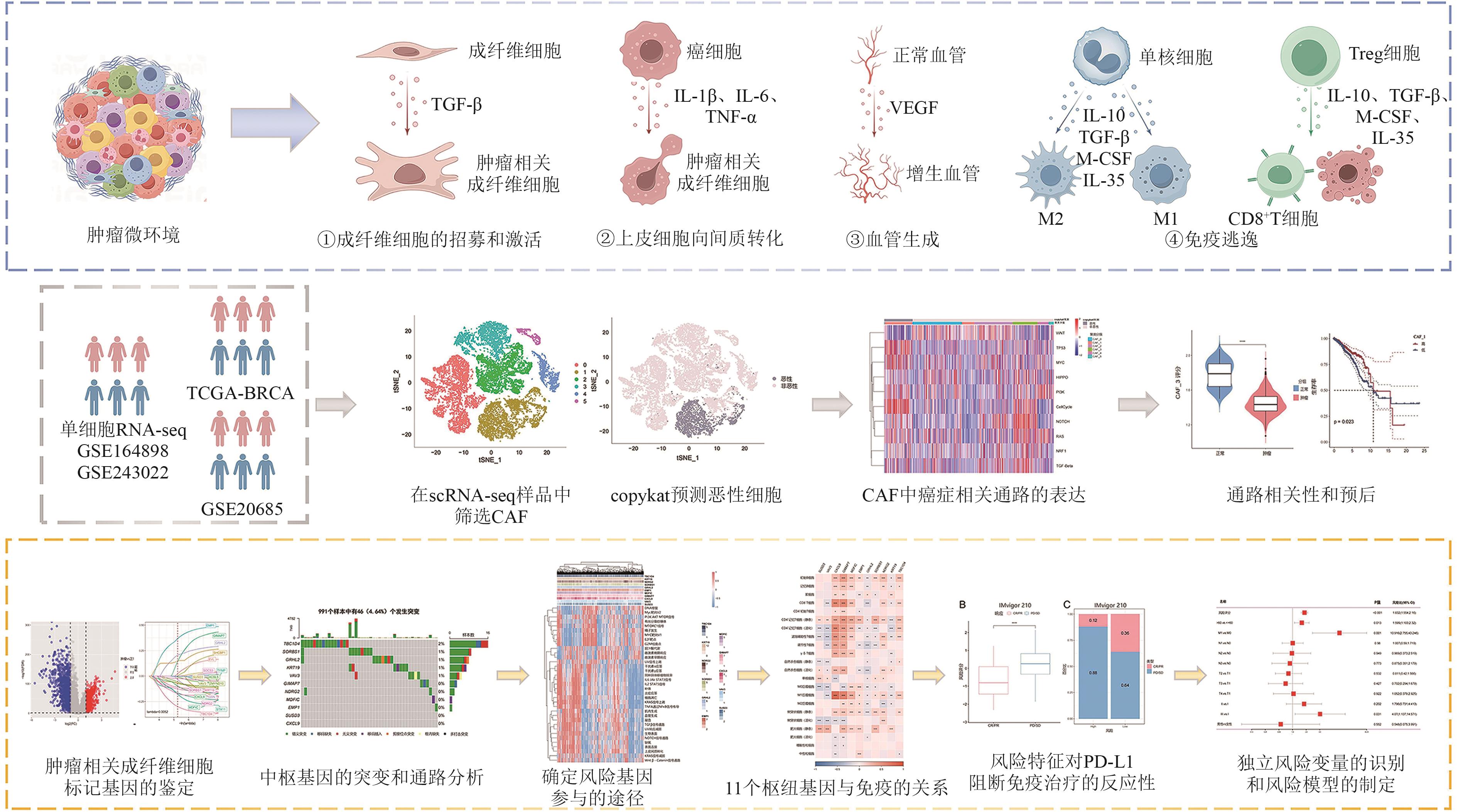
Fig. 1 The study flow chart

Fig. 2 Identification of CAF clusters based on scRNA-seq data of BRCA patients

Fig. 3 Characteristics of tumor-related pathways in CAF clusters
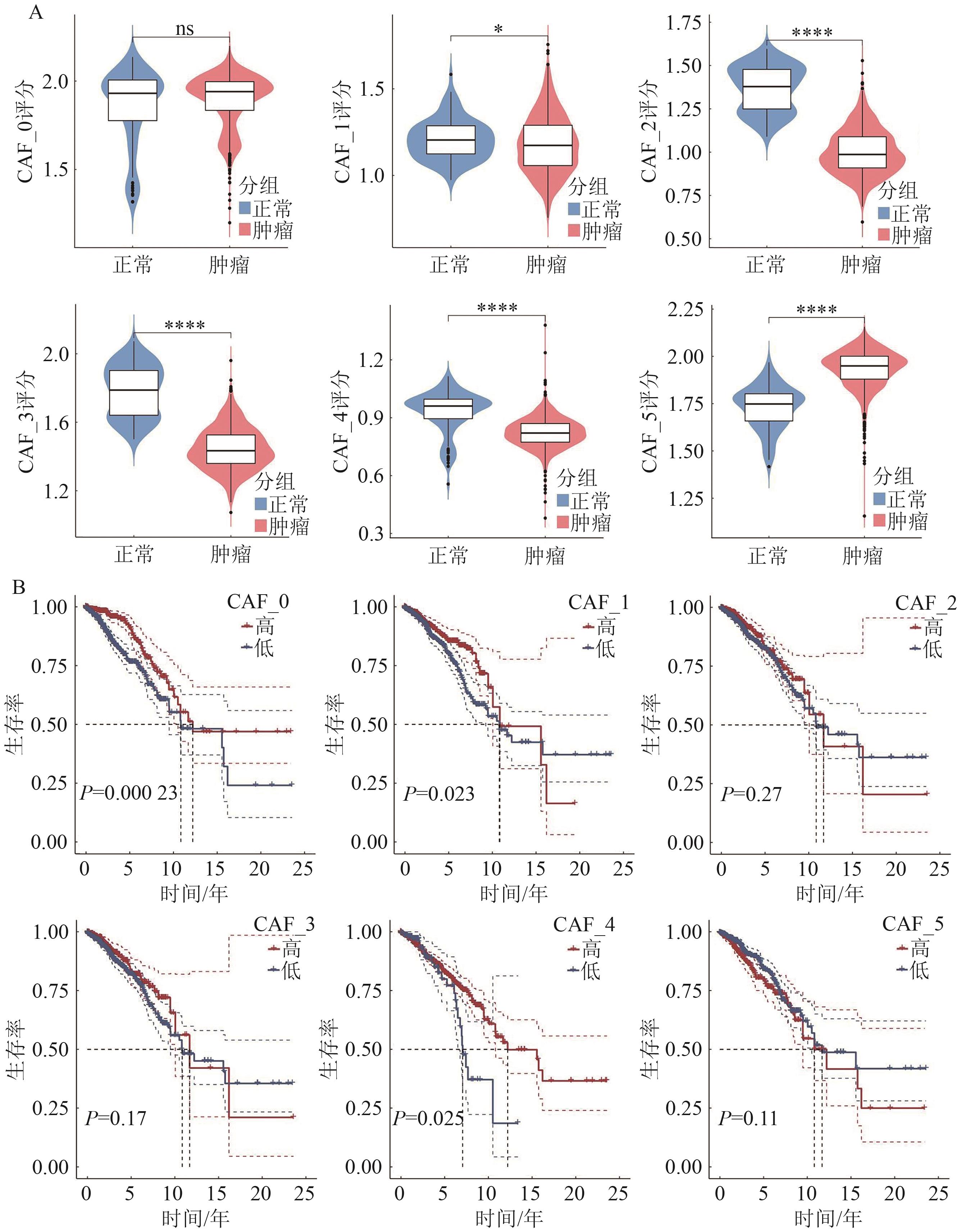
Fig. 4 The relationship between 6 CAF clusters and cancer pathway correlation and prognosis in breast cancer patients
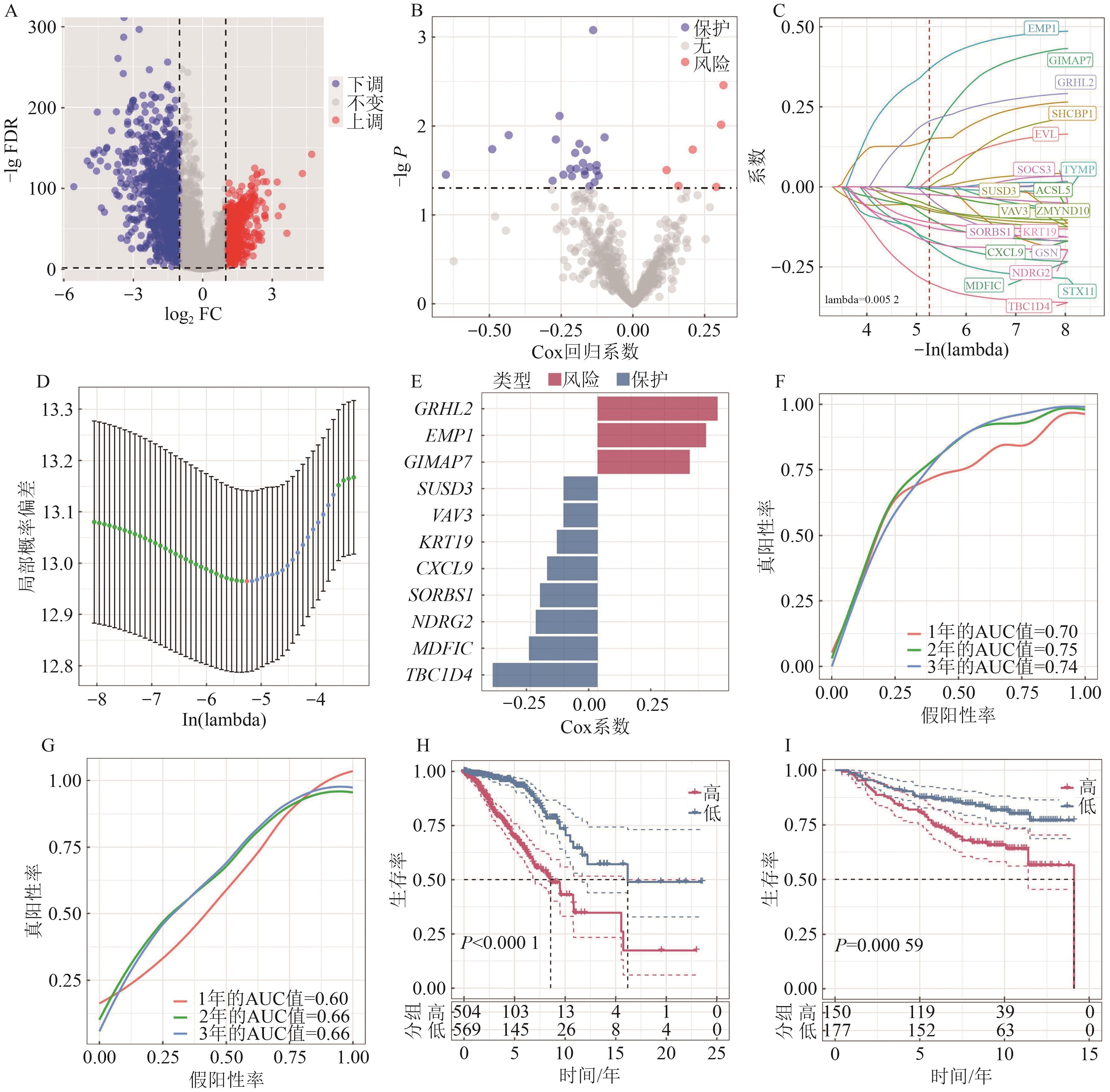
Fig. 5 Identify central predictive genes for developing risk characteristics
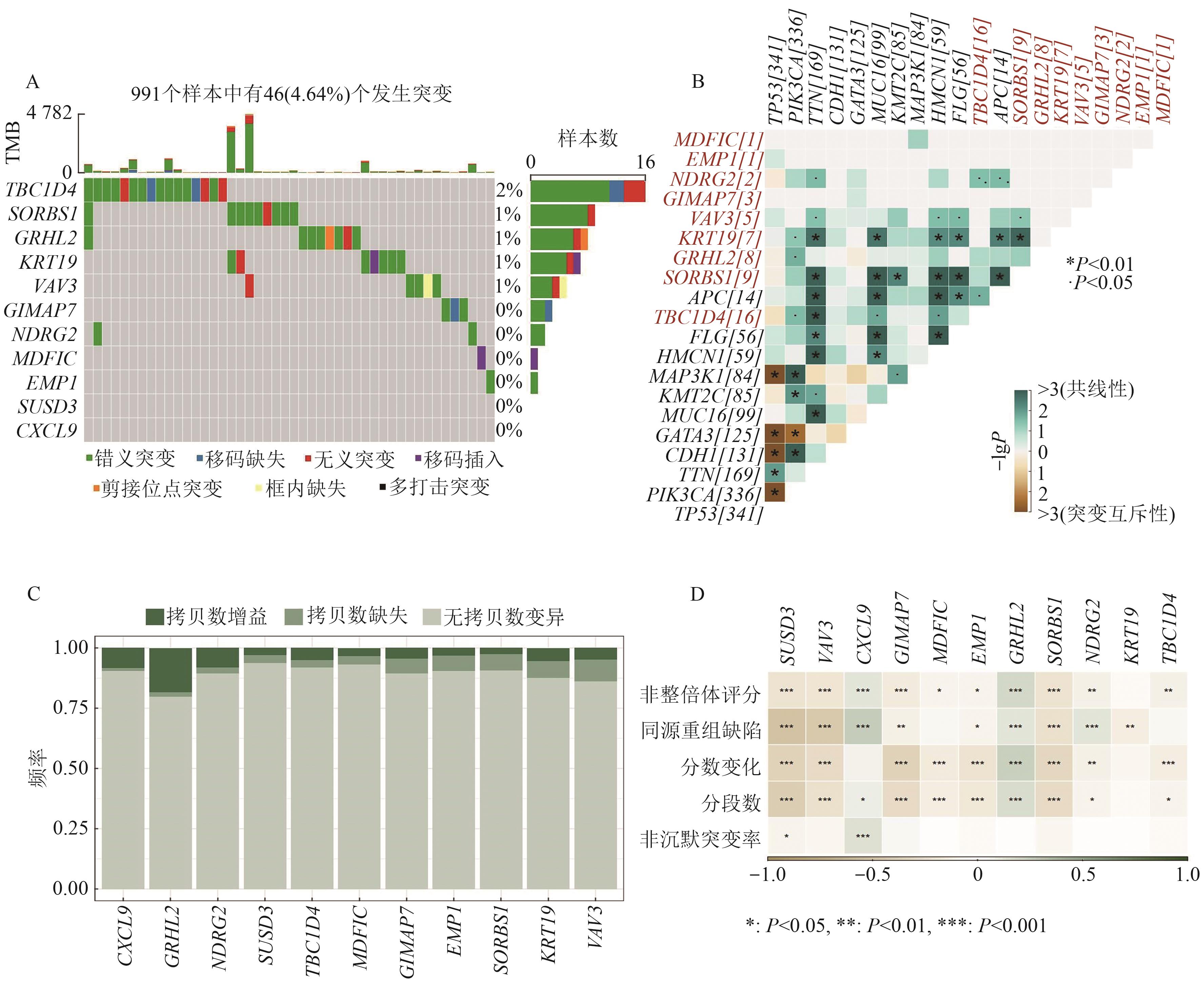
Fig. 6 Develop genes with risk characteristics and SNV mutations

Fig. 7 Identification of pathways that the risk genes involved in
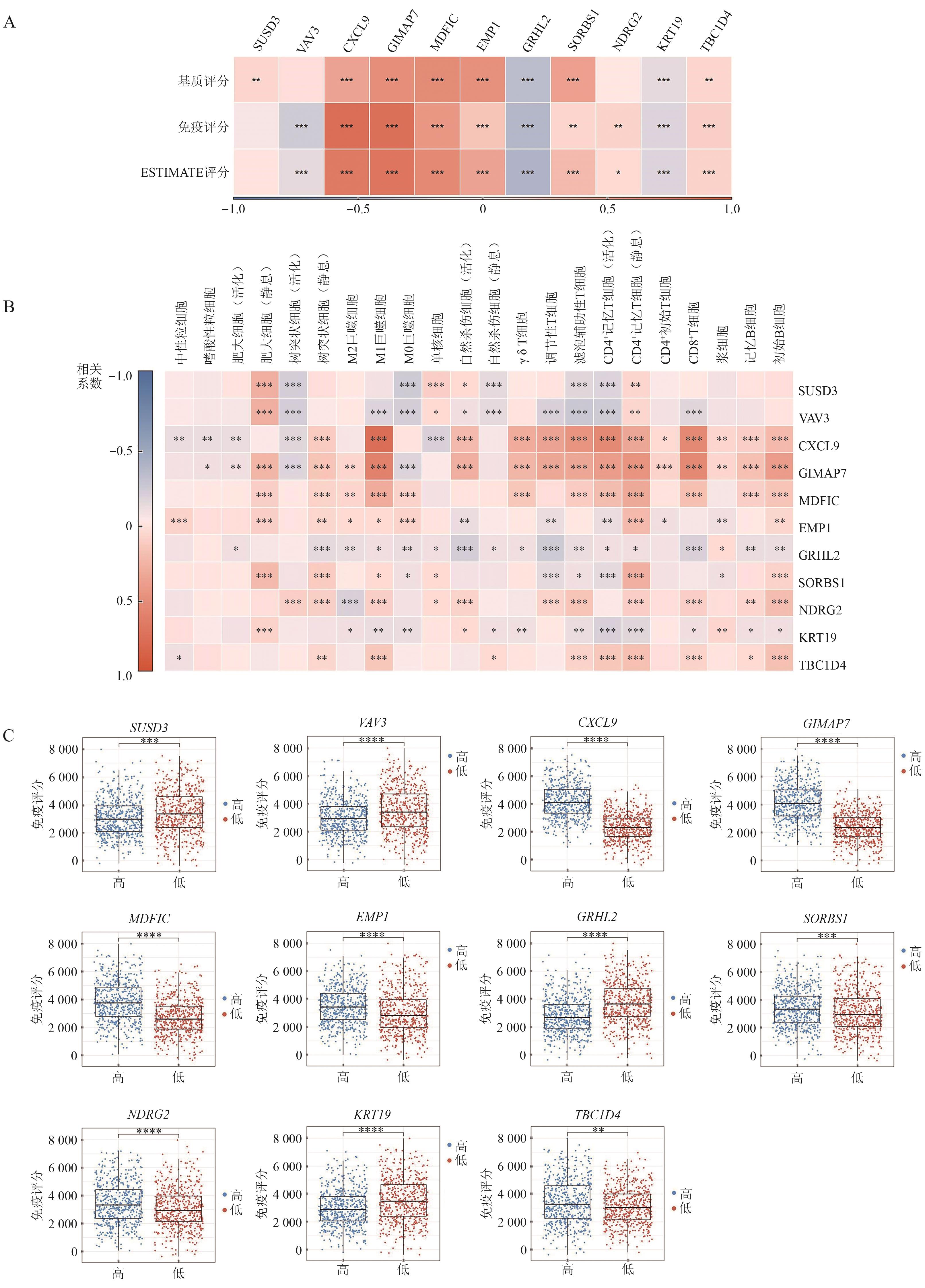
Fig. 8 Relationship between CAF and immune cells
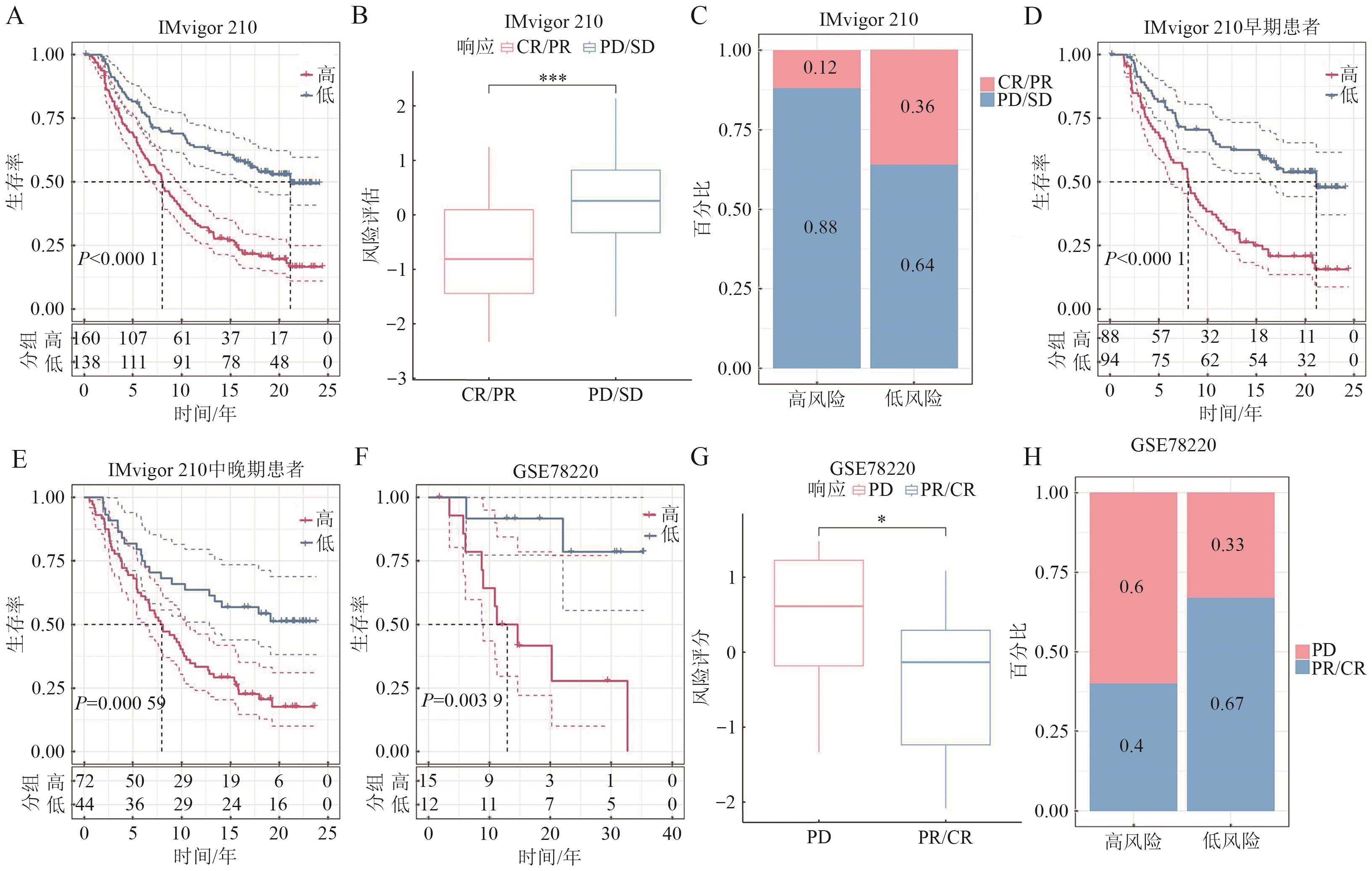
Fig. 9 The responsiveness of risk score to PD-L1 blockade immunotherapy in IMvigor210 cohort
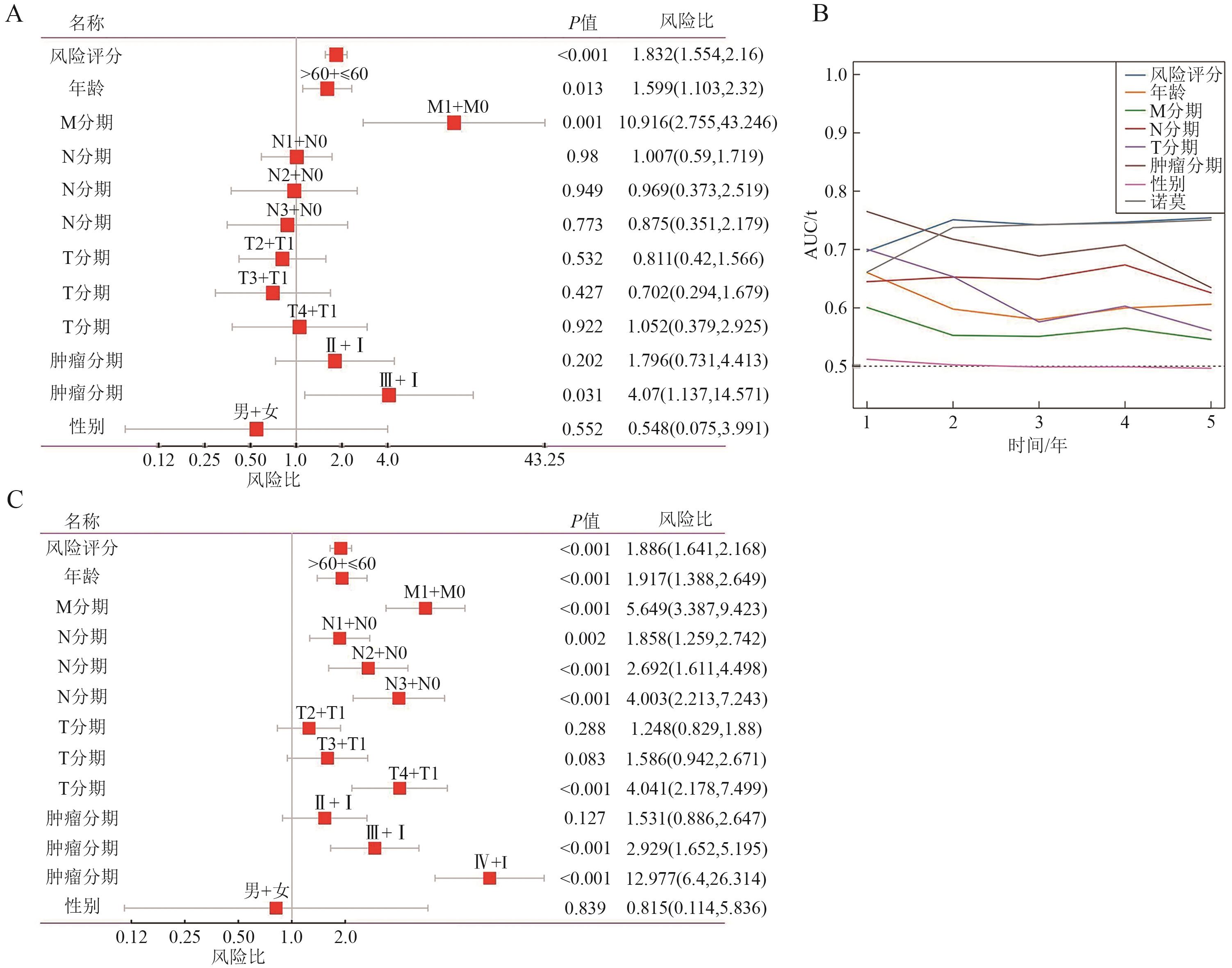
Fig. 10 The development for predicting the prognosis of BRCA
| [1] | ROHEEL A, KHAN A, ANWAR F, et al.. Global epidemiology of breast cancer based on risk factors: a systematic review[J/OL]. Front. Oncol., 2023, 13: 1240098[2025-09-11]. . |
| [2] | BRAY F, LAVERSANNE M, SUNG H, et al.. Global cancer statistics 2022: GLOBOCAN estimates of incidence and mortality worldwide for 36 cancers in 185 countries[J]. CA Cancer J. Clin., 2024, 74(3): 229-263. |
| [3] | HARRIS M A, SAVAS P, VIRASSAMY B, et al.. Towards targeting the breast cancer immune microenvironment[J]. Nat. Rev. Cancer, 2024, 24(8): 554-577. |
| [4] | RØNNOV-JESSEN L, PETERSEN O W, BISSELL M J. Cellular changes involved in conversion of normal to malignant breast: importance of the stromal reaction[J]. Physiol. Rev., 1996, 76(1): 69-125. |
| [5] | YAMAMOTO Y, KASASHIMA H, FUKUI Y, et al.. The heterogeneity of cancer-associated fibroblast subpopulations: their origins, biomarkers, and roles in the tumor microenvironment[J]. Cancer Sci., 2023, 114(1): 16-24. |
| [6] | MAO X, XU J, WANG W, et al.. Crosstalk between cancer-associated fibroblasts and immune cells in the tumor microenvironment: new findings and future perspectives[J/OL]. Mol. Cancer, 2021, 20(1): 131[2025-09-11]. . |
| [7] | JOSHI R S, KANUGULA S S, SUDHIR S, et al.. The role of cancer-associated fibroblasts in tumor progression[J/OL]. Cancers, 2021, 13(6): 1399[2025-09-11]. . |
| [8] | LI Z, SUN C, QIN Z. Metabolic reprogramming of cancer-associated fibroblasts and its effect on cancer cell reprogramming[J]. Theranostics, 2021, 11(17): 8322-8336. |
| [9] | LIU X, WANG C, MAO H, et al.. Crosstalk between cancer-associated fibroblasts and inflammation in tumor microenvironment: a novel perspective in cancer therapy (review)[J/OL]. Oncol. Rep., 2025, 54(2): 93[2025-09-11]. . |
| [10] | BUTLER A, HOFFMAN P, SMIBERT P, et al.. Integrating single-cell transcriptomic data across different conditions, technologies, and species[J]. Nat. Biotechnol., 2018, 36(5): 411-420. |
| [11] | SANCHEZ-VEGA F, MINA M, ARMENIA J, et al.. Oncogenic signaling pathways in the cancer genome atlas[J]. Cell, 2018, 173(2): 321-337. |
| [12] | YU G, WANG L G, HAN Y, et al.. ClusterProfiler: an R package for comparing biological themes among gene clusters[J]. OMICS, 2012, 16(5): 284-287. |
| [13] | GAO R, BAI S, HENDERSON Y C, et al.. Delineating copy number and clonal substructure in human tumors from single-cell transcriptomes[J]. Nat. Biotechnol., 2021, 39(5): 599-608. |
| [14] | RITCHIE M E, PHIPSON B, WU D, et al.. Limma powers differential expression analyses for RNA-sequencing and microarray studies[J/OL]. Nucleic Acids Res., 2015, 43(7): e47[2025-09-11]. . |
| [15] | CHEN B, KHODADOUST M S, LIU C L, et al.. Profiling tumor infiltrating immune cells with CIBERSORT[J]. Methods Mol. Biol., 2018, 1711: 243-259. |
| [16] | CHENG P S W, ZACCARIA M, BIFFI G. Functional heterogeneity of fibroblasts in primary tumors and metastases[J]. Trends Cancer, 2025, 11(2): 135-153. |
| [17] | MA C, YANG C, PENG A, et al.. Pan-cancer spatially resolved single-cell analysis reveals the crosstalk between cancer-associated fibroblasts and tumor microenvironment[J/OL]. Mol. Cancer, 2023, 22(1): 170[2025-09-11]. . |
| [18] | NIU N, SHEN X, WANG Z, et al.. Tumor cell-intrinsic epigenetic dysregulation shapes cancer-associated fibroblasts heterogeneity to metabolically support pancreatic cancer[J]. Cancer Cell, 2024, 42(5): 869-884. |
| [19] | PARTE S, KAUR A B, NIMMAKAYALA R K, et al.. Cancer-associated fibroblast induces acinar-to-ductal cell transdifferentiation and pancreatic cancer initiation via LAMA5/ITGA4 axis[J]. Gastroenterology, 2024, 166(5): 842-858. |
| [20] | CARAMELO B, ZAGORAC S, CORRAL S, et al.. Cancer-associated fibroblasts in bladder cancer: origin, biology, and therapeutic opportunities[J]. Eur. Urol. Oncol., 2023, 6(4): 366-375. |
| [21] | WANG S, FAN G, LI L, et al.. Integrative analyses of bulk and single-cell RNA-seq identified cancer-associated fibroblasts-related signature as a prognostic factor for immunotherapy in NSCLC[J]. Cancer Immunol. Immun., 2023, 72(7): 2423-2442. |
| [22] | JING S Y, LIU D, FENG N, et al.. Spatial multiomics reveals a subpopulation of fibroblasts associated with cancer stemness in human hepatocellular carcinoma[J/OL]. Genome Med., 2024, 16(1): 98[2025-09-11]. . |
| [23] | WANG Z, COBAN B, WU H, et al.. GRHL2-controlled gene expression networks in luminal breast cancer[J/OL]. Cell Commun. Signal., 2023, 21(1): 15[2025-09-11]. . |
| [24] | WANG Q, LI D, MA H, et al.. Tumor cell-derived EMP1 is essential for cancer-associated fibroblast infiltration in tumor microenvironment of triple-negative breast cancer[J/OL]. Cell Death Dis., 2025, 16(1): 143[2025-09-11]. . |
| [25] | CHEN C, GUO Q, LIU Y, et al.. Single-cell and spatial transcriptomics reveal POSTN(+) cancer-associated fibroblasts correlated with immune suppression and tumour progression in non-small cell lung cancer[J/OL]. Clin. Transl. Med., 2023, 13(12): e1515[2025-09-11]. . |
| [26] | ZHU X, ZHANG L, YU X, et al.. Elucidating the tumor microenvironment interactions in breast, cervical, and ovarian cancer through single-cell RNA sequencing[J/OL]. Sci. Rep., 2025, 15(1): 17846[2025-09-11]. . |
| [27] | LIN S C, LIAO Y C, CHEN P M, et al.. Periostin promotes ovarian cancer metastasis by enhancing M2 macrophages and cancer-associated fibroblasts via integrin-mediated NF-κB and TGF-β2 signaling[J/OL]. J. Biomed. Sci., 2022, 29(1): 109[2025-09-11]. . |
| [28] | 边裕钦,董柯然,卢俊孜,等.乳腺癌靶向及免疫治疗的临床进展[J].生物技术进展,2025,15(2):234-240. |
| BIAN Y Q, DONG K R, LU J Z, et al.. Clinical progress in targeted therapy and immunotherapy in breast cancer[J]. Curr. Biotechnol., 2025, 15(2): 234-240. | |
| [29] | XIONG X, ZHENG L W, DING Y, et al.. Breast cancer: pathogenesis and treatments[J/OL]. Signal Transduct. Target. Ther., 2025, 10(1): 49[2025-09-11]. . |
| [1] | Jinxiang ZHANG, Xiaodan CAO, Wenlei LI, Junjun DAI, Yan YU, Hanmei XU. Study on Optimizing Antibody Screening Strategy by Using pH Characteristics of Tumor Microenvironment [J]. Current Biotechnology, 2026, 16(1): 170-177. |
| [2] | Xiaolin LIU, Qihui WANG. The Relationship Between the Expression Level of Ferroptosis-related Gene NCOA4 and Prognosis and Therapeutic Efficacy in Colon Cancer [J]. Current Biotechnology, 2026, 16(1): 178-189. |
| [3] | Haiyue ZHANG, Wenjie GUO, Xiaoyi ZHAI, Lili SUN, Zhongqi DIAO, Wenjia GUO. Transcriptional Group Analysis Identifies Lactylation-related Genes in Triple-negative Breast Cancer and Establishes a Prognostic Model [J]. Current Biotechnology, 2026, 16(1): 196-204. |
| [4] | Zhongqi DIAO, Xiaoyi ZHAI, Yi CHEN, Wenjia GUO. Exploratory Multi-cohort Integrative Analysis of B-cell Activation States in Triple-negative Breast Cancer [J]. Current Biotechnology, 2025, 15(6): 1108-1119. |
| [5] | Xiaoyi ZHAI, Haiyue ZHANG, Wenjia GUO, Xiaogang DONG. Research Progress of Cancer-associated Fibroblasts in Breast Cancer [J]. Current Biotechnology, 2025, 15(4): 636-644. |
| [6] | Xiaoya LIU, Shuomin ZHANG, Peng ZHENG, Rui MA, Chaojun ZHANG. Role and Mechanisms of DBNDD1 in Colorectal Cancer Development [J]. Current Biotechnology, 2025, 15(4): 726-734. |
| [7] | Ziyi ZHANG-HUANG, Lisha HUANG, Yanqi LI, Chenlu XIONG, Ying YU, Fei XIE. Construction of a Breast Cancer Prognostic Model Based on Nicotine Metabolism Gene Signatures [J]. Current Biotechnology, 2025, 15(4): 735-742. |
| [8] | Yuqin BIAN, Keran DONG, Junzi LU, Enming ZHONG, Wanying GU, Jingshu ZHAO, Hongshu SUI. Clinical Progress in Targeted Therapy and Immunotherapy in Breast Cancer [J]. Current Biotechnology, 2025, 15(2): 234-240. |
| [9] | Xinxiong LI, Weixuan HONG, Tianshun FENG, Junwei FANG, Hu ZHAO, Chunhong XIAO, Meiping WANG. Pancreatic Cancer Risk Stratification and Prognostic Prediction Model Based on Aging-related Gene Characteristics [J]. Current Biotechnology, 2025, 15(1): 158-169. |
| [10] | Yeerkenbieke BUERLAN, Lili SUN, Yuemaierabola ANWAIER, Wenjia GUO. Comprehensive Analysis of POSTN in ER+ Breast Cancer——Based on Single-cell RNA and Bulk RNA-seq Sequencing [J]. Current Biotechnology, 2024, 14(6): 1055-1066. |
| [11] | Yan ZENG, Hengcheng ZHU, Kang YANG. The Mechanism of DNASE1L3 in Renal Cell Carcinoma [J]. Current Biotechnology, 2024, 14(3): 486-491. |
| [12] | Yeerkenbieke BUERLAN, Wenjia GUO, Xiaogang DONG. Advances on the Function of POSTN in Tumor Microenvironment [J]. Current Biotechnology, 2024, 14(2): 205-210. |
| [13] | Lili SUN, Yuemaierabola ANWAIER, Fuzhong LIU, Yeerkenbieke BUERLAN, Ye DILINAER, Wenjia GUO. Construction of Prognostic Prediction Model of Breast Cancer Based on Tumor-associated Fibroblast Genes and Analysis of Immune Infiltration [J]. Current Biotechnology, 2024, 14(2): 312-322. |
| [14] | Yuemaierabola ANWAIER, Yeerkenbieke BUERLAN, Lili SUN, Fuzhong LIU, Yeerxiati DILINAER, Wenjia GUO. Prognosis Prediction Model and Drug Sensitivity Analysis of Triple-negative Breast Cancer Based on m5C Related Genes [J]. Current Biotechnology, 2024, 14(1): 149-159. |
| [15] | Yonghong ZHANG, Yanyi LI, Ronglin LIU, Na LYU, Weiting ZHANG. Application of IgY in the Field Antiviral Medical [J]. Current Biotechnology, 2024, 14(1): 35-41. |
| Viewed | ||||||
|
Full text |
|
|||||
|
Abstract |
|
|||||
