

Current Biotechnology ›› 2026, Vol. 16 ›› Issue (1): 178-189.DOI: 10.19586/j.2095-2341.2025.0038
• Articles • Previous Articles Next Articles
Xiaolin LIU( ), Qihui WANG()
Received:2025-03-20
Accepted:2025-10-11
Online:2026-01-25
Published:2026-02-12
Contact:
Qihui WANG
CLC Number:
Xiaolin LIU, Qihui WANG. The Relationship Between the Expression Level of Ferroptosis-related Gene NCOA4 and Prognosis and Therapeutic Efficacy in Colon Cancer[J]. Current Biotechnology, 2026, 16(1): 178-189.
刘晓霖, 王琪慧. 铁死亡基因NCOA4的表达水平与结肠癌预后和疗效的关系研究[J]. 生物技术进展, 2026, 16(1): 178-189.
| 特征 | 分类标准 | NCOA4低表达组 | NCOA4高表达组 | P值 |
|---|---|---|---|---|
| 样本数量 | n | 239 | 239 | |
| 性别,n(%) | 女 | 120(25.1%) | 106(22.2%) | 0.234‡ |
| 男 | 119(24.9%) | 133(27.8%) | ||
| 年龄,n(%) | ≤65 | 98(20.5%) | 96(20.1%) | 0.926‡ |
| >65 | 141(29.5%) | 143(29.9%) | ||
| 种族,n(%) | 亚洲人 | 5(1.6%) | 6(2.0%) | 0.68▷ |
| 黑人或非裔美国人 | 37(12.1%) | 26(8.5%) | ||
| 白种人 | 127(41.5%) | 105(34.3%) | ||
| 病理分期,n(%) | Ⅰ期 | 39(8.4%) | 42(9.0%) | 0.162‡ |
| Ⅱ期 | 84(18.0%) | 103(22.1%) | ||
| Ⅲ期 | 72(15.4%) | 61(13.1%) | ||
| Ⅳ期 | 39(8.4%) | 27(5.8%) | ||
| T期,n(%) | T1期 | 5(1.0%) | 6(1.3%) | 0.946‡ |
| T2期 | 41(8.6%) | 42(8.8%) | ||
| T3期 | 161(33.8%) | 162(34.0%) | ||
| T4期 | 32(6.7%) | 28(5.9%) | ||
| N期,n(%) | N0期 | 133(27.8%) | 151(31.6%) | 0.169‡ |
| N1期 | 62(13.0%) | 46(9.6%) | ||
| N2期 | 44(9.2%) | 42(8.8%) | ||
| M期e,n(%) | M0期 | 163(39.3%) | 186(44.8%) | 0.087‡ |
| M1期 | 39(9.4%) | 27(6.5%) | ||
| 年龄,中位数(IQR) | 69(58,76.5) | 69(59,78) | 0.553§ |
Table 1 Relationship between NCOA4 expression and clinical characteristics of patients
| 特征 | 分类标准 | NCOA4低表达组 | NCOA4高表达组 | P值 |
|---|---|---|---|---|
| 样本数量 | n | 239 | 239 | |
| 性别,n(%) | 女 | 120(25.1%) | 106(22.2%) | 0.234‡ |
| 男 | 119(24.9%) | 133(27.8%) | ||
| 年龄,n(%) | ≤65 | 98(20.5%) | 96(20.1%) | 0.926‡ |
| >65 | 141(29.5%) | 143(29.9%) | ||
| 种族,n(%) | 亚洲人 | 5(1.6%) | 6(2.0%) | 0.68▷ |
| 黑人或非裔美国人 | 37(12.1%) | 26(8.5%) | ||
| 白种人 | 127(41.5%) | 105(34.3%) | ||
| 病理分期,n(%) | Ⅰ期 | 39(8.4%) | 42(9.0%) | 0.162‡ |
| Ⅱ期 | 84(18.0%) | 103(22.1%) | ||
| Ⅲ期 | 72(15.4%) | 61(13.1%) | ||
| Ⅳ期 | 39(8.4%) | 27(5.8%) | ||
| T期,n(%) | T1期 | 5(1.0%) | 6(1.3%) | 0.946‡ |
| T2期 | 41(8.6%) | 42(8.8%) | ||
| T3期 | 161(33.8%) | 162(34.0%) | ||
| T4期 | 32(6.7%) | 28(5.9%) | ||
| N期,n(%) | N0期 | 133(27.8%) | 151(31.6%) | 0.169‡ |
| N1期 | 62(13.0%) | 46(9.6%) | ||
| N2期 | 44(9.2%) | 42(8.8%) | ||
| M期e,n(%) | M0期 | 163(39.3%) | 186(44.8%) | 0.087‡ |
| M1期 | 39(9.4%) | 27(6.5%) | ||
| 年龄,中位数(IQR) | 69(58,76.5) | 69(59,78) | 0.553§ |

Fig. 1 Expression analysis of NCOA4 in colorectal cancer

Fig. 2 Prognostic value of NCOA4 in colorectal cancer

Fig. 3 Co-expression gene and differentially expression genes analysis of NCOA4

Fig. 4 Analysis of NCOA4 expression and immune infiltration
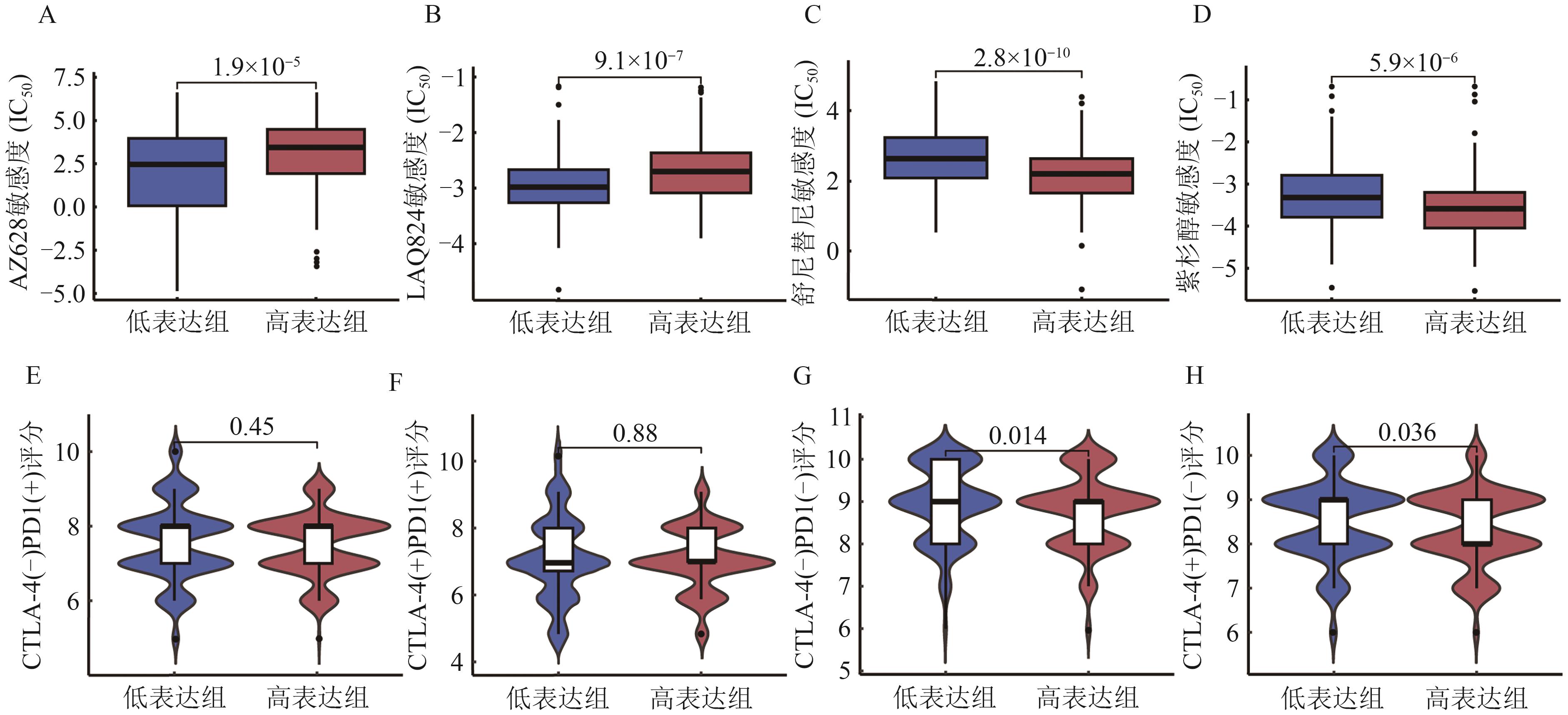
Fig. 5 Drug sensitivity analysis of chemotherapy drugs in high and low NCOA4 expression groups
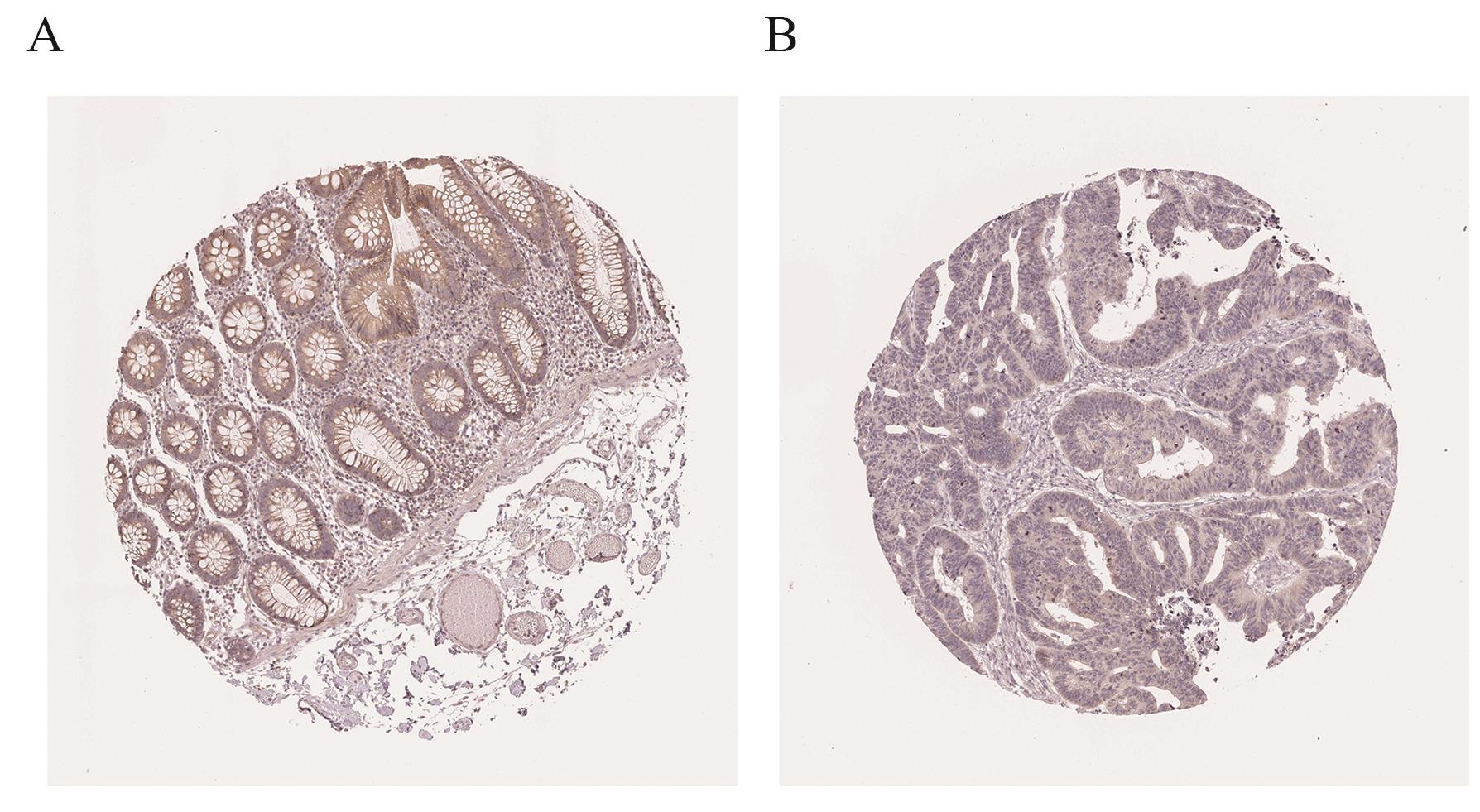
Fig. 6 Expression of NCOA4 protein in human proteome map (HPA) in normal colon tissue and colon tissue of colorectal cancer patients
| [1] | PATEL S G, DOMINITZ J A. Screening for colorectal cancer[J]. Ann. Intern. Med., 2024, 177(4): 49-64. |
| [2] | CERVANTES A, ADAM R, ROSELLÓ S, et al. Metastatic colorectal cancer: ESMO Clinical Practice Guideline for diagnosis, treatment and follow-up[J]. Ann. Oncol., 2023, 34(1): 10-32. |
| [3] | 杨梦恬,袁菊懋. RTN4对于结肠癌细胞增殖的调控作用[J]. 生物技术进展,2021,02(11):238-243. |
| YANG M T, YUAN J M. The regulation effect of RTN4 on colon cancer cell proliferation[J]. Curr. Biotechnol., 2021, 11(2): 238-243. | |
| [4] | GUPTA S, MAY F P, KUPFER S S, et al.. Birth cohort colorectal cancer (CRC): implications for research and practice[J]. Clin. Gastroenterol. Hepatol., 2024, 22(3): 455-469. |
| [5] | PHIPPS O, BROOKES M J, AL-HASSI H O. Iron deficiency, immunology, and colorectal cancer[J]. Nutr. Rev., 2021, 79(1): 88-97. |
| [6] | LI H, YU K, HU H, et al.. METTL17 coordinates ferroptosis and tumorigenesis by regulating mitochondrial translation in colorectal cancer[J/OL]. Redox Biol., 2024, 71: 103087[2025-10-15]. . |
| [7] | JIN Y, QIU J, LU X, et al.. C-MYC inhibited ferroptosis and promoted immune evasion in ovarian cancer cells through NCOA4 mediated ferritin autophagy[J/OL]. Cells, 2022, 11(24): 4127[2025-10-15]. . |
| [8] | TAN J, LIAO S, YUAN B, et al.. Targeting SMYD2 promotes ferroptosis and impacts the progression of pancreatic cancer through the c-Myc/NCOA4 axis-mediated ferritinophagy[J/OL]. Biochim. Biophys. Acta (BBA) Gen. Subj., 2024, 1868(10): 130683[2025-10-15]. . |
| [9] | HUANG G, CAI Y, REN M, et al.. Salidroside sensitizes Triple-negative breast cancer to ferroptosis by SCD1-mediated lipogenesis and NCOA4-mediated ferritinophagy[J]. J. Adv. Res., 2025, 74: 589-607. |
| [10] | ZHAO L, MIAO H, QUAN M, et al. β-Lapachone induces ferroptosis of colorectal cancer cells via NCOA4-mediated ferritinophagy by activating JNK pathway[J/OL]. Chem. Biol. Interact., 2024, 389: 110866[2025-10-15]. . |
| [11] | SHEN Z, ZHAO L, YOO S A, et al. Emodin induces ferroptosis in colorectal cancer through NCOA4-mediated ferritinophagy and NF-κb pathway inactivation[J]. Apoptosis, 2024, 29(9): 1810-1823. |
| [12] | LI J, WU C, HU H, et al. Remodeling of the immune and stromal cell compartment by PD-1 blockade in mismatch repair-deficient colorectal cancer[J]. Cancer Cell, 2023, 41(6): 1152-1169. |
| [13] | STOCKWELL B R. Ferroptosis turns 10: emerging mechanisms, physiological functions, and therapeutic applications[J]. Cell, 2022, 185(14): 2401-2421. |
| [14] | 王彦容,郭元彪. 基于铁死亡相关LncRNA构建肝细胞癌预后模型的研究[J]. 生物技术进展,2023,13(3):473-481. |
| WANG Y R, GUO Y B. Construction of a prognostic signature for hepatocellular carcinoma based on ferroptosis-related LncRNAs[J]. Curr. Biotechnol., 2023, 13(3): 473-481. | |
| [15] | YANG R, GAO W, WANG Z, et al.. Polyphyllin I induced ferroptosis to suppress the progression of hepatocellular carcinoma through activation of the mitochondrial dysfunction via Nrf2/HO-1/GPX4 axis[J/OL]. Phytomedicine, 2024, 122: 155135[2025-10-15]. . |
| [16] | CHEN B, KHODADOUST M S, LIU C L, et al.. Profiling tumor infiltrating immune cells with CIBERSORT[M]// NY: Springer New York, 2018: 243-259. |
| [17] | CHAROENTONG P, FINOTELLO F, ANGELOVA M, et al.. Pan-cancer immunogenomic analyses reveal genotype-immunophenotype relationships and predictors of response to checkpoint blockade[J]. Cell Rep., 2017, 18(1): 248-262. |
| [18] | MI Y, WEI C, SUN L, et al.. Melatonin inhibits ferroptosis and delays age-related cataract by regulating SIRT6/p-Nrf2/GPX4 and SIRT6/NCOA4/FTH1 pathways[J/OL]. Biomed. Pharmacother., 2023, 157: 114048[2025-10-15]. . |
| [19] | LI W, LI W, WANG Y, et al.. Inhibition of DNMT-1 alleviates ferroptosis through NCOA4 mediated ferritinophagy during diabetes myocardial ischemia/reperfusion injury[J/OL]. Cell Death Discov., 2021, 7: 267[2025-10-15]. . |
| [20] | JIN L, YU B, WANG H, et al.. STING promotes ferroptosis through NCOA4-dependent ferritinophagy in acute kidney injury[J]. Free. Radic. Biol. Med., 2023, 208: 348-360. |
| [21] | ZHANG Y, KONG Y, MA Y, et al.. Loss of COPZ1 induces NCOA4 mediated autophagy and ferroptosis in glioblastoma cell lines[J]. Oncogene, 2021, 40(8): 1425-1439. |
| [22] | HASAN M, REDDY S M, DAS N K. Ferritinophagy is not required for colon cancer cell growth[J]. Cell Biol. Int., 2020, 44(11): 2307-2314. |
| [23] | GARCIA J A, CHEN R, XU M, et al.. Acss2/HIF-2 signaling facilitates colon cancer growth and metastasis[J/OL]. PLoS One, 2023, 18(3): e0282223[2025-10-15]. . |
| [24] | MOU Y, WU J, ZHANG Y, et al.. Low expression of ferritinophagy-related NCOA4 gene in relation to unfavorable outcome and defective immune cells infiltration in clear cell renal carcinoma[J/OL]. BMC Cancer, 2021, 21(1): 18[2025-10-15]. . |
| [25] | CONSTANTINESCU A E, BULL C J, JONES N, et al.. Circulating white blood cell traits and colorectal cancer risk: a Mendelian randomisation study[J]. Int. J. Cancer, 2024, 154(1): 94-103. |
| [26] | BLOMBERG O S, SPAGNUOLO L, GARNER H, et al.. IL-5-producing CD4+ T cells and eosinophils cooperate to enhance response to immune checkpoint blockade in breast cancer[J]. Cancer Cell, 2023, 41(1): 106-123. |
| [27] | YANG T, HU Y, MIAO J, et al.. A BRD4 PROTAC nanodrug for glioma therapy via the intervention of tumor cells proliferation, apoptosis and M2 macrophages polarization[J]. Acta Pharm. Sin. B, 2022, 12(6): 2658-2671. |
| [28] | HSU S K, LI C Y, LIN I L, et al.. Inflammation-related pyroptosis, a novel programmed cell death pathway, and its crosstalk with immune therapy in cancer treatment[J]. Theranostics, 2021, 11(18): 8813-8835. |
| [29] | ZHANG H, LIU L, LIU J, et al.. Roles of tumor-associated macrophages in anti-PD-1/PD-L1 immunotherapy for solid cancers[J/OL]. Mol. Cancer, 2023, 22(1): 58[2025-10-15]. . |
| [30] | GAO W, WANG X, ZHOU Y, et al.. Autophagy, ferroptosis, pyroptosis, and necroptosis in tumor immunotherapy[J/OL]. Signal Transduct. Target. Ther., 2022, 7: 196[2025-10-15]. . |
| [31] | GASPAR M, PRAVIN J, RODRIGUES L, et al.. CD137/OX40 bispecific antibody induces potent antitumor activity that is dependent on target coengagement[J]. Cancer Immunol. Res., 2020, 8(6): 781-793. |
| [32] | WANG Y, LIU F, DU X, et al.. Combination of anti-PD-1 and electroacupuncture induces a potent antitumor immune response in microsatellite-stable colorectal cancer[J]. Cancer Immunol. Res., 2024, 12(1): 26-35. |
| [33] | LIU Z, GE Y, WANG H, et al.. Modifying the cancer-immune set point using vaccinia virus expressing re-designed interleukin-2[J/OL]. Nat. Commun., 2018, 9: 4682[2025-10-15]. . |
| [34] | KIM S, GHIRINGHELLI F, DE LA FOUCHARDIÈRE C, et al. Atezolizumab plus modified docetaxel, cisplatin, and fluorouracil as first-line treatment for advanced anal cancer (SCARCE C17-02 PRODIGE 60): a randomised, non-comparative, phase 2 study[J]. Lancet Oncol., 2024, 25(4): 518-528. |
| [35] | WU J, LIU Q, ZHANG X, et al. The interaction between STING and NCOA4 exacerbates lethal sepsis by orchestrating ferroptosis and inflammatory responses in macrophages[J/OL]. Cell Death Dis., 2022, 13(7): 653[2025-10-15]. . |
| [1] | Xiaoyi ZHAI, Zhongqi DIAO, Yi CHEN, Wenjia GUO. Risk Modeling of Cancer-associated Fibroblasts and Associated Prognostic Features in Breast Cancer Patients Based on Single-cell RNA-seq and Bulk RNA-seq Data [J]. Current Biotechnology, 2025, 15(6): 1094-1107. |
| [2] | Yuqin BIAN, Keran DONG, Junzi LU, Enming ZHONG, Wanying GU, Jingshu ZHAO, Hongshu SUI. Clinical Progress in Targeted Therapy and Immunotherapy in Breast Cancer [J]. Current Biotechnology, 2025, 15(2): 234-240. |
| [3] | Yan ZENG, Hengcheng ZHU, Kang YANG. The Mechanism of DNASE1L3 in Renal Cell Carcinoma [J]. Current Biotechnology, 2024, 14(3): 486-491. |
| [4] | Yonghong ZHANG, Yanyi LI, Ronglin LIU, Na LYU, Weiting ZHANG. Application of IgY in the Field Antiviral Medical [J]. Current Biotechnology, 2024, 14(1): 35-41. |
| [5] | Lang GAO, Sixue YU, Chunsen YUAN, Zhiwei SHAN, Pengxiang ZHAO. Research Progress of Mucin in Tumor Immunotherapy [J]. Current Biotechnology, 2023, 13(3): 390-398. |
| [6] | Cancan PENG, Huiming WANG. Establishment of Anti-glomerular Basement Membrane Nephritis Model Suitable for Immunotherapy in Rats [J]. Current Biotechnology, 2022, 12(3): 473-478. |
| [7] | Shuxiang LI, Liping AN, Dejuan LIANG, Kaixuan WANG, Jianguo ZHAO. Research Progress on the Treatment of Prion Disease [J]. Current Biotechnology, 2022, 12(2): 229-235. |
| [8] | YANG Mengtian1, YUAN Jumao2*. The Regulation Effect of RTN4 on Colon Cancer Cell Proliferation [J]. Curr. Biotech., 2021, 11(2): 238-243. |
| [9] | XUE Wen, JIA Yu, JIANG Yifan, LI Chenxin, WANG Zhiming*. Progress on Immune Checkpoint Inhibitors in Tumor Therapy [J]. Curr. Biotech., 2019, 9(4): 341-349. |
| [10] | LIU Mengyu1, XIE Fei1, ZHANG Xin1, ZHAO Pengxiang1,2*. Review of Immunotherapy for Glioblastoma [J]. Curr. Biotech., 2019, 9(3): 223-230. |
| [11] | LI Geng, LIU Xiao-zhi, WANG Zhi-ming, GAO Jian*. Application of Bispecific Antibody Drugs [J]. Curr. Biotech., 2015, 5(6): 420-424. |
| Viewed | ||||||
|
Full text |
|
|||||
|
Abstract |
|
|||||
