

Current Biotechnology ›› 2026, Vol. 16 ›› Issue (1): 170-177.DOI: 10.19586/j.2095-2341.2025.0134
• Articles • Previous Articles Next Articles
Jinxiang ZHANG1,2( ), Xiaodan CAO2, Wenlei LI2, Junjun DAI2, Yan YU2, Hanmei XU1()
Received:2025-10-09
Accepted:2025-11-06
Online:2026-01-25
Published:2026-02-12
Contact:
Hanmei XU
CLC Number:
Jinxiang ZHANG, Xiaodan CAO, Wenlei LI, Junjun DAI, Yan YU, Hanmei XU. Study on Optimizing Antibody Screening Strategy by Using pH Characteristics of Tumor Microenvironment[J]. Current Biotechnology, 2026, 16(1): 170-177.
张进香, 曹小丹, 李文蕾, 代军军, 于妍, 徐寒梅. 利用肿瘤微环境pH特性优化抗体筛选策略研究[J]. 生物技术进展, 2026, 16(1): 170-177.
| 杂交瘤抗体编号 | 复孔1/(μg·mL-1) | 复孔2/(μg·mL-1) | 均值±SD/(μg·mL-1) |
|---|---|---|---|
| 5T4-12 | 7.69 | 6.36 | 7.03±0.94 |
| 5T4-15 | 1.17 | 0.90 | 1.04±0.19 |
| 5T4-29 | 10.01 | 9.48 | 9.75±0.37 |
| 5T4-45 | 0.47 | 0.48 | 0.48±0.01 |
TabLe 1 Antibody concentration in supernatant of 5T4 hybridoma
| 杂交瘤抗体编号 | 复孔1/(μg·mL-1) | 复孔2/(μg·mL-1) | 均值±SD/(μg·mL-1) |
|---|---|---|---|
| 5T4-12 | 7.69 | 6.36 | 7.03±0.94 |
| 5T4-15 | 1.17 | 0.90 | 1.04±0.19 |
| 5T4-29 | 10.01 | 9.48 | 9.75±0.37 |
| 5T4-45 | 0.47 | 0.48 | 0.48±0.01 |
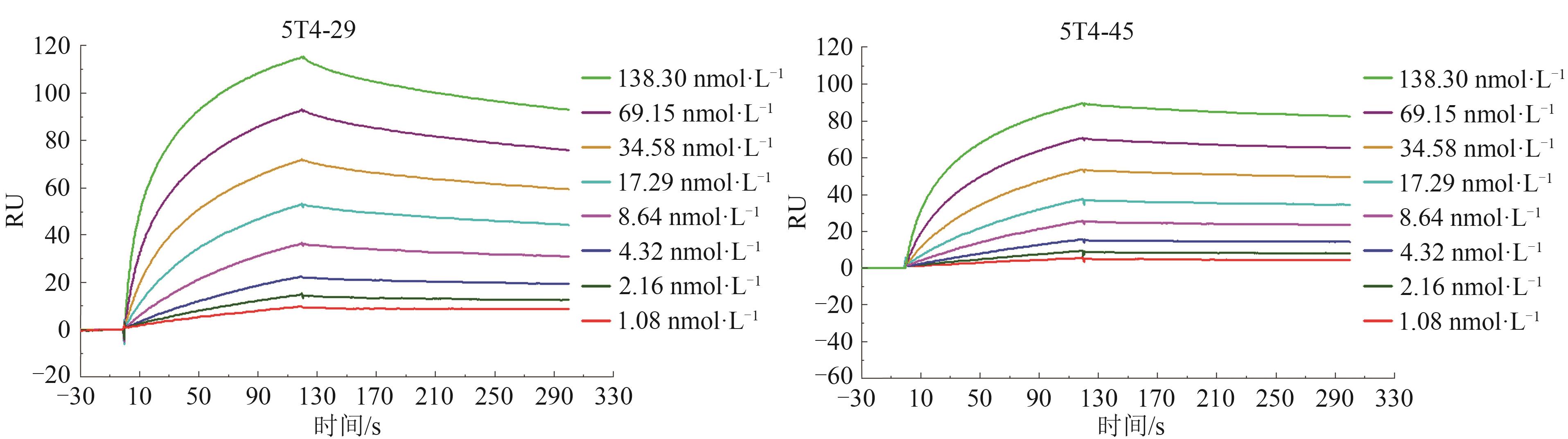
Fig. 1 Kinetic analysis of 5T4 hybridoma supernatant antibody and recombinant human 5T4 protein at pH 7.4
| 杂交瘤抗体编号 | 结合常数Ka /(·ms-1) | 解离常数Kd /(·s-1) | 亲和力常数KD/(mol·L-1) |
|---|---|---|---|
| 5T4-12 | 1.665×10⁵ | 1.056×10⁻³ | 6.341×10⁻⁹ |
| 5T4-15 | 3.160×10⁵ | 6.419×10⁻³ | 2.031×10⁻⁸ |
| 5T4-29 | 3.475×10⁵ | 9.669×10⁻⁴ | 2.783×10⁻⁹ |
| 5T4-45 | 2.643×10⁵ | 3.462×10⁻⁴ | 1.310×10⁻⁹ |
Table 2 Kinetic constant of 5T4 hybridoma supernatant antibody binding to recombinant human 5T4 protein at pH 7.4
| 杂交瘤抗体编号 | 结合常数Ka /(·ms-1) | 解离常数Kd /(·s-1) | 亲和力常数KD/(mol·L-1) |
|---|---|---|---|
| 5T4-12 | 1.665×10⁵ | 1.056×10⁻³ | 6.341×10⁻⁹ |
| 5T4-15 | 3.160×10⁵ | 6.419×10⁻³ | 2.031×10⁻⁸ |
| 5T4-29 | 3.475×10⁵ | 9.669×10⁻⁴ | 2.783×10⁻⁹ |
| 5T4-45 | 2.643×10⁵ | 3.462×10⁻⁴ | 1.310×10⁻⁹ |
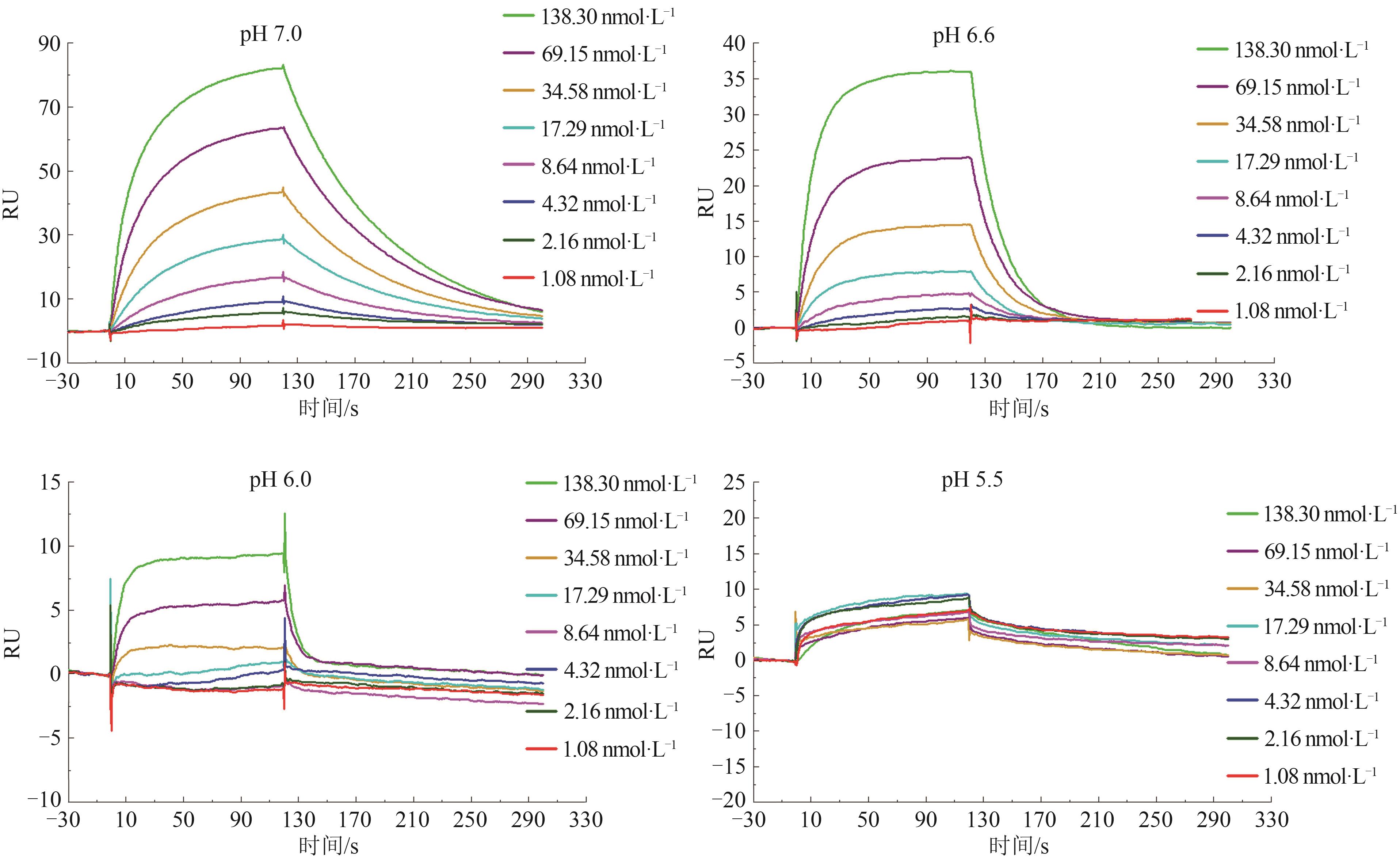
Fig. 2 Variation characteristics of antibody affinity in supernatant of 5T4-15 hybridoma in pH gradient buffer
| pH | 结合常数Ka /(·ms-1) | 与pH 7.4的比值 | 解离常数Kd /(·s-1) | 与pH 7.4的比值 | 亲和力常数KD/(mol·L-1) | 与pH 7.4的比值 |
|---|---|---|---|---|---|---|
| 7.4 | 3.160×10⁵ | 1.00 | 6.419×10⁻³ | 1.00 | 2.031×10⁻⁸ | 1.00 |
| 7.0 | 3.432×10⁵ | 1.09↑ | 1.309×10⁻² | 2.04↑ | 3.813×10⁻⁸ | 1.88↑ |
| 6.6 | 3.503×10⁵ | 1.11↑ | 4.246×10⁻² | 6.61↑ | 1.212×10⁻⁷ | 5.97↑ |
| 6.0 | 2.134×10⁵ | 0.68↑ | 1.104×10⁻¹ | 17.20↑ | 5.172×10⁻⁷ | 25.47↑ |
Table 3 Kinetic constants and variation multiples of 5T4-15 hybridoma supernatant antibody binding to recombinant human 5T4 protein under different pH conditions
| pH | 结合常数Ka /(·ms-1) | 与pH 7.4的比值 | 解离常数Kd /(·s-1) | 与pH 7.4的比值 | 亲和力常数KD/(mol·L-1) | 与pH 7.4的比值 |
|---|---|---|---|---|---|---|
| 7.4 | 3.160×10⁵ | 1.00 | 6.419×10⁻³ | 1.00 | 2.031×10⁻⁸ | 1.00 |
| 7.0 | 3.432×10⁵ | 1.09↑ | 1.309×10⁻² | 2.04↑ | 3.813×10⁻⁸ | 1.88↑ |
| 6.6 | 3.503×10⁵ | 1.11↑ | 4.246×10⁻² | 6.61↑ | 1.212×10⁻⁷ | 5.97↑ |
| 6.0 | 2.134×10⁵ | 0.68↑ | 1.104×10⁻¹ | 17.20↑ | 5.172×10⁻⁷ | 25.47↑ |
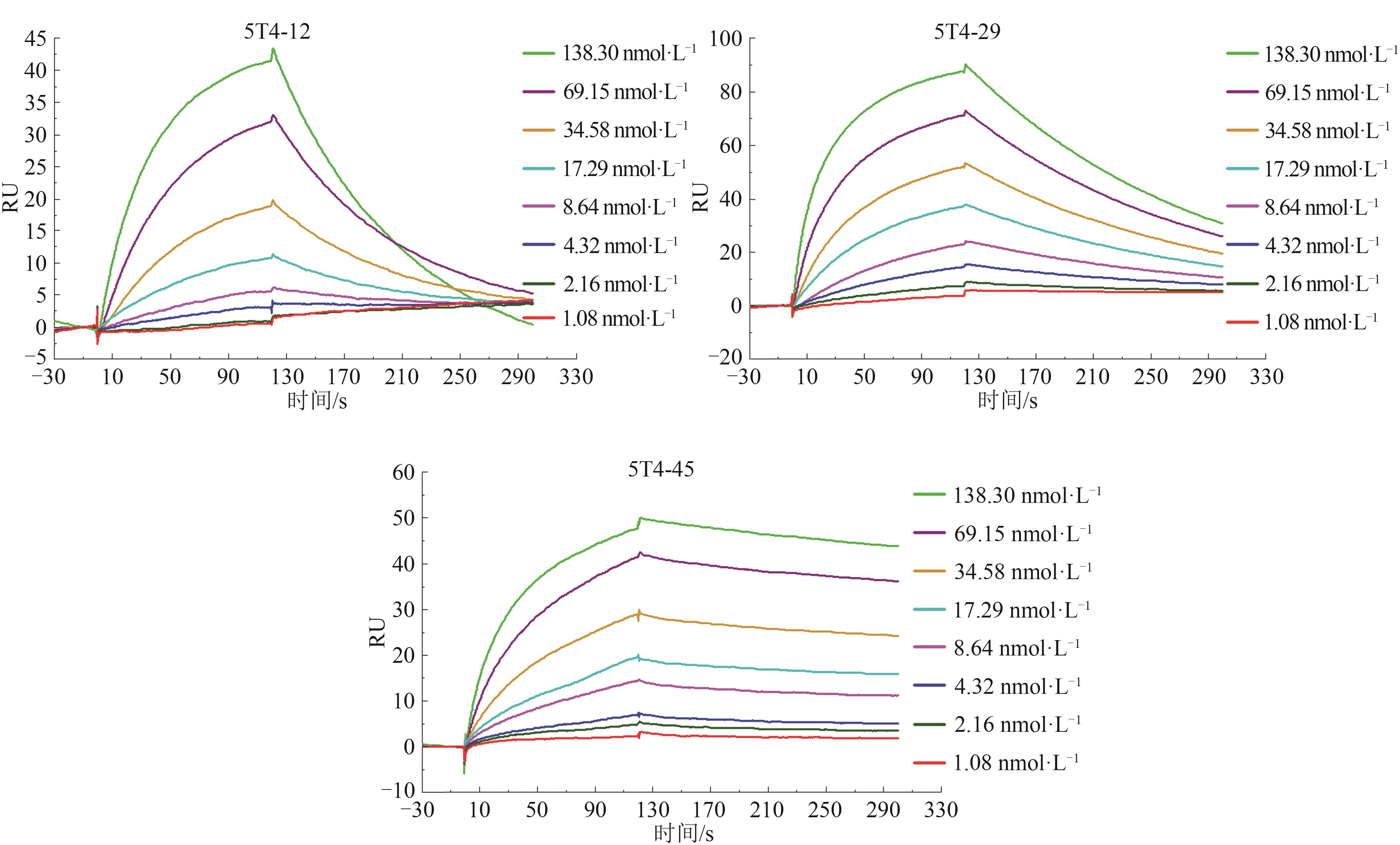
Fig. 3 Affinity stability analysis of antibody in supernatant of 5T4 hybridoma at pH 5.5
| 杂交瘤抗体编号 | pH | 结合常数Ka /(·ms-1) | 解离常数Kd /(·s-1) | 亲和力常数KD/(mol·L-1) | 与pH 7.4的比值 |
|---|---|---|---|---|---|
| 5T4-12 | 7.4 | 1.665×10⁵ | 1.056×10⁻³ | 6.341×10⁻⁹ | 8.23↑ |
| 5.5 | 5.712×10⁵ | 2.982×10⁻² | 5.221×10⁻⁸ | ||
| 5T4-29 | 7.4 | 3.475×10⁵ | 9.669×10⁻⁴ | 2.783×10⁻⁹ | 5.66↑ |
| 5.5 | 3.593×10⁵ | 5.660×10⁻³ | 1.575×10⁻⁸ | ||
| 5T4-45 | 7.4 | 2.643×10⁵ | 3.462×10⁻⁴ | 1.310×10⁻⁹ | 2.41↑ |
| 5.5 | 2.212×10⁵ | 6.985×10⁻⁴ | 3.158×10⁻⁹ |
Table 4 Kinetic constant and variation multiple of 5T4 hybridoma supernatant antibody binding to 5T4 antigen at pH 5.5 and pH 7.4
| 杂交瘤抗体编号 | pH | 结合常数Ka /(·ms-1) | 解离常数Kd /(·s-1) | 亲和力常数KD/(mol·L-1) | 与pH 7.4的比值 |
|---|---|---|---|---|---|
| 5T4-12 | 7.4 | 1.665×10⁵ | 1.056×10⁻³ | 6.341×10⁻⁹ | 8.23↑ |
| 5.5 | 5.712×10⁵ | 2.982×10⁻² | 5.221×10⁻⁸ | ||
| 5T4-29 | 7.4 | 3.475×10⁵ | 9.669×10⁻⁴ | 2.783×10⁻⁹ | 5.66↑ |
| 5.5 | 3.593×10⁵ | 5.660×10⁻³ | 1.575×10⁻⁸ | ||
| 5T4-45 | 7.4 | 2.643×10⁵ | 3.462×10⁻⁴ | 1.310×10⁻⁹ | 2.41↑ |
| 5.5 | 2.212×10⁵ | 6.985×10⁻⁴ | 3.158×10⁻⁹ |
| pH | 结合常数Ka /(·ms-1) | 与pH 7.4的比值 | 解离常数Kd /(·s-1) | 与pH 7.4的比值 | 亲和力常数KD/(mol·L-1) | 与pH 7.4的比值 |
|---|---|---|---|---|---|---|
| 7.4 | 2.643×10⁵ | 1.00 | 3.462×10⁻⁴ | 1.00 | 1.310×10⁻⁹ | 1.00 |
| 7.0 | 2.291×10⁵ | 0.87↑ | 5.456×10⁻⁴ | 1.58↑ | 2.381×10⁻⁹ | 1.82↑ |
| 6.6 | 2.487×10⁵ | 0.94↑ | 3.975×10⁻⁴ | 1.15↑ | 1.599×10⁻⁹ | 1.22↑ |
| 6.0 | 2.669×10⁵ | 1.01↑ | 2.876×10⁻⁴ | 0.83↑ | 1.078×10⁻⁹ | 0.82↑ |
| 5.5 | 2.212×10⁵ | 0.84↑ | 6.985×10⁻⁴ | 2.02↑ | 3.158×10⁻⁹ | 2.41↑ |
Table 5 Kinetic constants and variation multiples of 5T4-45 hybridoma supernatant antibody binding to recombinant human 5T4 protein under different pH conditions
| pH | 结合常数Ka /(·ms-1) | 与pH 7.4的比值 | 解离常数Kd /(·s-1) | 与pH 7.4的比值 | 亲和力常数KD/(mol·L-1) | 与pH 7.4的比值 |
|---|---|---|---|---|---|---|
| 7.4 | 2.643×10⁵ | 1.00 | 3.462×10⁻⁴ | 1.00 | 1.310×10⁻⁹ | 1.00 |
| 7.0 | 2.291×10⁵ | 0.87↑ | 5.456×10⁻⁴ | 1.58↑ | 2.381×10⁻⁹ | 1.82↑ |
| 6.6 | 2.487×10⁵ | 0.94↑ | 3.975×10⁻⁴ | 1.15↑ | 1.599×10⁻⁹ | 1.22↑ |
| 6.0 | 2.669×10⁵ | 1.01↑ | 2.876×10⁻⁴ | 0.83↑ | 1.078×10⁻⁹ | 0.82↑ |
| 5.5 | 2.212×10⁵ | 0.84↑ | 6.985×10⁻⁴ | 2.02↑ | 3.158×10⁻⁹ | 2.41↑ |
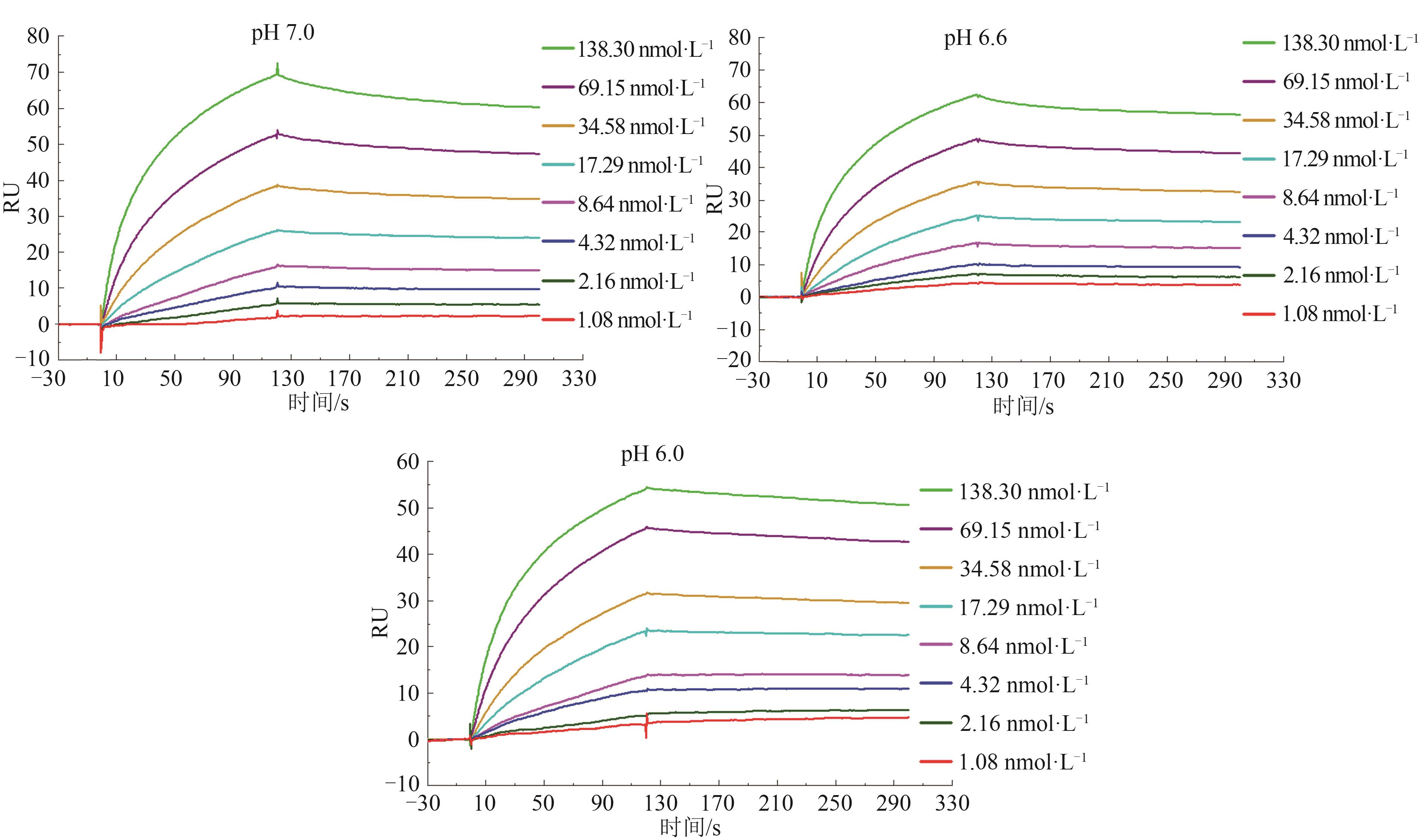
Fig. 4 Variation characteristics of antibody affinity in supernatant of 5T4-45 hybridoma in pH gradient buffer
| [1] | BARTOLLINO S. Surface plasmon resonance technology to assess biological interactions[J]. Insights Biol. Med., 2017, 1(1): 39-44. |
| [2] | DOUZI B. Surface plasmon resonance: a sensitive tool to study protein-protein interactions[J]. Meth. Mol. Biol., 2024, 27(15): 363-382. |
| [3] | LI K, HUNTWORK R H C, HORN G Q, et al.. TitrationAnalysis: a tool for high throughput binding kinetics data analysis for multiple label-free platforms[J/OL]. Gates Open Res., 2023, 7: 107[2025-11-06]. . |
| [4] | BUTT M A. Surface plasmon resonance-based biodetection systems: principles, progress and applications—a comprehensive review[J/OL]. Biosensors, 2025, 15(1): 35[2025-11-06]. . |
| [5] | 国家药典委员会. 表面等离子共振法 [S]//中华人民共和国药典: 2020年版.三部.北京:中国医药科技出版社, 2020: 603-609. |
| [6] | United States Pharmacopeial Convention. ( 1105) Immunological Test Methods-Surface Plasmon Resonance [S]//United States Pharmacopeia and National Formulary (USP 39-NF 34). Rockville, MD: United States Pharmacopeial Convention, 2016: 1272-1289. |
| [7] | Ministry of Health, Labour and Welfare, Japan. General Information/Biotechnological/Biological Products-Surface Plasmon Resonance [S]//The Japanese Pharmacopoeia. 17th ed. Tokyo: Ministry of Health, Labour and Welfare, 2016: 2474-2478. |
| [8] | WOJTKOWIAK J W, GILLIES R J. Autophagy on acid[J]. Autophagy, 2012, 8(11): 1688-1689. |
| [9] | SULEA T, ROHANI N, BAARDSNES J, et al.. Structure-based engineering of pH-dependent antibody binding for selective targeting of solid-tumor microenvironment[J/OL]. MAbs, 2020, 12(1): 1682866[2025-11-06]. . |
| [10] | MARTÍNEZ-REYES I, CHANDEL N S. Cancer metabolism: looking forward[J]. Nat. Rev. Cancer, 2021, 21(10): 669-680. |
| [11] | NDAO D, HICKMAN D, LÓPEZ-DEBER M, et al.. Binding affinity measurement of antibodies from crude hybridoma samples by SPR[J/OL]. Bio-Protocol, 2014, 4(21): e1276[2025-11-06]. . |
| [12] | LEONARD P, HEARTY S, MA H, et al.. Measuring protein-protein interactions using biacore[J]. Meth. Mol. Biol., 2017, 1485: 339-354. |
| [13] | HEALEY G D, FROSTELL A, FAGGE T, et al.. A RAGE-targeted antibody-drug conjugate: surface plasmon resonance as a platform for accelerating effective ADC design and development[J/OL]. Antibodies, 2019, 8(1): 7[2025-11-06]. . |
| [14] | LIAO B, YANG S, GENG L, et al.. Development of a therapeutic monoclonal antibody against circulating adipocyte fatty acid binding protein to treat ischaemic stroke[J]. Br. J. Pharmacol., 2024, 181(8): 1238-1255. |
| [15] | 郝瑞家,李桂霞,刘艳菊,等.肿瘤相关靶点滋养层糖蛋白5T4的研究现状[J].中国临床药理学杂志,2023,39(3):447-451. |
| HAO R J, LI G X, LIU Y J, et al.. Reseach status of the tumor-associated target: trophoblast glycoprote 5T4[J]. Chin. J. Clin. Pharmacol., 2023, 39(3): 447-451. | |
| [16] | KAGERMEIER-SCHENK B, WEHNER D, OZHAN-KIZIL G, et al.. Waif1/5T4 inhibits Wnt/β-catenin signaling and activates noncanonical Wnt pathways by modifying LRP6 subcellular localization[J]. Dev. Cell, 2011, 21(6): 1129-1143. |
| [17] | STERN P L, HARROP R. 5T4 oncofoetal antigen: an attractive target for immune intervention in cancer[J]. Cancer Immunol. Immunother., 2017, 66(4): 415-426. |
| [18] | SOUTHGATE T D, MCGINN O J, CASTRO F V, et al.. CXCR4 mediated chemotaxis is regulated by 5T4 oncofetal glycoprotein in mouse embryonic cells[J/OL]. PLoS ONE, 2010, 5(4): e9982[2025-11-06]. . |
| [19] | YANG L, WENG C, ZHANG Y, et al.. In-depth examination of TPBG as a new predictive indicator for gastric cancer[J/OL]. J. Cell. Mol. Med., 2025, 29(2): e70354[2025-11-06]. . |
| [20] | IGAWA T, HARAYA K, HATTORI K. Sweeping antibody as a novel therapeutic antibody modality capable of eliminating soluble antigens from circulation[J]. Immunol. Rev., 2016, 270(1): 132-151. |
| [21] | 温灿,陈远志,罗文新.再循环抗体的研究进展[J].生物工程学报,2019,35(2):183-194. |
| WEN C, CHEN Y Z, LUO W X. Advance in research on recycling antibody[J]. Chin. J. Biotechnol., 2019, 35(2): 183-194. | |
| [22] | MADSEN A V, MEJIAS-GOMEZ O, PEDERSEN L E, et al.. Structural trends in antibody-antigen binding interfaces: a computational analysis of 1833 experimentally determined 3D structures[J]. Comput. Struct. Biotechnol. J., 2024, 23: 199-211. |
| [23] | TIAN X, LIU X, DING J, et al.. An anti-CD98 antibody displaying pH-dependent FC-mediated tumour-specific activity against multiple cancers in CD98-humanized mice[J]. Nat. Biomed. Eng., 2023, 7(1): 8-23. |
| [24] | FREY G, CUGNETTI A P G, LIU H, et al.. A novel conditional active biologic anti-EpCAM × anti-CD3 bispecific antibody with synergistic tumor selectivity for cancer immunotherapy[J/OL]. MAbs, 2024, 16(1): 2322562[2025-11-06]. . |
| [1] | Xiaoyi ZHAI, Zhongqi DIAO, Yi CHEN, Wenjia GUO. Risk Modeling of Cancer-associated Fibroblasts and Associated Prognostic Features in Breast Cancer Patients Based on Single-cell RNA-seq and Bulk RNA-seq Data [J]. Current Biotechnology, 2025, 15(6): 1094-1107. |
| [2] | Xiaoyi ZHAI, Haiyue ZHANG, Wenjia GUO, Xiaogang DONG. Research Progress of Cancer-associated Fibroblasts in Breast Cancer [J]. Current Biotechnology, 2025, 15(4): 636-644. |
| [3] | Xiaoya LIU, Shuomin ZHANG, Peng ZHENG, Rui MA, Chaojun ZHANG. Role and Mechanisms of DBNDD1 in Colorectal Cancer Development [J]. Current Biotechnology, 2025, 15(4): 726-734. |
| [4] | Yeerkenbieke BUERLAN, Wenjia GUO, Xiaogang DONG. Advances on the Function of POSTN in Tumor Microenvironment [J]. Current Biotechnology, 2024, 14(2): 205-210. |
| [5] | Pengxiao ZHANG, Nian HU. The Research Progress on Action Mechanism of Melanoma Immunotherapy [J]. Current Biotechnology, 2023, 13(6): 900-906. |
| [6] | Yongchao LI, Zhao YANG. Status and Countermeasures of Bispecific Antibody Drugs [J]. Current Biotechnology, 2023, 13(3): 353-358. |
| [7] | LIU Shibo1, WU Hao1, HONG Jiao2, LIU Mengyu1, YAO Mawulikplimi Adzavon1, ZHAO Pengxiang1*. Advances in the Study of Inflammation-tumor Transformation in Ocular Diseases [J]. Curr. Biotech., 2020, 10(3): 234-241. |
| Viewed | ||||||
|
Full text |
|
|||||
|
Abstract |
|
|||||
