

Current Biotechnology ›› 2026, Vol. 16 ›› Issue (3): 535-548.DOI: 10.19586/j.2095-2341.2025.0182
• Special Forum on Microbial Cell Factory • Previous Articles Next Articles
Zhihao LU( ), Yonghui ZHANG, Zewang GUO, Jun CHEN, Xiaoyan ZHUANG()
Received:2025-12-16
Accepted:2026-01-21
Online:2026-05-25
Published:2026-07-14
Contact:
Xiaoyan ZHUANG
CLC Number:
Zhihao LU, Yonghui ZHANG, Zewang GUO, Jun CHEN, Xiaoyan ZHUANG. Green Biomanufacturing of Indigo: Enzymatic and Fermentation Routes-advances and Challenges[J]. Current Biotechnology, 2026, 16(3): 535-548.
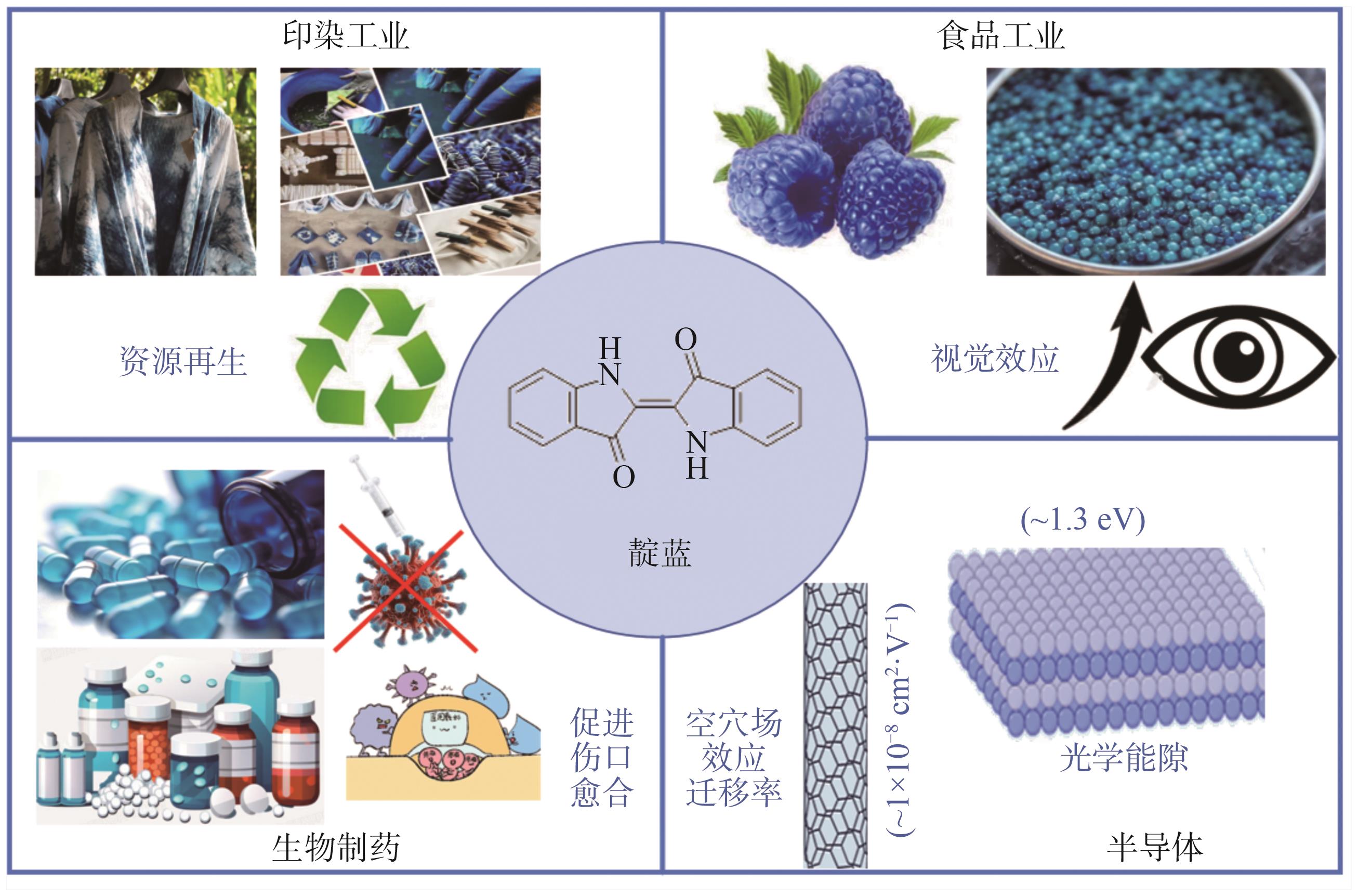
Fig. 1 The uses of indigo[4-5]
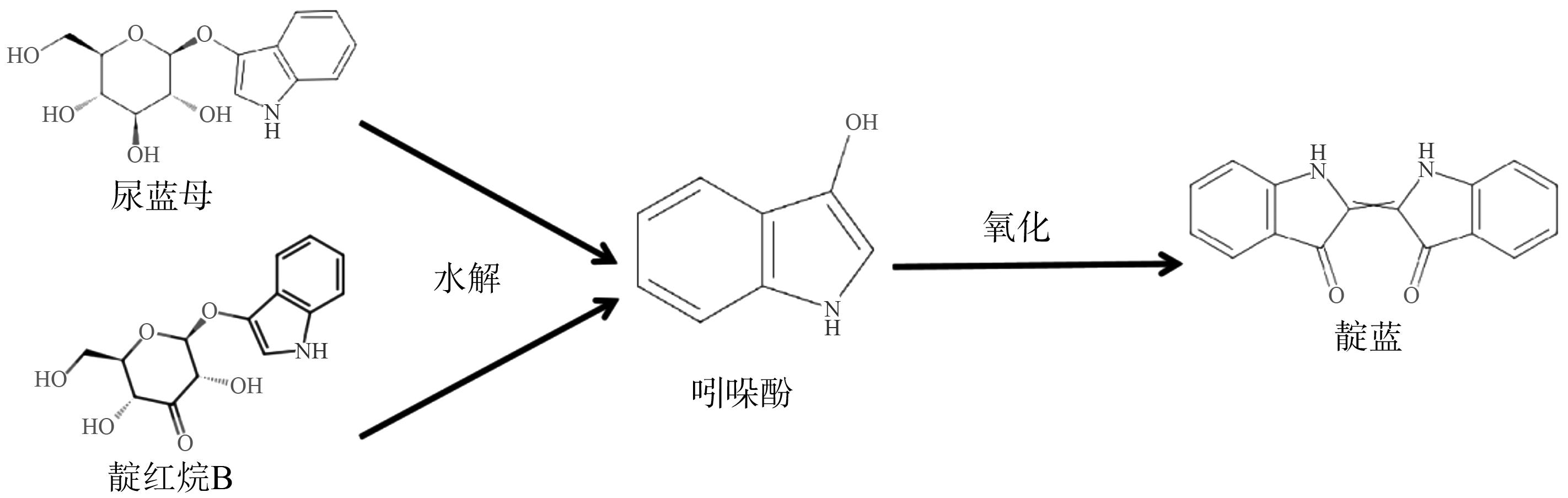
Fig. 2 Indigo plant synthesis pathway[17]
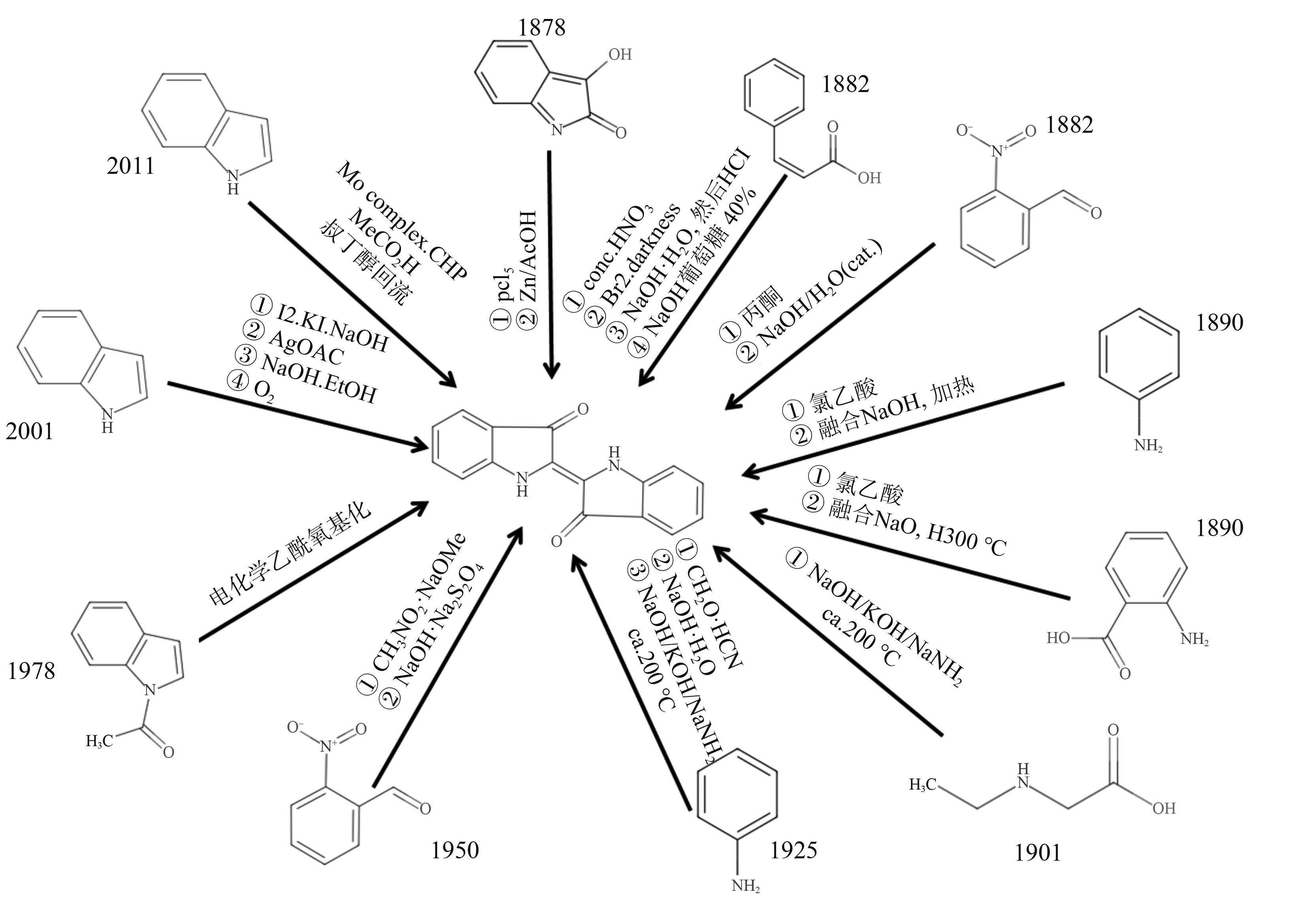
Fig. 3 Chemical synthesis pathway of indigo[17]

Fig. 4 Indigo biosynthesis pathway[24]

Fig. 5 Flowchart of indigo enzymatic synthesis[24]
Table 1 Indigo synthesis efficiency corresponding to FMOs from different sources
Table 2 FMO modification sites and activity from different sources
Table 3 Mutation sites and activity of P450 from different sources
Table 4 P450 modification sites and activities from different sources
Table 5 Production methods and indigo yield of strains from different sources
Table 6 Genetic modification methods and indigo yield of strains from different sources
| [1] | FABARA A N, FRAAIJE M W. Production of indigo through the use of a dual-function substrate and a bifunctional fusion enzyme[J/OL]. Enzyme Microb. Technol., 2020, 142: 109692[2025-10-21]. . |
| [2] | ZHANG L, WANG L, CUNNINGHAM A B, et al.. Island blues: indigenous knowledge of indigo-yielding plant species used by Hainan Miao and Li dyers on Hainan Island, China[J/OL]. J. Ethnobiol. Ethnomed., 2019, 15(1): 31[2025-10-21]. . |
| [3] | 李蓉蓉,马文浩,肖莹.靛蓝生物合成酶的研究进展[J].生物资源,2023,45(4):328-340. |
| LI R R, MA W H, XIAO Y. Research advances in enzymes involved in indigo biosynthesis[J]. Biotic Resour., 2023, 45(4): 328-340. | |
| [4] | SPLITSTOSER J C, DILLEHAY T D, WOUTERS J, et al.. Early pre-hispanic use of indigo blue in Peru[J/OL]. Sci. Adv., 2016, 2(9): e1501623[2025-10-21]. . |
| [5] | SEFEROĞLU Z, KAPLAN G. The synthetic approaches for preparation of indigo and applications in denim industry[J]. Curr. Org. Synth., 2023, 20(4): 361-364. |
| [6] | SALZILLO T, D'AGOSTINO S, RIVALTA A, et al.. Structural, spectroscopic, and computational characterization of the concomitant polymorphs of the natural semiconductor indigo[J]. J. Phys. Chem. C, 2018, 122(32): 18422-18431. |
| [7] | WU M, CHEN Y, PENG P, et al.. Optimization of dark dyeing poly(lactic acid) yarn with indigo dyes applied to denim fabric[J]. J. Text. Inst., 2023, 114(3): 455-461. |
| [8] | CHANDRAMOHAN DAS B, REJI N, PHILIP R. Optical limiting behavior of the natural dye extract from Indigofera tinctoria leaves[J/OL]. Opt. Mater., 2021, 114: 110925[2025-10-21]. . |
| [9] | 李静娜,黄常刚,梁高道,等.固相萃取-高效液相色谱法测定食品中的靛蓝和亮蓝[J].卫生研究,2017,46(2):318-323. |
| LI J N, HUANG C G, LIANG G D, et al.. Determination of indigo and brilliant blue in different types of food products by high performance liquid chromatography with solid phase extraction[J]. J. Hyg. Res., 2017, 46(2): 318-323. | |
| [10] | 赖家文,林丽云,王东翔,等.靛蓝对脂多糖诱导的THP-1细胞的抗炎作用[J].中国皮肤性病学杂志,2023,37(2):134-138. |
| LAI J W, LIN L Y, WANG D X, et al.. Anti-inflammatory effect of indigo on lipopolysaccharide-induced THP-1 cells[J]. Chin. J. Dermatovenereol., 2023, 37(2): 134-138. | |
| [11] | ANDREAZZA N L, DE LOURENÇO C C, STEFANELLO M É A, et al.. Photodynamic antimicrobial effects of bis-indole alkaloid indigo from Indigofera truxillensis Kunth (Leguminosae)[J]. Lasers Med. Sci., 2015, 30(4): 1315-1324. |
| [12] | LIU K X, CHEN W, XIAO Y, et al.. Metabolic engineering of Halomonas for effective production of tryptophan-derived compounds[J/OL]. Chem. Eng. J., 2025, 512: 162616[2025-10-21]. . |
| [13] | HU H, LI Z, CHEN R, et al.. Enhancement of indigo production by a metabolically engineered Escherichia coli MG1655 using membrane engineering and two-stage cultivation[J]. J. Agric. Food Chem., 2025, 73(16): 9782-9792. |
| [14] | MA L, SUN T, LIU Y, et al.. Enzymatic synthesis of indigo derivatives by tuning P450 BM3 peroxygenases[J]. Synth. Syst. Biotechnol., 2023, 8(3): 452-461. |
| [15] | FABARA A N, FRAAIJE M W. An overview of microbial indigo-forming enzymes[J]. Appl. Microbiol. Biotechnol., 2020, 104(3): 925-933. |
| [16] | PATTANAIK L, NAIK S N, HARIPRASAD P. Valorization of waste Indigofera tinctoria L. biomass generated from indigo dye extraction process: potential towards biofuels and compost[J]. Biomass Conv. Bioref., 2019, 9(2): 445-457. |
| [17] | WOLK J L, FRIMER A A. A simple, safe and efficient synthesis of Tyrian purple (6, 6′-dibromoindigo)[J]. Molecules, 2010, 15(8): 5561-5580. |
| [18] | GŁOWACKI E D, VOSS G, SARICIFTCI N S. 25th anniversary article: progress in chemistry and applications of functional indigos for organic electronics[J]. Adv. Mater., 2013, 25(47): 6783-6800. |
| [19] | FRANCISCO S V, REINA G. On the baeyer-emmerling synthesis of indigo[J]. World J. Org. Chem., 2018, 6(1): 6-12. |
| [20] | WOLK J L, FRIMER A A. Preparation of Tyrian purple (6,6′-dibromoindigo): past and present[J]. Molecules, 2010, 15(8): 5473-5508. |
| [21] | YAMAMOTO Y, INOUE Y, TAKAKI U, et al.. Development of a practical one-pot synthesis of indigo from indole[J]. Bull. Chem. Soc. Jpn., 2011, 84(1): 82-89. |
| [22] | HSU T M, WELNER D H, RUSS Z N, et al.. Employing a biochemical protecting group for a sustainable indigo dyeing strategy[J]. Nat Chem Biology, 2018, 14(3): 256-261. |
| [23] | CHANDEL N, SINGH B B, DUREJA C, et al.. Indigo production goes green: a review on opportunities and challenges of fermentative production[J/OL]. World J. Microbiol. Biotechnol., 2024, 40(2): 62[2025-10-21]. . |
| [24] | FAN C, XIE Z, ZHENG D, et al.. Overview of indigo biosynthesis by flavin-containing monooxygenases: history, industrialization challenges, and strategies[J/OL]. Biotechnol. Adv., 2024, 73: 108374[2025-10-21]. . |
| [25] | LI S, CUNNINGHAM A B, SHI Y, et al.. Blue to black: hypotheses on plant use complexity in traditional dyeing processes in Southeast Asia and China[J/OL]. Ind. Crops Prod., 2022, 188: 115706[2025-10-21]. . |
| [26] | MU Y, XIONG C, CUI M, et al.. A recyclable dynamic semiconducting polymer consisting of Pauli-paramagnetic diradicaloids promoted and stabilized by catechol-boron coordination[J]. Chem. Sci., 2025, 16(3): 1364-1373. |
| [27] | LINKE J A, RAYAT A, WARD J M. Production of indigo by recombinant bacteria[J/OL]. Bioresour. Bioprocess., 2023, 10(1): 20[2025-10-21]. . |
| [28] | ENSLEY B D, RATZKIN B J, OSSLUND T D, et al.. Expression of naphthalene oxidation genes in Escherichia coli results in the biosynthesis of indigo[J]. Science, 1983, 2224620: 167-169. |
| [29] | TU Z, DE FÁTIMA SILVA LOPES H, YUMOTO I. Fundicoccus fermenti sp. nov., an indigo-reducing facultative anaerobic alkaliphile isolated from indigo fermentation liquor used for dyeing[J/OL]. Int. J. Syst. Evol. Microbiol., 2022, 72(2): 005239[2025-10-21]. . |
| [30] | TU Z, DE FÁTIMA SILVA LOPES H, IGARASHI K, et al.. Characterization of the microbiota in long- and short-term natural indigo fermentation[J]. J. Ind. Microbiol. Biotechnol., 2019, 46(12): 1657-1667. |
| [31] | DU L, YUE J, ZHU Y, et al.. Production of indigo by recombinant Escherichia coli with expression of monooxygenase, tryptophanase, and molecular chaperone[J/OL]. Foods, 2022, 11(14): 2117[2025-10-21]. . |
| [32] | SHI S, MA F, SUN T, et al.. Biotransformation of indole to indigo by the whole cells of phenol hydroxylase engineered strain in biphasic systems[J]. Appl. Biochem. Biotechnol., 2013, 169(4): 1088-1097. |
| [33] | KIM H S, CHA S H, SUK H Y, et al.. Complete genome sequence of indigo-producing bacterium Celeribacter sp. strain TSPH2[J]. Genome Announc., 2017, 5(45): 1110-1128. |
| [34] | 李文浩,姜爽,李彬,等.靛蓝绿色合成与染色技术进展[J/OL].化工进展,2026,doi:10.16085/j.issn.1000-6613.2025-2026: 1458[2025-10-21]. . |
| LI W H, JIANG S, LI B, et al.. Advances in green synthesis and dyeing technology of indigo[J]. Chem. Ind. Eng. Pro., 2026, doi:10.16085/j.issn.1000-6613.2025-2026: 1458[2025-10-21]. . | |
| [35] | 杜灵燕,岳建明,马金旺,等.高产靛蓝色素大肠杆菌工程菌构建及其发酵转化条件[J].中国食品学报,2017,17(3):64-72. |
| DU L Y, YUE J M, MA J W, et al.. Construction of gene engineering bacterium and optimization of fermentation conditions for high production of indigo from tryptophan[J]. J. Chin. Inst. Food Sci. Technol., 2017, 17(3): 64-72. | |
| [36] | PHILLIPS I R, SHEPHARD E A. Flavin-containing monooxygenases: new structures from old proteins[J]. Nat. Struct. Mol. Biol., 2020, 27:3-4. |
| [37] | RIOZ-MARTÍNEZ A, KOPACZ M, DE GONZALO G, et al.. Exploring the biocatalytic scope of a bacterial flavin-containing monooxygenase[J]. Org. Biomol. Chem., 2011, 9(5): 1337-1341. |
| [38] | ICHINOSE H, HONDA M, ISOGAI T, et al.. Functional analysis of cytochrome P450 monooxygenases from the white-rot basidiomycete Trametes versicolor: CYP502B15 decorates cadinane-type sesquiterpenoids[J/OL]. Enzyme Microb. Technol., 2025, 189: 110658[2025-10-21]. . |
| [39] | KIM J, LEE P G, JUNG E O, et al.. In vitro characterization of CYP102G4 from Streptomyces cattleya: a self-sufficient P450 naturally producing indigo[J]. Biochim. Biophys. Acta Proteins Proteom., 2018,1866(1): 60-67. |
| [40] | CHEN Y, PATEL N A, CROMBIE A, et al.. Bacterial flavin-containing monooxygenase is trimethylamine monooxygenase[J]. Proc. Natl. Acad. Sci. USA, 2011, 108(43): 17791-17796. |
| [41] | DU J, YANG D, LUO Z W, et al.. Metabolic engineering of Escherichia coli for the production of indirubin from glucose[J]. J. Biotechnol., 2018, 267: 19-28. |
| [42] | CHOI H S, KIM J K, CHO E H, et al.. A novel flavin-containing monooxygenase from Methylophaga sp. strain SK1 and its indigo synthesis in Escherichia coli [J]. Biochem. Biophys. Res. Commun., 2003, 306(4): 930-936. |
| [43] | HAN G H, SHIN H J, KIM S W. Optimization of bio-indigo production by recombinant E. coli harboring fmo gene[J]. Enzyme Microb. Technol., 2008, 42(7): 617-623. |
| [44] | SINGH A, SINGH CHAUHAN N, THULASIRAM H V, et al.. Identification of two flavin monooxygenases from an effluent treatment plant sludge metagenomic library[J]. Bioresour. Technol., 2010, 101(21): 8481-8484. |
| [45] | AMERIA S P L, JUNG H S, KIM H S, et al.. Characterization of a flavin-containing monooxygenase from Corynebacterium glutamicum and its application to production of indigo and indirubin[J]. Biotechnol. Lett., 2015, 37(8): 1637-1644. |
| [46] | INOUE S, MORITA R, MINAMI Y. An indigo-producing plant, Polygonum tinctorium, possesses a flavin-containing monooxygenase capable of oxidizing indole[J]. Biochem. Biophys. Res. Commun., 2021, 534: 199-205. |
| [47] | JUNG H S, JUNG H B, KIM H S, et al.. Protein engineering of flavin-containing monooxygenase from Corynebacterium glutamicum for improved production of indigo and indirubin[J]. J. Life Sci., 2018, 28(6): 656-662. |
| [48] | YANG Z, WANG R S, CHENG B Y, et al.. Key residues identified by random mutagenesis enhanced indole hydroxylation efficiency of the flavin-containing monooxygenase from Corynebacterium glutamicum [J/OL]. Biochem. Eng. J., 2023, 199: 109064[2025-10-21]. . |
| [49] | LONČAR N, VAN BEEK H L, FRAAIJE M W. Structure-based redesign of a self-sufficient flavin-containing monooxygenase towards indigo production[J/OL]. Int. J. Mol. Sci., 2019, 20(24): 6148[2025-10-21]. . |
| [50] | SUN B Y, SUI H L, LIU Z W, et al.. Structure-guided engineering of a flavin-containing monooxygenase for the efficient production of indirubin[J/OL]. Bioresour. Bioprocess., 2022, 9(1): 70[2025-10-21]. . |
| [51] | ROUSSEAU O, EBERT D, QUAGLIA D, et al.. Indigo formation and rapid nadph consumption provide robust prediction of raspberry ketone synthesis by engineered cytochrome P450 BM3[J]. ChemCatChem, 2020, 12(3): 837-845. |
| [52] | GILLAM E M J, NOTLEY L M, CAI H, et al.. Oxidation of indole by cytochrome P450 enzymes[J]. Biochemistry, 2000, 39(45): 13817-13824. |
| [53] | 彭帅英,褚仲梅,陆坚峰,等.共表达极端菌伴侣蛋白prefoldin提高P450 BM3突变体催化效率[J].生物化学与生物物理进展,2017,44(12):1125-1131. |
| PENG S Y, CHU Z M, LU J F, et al.. Co-expression of prefoldin from hyperthermophilic archaea Pyrococcus furiosus in Escherichia coli enhances the catalytic efficiency of modified cytochrome P450 BM3[J]. Prog. Biochem. Biophys., 2017, 44(12): 1125-1131. | |
| [54] | XU W, WEI P, CHEN L, et al.. Engineering electron transfer flux between cytochrome P450 enzyme and P450 reductase to enhance serotonin production in Escherichia coli [J/OL]. Adv. Sci., 2025, 12(30): e14859[2025-10-21]. . |
| [55] | LI Q S, SCHWANEBERG U, FISCHER P, et al.. Directed evolution of the fatty-acid hydroxylase P450 BM-3 into an indole-hydroxylating catalyst[J]. Chem-Eur J., 2000, 6(9): 1531-1536. |
| [56] | 李红梅,梅乐和,高舜晔.氨基酸突变对细胞色素P45 0BM-3羟基化吲哚能力的影响[J].高校化学工程学报,2008(2):282-287. |
| LI H M, MEI L H, GAO S H. Effect of amino acid mutations on the indole hydroxylation activity of cytochrome P450 BM-3[J]. J. Chem. Eng. Chin. Uni., 2008(2): 282-287. | |
| [57] | LI Y, LIN Y, WANG F, et al.. Construction of biocatalysts using the P450 scaffold for the synthesis of indigo from indole[J/OL]. Int. J. Mol. Sci., 2023, 24(3): 2395[2025-10-21]. . |
| [58] | 张彭湃,胡升,梅乐和,等.一个有利于细胞色素P450BM-3催化吲哚合成靛蓝的三位点突变酶:D168L/E435T/V445A[J].化工学报,2014,65(4):1374-1380. |
| ZHANG P P, HU S, MEI L H, et al.. A three-site mutant enzyme facilitating cytochrome P450 BM-3 catalyzed synthesis of indigo from indole: D168L/E435T/V445A[J]. J. Chem. Ind. Eng., 2014, 65(4): 1374-1380. | |
| [59] | ZHU L, XU G, ZHANG Q, et al.. Semirational design strategy to enhance the thermostability and catalytic activity of cytochrome P450 105D7 for the degradation of the pharmaceutically active compounds: diclofenac[J]. Envir. Sci. Technol. 2024, 58(35): 15681-15690. |
| [60] | 胡升,虞青,梅乐和,等.细胞色素P450 BM-3羟基化吲哚能力的半理性改造[J].化工学报,2009,60(11):2869-2875. |
| HU S, YU Q, MEI L H, et al.. Semi-rational modification of cytochrome P450 BM-3 for indole hydroxylation activity[J]. J. Chem. Ind. Eng., 2009, 60(11): 2869-2875 | |
| [61] | 张彭湃,胡升,黄俊,等.定点突变提高细胞色素P450 BM-3吲哚羟基化能力[J].化工学报,2013,64(9):3331-3337. |
| ZHANG P P, HU S, HUNAG J, et al.. Site-directed mutagenesis to improve the indole hydroxylation activity of cytochrome P450 BM-3[J]. J. Chem. Ind. Eng., 2013, 64(9): 3331-3337. | |
| [62] | CHOI K Y. A review of recent progress in the synthesis of bio-indigoids and their biologically assisted end-use applications[J/OL]. Dyes Pigments, 2020, 181: 108570[2025-10-21]. . |
| [63] | HIROTA K, HANAOKA Y, NODASAKA Y, et al.. Gracilibacillus alcaliphilus sp. nov, a facultative alkaliphile isolated from indigo fermentation liquor for dyeing[J]. Int. J. Sys. Evol. Microbiol., 2014, 64(Pt_9): 3174-3180. |
| [64] | DOUKYU N, NAKANO T, OKUYAMA Y. Isolation of an Acinetobacter sp. ST-550 which produces a high level of indigo in a water-organic solvent two-phase system containing high levels of indole[J]. Appl. Microbiol. Biotechnol., 2002, 58(4): 543-546. |
| [65] | MORENO-RUIZ E, HERNAEZ M J, MARTINEZ-PEREZ O, et al.. Identification and functional characterization of Sphingomonas macrogolitabida strain TFA genes involved in the first two steps of the tetralin catabolic pathway[J]. J. Bacteriol., 2003, 185(6): 2026-2030. |
| [66] | QU Y, ZHANG Z, MA Q, et al.. Biotransformation of indole and its derivatives by a newly isolated Enterobacter sp. M9Z[J]. Appl. Biochem. Biotechnol., 2015, 175(7): 3468-3478. |
| [67] | LU R, CHEN R, LI Z, et al.. Metabolic engineering of Escherichia coli BL21(DE3) for efficient production of indigo using methylophaga aminisulfidivorans flavin-containing monooxygenase[J/OL]. Dyes Pigments, 2025, 236: 112682[2025-10-21]. . |
| [68] | PAN Z, TAO D, REN M, et al.. A combinational optimization method for efficient production of indigo by the recombinant escherichia coli with expression of monooxygenase and malate dehydrogenase[J]. Foods, 2023, 12(3): 502-515. |
| [69] | CHO D H, KIM H J, OH S J, et al.. Strategy for efficiently utilizing Escherichia coli cells producing isobutanol by combining isobutanol and indigo production systems[J]. J. Biotechnol., 2023, 367: 62-70. |
| [70] | 罗诗琪,魏婉清,吴静,等.双酶级联催化L-色氨酸合成靛蓝[J].生物工程学报,2024,40(8):2444-2456. |
| LUO S J, WEI W Q, WU J, et al.. Dual-enzyme cascade catalysis for synthesis of indigo from L-tryptophan[J]. J. Biotechnol., 2024, 40(8): 2444-2456. | |
| [71] | HU R, ZHANG S, MENG H, et al.. Machine learning for synthetic biology: methods and applications[J]. Chin. Sci. Bull., 2021, 66(3): 284-299. |
| [72] | ENG T, BANERJEE D, MENASALVAS J, et al.. Maximizing microbial bioproduction from sustainable carbon sources using iterative systems engineering[J/OL]. Cell Rep., 2023, 42(9): 113087[2025-10-21]. . |
| [1] | YANG Sanwei1§, ZHAO Jiajia1§, QIAO Ling1, ZHENG Xingwei1, LU Yanzhen2, LI Liujun2, ZHANG Jiancheng1*. Study on Extraction Process, Antioxidant Activity and Application in Hair Dyeing of Purple Pigment from Wheat [J]. Curr. Biotech., 2018, 8(4): 324-329. |
| [2] | YU Yan-qin, DU Jing-qi, ZHAO Jun, YANG Wei-min*. Physicochemical Properties of Jujube Fruit Peel Red Pigment and it's Application in Food Additives [J]. Curr. Biotech., 2014, 4(2): 129-134. |
| [3] | LI Liang-qiu, YANG Song-zhen, ZHU Hong-hui*. Identification and Phylogenetic Analysis of a Streptomycete Strain 18-A-5 with Blue Diffusible Pigment [J]. journal1, 2012, 2(5): 349-353. |
| [4] | ZHANG Cheng-cheng, WU Yan-min, TANG Yi-xiong*. Progress on Biosynthetic Pathway of Gossypol and its Derivatives [J]. journal1, 2011, 1(3): 165-171. |
| Viewed | ||||||
|
Full text |
|
|||||
|
Abstract |
|
|||||
