

Current Biotechnology ›› 2026, Vol. 16 ›› Issue (3): 549-561.DOI: 10.19586/j.2095-2341.2026.0076
• Special Forum on Microbial Cell Factory • Previous Articles Next Articles
Yingjie LIU( ), Ying MA, Yide LI, Dongqing KONG, Hanyu LIU
Received:2026-03-24
Accepted:2026-04-17
Online:2026-05-25
Published:2026-07-14
CLC Number:
Yingjie LIU, Ying MA, Yide LI, Dongqing KONG, Hanyu LIU. Metabolic Regulation Strategies for Aromatic Amino Acids and Derivatives in Yeast: A Review[J]. Current Biotechnology, 2026, 16(3): 549-561.

Fig. 1 Core biosynthetic pathway of AAA and its derivatives
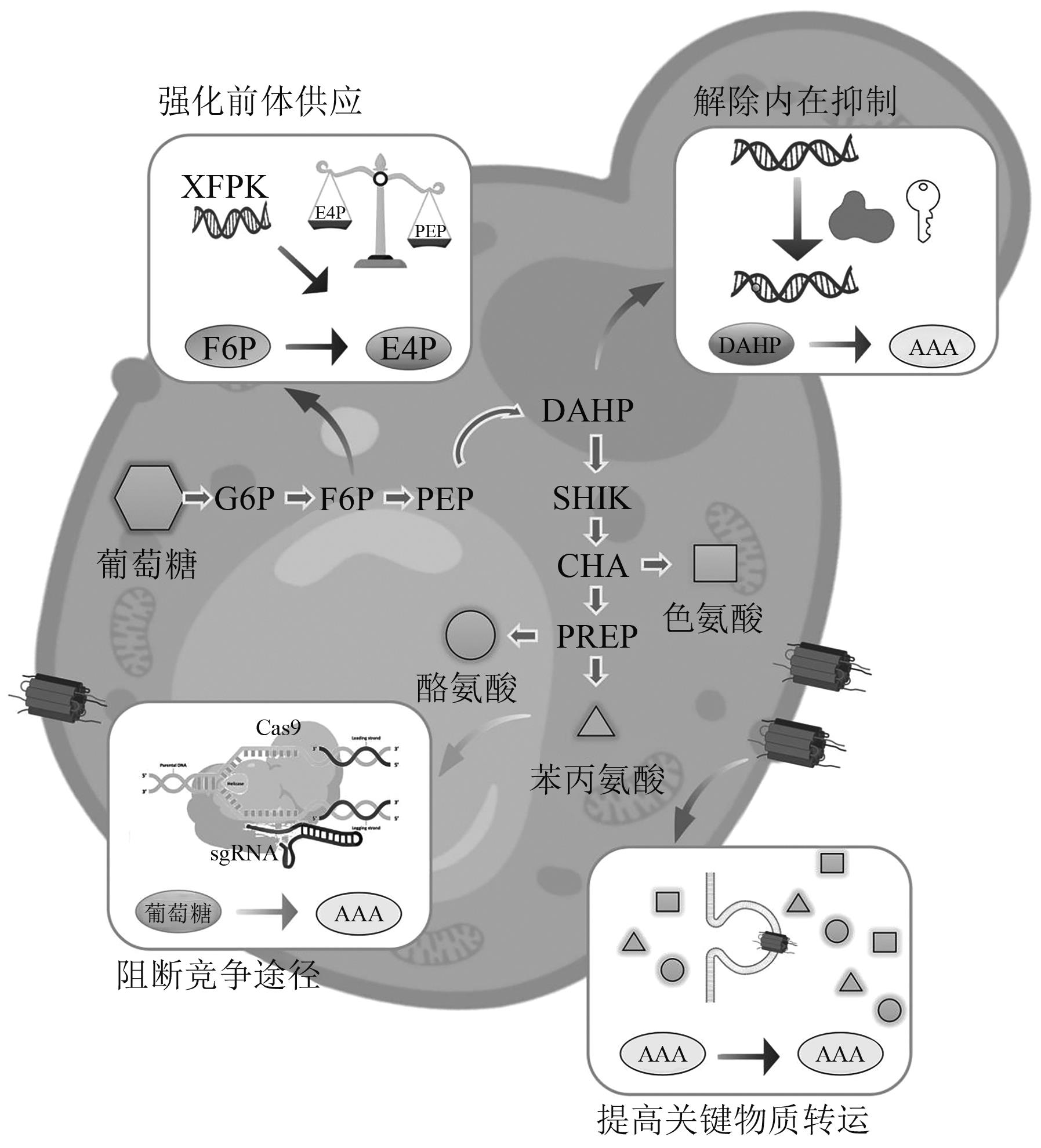
Fig. 2 Schematic diagram of the static regulation strategy

Fig. 3 Schematic diagram of the spatiotemporal dynamic regulation strategy
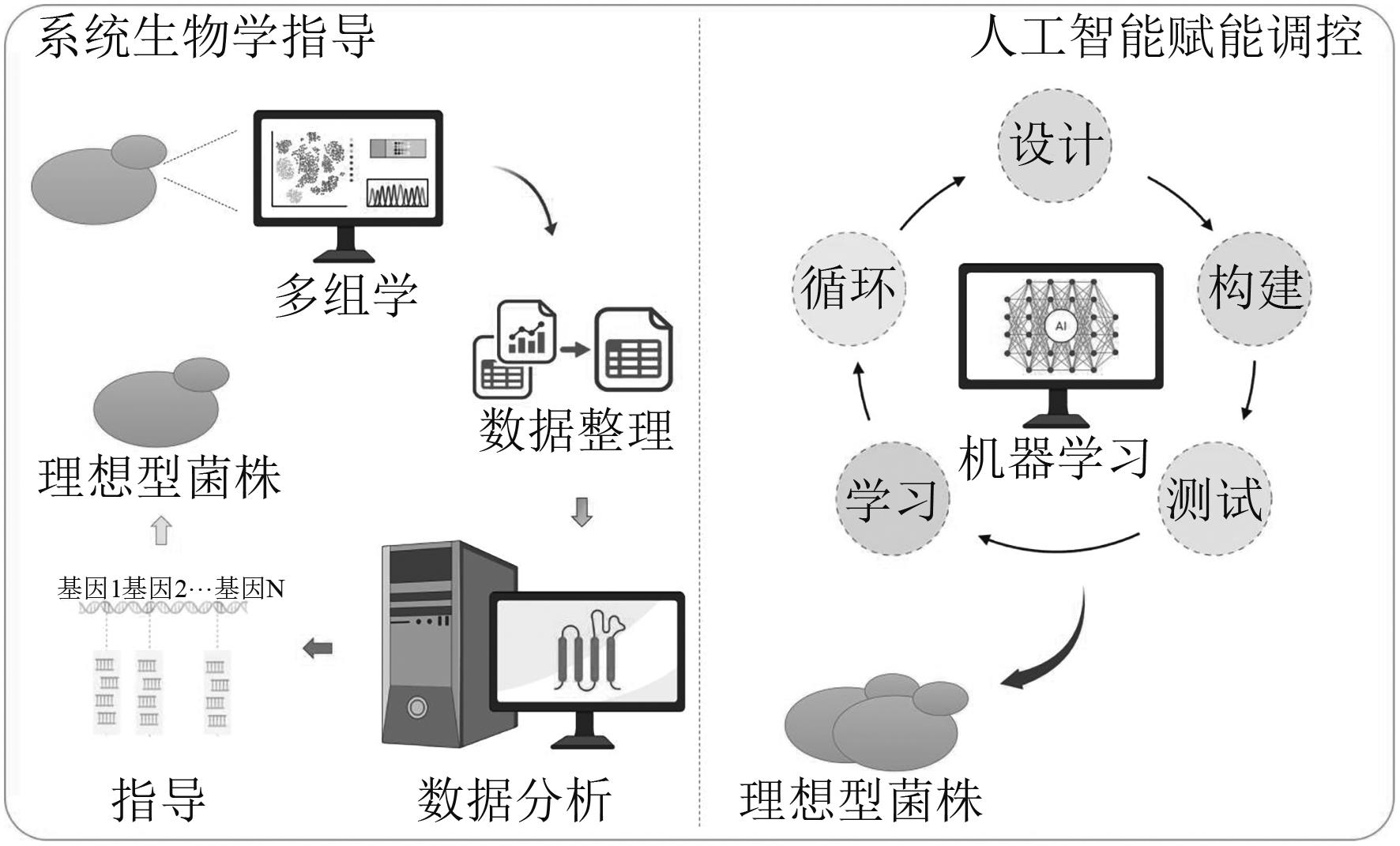
Fig. 4 Schematic diagram of systems biology-guided and AI-regulated strategy
| 底盘细胞 | 核心代谢特性 | 遗传操作便利性 | 合成芳香族化合物的优势 | 应用案例 | 主要局限 |
|---|---|---|---|---|---|
| 酿酒酵母 | Crabtree阳性;中心碳代谢背景清晰;发酵能力强,尤其乙醇发酵;环境适应能力强[ | 遗传背景最清晰;基因操作工具最成熟[ | GRAS认证;调控机制清晰;天然具备合成某些衍生物(如酪醇)的能力[ | 种类繁多,如苯乙醇、香草醛、酪醇、红景天苷、莽草酸、对香豆酸、咖啡酸、柚皮素、山柰酚、褪黑素等[ | 前体供应不足;关键酶反馈抑制严格;对某些产物耐受性差[ |
| 解脂耶氏酵母 | Crabtree阴性;脂质积累/降解能力强;胞质乙酰辅酶A和丙二酰辅酶A丰富;底物谱广泛;环境适应能力独特(耐高渗且严格好氧)[ | 遗传背景逐步明晰;基因操作工具部分建立(如CRISPR系统)[ | GRAS认证;乙酰辅酶A和丙二酰辅酶A供应充足,适合聚酮类/黄酮类合成;对某些产物耐受性强[ | 种类繁多,如柚皮素、圣草酚、花旗松素、白藜芦醇、虎杖苷、对香豆酸、灯盏乙素等[ | 遗传工具库相对较少;菌丝形态转换影响工业化发酵[ |
| 巴斯德毕赤酵母 | Crabtree阴性;甲醇代谢独特;可分泌高效蛋白;环境适应能力独特(耐受低氧及高渗环境)[ | 遗传背景逐步清晰;基因操作工具部分建立(如CRISPR系统及诱导系统)[ | GRAS认证;真核蛋白表达能力强(尤其适合复杂的P450酶)[ | 相对较少,对香豆酸、柚皮素、白藜芦醇等[ | 生长相对较慢;前体不足;通常不作为小分子化合物的首选生产底盘[ |
| 马克斯克鲁维酵母 | Crabtree阴性;中心碳代谢可塑性强;底物谱宽泛,擅长利用非常规碳源;环境适应能力独特(耐高温且生长快速)[ | 遗传背景日趋清晰;基因操作工具部分建立(如CRISPR、模块化表达载体)[ | GRAS认证;生长快;适合高温发酵节省成本,降低染菌风险;可利用部分廉价工业副产物[ | 相对较少,2-苯乙醇、乙醇酸等[ | 遗传操作工具不够成熟;代谢认知不清晰[ |
| 其他非模式酵母 | Crabtree效应复杂;中心碳代谢各异;底物谱广泛;环境适应能力可能耐受多重胁迫[ | 遗传背景有待进一步明晰;工具成熟度有待提升[ | 某些酵母可利用廉价原料[ | 可根据具体酵母特性进行研究,如对香豆酸、咖啡酸、阿魏酸、类胡萝卜素等[ | 遗传背景待挖掘;遗传工具不足[ |
Table 1 Comparison of characteristics of different yeast for aromatic compound synthesis
| 底盘细胞 | 核心代谢特性 | 遗传操作便利性 | 合成芳香族化合物的优势 | 应用案例 | 主要局限 |
|---|---|---|---|---|---|
| 酿酒酵母 | Crabtree阳性;中心碳代谢背景清晰;发酵能力强,尤其乙醇发酵;环境适应能力强[ | 遗传背景最清晰;基因操作工具最成熟[ | GRAS认证;调控机制清晰;天然具备合成某些衍生物(如酪醇)的能力[ | 种类繁多,如苯乙醇、香草醛、酪醇、红景天苷、莽草酸、对香豆酸、咖啡酸、柚皮素、山柰酚、褪黑素等[ | 前体供应不足;关键酶反馈抑制严格;对某些产物耐受性差[ |
| 解脂耶氏酵母 | Crabtree阴性;脂质积累/降解能力强;胞质乙酰辅酶A和丙二酰辅酶A丰富;底物谱广泛;环境适应能力独特(耐高渗且严格好氧)[ | 遗传背景逐步明晰;基因操作工具部分建立(如CRISPR系统)[ | GRAS认证;乙酰辅酶A和丙二酰辅酶A供应充足,适合聚酮类/黄酮类合成;对某些产物耐受性强[ | 种类繁多,如柚皮素、圣草酚、花旗松素、白藜芦醇、虎杖苷、对香豆酸、灯盏乙素等[ | 遗传工具库相对较少;菌丝形态转换影响工业化发酵[ |
| 巴斯德毕赤酵母 | Crabtree阴性;甲醇代谢独特;可分泌高效蛋白;环境适应能力独特(耐受低氧及高渗环境)[ | 遗传背景逐步清晰;基因操作工具部分建立(如CRISPR系统及诱导系统)[ | GRAS认证;真核蛋白表达能力强(尤其适合复杂的P450酶)[ | 相对较少,对香豆酸、柚皮素、白藜芦醇等[ | 生长相对较慢;前体不足;通常不作为小分子化合物的首选生产底盘[ |
| 马克斯克鲁维酵母 | Crabtree阴性;中心碳代谢可塑性强;底物谱宽泛,擅长利用非常规碳源;环境适应能力独特(耐高温且生长快速)[ | 遗传背景日趋清晰;基因操作工具部分建立(如CRISPR、模块化表达载体)[ | GRAS认证;生长快;适合高温发酵节省成本,降低染菌风险;可利用部分廉价工业副产物[ | 相对较少,2-苯乙醇、乙醇酸等[ | 遗传操作工具不够成熟;代谢认知不清晰[ |
| 其他非模式酵母 | Crabtree效应复杂;中心碳代谢各异;底物谱广泛;环境适应能力可能耐受多重胁迫[ | 遗传背景有待进一步明晰;工具成熟度有待提升[ | 某些酵母可利用廉价原料[ | 可根据具体酵母特性进行研究,如对香豆酸、咖啡酸、阿魏酸、类胡萝卜素等[ | 遗传背景待挖掘;遗传工具不足[ |
| [1] | ZHU L, WEI T, GAO J, et al.. The cardioprotective effect of salidroside against myocardial ischemia reperfusion injury in rats by inhibiting apoptosis and inflammation[J]. Apoptosis, 2015, 20(11): 1433-1443. |
| [2] | EL-AZAZ J, MAEDA H A. The multilayered regulation of aromatic amino acid biosynthesis in plants[J]. Trends Biochem. Sci., 2025, 50(12): 1051-1071. |
| [3] | CAO M, GAO M, SUÁSTEGUI M, et al.. Building microbial factories for the production of aromatic amino acid pathway derivatives: from commodity chemicals to plant-sourced natural products[J]. Metab. Eng., 2020, 58: 94-132. |
| [4] | SHEN Y P, NIU F X, YAN Z B, et al.. Recent advances in metabolically engineered microorganisms for the production of aromatic chemicals derived from aromatic amino acids[J/OL]. Front. Bioeng. Biotechnol., 2020, 8: 407[2026-01-11]. . |
| [5] | TANG M, YOU J, YANG T, et al.. Application of modern synthetic biology technology in aromatic amino acids and derived compounds biosynthesis[J/OL]. Bioresour. Technol., 2024, 406: 131050[2026-01-11]. . |
| [6] | LIU Y, LIU H, HU H, et al.. De novo production of hydroxytyrosol by metabolic engineering of Saccharomyces cerevisiae [J]. J. Agric. Food Chem., 2022, 70(24): 7490-7499. |
| [7] | ZHANG J X, MA L Q, YU H S, et al.. A tyrosine decarboxylase catalyzes the initial reaction of the salidroside biosynthesis pathway in Rhodiola sachalinensis [J]. Plant Cell Rep., 2011, 30(8): 1443-1453. |
| [8] | ZHA J, LIU D, REN J, et al.. Advances in metabolic engineering of Pichia pastoris strains as powerful cell factories[J/OL]. J. Fungi, 2023, 9(10): 1027[2026-01-11]. . |
| [9] | BRAGA A, FARIA N. Bioprocess optimization for the production of aromatic compounds with metabolically engineered hosts: recent developments and future challenges[J/OL]. Front. Bioeng. Biotechnol., 2020, 8: 96[2026-01-11]. . |
| [10] | GUIRIMAND G, KULAGINA N, PAPON N, et al.. Innovative tools and strategies for optimizing yeast cell factories[J]. Trends Biotechnol., 2021, 39(5): 488-504. |
| [11] | QIU Y, LEI P, WANG R, et al.. Kluyveromyces as promising yeast cell factories for industrial bioproduction: from bio-functional design to applications[J/OL]. Biotechnol. Adv., 2023, 64: 108125[2026-01-11]. . |
| [12] | GAO M, CAO M, SUÁSTEGUI M, et al.. Innovating a nonconventional yeast platform for producing shikimate as the building block of high-value aromatics[J]. ACS Synth. Biol., 2017, 6(1): 29-38. |
| [13] | MOON S Y, AN N Y, LEE J Y. Transforming non-conventional yeasts into key players in biotechnology: advances in synthetic biology applications[J/OL]. Front. Microbiol., 2025, 16: 1600187[2026-01-11]. . |
| [14] | LAN X, CHANG K, ZENG L, et al.. Engineering salidroside biosynthetic pathway in hairy root cultures of Rhodiola crenulata based on metabolic characterization of tyrosine decarboxylase[J/OL]. PLoS One, 2013, 8(10): e75459[2026-01-11]. . |
| [15] | LI T, FENG Y, YANG R, et al.. Salidroside promotes the pathological α-synuclein clearance through ubiquitin-proteasome system in SH-SY5Y cells[J/OL]. Front. Pharmacol., 2018, 9: 377[2026-01-11]. . |
| [16] | ZHONG Z F, HAN J, ZHANG J Z, et al.. Neuroprotective effects of salidroside on cerebral ischemia/reperfusion-induced behavioral impairment involves the dopaminergic system[J/OL]. Front. Pharmacol., 2019, 10: 1433[2026-01-11]. . |
| [17] | LIU Y, SONG D, HU H, et al.. De novo production of hydroxytyrosol by Saccharomyces cerevisiae-Escherichia coli coculture engineering[J]. ACS Synth. Biol., 2022, 11(9): 3067-3077. |
| [18] | SÁEZ-SÁEZ J, WANG G, MARELLA E R, et al.. Engineering the oleaginous yeast Yarrowia lipolytica for high-level resveratrol production[J]. Metab. Eng., 2020, 62: 51-61. |
| [19] | CHUNG D, KIM S Y, AHN J H. Production of three phenylethanoids, tyrosol, hydroxytyrosol, and salidroside, using plant genes expressing in Escherichia coli [J/OL]. Sci. Rep., 2017, 7: 2578[2026-01-11]. . |
| [20] | BARBIER I, KUSUMAWARDHANI H, CHAUHAN L, et al.. Synthetic gene circuits combining CRISPR interference and CRISPR activation in E. coli: importance of equal guide RNA binding affinities to avoid context-dependent effects[J]. ACS Synth. Biol., 2023, 12(10): 3064-3071. |
| [21] | BUECHERL L, ROBERTS R, FONTANARROSA P, et al.. Stochastic hazard analysis of genetic circuits in iBioSim and STAMINA[J]. ACS Synth. Biol., 2021, 10(10): 2532-2540. |
| [22] | VERMA P, PATHAK K. Nanosized ethanolic vesicles loaded with econazole nitrate for the treatment of deep fungal infections through topical gel formulation[J]. Nanomed. Nanotechnol. Biol. Med., 2012, 8(4): 489-496. |
| [23] | NODA S, KONDO A. Recent advances in microbial production of aromatic chemicals and derivatives[J]. Trends Biotechnol., 2017, 35(8): 785-796. |
| [24] | GOTTARDI M, REIFENRATH M, BOLES E, et al.. Pathway engineering for the production of heterologous aromatic chemicals and their derivatives in Saccharomyces cerevisiae: bioconversion from glucose[J/OL]. FEMS Yeast Res., 2017, 17(4): fox035[2026-01-11]. . |
| [25] | WANG H, LI Q, SUN S, et al.. Neuroprotective effects of salidroside in a mouse model of Alzheimer's disease[J]. Cell. Mol. Neurobiol., 2020, 40(7): 1133-1142. |
| [26] | REN X, WEI Y, ZHAO H, et al.. A comprehensive review and comparison of L-tryptophan biosynthesis in Saccharomyces cerevisiae and Escherichia coli [J/OL]. Front. Bioeng. Biotechnol., 2023, 11: 1261832[2026-01-11]. . |
| [27] | LIU Y, WANG J, WANG L, et al.. Biosynthesis and biotechnological production of salidroside from Rhodiola genus plants[J]. Phytochem. Rev., 2022, 21(5): 1605-1626. |
| [28] | LI M, XU T, ZHOU F, et al.. Neuroprotective effects of four phenylethanoid glycosides on H2O2-induced apoptosis on PC12 cells via the Nrf2/ARE pathway[J/OL]. Int. J. Mol. Sci., 2018, 19(4): 1135[2026-01-11]. . |
| [29] | SUÁSTEGUI M, GUO W, FENG X, et al.. Investigating strain dependency in the production of aromatic compounds in Saccharomyces cerevisiae [J]. Biotechnol. Bioeng., 2016, 113(12): 2676-2685. |
| [30] | CROSS P J, PARKER E J. Allosteric inhibitor specificity of Thermotoga maritima 3-deoxy-d-arabino-heptulosonate 7-phosphate synthase[J]. FEBS Lett., 2013, 587(18): 3063-3068. |
| [31] | NATARAJAN K, MEYER M R, JACKSON B M, et al.. Transcriptional profiling shows that Gcn4p is a master regulator of gene expression during amino acid starvation in yeast[J]. Mol. Cell. Biol., 2001, 21(13): 4347-4368. |
| [32] | LYU X, NG K R, LEE J L, et al.. Enhancement of naringenin biosynthesis from tyrosine by metabolic engineering of Saccharomyces cerevisiae [J]. J. Agric. Food Chem., 2017, 65(31): 6638-6646. |
| [33] | LI Z, WANG X, HU G, et al.. Engineering metabolic flux for the microbial synthesis of aromatic compounds[J]. Metab. Eng., 2025, 88: 94-112. |
| [34] | BLÁZQUEZ B, LEÓN DSAN, ROJAS A, et al.. New insights on metabolic features of Bacillus subtilis based on multistrain genome-scale metabolic modeling[J/OL]. Int. J. Mol. Sci., 2023, 24(8): 7091[2026-01-11]. . |
| [35] | DEANER M, ALPER H S. Systematic testing of enzyme perturbation sensitivities via graded dCas9 modulation in Saccharomyces cerevisiae [J]. Metab. Eng., 2017, 40: 14-22. |
| [36] | 陈茁, 朱源, 李伟国, 等. 解脂耶氏酵母生物合成芳香族氨基酸衍生物的合成生物学策略[J]. 微生物学通报, 2025, 52(1): 33-45. |
| CHEN Z, ZHU Y, LI W G, et al.. Strategy for the biosynthesis of aromatic amino acid derivatives by Yarrowia lipolytica [J]. Microbiol. China, 2025, 52(1): 33-45. | |
| [37] | GUO W, HUANG Q, FENG Y, et al.. Rewiring central carbon metabolism for tyrosol and salidroside production in Saccharomyces cerevisiae [J]. Biotechnol. Bioeng., 2020, 117(8): 2410-2419. |
| [38] | GU Y, MA J, ZHU Y, et al.. Engineering Yarrowia lipolytica as a chassis for de novo synthesis of five aromatic-derived natural products and chemicals[J]. ACS Synth. Biol., 2020, 9(8): 2096-2106. |
| [39] | 周丹丹, 马营, 刘英杰. 微生物合成酪氨酸衍生物的代谢途径调控策略研究进展[J]. 食品科学, 2025, 46(13): 28-40. |
| ZHOU D D, MA Y, LIU Y J. Recent advances in regulatory strategies of metabolic pathways for microbial synthesis of tyrosine derivatives[J]. Food Sci., 2025, 46(13): 28-40. | |
| [40] | PRADO A R, KILDEGAARD K, LI M, et al.. Development of a yeast cell factory for production of aromatic products[J/OL]. New Biotechnol., 2014, 31: S130[2026-01-11]. . |
| [41] | 刘英杰, 符长春, 张学鹏, 等. 酪醇及其衍生物的微生物代谢工程调控研究进展[J]. 生物工程学报, 2024, 40(8): 2604-2625. |
| LIU Y J, FU C C, ZHANG X P, et al.. Recent advances in metabolic engineering of microorganisms for production of tyrosol and its derivatives[J]. Chin. J. Biotechnol., 2024, 40(8): 2604-2625. | |
| [42] | LUTTIK M A H, VURALHAN Z, SUIR E, et al.. Alleviation of feedback inhibition in Saccharomyces cerevisiae aromatic amino acid biosynthesis: quantification of metabolic impact[J]. Metab. Eng., 2008, 10(3-4): 141-153. |
| [43] | LIU H, TIAN Y, ZHOU Y, et al.. Multi-modular engineering of Saccharomyces cerevisiae for high-titre production of tyrosol and salidroside[J]. Microb. Biotechnol., 2021, 14(6): 2605-2616. |
| [44] | LIU H, XIAO Q, WU X, et al.. Mechanistic investigation of a D to N mutation in DAHP synthase that dictates carbon flux into the shikimate pathway in yeast[J/OL]. Commun. Chem., 2023, 6(1): 152[2023-07-15].. |
| [45] | ZHANG J, PETERSEN S D, RADIVOJEVIC T, et al.. Combining mechanistic and machine learning models for predictive engineering and optimization of tryptophan metabolism[J/OL]. Nat. Commun., 2020, 11: 4880[2026-01-11]. . |
| [46] | RODRIGUEZ A, KILDEGAARD K R, LI M, et al.. Establishment of a yeast platform strain for production of p-coumaric acid through metabolic engineering of aromatic amino acid biosynthesis[J]. Metab. Eng., 2015, 31: 181-188. |
| [47] | KOOPMAN F, BEEKWILDER J, CRIMI B, et al.. De novo production of the flavonoid naringenin in engineered Saccharomyces cerevisiae [J/OL]. Microb. Cell Fact., 2012, 11(1): 155[2026-01-11]. . |
| [48] | SHANG Y, ZHANG P, WEI W, et al.. Metabolic engineering for the high-yield production of polydatin in Yarrowia lipolytica [J/OL]. Bioresour. Technol., 2023, 381: 129129[2026-01-11]. . |
| [49] | PEREIRA R, MOHAMED E T, RADI M S, et al.. Elucidating aromatic acid tolerance at low pH in Saccharomyces cerevisiaeusing adaptive laboratory evolution[J]. Proc. Natl. Acad. Sci. USA, 2020, 117(45): 27954-27961. |
| [50] | SUN L, GAO Y, SUN R, et al.. Metabolic and tolerance engineering of Komagataella phaffii for 2-phenylethanol production through genome-wide scanning[J/OL]. Biotechnol. Biofuels Bioprod., 2024, 17(1): 107[2026-01-11]. . |
| [51] | ETSCHMANN M M W, SELL D, SCHRADER J. Production of 2-phenylethanol and 2-phenylethylacetate from L-phenylalanine by coupling whole-cell biocatalysis with organophilic pervaporation[J]. Biotechnol. Bioeng., 2005, 92(5): 624-634. |
| [52] | PENG H, CHEN R, SHAW W M, et al.. Modular metabolic engineering and synthetic coculture strategies for the production of aromatic compounds in yeast[J]. ACS Synth. Biol., 2023, 12(6): 1739-1749. |
| [53] | DICKEY R M, FORTI A M, KUNJAPUR A M. Advances in engineering microbial biosynthesis of aromatic compounds and related compounds[J/OL]. Bioresour. Bioprocess., 2021, 8(1): 91[2026-01-11]. . |
| [54] | LIU D, SICA M S, MAO J, et al.. A p-coumaroyl-CoA biosensor for dynamic regulation of naringenin biosynthesis in Saccharomyces cerevisiae [J]. ACS Synth. Biol., 2022, 11(10): 3228-3238. |
| [55] | 张萍,魏文平,周英,等.解脂耶氏酵母中光控表达系统的构建及其应用研究[J].合成生物学,2021,2(5):778-791. |
| ZHANG P, WEI W P, ZHOU Y, et al.. Construction of a light-controlled expression system and its application in Yarrowia lipolytica [J]. Synth. Biol. J., 2021, 2(5): 778-791. | |
| [56] | HOU Q, HE Q, LIU G, et al.. Identification and application of novel low pH-inducible promoters for lactic acid production in the tolerant yeast Candida glycerinogenes[J]. J. Biosci. Bioeng., 2019, 128(1): 8-12. |
| [57] | SHEN B, ZHOU P, JIAO X, et al.. Fermentative production of Vitamin E tocotrienols in Saccharomyces cerevisiae under cold-shock-triggered temperature control[J/OL]. Nat. Commun., 2020, 11: 5155[2026-01-11]. . |
| [58] | LI L, PAN Y, ZHANG S, et al.. Quorum sensing: cell-to-cell communication in Saccharomyces cerevisiae [J/OL]. Front. Microbiol., 2023, 14: 1250151[2026-01-11]. . |
| [59] | CHEN H, FINK G R. Feedback control of morphogenesis in fungi by aromatic alcohols[J]. Genes Dev., 2006, 20(9): 1150-1161. |
| [60] | YANG X, LIU J, ZHANG J, et al.. Quorum sensing-mediated protein degradation for dynamic metabolic pathway control in Saccharomyces cerevisiae [J]. Metab. Eng., 2021, 64: 85-94. |
| [61] | DING Q, YE C. Microbial cell factories based on filamentous bacteria, yeasts, and fungi[J/OL]. Microb. Cell Fact., 2023, 22(1): 20[2026-01-11]. . |
| [62] | REIFENRATH M, BAUER M, OREB M, et al.. Bacterial bifunctional chorismate mutase-prephenate dehydratase PheA increases flux into the yeast phenylalanine pathway and improves mandelic acid production[J/OL]. Metab. Eng. Commun., 2018, 7: e00079[2026-01-11]. . |
| [63] | LIU G S, LI T, ZHOU W, et al.. The yeast peroxisome: a dynamic storage depot and subcellular factory for squalene overproduction[J]. Metab. Eng., 2020, 57: 151-161. |
| [64] | REIFENRATH M, OREB M, BOLES E, et al.. Artificial ER-derived vesicles as synthetic organelles for in vivo compartmentalization of biochemical pathways[J]. ACS Synth. Biol., 2020, 9(11): 2909-2916. |
| [65] | LIU Y, GU B, SHI J, et al.. Inverse metabolic engineering based on metabonomics for efficient production of hydroxytyrosol by Saccharomyces cerevisiae [J/OL]. Bioresour. Technol., 2024, 409: 131187[2026-01-11]. . |
| [66] | BORJA G M, RODRIGUEZ A, CAMPBELL K, et al.. Metabolic engineering and transcriptomic analysis of Saccharomyces cerevisiae producing p-coumaric acid from xylose[J/OL]. Microb. Cell Fact., 2019, 18(1): 191[2026-01-11]. . |
| [67] | 李慧敏,贾斌,李霞,等.合成芳香族化合物的酵母底盘改造策略[J].中国生物工程杂志,2022,42(10):80-92. |
| LI H M, JIA B, LI X, et al.. Advances in engineering yeast chassis for producing aromatic compounds[J]. China Biotechnol., 2022, 42(10): 80-92. | |
| [68] | NIELSEN J. Yeast systems biology: model organism and cell factory[J/OL]. Biotechnol. J., 2019, 14(9): 1800421[2026-01-11]. . |
| [69] | OTERO J M, CIMINI D, PATIL K R, et al.. Industrial systems biology of Saccharomyces cerevisiae enables novel succinic acid cell factory[J/OL]. PLoS One, 2013, 8(1): e54144[2026-01-11]. . |
| [70] | LOIRA N, DULERMO T, NICAUD J M, et al.. A genome-scale metabolic model of the lipid-accumulating yeast Yarrowia lipolytica [J/OL]. BMC Syst. Biol., 2012, 6(1): 35[2026-01-11]. . |
| [71] | LÜ X, FAN S, LÜ R, et al.. Deep learning-driven semi-rational design in phenylalanine ammonia-lyase for enhanced catalytic efficiency[J/OL]. Int. J. Biol. Macromol., 2025, 305: 141024[2026-01-11]. . |
| [72] | LI M, ZHANG C, LIANG H, et al.. Machine learning-guided engineering of Chalcone synthase enables high-selectivity phloretin biosynthesis in yeast[J]. Green Chem., 2025, 27(40): 12602-12612. |
| [73] | SINGH N, LANE S, YU T, et al.. A generalized platform for artificial intelligence-powered autonomous enzyme engineering[J/OL]. Nat. Commun., 2025, 16: 5648[2026-01-11]. . |
| [74] | ZHENG S, ZENG T, LI C, et al.. Deep learning driven biosynthetic pathways navigation for natural products with BioNavi-NP[J/OL]. Nat. Commun., 2022, 13(1): 3342[2022-06-10].. |
| [75] | BOTSTEIN D, FINK G R. Yeast: an experimental organism for 21st century biology[J]. Genetics, 2011, 189(3): 695-704. |
| [76] | LI M, KILDEGAARD K R, CHEN Y, et al.. De novo production of resveratrol from glucose or ethanol by engineered Saccharomyces cerevisiae [J]. Metab. Eng., 2015, 32: 1-11. |
| [77] | TARTIK M, LIU J, MOHEDANO M T, et al.. Optimizing yeast for high-level production of kaempferol and quercetin[J/OL]. Microb. Cell Fact., 2023, 22(1): 74[2026-01-11]. . |
| [78] | DICARLO J E, NORVILLE J E, MALI P, et al.. Genome engineering in Saccharomyces cerevisiae using CRISPR-Cas systems[J]. Nucleic Acids Res., 2013, 41(7): 4336-4343. |
| [79] | MARKHAM K A, ALPER H S. Synthetic biology expands the industrial potential of Yarrowia lipolytica [J]. Trends Biotechnol., 2018, 36(10): 1085-1095. |
| [80] | LYU Y, MARSAFARI M, KOFFAS M, et al.. Optimizing oleaginous yeast cell factories for flavonoids and hydroxylated flavonoids biosynthesis[J]. ACS Synth. Biol., 2019, 8(11): 2514-2523. |
| [81] | GROENEWALD M, BOEKHOUT T, NEUVÉGLISE C, et al.. Yarrowia lipolytica: safety assessment of an oleaginous yeast with a great industrial potential[J]. Crit. Rev. Microbiol., 2014, 40(3): 187-206. |
| [82] | KUMOKITA R, YOSHIDA T, SHIRAI T, et al.. Aromatic secondary metabolite production from glycerol was enhanced by amino acid addition in Pichia pastoris [J]. Appl. Microbiol. Biotechnol., 2023, 107(24): 7391-7401. |
| [83] | ZHU T, SUN H, WANG M, et al.. Pichia pastoris as a versatile cell factory for the production of industrial enzymes and chemicals: current status and future perspectives[J/OL]. Biotechnol. J., 2019, 14(6): 1800694[2026-01-11]. . |
| [84] | LIU W C, INWOOD S, GONG T, et al.. Fed-batch high-cell-density fermentation strategies for Pichia pastoris growth and production[J]. Crit. Rev. Biotechnol., 2019, 39(2): 258-271. |
| [85] | WENINGER A, HATZL A M, SCHMID C, et al.. Combinatorial optimization of CRISPR/Cas9 expression enables precision genome engineering in the methylotrophic yeast Pichia pastoris [J]. J. Biotechnol., 2016, 235: 139-149. |
| [86] | KARIM A, GERLIANI N, AÏDER M. Kluyveromyces marxianus: an emerging yeast cell factory for applications in food and biotechnology[J/OL]. Int. J. Food Microbiol., 2020, 333: 108818[2026-01-11]. . |
| [87] | RODICIO R, HEINISCH J J. Yeast on the milky way: genetics, physiology and biotechnology of Kluyveromyces lactis [J]. Yeast, 2013, 30(5): 165-177. |
| [88] | LÖBS A K, SCHWARTZ C, THORWALL S, et al.. Highly multiplexed CRISPRi repression of respiratory functions enhances mitochondrial localized ethyl acetate biosynthesis in Kluyveromyces marxianus [J]. ACS Synth. Biol., 2018, 7(11): 2647-2655. |
| [89] | JEFFRIES T W, GRIGORIEV I V, GRIMWOOD J, et al.. Genome sequence of the lignocellulose-bioconverting and xylose-fermenting yeast Pichia stipitis [J]. Nat. Biotechnol., 2007, 25(3): 319-326. |
| [90] | YU Y, SHI S. Development and perspective of Rhodotorula toruloides as an efficient cell factory[J]. J. Agric. Food Chem., 2023, 71(4): 1802-1819. |
| [91] | SUÁSTEGUI M, SHAO Z. Yeast factories for the production of aromatic compounds: from building blocks to plant secondary metabolites[J]. J. Ind. Microbiol. Biotechnol., 2016, 43(11): 1611-1624. |
| [92] | KUMOKITA R, BAMBA T, INOKUMA K, et al.. Construction of an l-tyrosine chassis in Pichia pastoris enhances aromatic secondary metabolite production from glycerol[J]. ACS Synth. Biol., 2022, 11(6): 2098-2107. |
| [1] | Wenzhu WEI, Sen PANG, Xiaoli HUANG, Jian WANG, Xing FAN, Siyan CHEN, Yujian CHEN, Jian JIAO. Engineering Microbial Cell Factories: Advances in Material Systems and Biomanufacturing Technologies [J]. Current Biotechnology, 2026, 16(3): 574-584. |
| [2] | Xuan ZHAO, Zhongxue LIU, Lingling WU, Yongming GOU, Yingjie LIU, Wenjian MA. Research Progress on Recombinant Protein Production in the Yarrowia lipolytica Cell Factory [J]. Current Biotechnology, 2026, 16(3): 562-573. |
| [3] | Xiaoyu WANG, Lin CUI, Miao LIU, Huiying LUO, Bin YAO, Xiaolu WANG. Research Advances on the Resource Utilization of Carbon Dioxide Based on Microbial Cell Factories [J]. Current Biotechnology, 2026, 16(3): 454-484. |
| [4] | Zhaohui CUI, Ling GUO, Xudong SHEN, Yi LIN, Lili ZHAI. Research Progress on Yeast Expression of Therapeutic Recombinant Proteins [J]. Current Biotechnology, 2025, 15(3): 380-387. |
| [5] | Jiasheng BAO, Bingzhen PAN, Qiwu QIAO, Huizhi LIU, Suhua PAN. Advances in Yeast Bioactive Substances and Their Cosmetic Efficacy [J]. Current Biotechnology, 2023, 13(3): 345-352. |
| [6] | Chunyue ZHANG, Jiayang JIN, Yongjun QIU, Liqiang FAN, Liming ZHAO. Collision Between Tradition and Future: Technology and Application Progress in Food Fermentation Engineering [J]. Current Biotechnology, 2021, 11(4): 418-429. |
| [7] | ZHANG Xiangxiang, TENG Yantong, CHEN Tao*. Research on AtEXD Participating in Response to Salt Stress in Plant [J]. Curr. Biotech., 2021, 11(1): 61-68. |
| [8] | LI Yanhu, NIU Yaoxing, LIU Xiaoxia, GUO Juan, DENG Zhanrui, YUN Jianmin*. Optimization of Freeze-drying Microbial Agent Preparation of Direct Vat Aroma-enhancing Yeast Starter for Jiangshui Production [J]. Curr. Biotech., 2018, 8(5): 441-449. |
| [9] | WANG Ting, GE Huai-Na, GUO Hong*. Progress on Application of Yeast Two-hybrid Technique [J]. Curr. Biotech., 2015, 5(5): 392-396. |
| [10] | ZHANG Yun-peng, WEN Tong, JIANG Wei*. The Research Progress of Escherichia coli Expression Systems and Yeast Expression Systems [J]. Curr. Biotech., 2014, 4(6): 389-393. |
| [11] | CHANG Liang, LIU Xiao-zhi, MENG Ya-juan, MA Zhi-jun, GAO Jian. Progress in Engineering of Yeast Secretion System [J]. Curr. Biotech., 2013, 3(3): 185-189. |
| Viewed | ||||||
|
Full text |
|
|||||
|
Abstract |
|
|||||
