

Current Biotechnology ›› 2026, Vol. 16 ›› Issue (4): 843-852.DOI: 10.19586/j.2095-2341.2025.0179
• Special Forum on Detection Technology for Genetically Modified Organisms • Previous Articles Next Articles
Fangrui GAO1( ), Ziyan CHEN1, Tongtong ZHAO1, Hongye JIANG1, Hua ZHANG1, Yichen LIAO1, Xiaodan JIANG1, Fangqi FU1, Yahui LI1,2, Haoqian WANG1(), Hong CHEN1()
Received:2025-12-15
Accepted:2026-01-26
Online:2026-07-25
Published:2026-09-11
Contact:
Haoqian WANG,Hong CHEN
CLC Number:
Fangrui GAO, Ziyan CHEN, Tongtong ZHAO, Hongye JIANG, Hua ZHANG, Yichen LIAO, Xiaodan JIANG, Fangqi FU, Yahui LI, Haoqian WANG, Hong CHEN. PCR Detection Method for Transgenic Maize KJ1003[J]. Current Biotechnology, 2026, 16(4): 843-852.
| 转基因混合样品 | 组成成分(每种转化体质量分数1%) |
|---|---|
| 其他转基因玉米混合样 | Bt11、Bt176、MON810、MON863、GA21、NK603、T25、TC1507、MON89034、MON88017、59122、MIR604、3272、MON87460、DAS40278-9、4114、MON87427、5307、DBN9858、ND207、DBN9501、瑞丰125、DBN9936、MON87411、MZIR098、瑞丰8、BFL4-2、nCX-1 |
| 转基因大豆混合样 | GTS40-3-2、MON89788、A5547-127、A2704-12、356043、305423、CV127、MON87701、MON87708、MON87769、MON87705、FG72、DAS81419-2、DAS-444Ø6-6、MON87751、SHZD3201、CAL16、中黄6106、DBN9004 |
| 转基因水稻混合样 | TT51-1、KF-6、KMD-1、M12、KF-8、KF-2、G6H1、T1C-19 |
| 转基因油菜混合样 | MS1、MS8、RF1、RF2、RF3、T45、Oxy-235、Topas19/2、MON88302、73496 |
| 转基因棉花混合样 | MON1445、MON531、MON15985、LLCOTTON25、MON88913、GHB614、COT102 |
| 非转基因玉米混合样 | 多种非转基因玉米等量混合制成 |
Table 1 Sample information
| 转基因混合样品 | 组成成分(每种转化体质量分数1%) |
|---|---|
| 其他转基因玉米混合样 | Bt11、Bt176、MON810、MON863、GA21、NK603、T25、TC1507、MON89034、MON88017、59122、MIR604、3272、MON87460、DAS40278-9、4114、MON87427、5307、DBN9858、ND207、DBN9501、瑞丰125、DBN9936、MON87411、MZIR098、瑞丰8、BFL4-2、nCX-1 |
| 转基因大豆混合样 | GTS40-3-2、MON89788、A5547-127、A2704-12、356043、305423、CV127、MON87701、MON87708、MON87769、MON87705、FG72、DAS81419-2、DAS-444Ø6-6、MON87751、SHZD3201、CAL16、中黄6106、DBN9004 |
| 转基因水稻混合样 | TT51-1、KF-6、KMD-1、M12、KF-8、KF-2、G6H1、T1C-19 |
| 转基因油菜混合样 | MS1、MS8、RF1、RF2、RF3、T45、Oxy-235、Topas19/2、MON88302、73496 |
| 转基因棉花混合样 | MON1445、MON531、MON15985、LLCOTTON25、MON88913、GHB614、COT102 |
| 非转基因玉米混合样 | 多种非转基因玉米等量混合制成 |
| 编号 | 引物名称及序列(5'→3') | 产物大小/bp | 来源 | |
|---|---|---|---|---|
| 组合1 | LB-F1: 5'-CGCGTGAATACGTAGCTGTG-3' | LB-R1: 5'-GAGCGCGTAAGTCTTGGTCT-3' | 229 | 本研究设计 |
| 组合2 | LB-F2: 5'-GAGCCACACCCAAGTTCCTAA-3' | LB-R2: 5'-TGGCAAATGGGGGATGCTTT-3' | 235 | 本研究设计 |
| 组合3 | LB-F3: 5'-TGTGTCCCAAGTAAACCTCAGT-3' | LB-R3: 5'-CCAAGATGGAGGGAAGGAGC-3' | 253 | 本研究设计 |
| 组合4 | LB-F4: 5'-GTAACAGAAAACACCACGGTCC-3' | LB-R4: 5'-ATGAGGGCGACCAGACCTTA-3' | 165 | 本研究设计 |
| 组合5 | LB-F1: 5'-CGCGTGAATACGTAGCTGTG-3' | LB-R4: 5'-GTAACAGAAAACACCACGGTCC-3' | 302 | 本研究设计 |
| 组合6 | LB-F2: 5'-GAGCCACACCCAAGTTCCTAA-3' | LB-R1: 5'-GAGCGCGTAAGTCTTGGTCT-3' | 131 | 本研究设计 |
| 组合7 | LB-F3: 5'-TGTGTCCCAAGTAAACCTCAGT-3' | LB-R2: 5'-TGGCAAATGGGGGATGCTTT-3' | 306 | 本研究设计 |
| 组合8 | LB-F4: 5'-GTAACAGAAAACACCACGGTCC-3' | LB-R1: 5'-GAGCGCGTAAGTCTTGGTCT-3' | 92 | 本研究设计 |
| 组合9 | RB-F1: 5'-TTTCTCTTCCCCAACCGTGC-3' | RB-R1: 5'-AGCGCGCAAACTAGGATAAA-3' | 143 | 本研究设计 |
| 组合10 | RB-F2: 5'-GTGTTCCAGCTGACCGTGT-3' | RB-R2: 5'-CGCGGTGTCATCTATGTTACT-3' | 145 | 本研究设计 |
| 组合11 | RB-F3: 5'-CGCAGTGCGTTTGAGGC-3' | RB-R1: 5'-AGCGCGCAAACTAGGATAAA-3' | 265 | 本研究设计 |
| 组合12 | RB-F4: 5'-CATGGCCCTGACCGTAGC-3' | RB-R4: 5'-AAATATAGCGCGCAAACTAGGAT-3' | 232 | 本研究设计 |
| 组合13 | RB-F2: 5'-GTGTTCCAGCTGACCGTGT-3' | RB-R1: 5'-AGCGCGCAAACTAGGATAAA-3' | 173 | 本研究设计 |
| 组合14 | RB-F3: 5'-CGCAGTGCGTTTGAGGC-3' | RB-R4: 5'-AAATATAGCGCGCAAACTAGGAT-3' | 271 | 本研究设计 |
| 组合15 | RB-F4: 5'-CATGGCCCTGACCGTAGC-3' | RB-R2: 5'-CGCGGTGTCATCTATGTTACT-3' | 198 | 本研究设计 |
| 组合16 | LB-F1: 5'-TCCTCGCTCCCTTTTCTCTT-3' | LB-R1: 5'-TTAGAGTCCCGCAATTATACATT-3' | 202 | 公司提供 |
Table 2 Qualitative PCR primer set
| 编号 | 引物名称及序列(5'→3') | 产物大小/bp | 来源 | |
|---|---|---|---|---|
| 组合1 | LB-F1: 5'-CGCGTGAATACGTAGCTGTG-3' | LB-R1: 5'-GAGCGCGTAAGTCTTGGTCT-3' | 229 | 本研究设计 |
| 组合2 | LB-F2: 5'-GAGCCACACCCAAGTTCCTAA-3' | LB-R2: 5'-TGGCAAATGGGGGATGCTTT-3' | 235 | 本研究设计 |
| 组合3 | LB-F3: 5'-TGTGTCCCAAGTAAACCTCAGT-3' | LB-R3: 5'-CCAAGATGGAGGGAAGGAGC-3' | 253 | 本研究设计 |
| 组合4 | LB-F4: 5'-GTAACAGAAAACACCACGGTCC-3' | LB-R4: 5'-ATGAGGGCGACCAGACCTTA-3' | 165 | 本研究设计 |
| 组合5 | LB-F1: 5'-CGCGTGAATACGTAGCTGTG-3' | LB-R4: 5'-GTAACAGAAAACACCACGGTCC-3' | 302 | 本研究设计 |
| 组合6 | LB-F2: 5'-GAGCCACACCCAAGTTCCTAA-3' | LB-R1: 5'-GAGCGCGTAAGTCTTGGTCT-3' | 131 | 本研究设计 |
| 组合7 | LB-F3: 5'-TGTGTCCCAAGTAAACCTCAGT-3' | LB-R2: 5'-TGGCAAATGGGGGATGCTTT-3' | 306 | 本研究设计 |
| 组合8 | LB-F4: 5'-GTAACAGAAAACACCACGGTCC-3' | LB-R1: 5'-GAGCGCGTAAGTCTTGGTCT-3' | 92 | 本研究设计 |
| 组合9 | RB-F1: 5'-TTTCTCTTCCCCAACCGTGC-3' | RB-R1: 5'-AGCGCGCAAACTAGGATAAA-3' | 143 | 本研究设计 |
| 组合10 | RB-F2: 5'-GTGTTCCAGCTGACCGTGT-3' | RB-R2: 5'-CGCGGTGTCATCTATGTTACT-3' | 145 | 本研究设计 |
| 组合11 | RB-F3: 5'-CGCAGTGCGTTTGAGGC-3' | RB-R1: 5'-AGCGCGCAAACTAGGATAAA-3' | 265 | 本研究设计 |
| 组合12 | RB-F4: 5'-CATGGCCCTGACCGTAGC-3' | RB-R4: 5'-AAATATAGCGCGCAAACTAGGAT-3' | 232 | 本研究设计 |
| 组合13 | RB-F2: 5'-GTGTTCCAGCTGACCGTGT-3' | RB-R1: 5'-AGCGCGCAAACTAGGATAAA-3' | 173 | 本研究设计 |
| 组合14 | RB-F3: 5'-CGCAGTGCGTTTGAGGC-3' | RB-R4: 5'-AAATATAGCGCGCAAACTAGGAT-3' | 271 | 本研究设计 |
| 组合15 | RB-F4: 5'-CATGGCCCTGACCGTAGC-3' | RB-R2: 5'-CGCGGTGTCATCTATGTTACT-3' | 198 | 本研究设计 |
| 组合16 | LB-F1: 5'-TCCTCGCTCCCTTTTCTCTT-3' | LB-R1: 5'-TTAGAGTCCCGCAATTATACATT-3' | 202 | 公司提供 |
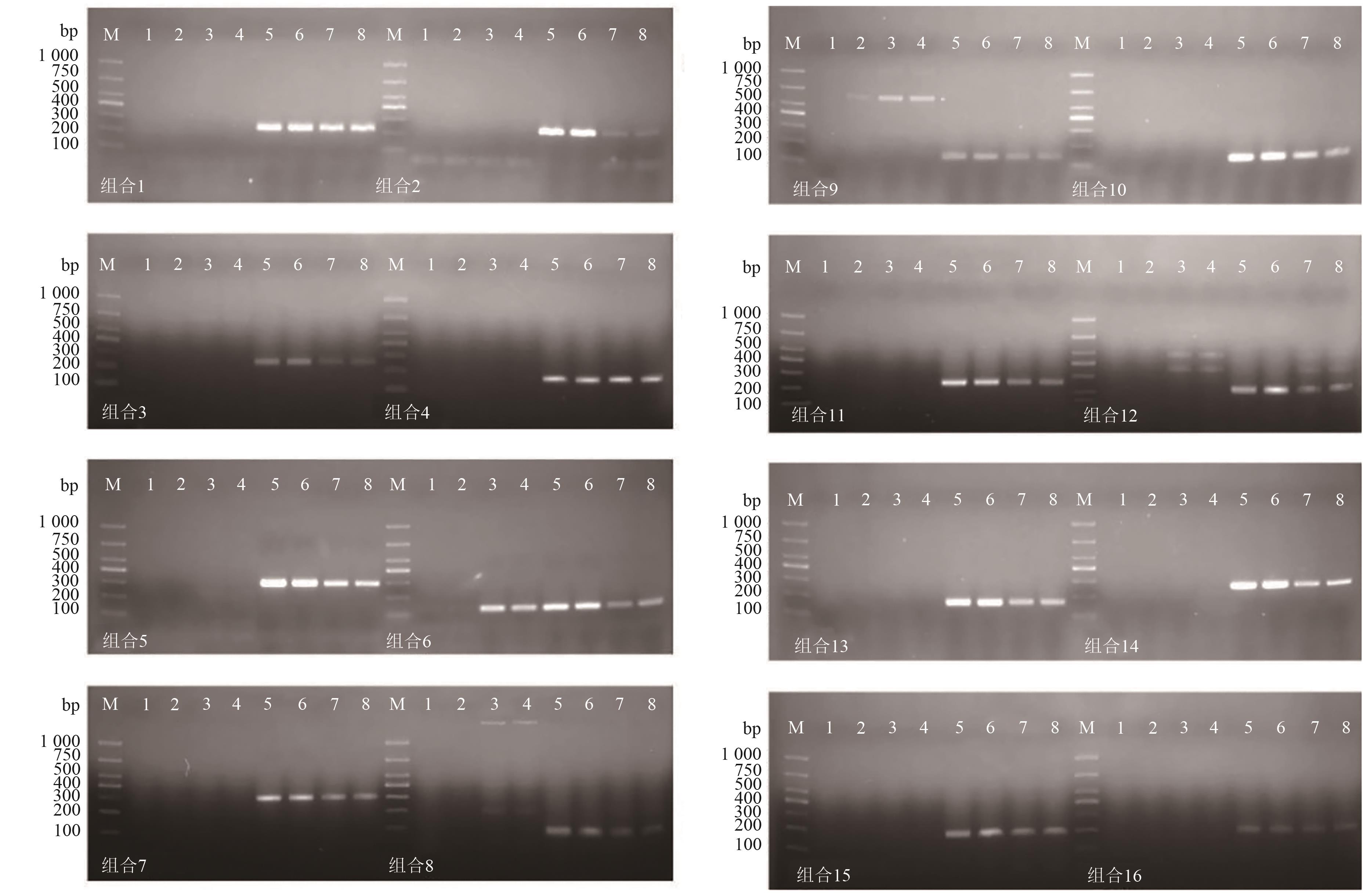
Fig. 1 Screening results of 16 primer pairs for insect-resistant and herbicide-tolerant maize KJ1003
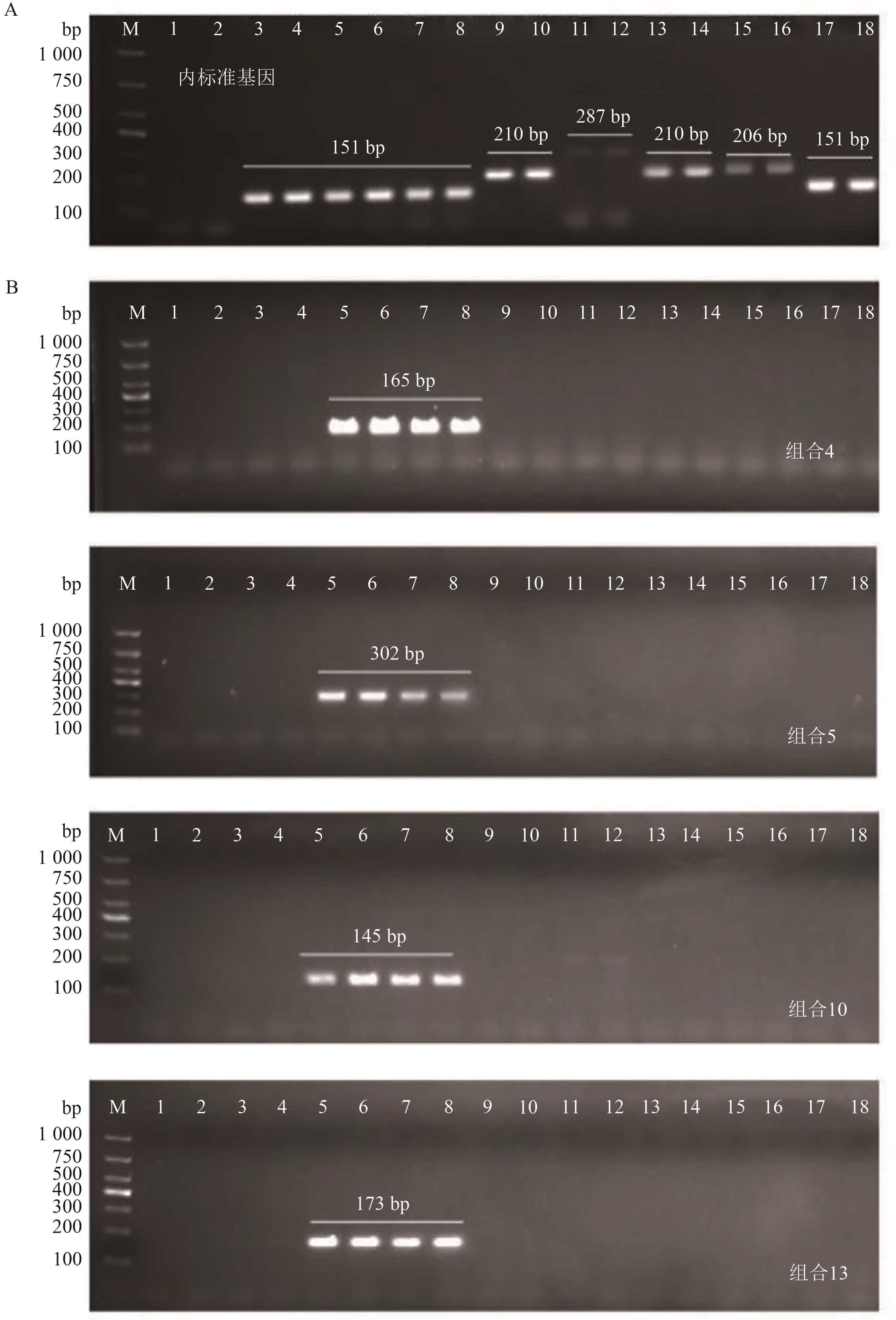
Fig. 2 Specificity test of primer sets for KJ1003 transformant
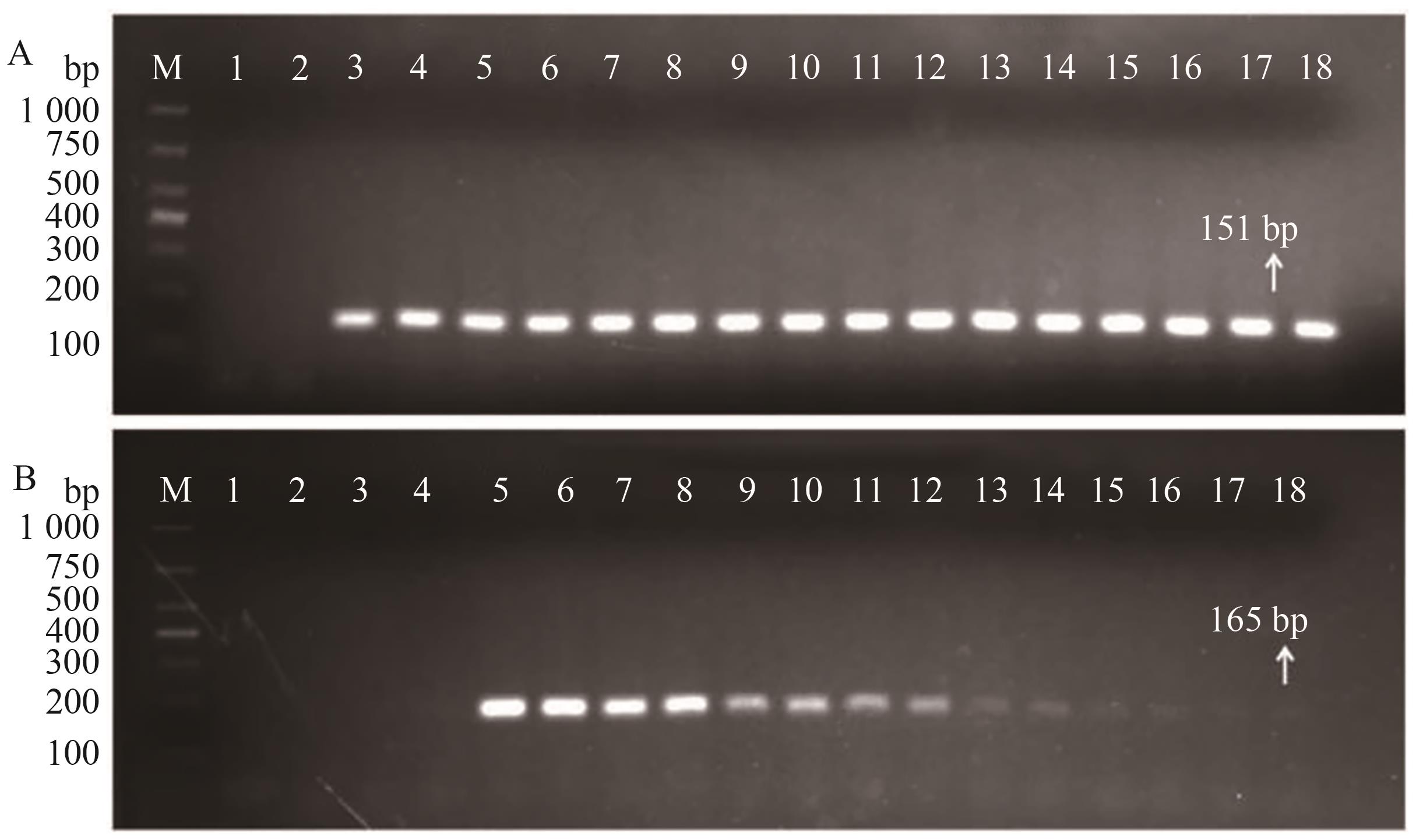
Fig. 3 Sensitivity test of specific qualitative PCR detection method for KJ1003 transformant
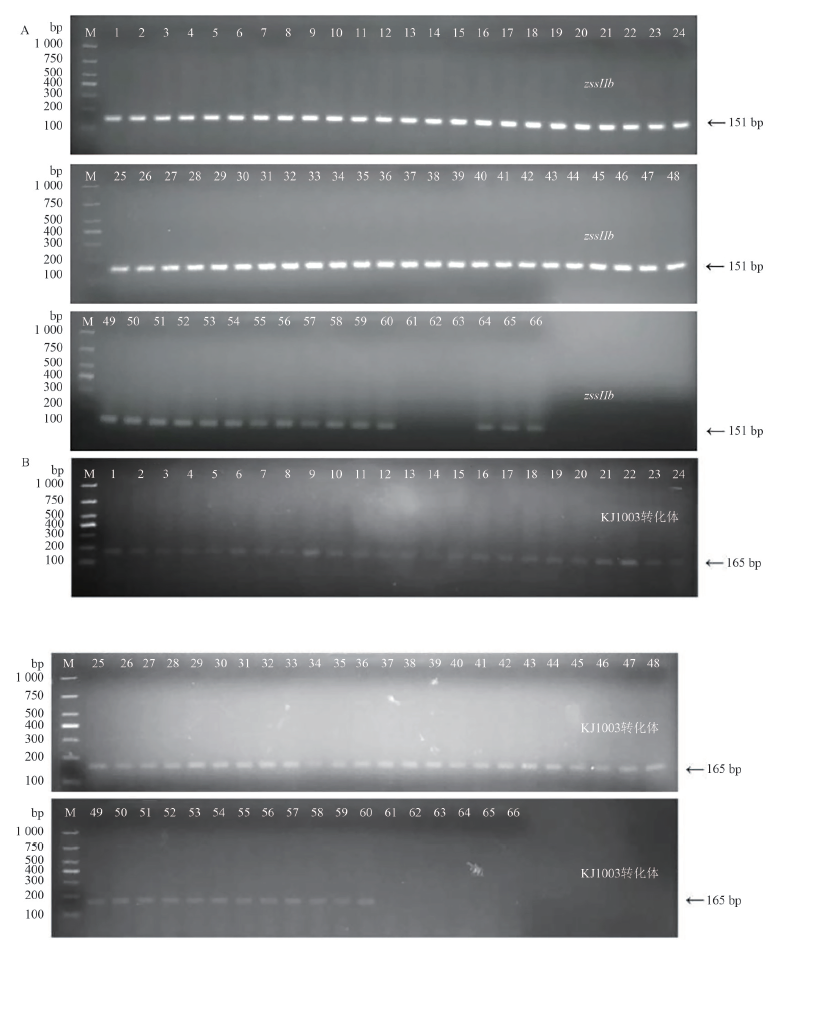
Fig. 4 Limit of detection test of specific qualitative PCR detection method for KJ1003 transformant
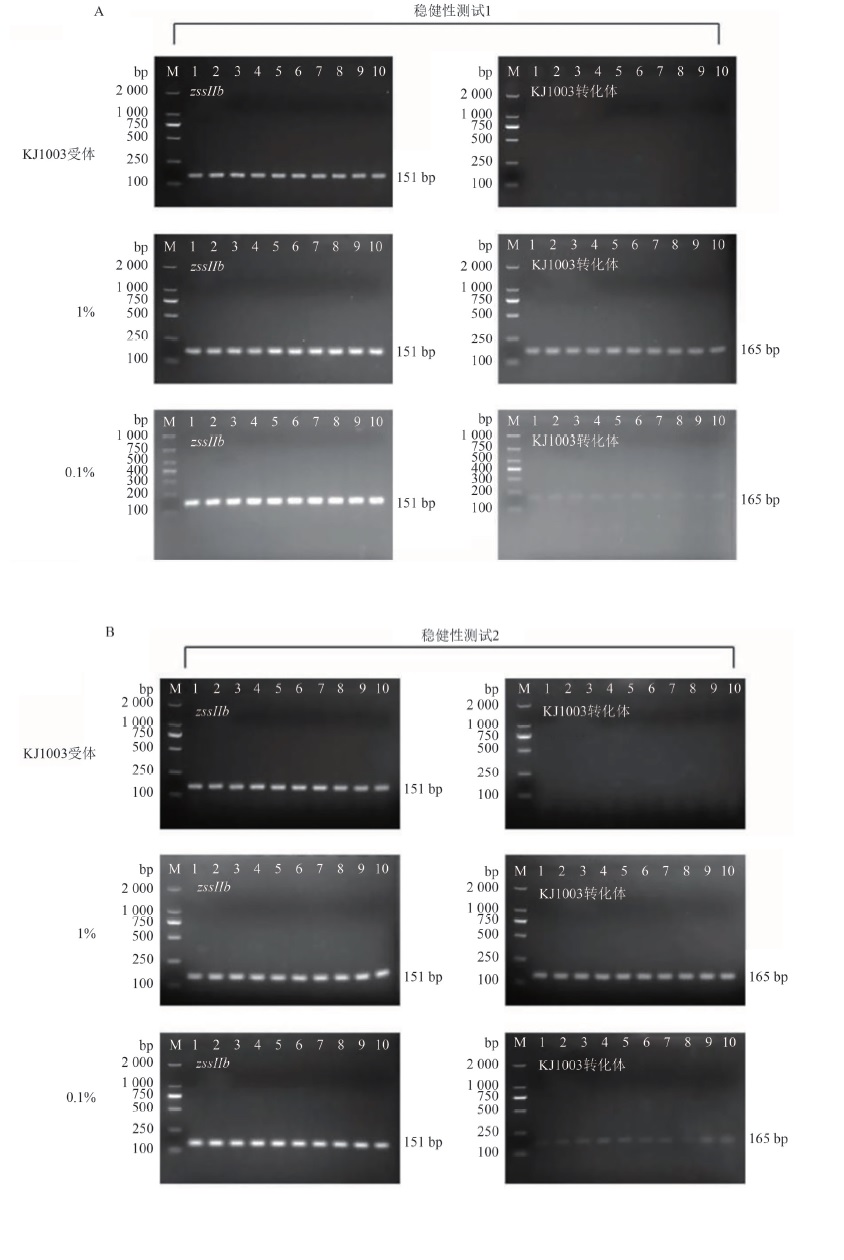
Fig. 5 Robustness test of specific qualitative PCR detection method for KJ1003 transformant
| 样品名称 | 8家实验室验证 | |||||||
|---|---|---|---|---|---|---|---|---|
| Lab1 | Lab2 | Lab3 | Lab4 | Lab5 | Lab6 | Lab7 | Lab8 | |
| 空白对照 | - | - | - | - | - | - | - | - |
| 阴性对照 | - | - | - | - | - | - | - | - |
| 阳性对照 | + | + | + | + | + | + | + | + |
| 1% KJ1003 | + | + | + | + | + | + | + | + |
| 其他转基因玉米混合样 | - | - | - | - | - | - | - | - |
| 转基因大豆混合样 | - | - | - | - | - | - | - | - |
| 转基因水稻混合样 | - | - | - | - | - | - | - | - |
| 转基因油菜混合样 | - | - | - | - | - | - | - | - |
| 转基因棉花混合样 | - | - | - | - | - | - | - | - |
| 非转基因玉米混合样 | - | - | - | - | - | - | - | - |
| 0.1% KJ1003(检出限) | + | + | + | + | + | + | + | + |
Table 3 Validation results for specific qualitative PCR detection method of KJ1003 transformant
| 样品名称 | 8家实验室验证 | |||||||
|---|---|---|---|---|---|---|---|---|
| Lab1 | Lab2 | Lab3 | Lab4 | Lab5 | Lab6 | Lab7 | Lab8 | |
| 空白对照 | - | - | - | - | - | - | - | - |
| 阴性对照 | - | - | - | - | - | - | - | - |
| 阳性对照 | + | + | + | + | + | + | + | + |
| 1% KJ1003 | + | + | + | + | + | + | + | + |
| 其他转基因玉米混合样 | - | - | - | - | - | - | - | - |
| 转基因大豆混合样 | - | - | - | - | - | - | - | - |
| 转基因水稻混合样 | - | - | - | - | - | - | - | - |
| 转基因油菜混合样 | - | - | - | - | - | - | - | - |
| 转基因棉花混合样 | - | - | - | - | - | - | - | - |
| 非转基因玉米混合样 | - | - | - | - | - | - | - | - |
| 0.1% KJ1003(检出限) | + | + | + | + | + | + | + | + |
| [1] | 国际农业生物技术应用服务组织.2019年全球生物技术/转基因作物商业化发展态势[J].中国生物工程杂志,2021, 41(1):114-119. |
| [2] | 刘玮.我国转基因农作物的应用及网络传播研究[J].植物遗传资源学报,2024,25(7):1222-1223. |
| LIU W. Study on the application and network communication of transgenic crops in China[J]. J. Plant Genet. Resour., 2024, 25(7): 1222-1223. | |
| [3] | 樊有鹤,岳思妤,南志标,等.我国玉米种业与产业政策演进及其对草地农业发展的启示[J].草业学报,2024,2025,34(3):189-203. |
| FAN Y H, YUE S Y, NAN Z B, et al.. Evolution of China's maize seed industry and industrial policies and their enlightenment to the development of grassland agriculture[J]. Acta Pratacult. Sin., 2024, 2025, 34(3): 189-203 | |
| [4] | 王瑞娜.生物育种转基因玉米产业化应用栽培技术要点[J].四川农业与农机,2024(5):47-48. |
| WANG R N. Key points of industrialized application and cultivation techniques of genetically modified corn in biological breeding[J]. Sichuan Agric. Agricultural Machinery, 2024(5): 47-48. | |
| [5] | 梦尧,邹卓瑜,孟凡军.转基因作物产业现状及展望[J].农业发展与金融,2024(6):44-46. |
| MENG Y, ZOU Z Y, MENG F J. Current status and future prospect of genetically modif ied crops industry[J]. Agric. Dev. Finance, 2024(6): 44-46. | |
| [6] | 罗屹.中国生物育种大豆产业化存在的问题及对策建议:基于部分试点地区的调研[J].中国油料作物学报, 2025, 47(4):797-805. |
| LUO Y. Problems and countermeasures in the industrialization of biotechnologically bred soybeans in China: sased on surveys in some pilot areas[J]. Chin. J. Oil Crop Sci., 2025, 47(4): 797-805. | |
| [7] | 肖芳,李允静,武玉花,等.抗逆大豆IND-ØØ41Ø-5转化体特异性定性PCR检测方法的建立及其标准化[J].中国油料作物学报,2024,46(5):1148-1156. |
| XIAO F, LI Y J, WU Y H, et al.. Establishment and standardization of transformation event-specific qualitative PCR detection method for stress-tolerant soybean IND-ØØ41Ø-5[J]. Chin. J. Oil Crop Sci., 2024, 46(5): 1148-1156. | |
| [8] | 刘双,闫嵩,刘娜,等.转基因大豆DBN9004转化体特异性定性PCR检测方法[J/OL].分子植物育种,1-17[2024-03-15]. . |
| LIU S, YAN S, LIU N, et al.. Qualitative PCR detection method for transformant specificity of transgenic soybean DBN9004[J/OL]. Mol. Plant Breed., 1-17[2024-03-15]. . | |
| [9] | 李凌燕,肖冰,张旭冬,等.转基因耐除草剂玉米MON87419品系特异性定性PCR检测方法的建立[J].江苏农业科学,2023,51(1):50-57. |
| LI L Y, XIAO B, ZHANG X D, et al.. Establishment of specific qualitative PCR method for detection of genetically modified herbicide-tolerant maize MON87419[J]. Jiangsu Agric. Sci., 2023, 51(1): 50-57. | |
| [10] | 马卉,汪秀峰,李莉,等.转基因耐除草剂大豆A2704-12定性PCR检测方法研究[J].分子植物育种,2011,9(3):376-380. |
| MA H, WANG X F, LI L, et al.. Establishment of an event-specific qualitative PCR method for detection of herbicide-tolerance genetically modified soybean A2704-12[J]. Mol. Plant Breed., 2011, 9(3): 376-380. | |
| [11] | 李飞武,李葱葱,董立明,等.转基因大豆MON89788转化体特异性定性PCR检测[J].安徽农业科学,2010,38(13):6679-6682. |
| LI F W, LI C C, DONG L M, et al.. Establishment of event-specific qualitative PCR method for transgenic soybean MON89788[J]. J. Anhui Agric. Sci., 2010, 38(13): 6679-6682. | |
| [12] | 杨立桃,蒋玲曦,沈凯琳,等.转基因棉花MON88913转化体特异性定性、定量PCR检测方法[J].食品安全质量检测技术,2009,1(1):10-19. |
| YANG L T, JIANG L X, SHEN K L, et al.. Event-specific qualitative and quantitative PCR detection methods for genetically modified cotton MON88913[J]. Food Saf. Qual. Detect. Technol., 2009, 1(1): 10-19. | |
| [13] | 杨阳,王叶,范金杰,等.转基因棉花MON757转化体特异性PCR检测方法及应用[J].农业生物技术学报,2016,24(6):908-918. |
| YANG Y, WANG Y, FAN J J, et al.. Event-specific PCR detection methods of genetically modified cotton (Gossypium hirsutum) MON757 and their application[J]. J. Agric. Biotechnol., 2016, 24(6): 908-918. | |
| [14] | 梁利霞,宛煜嵩,金芜军.利用复合PCR方法同时检测三种转基因水稻[J].基因组学与应用生物学,2014,33(1):16-21. |
| LIANG L X, WAN Y S, JIN W J. The event-specific multiplex PCR detection method for three genetically modified rice[J]. Genom. Appl. Biol., 2014, 33(1): 16-21. | |
| [15] | 李鹏,张琳,叶吉妮,等.抗病转基因水稻M12及其产品成分的定性、定量PCR检测方法[J].作物学报,2018,44(7):949-955. |
| LI P, ZHANG L, YE J N, et al.. A qualitative and quantitative PCR detection method for disease-resistant genetically modified rice M12 and its derivates[J]. Acta Agron. Sin., 2018, 44(7): 949-955. | |
| [16] | 中华人民共和国农业农村部. 转基因植物及其产品成分检测抗虫耐除草剂玉米ZZM030及其衍生品种定性PCR方法:农业农村部公告第423号—7—2021 [S].北京:中国农业出版社, 2021. |
| [17] | 中华人民共和国农业农村部. 转基因植物及其产品成分检测 耐除草剂大豆ZH10-6及其衍生品种定性PCR方法:农业农村部公告第323号—20—2020 [S].北京:中国农业出版社, 2020. |
| [18] | 中华人民共和国农业农村部. 转基因植物及其产品成分检测 抗虫棉花 及其衍生品种定性PCR方法:农业农村部公告第423号—4—2021[S].北京:中国农业出版社,2021. |
| [19] | 中华人民共和国农业部. 转基因植物及其产品成分检测 玉米内标准基因定性PCR方法:农业部1861号公告—3—2012 [S].北京:中国农业出版社,2013. |
| [20] | 中华人民共和国农业部. 转基因植物及其产品成分检测定性PCR方法制定指南:农业部2259号公告—4—2015 [S].北京:中国农业出版社,2015. |
| [21] | ENGL-GMFF. Definition of minimum performance requirements for analytical methods of GMO testing[M]. European Network of GMO Laboratories, 2015. |
| [22] | 常丽娟,梁晋刚,宋君,等.转基因玉米ND207转化事件特异性定性PCR检测方法及其标准化[J].作物学报,2023,49(7):1818-1828. |
| CHANG L J, LIANG J G, SONG J, et al.. Event-specific PCR detection method of transgenic maize ND207 and its standardization[J]. Acta Agron. Sin., 2023, 49(7): 1818-1828. | |
| [23] | 李筠,柴昕岳,刘晋,等.转基因生物育种现状及其检测技术研究进展[J].农业技术与装备,2024(11):119-121. |
| LI J, CHAI X Y, LIU J, et al.. Current status and research progress on the detection techniques of genetically modified organism breeding[J]. Agric. Technol. Equip., 2024(11): 119-121. | |
| [24] | SALISU I B, SHAHID A A, YAQOOB A, et al.. Molecular approaches for high throughput detection and quantification of genetically modified crops: a review[JOL]. Front. Plant Sci., 2017, 8: 1670[2025-11-30]. . |
| [25] | XU C, LI L, JIN W, et al.. Recombinase polymerase amplification (RPA) of CaMV-35S promoter and nos Terminator for rapid detection of genetically modified crops[J]. Int. J. Mol. Sci., 2014, 15(10): 18197-18205. |
| [26] | LIU M M, ZHANG X J, GAO Y, et al.. Molecular characterization and efficacy evaluation of a transgenic corn event for insect resistance and glyphosate tolerance[J]. J. Zhejiang Univ. Sci. B, 2018, 19(8): 610-619. |
| [27] | CHU H, TU R, NIU F, et al.. A new PCR/LDR-based multiplex functional molecular marker for marker-assisted breeding in rice[J]. Rice Sci., 2021, 28(1): 6-10. |
| [1] | Mei DONG, Lixia MENG, Tingting WEN, Chaohua MIAO, Wujun JIN. Establishment of a Real-time Quantitative PCR Detection Method for Insect-resistant and Herbicide-tolerant Maize BBL2-2 [J]. Current Biotechnology, 2026, 16(4): 853-862. |
| [2] | Tongtong ZHAO, Ziyan CHEN, Hua ZHANG, Xinyao PEI, Chenyao WANG, Jiake LI, Dan WANG, Yueqiu ZHANG, Wei FU, Hong CHEN. A Qualitative Detection Method for Genetically Modified Maize KJ1003 by Real-time PCR [J]. Current Biotechnology, 2026, 16(4): 833-842. |
| [3] | Jin TIAN, Fangrui GAO, Ling LI, Ziyan CHEN, Yifan CHEN, Hua ZHANG, Hong CHEN, Haoqian WANG, Jingang LIANG. Establishment of Specific Qualitative PCR Detection Method of Transgenic Maize Bt11 [J]. Current Biotechnology, 2025, 15(6): 1031-1039. |
| [4] | Yueqiu ZHANG, Fangqi FU, Tongtong ZHAO, Ziyan CHEN, Xinyao PEI, Fangrui GAO, Jiake LI, Hui LI, Xiaodan JIANG, Haoqian WANG, Hong CHEN. Development of PCR Qualitative Method for Genetically Modified Herbicide-tolerant Soyabean LP012-1 [J]. Current Biotechnology, 2025, 15(3): 466-475. |
| [5] | Xin QI, Xinran LI, Yaning GUO, Dan WANG, Kai LI, Qiong WU, Liang LI. Comparison of Endogenous Genes in Maize Based on Digital PCR [J]. Current Biotechnology, 2025, 15(1): 78-85. |
| [6] | Xing DANG, Binwei ZHI, Kehao CAO, Tingting LIU, Biao CHEN, Yuanjie DING. Patent Analysis on Genetically Modified Maize Biological Breeding Technology and Development Suggestions [J]. Current Biotechnology, 2022, 12(4): 614-622. |
| [7] | Hongtao WEN, Yang YANG, Yijia DING, Ran YUAN, Ruiying ZHANG, Zhiyuan XU, Jingang LIANG. Establishment of Qualitative PCR Detection of Transgenic Insect⁃resistant Maize CM8101 [J]. Current Biotechnology, 2022, 12(2): 248-255. |
| [8] | WEN Hongtao1§,YANG Yang1§,DING Yijia1,YUAN Ran1,ZHANG Xiujie2,ZHANG Ruiying1*. Qualitative PCR Methods for the Detection of Transgenic Herbicide-tolerant Maize G1105E-823C [J]. Curr. Biotech., 2020, 10(6): 688-695. |
| [9] | REN Wen1, YANG Haixia2, CHEN Lizhu2, LI Yufeng2, LIU Ya1*. Establishment and Application of Nucleic Acid Chromatography for Rapid Detection of Transgenic Plants [J]. Curr. Biotech., 2020, 10(6): 680-687. |
| [10] | WU Wenyan§, LIU Xinxiang§, ZHOU Miaoyi*, LIU Jinxiang, LIU Ya. Establishment of Event-specific PCR Detection Method of Transgenic Maize Line 2A-5 [J]. Curr. Biotech., 2020, 10(4): 363-370. |
| [11] | ZHANG Zhi-fang1, LIU Ya2*, REN Wen2, DAI Lu-yuan3. Identifying the Drought Resistance of TsVP Transgenic Maize [J]. Curr. Biotech., 2013, 3(3): 206-210. |
| Viewed | ||||||
|
Full text |
|
|||||
|
Abstract |
|
|||||
