

Current Biotechnology ›› 2026, Vol. 16 ›› Issue (2): 439-451.DOI: 10.19586/j.2095-2341.2025.0155
• Articles • Previous Articles
Mingchi LI( ), Zengfang SHI, Guoshuai ZHANG, Qi YAN, Jiale WANG, Xinke ZHANG, Linfang HUANG()
Received:2025-11-10
Accepted:2025-12-25
Online:2026-03-25
Published:2026-04-27
Contact:
Linfang HUANG
CLC Number:
Mingchi LI, Zengfang SHI, Guoshuai ZHANG, Qi YAN, Jiale WANG, Xinke ZHANG, Linfang HUANG. Based on Network Pharmacology and Mendelian Randomization to Investigate the Mechanism of Hyssopus cuspidatus Boriss. in the Treatment of Asthma[J]. Current Biotechnology, 2026, 16(2): 439-451.
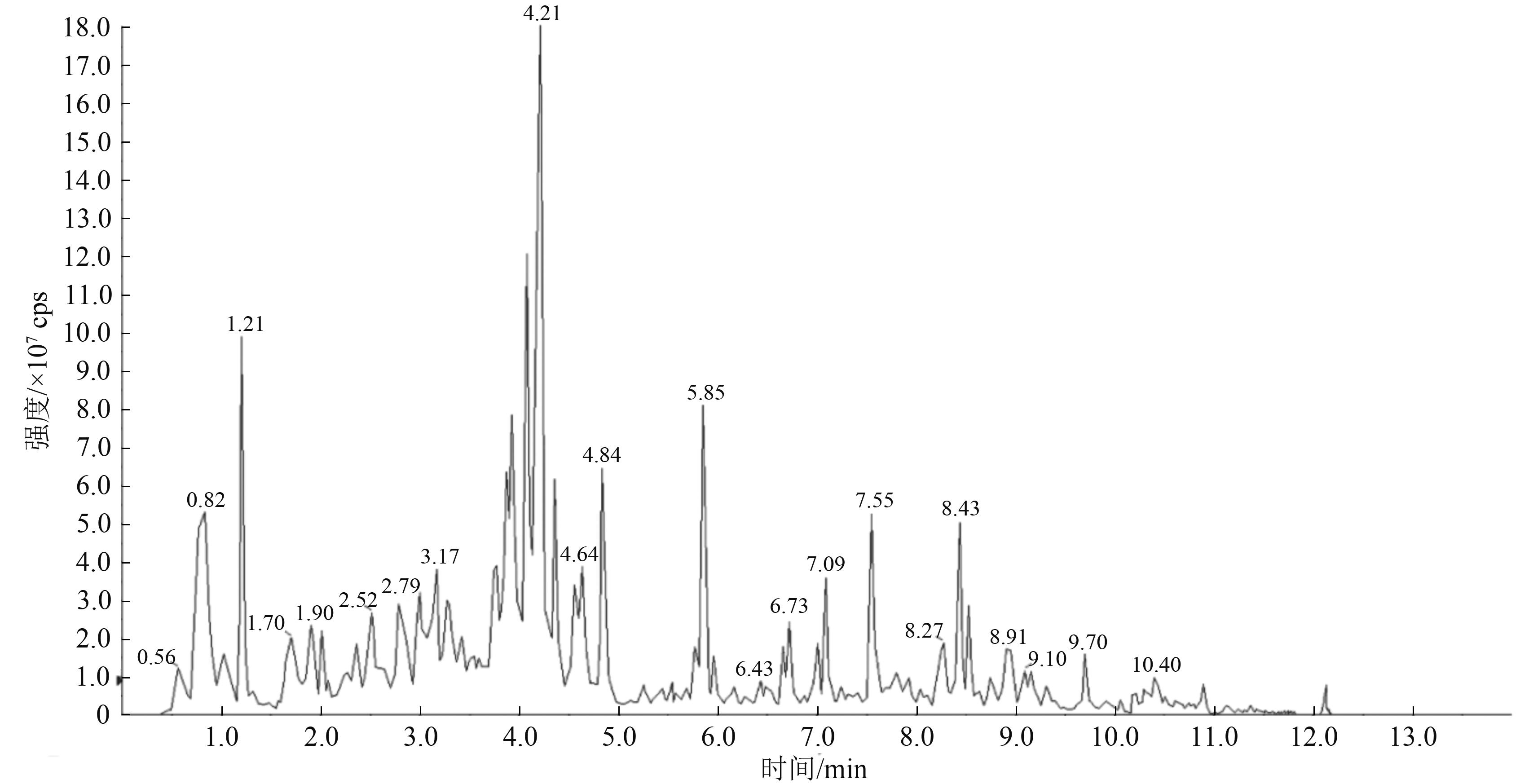
Fig. 1 Positive ion mode
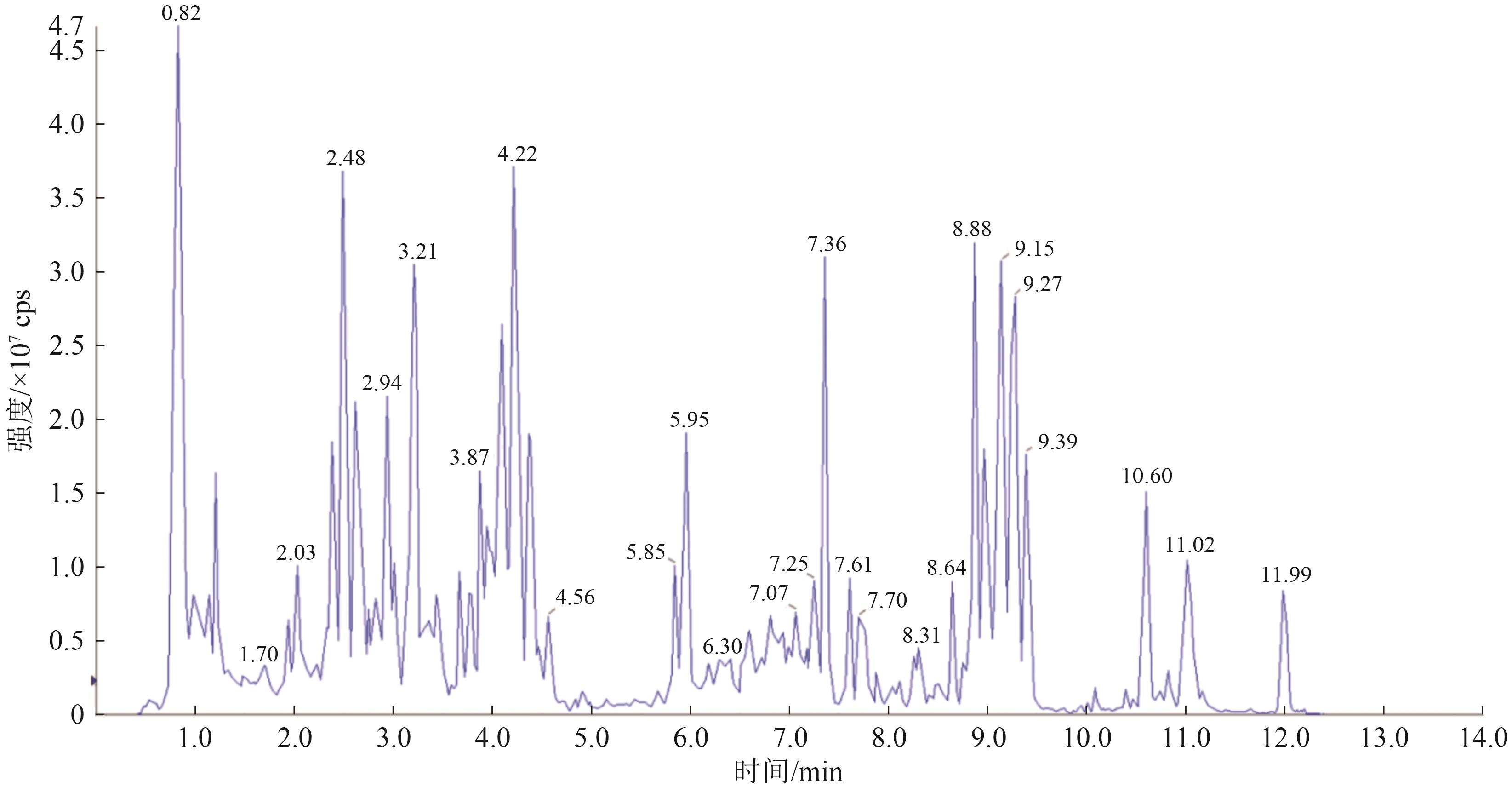
Fig. 2 Negative ion mode
| 指数 | HC-1 | HC-2 | HC-3 |
|---|---|---|---|
| Zmmp000635 | 7 469 051.23 | 4 035 131.87 | 5 939 557.79 |
| Zbqn001288 | 49 571.91 | 482 690.60 | 424 954.42 |
| Lcsp001861 | 659 985.09 | 717 498.71 | 876 080.42 |
| MWS0933 | 363 905.57 | 367 458.19 | 387 707.09 |
| pme3827 | 825 843.70 | 2 234 150.84 | 989 242.46 |
| pme2914 | 2 554 762.19 | 3 656 173.29 | 4 581 013.42 |
| MWS04559g | 1 748 377.85 | 2 359 113.95 | 1 812 424.40 |
| pme0181 | 1 285 062.03 | 1 291 185.05 | 1 377 214.11 |
| mws3109 | 177 738.26 | 229 557.10 | 190 673.94 |
| MWSprf117 | 318 576.06 | 365 157.04 | 384 235.64 |
Table 1 Statistics of metabolite quantity
| 指数 | HC-1 | HC-2 | HC-3 |
|---|---|---|---|
| Zmmp000635 | 7 469 051.23 | 4 035 131.87 | 5 939 557.79 |
| Zbqn001288 | 49 571.91 | 482 690.60 | 424 954.42 |
| Lcsp001861 | 659 985.09 | 717 498.71 | 876 080.42 |
| MWS0933 | 363 905.57 | 367 458.19 | 387 707.09 |
| pme3827 | 825 843.70 | 2 234 150.84 | 989 242.46 |
| pme2914 | 2 554 762.19 | 3 656 173.29 | 4 581 013.42 |
| MWS04559g | 1 748 377.85 | 2 359 113.95 | 1 812 424.40 |
| pme0181 | 1 285 062.03 | 1 291 185.05 | 1 377 214.11 |
| mws3109 | 177 738.26 | 229 557.10 | 190 673.94 |
| MWSprf117 | 318 576.06 | 365 157.04 | 384 235.64 |
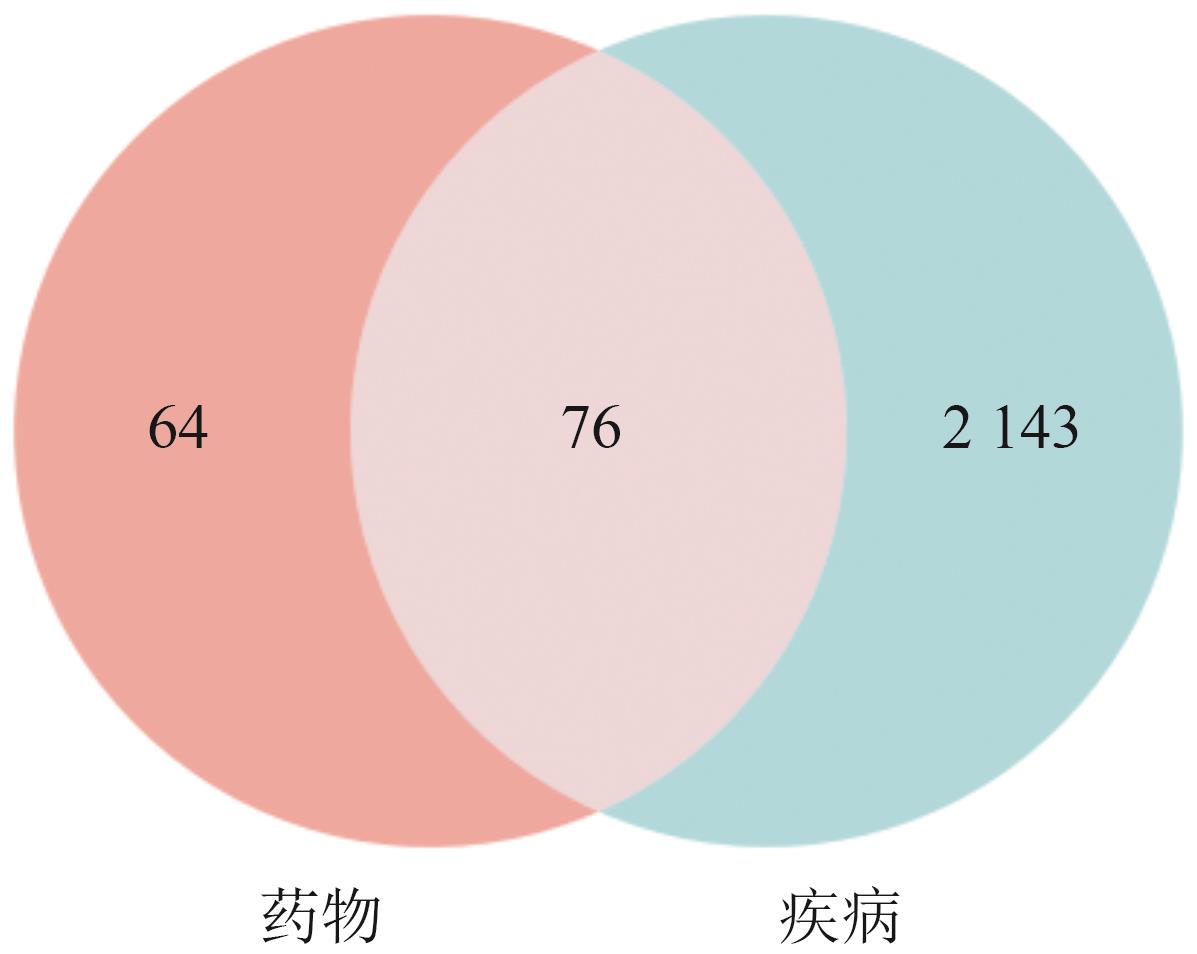
Fig. 3 Venn diagram of Hyssopus cuspidatus Boriss. and asthma-related targets
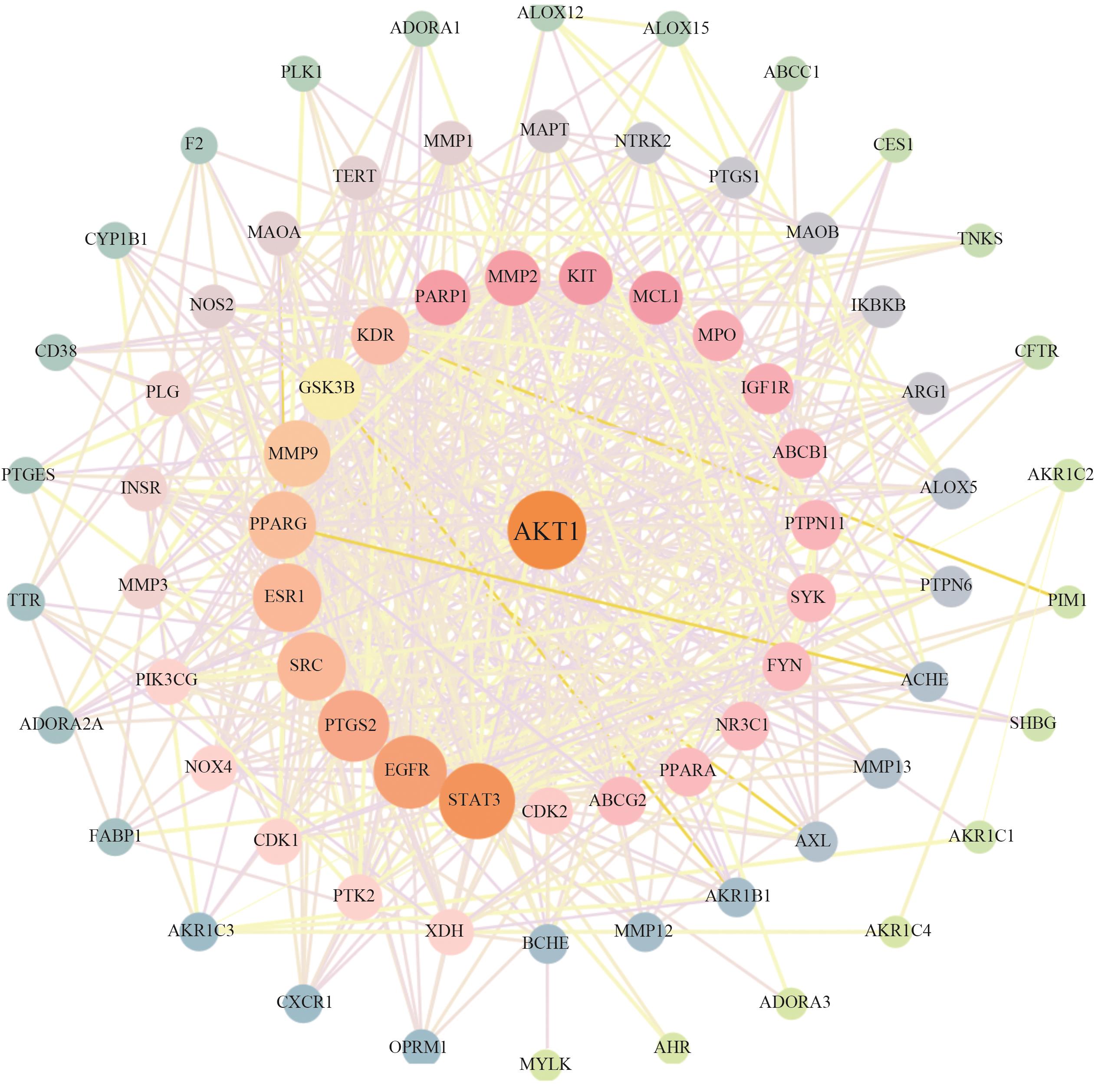
Fig. 4 PPI network of 76 target proteins
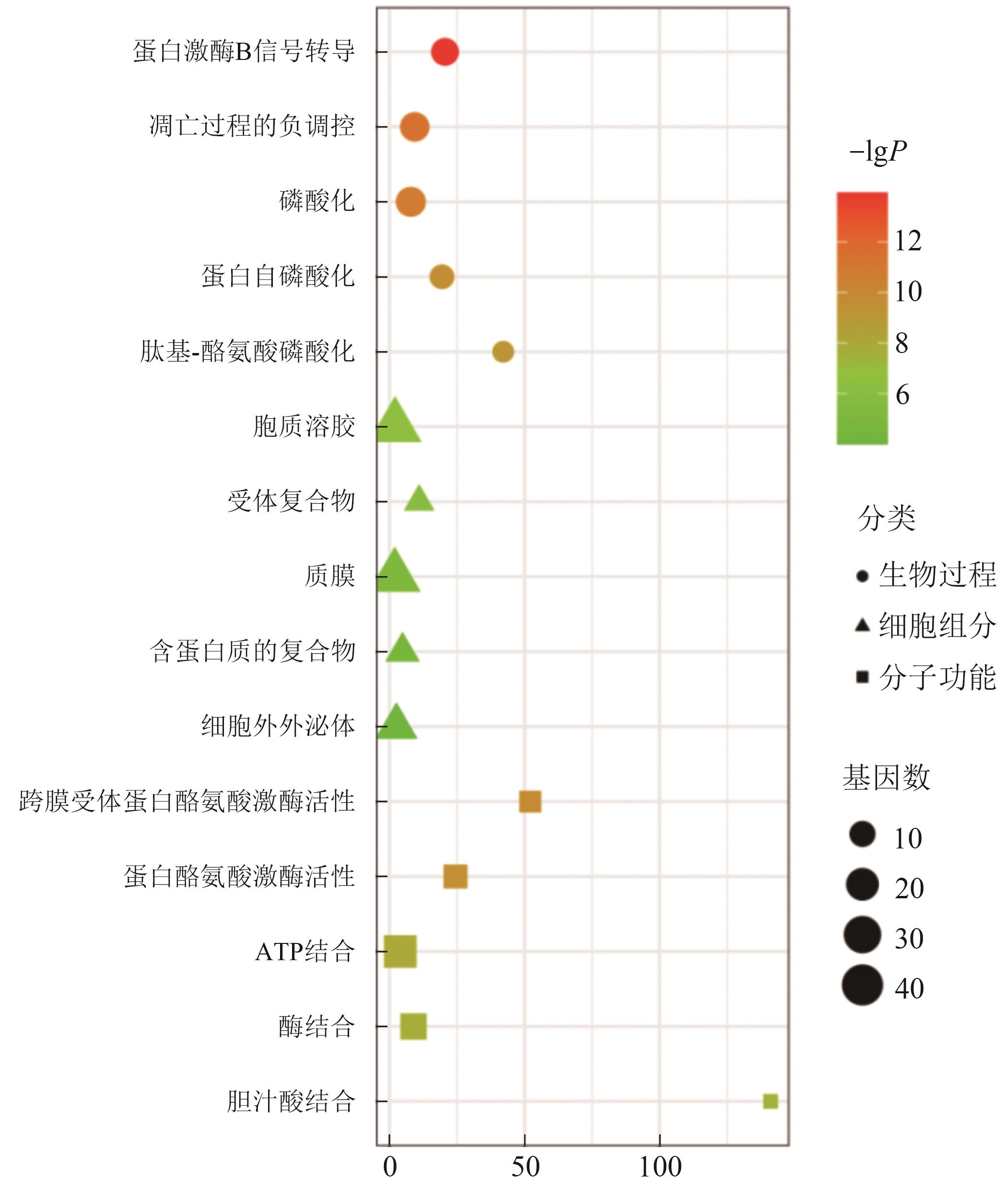
Fig. 5 GO enrichment analysis plot
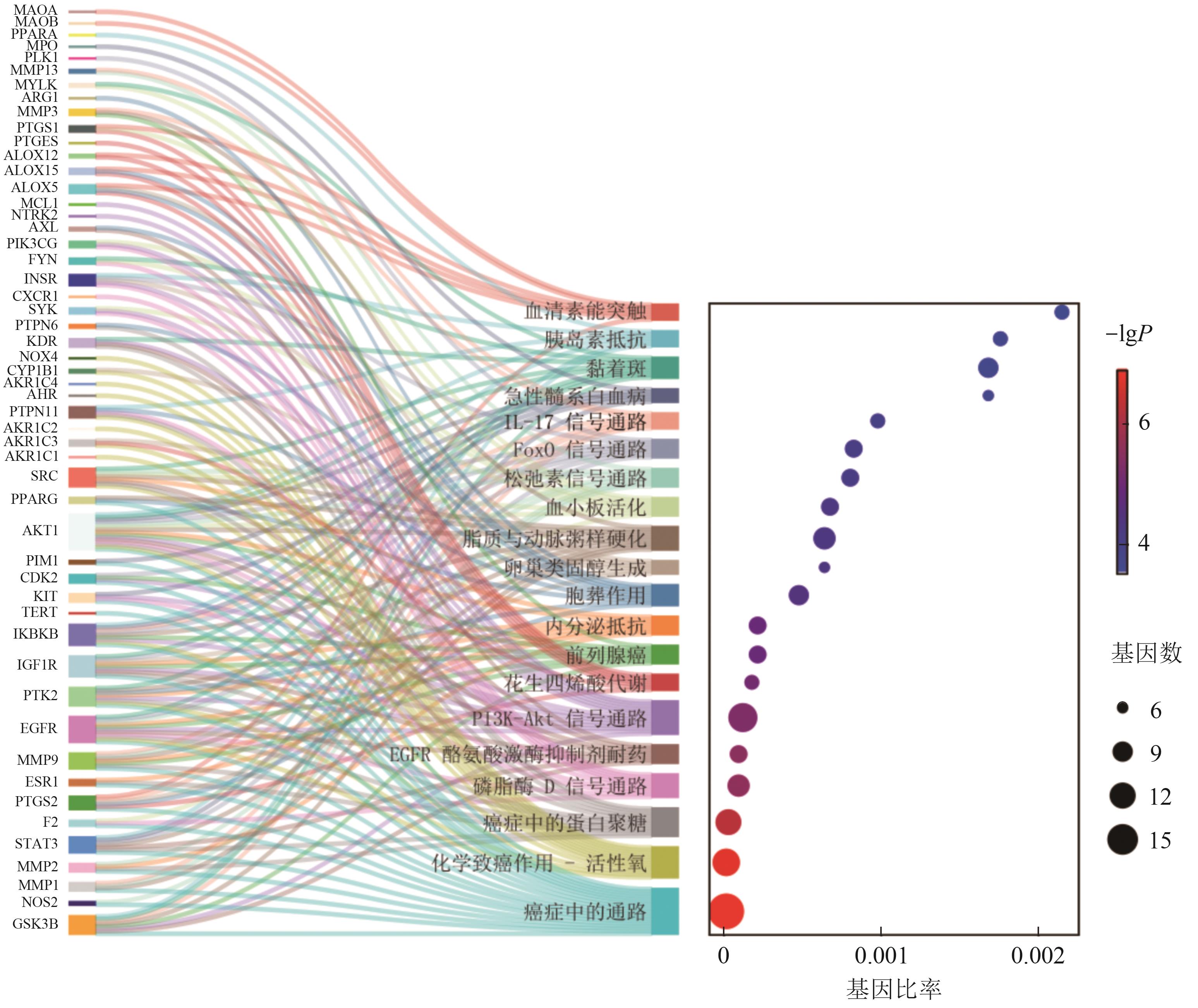
Fig. 6 KEGG enrichment analysis plot
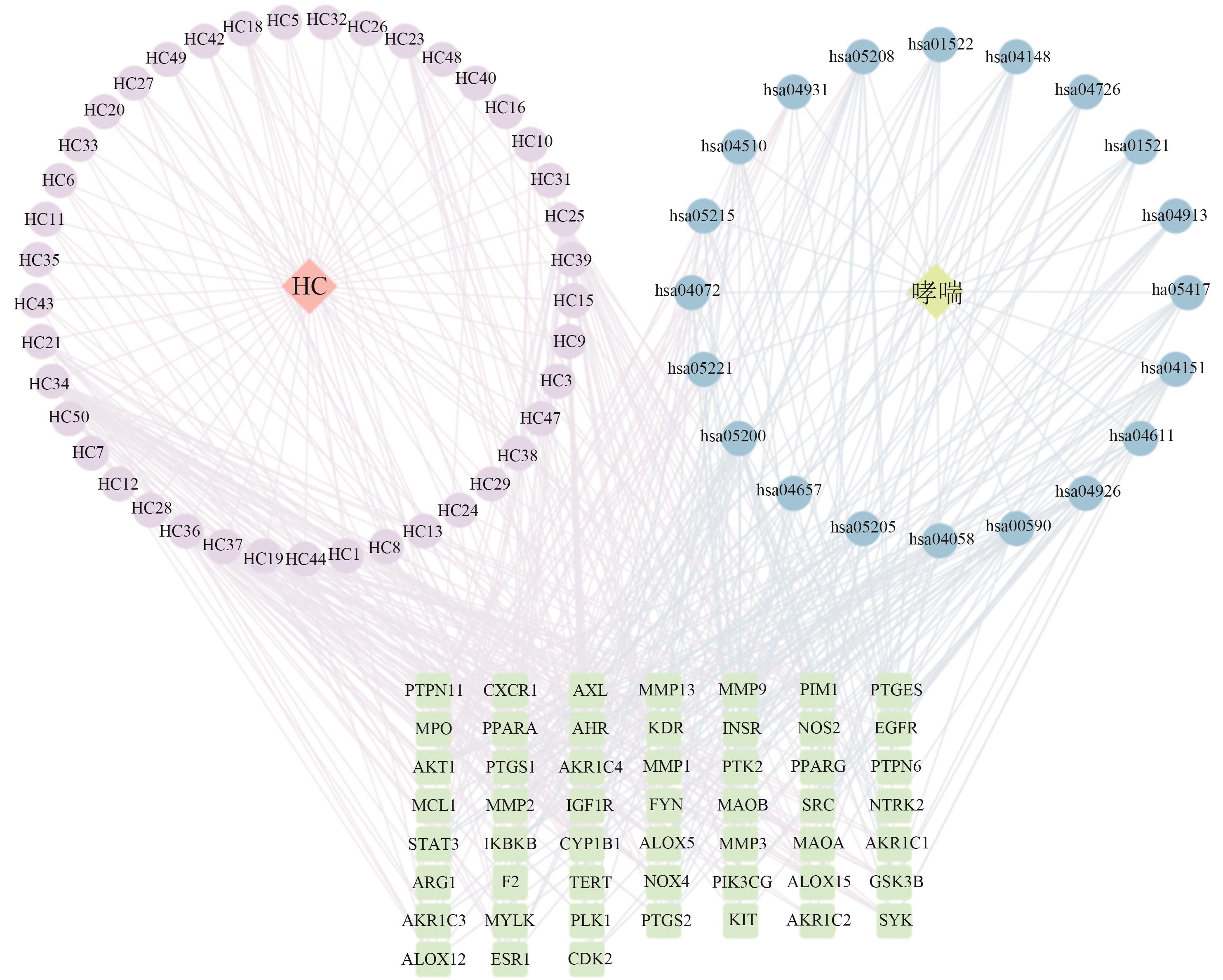
Fig. 7 Component-target-disease-pathway network of Hyssopus cuspidatus Boriss. for asthma treatment
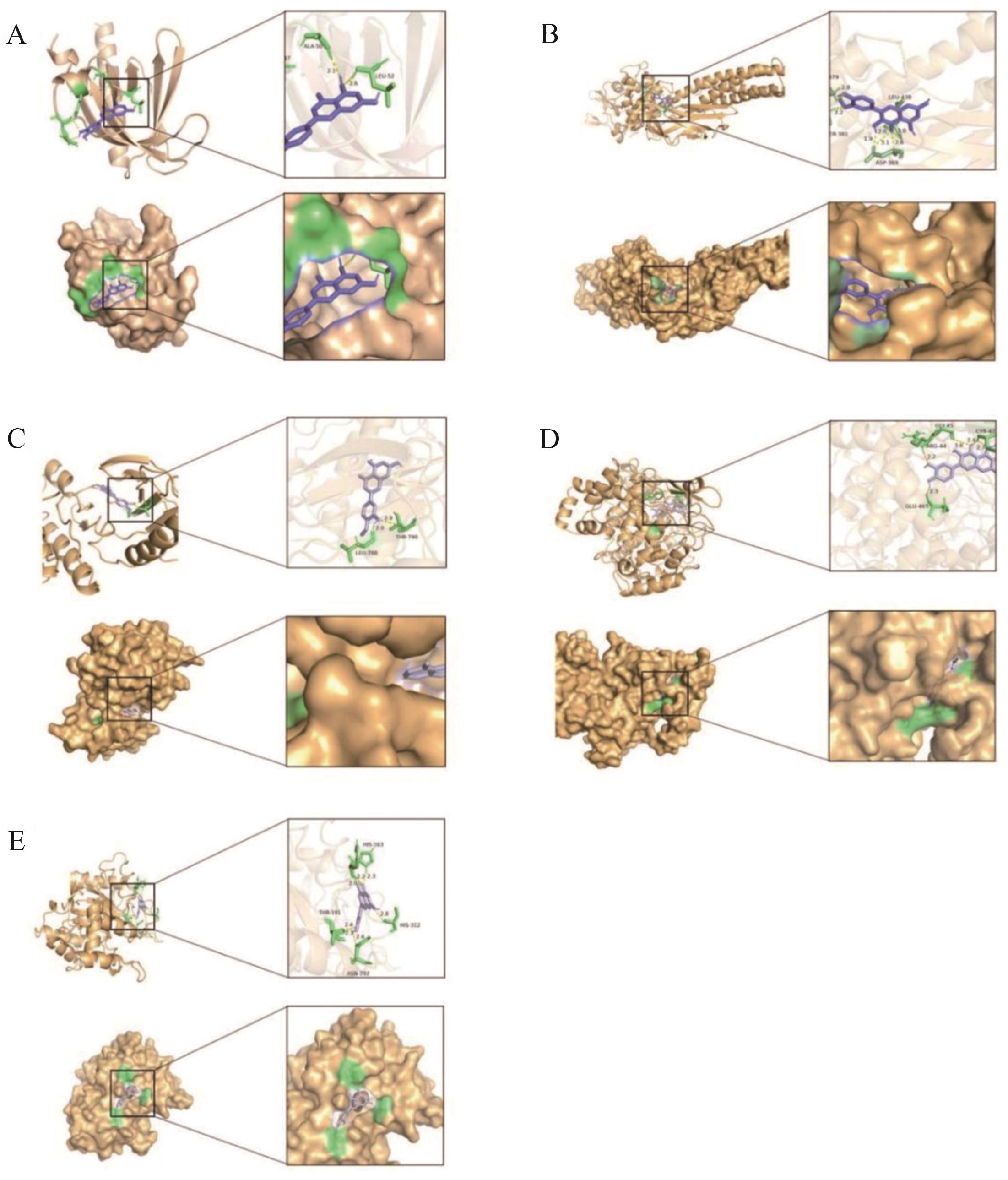
Fig. 8 3D molecular docking of Hyssopus cuspidatus Boriss. active components with core targets
| 靶点 | 木犀草素 | 异鼠李素 | 槲皮万寿菊素 | 高良姜素 | 金圣草黄素 | 香叶木素 |
|---|---|---|---|---|---|---|
| AKT1 | -6.4 | -6.3 | -6.3 | -6.2 | -6.2 | -6.3 |
| STAT3 | -8 | -8.2 | -8.2 | -7.4 | -8 | -8.0 |
| EGFR | -9.7 | -9.6 | -10 | -9.5 | -9.5 | -9.8 |
| PTGS2 | -9.5 | -9.1 | -9.7 | -8.9 | -9.1 | -9.2 |
| SRC | -12.5 | -11.7 | -12.2 | -12.2 | -11.9 | -11.5 |
Table 2 Molecular docking results of major active components and core targets of Hyssopus cuspidatus Boriss. for asthma treatment
| 靶点 | 木犀草素 | 异鼠李素 | 槲皮万寿菊素 | 高良姜素 | 金圣草黄素 | 香叶木素 |
|---|---|---|---|---|---|---|
| AKT1 | -6.4 | -6.3 | -6.3 | -6.2 | -6.2 | -6.3 |
| STAT3 | -8 | -8.2 | -8.2 | -7.4 | -8 | -8.0 |
| EGFR | -9.7 | -9.6 | -10 | -9.5 | -9.5 | -9.8 |
| PTGS2 | -9.5 | -9.1 | -9.7 | -8.9 | -9.1 | -9.2 |
| SRC | -12.5 | -11.7 | -12.2 | -12.2 | -11.9 | -11.5 |
| 暴露 | nSNP | 方法 | OR(95% CI) | P值 |
|---|---|---|---|---|
| AKT1 | 7 | MR-Egger回归 | 1.10(0.96~1.27) | 0.235 |
| 加权中位数法 | 1.09(1.00~1.18) | 0.038 | ||
| 逆方差加权法 | 1.10(1.02~1.18) | 0.013 | ||
| 简单模式法 | 1.06(0.89~1.26) | 0.559 | ||
| 加权模式法 | 1.08(0.99~1.18) | 0.133 | ||
| STAT3 | 3 | MR-Egger回归 | 0.97(0.66~1.45) | 0.921 |
| 加权中位数法 | 1.01(0.87~1.17) | 0.897 | ||
| 逆方差加权法 | 0.99(0.86~1.13) | 0.880 | ||
| 简单模式法 | 1.01(0.82~1.24) | 0.948 | ||
| 加权模式法 | 1.01(0.87~1.18) | 0.907 | ||
| EGFR | 16 | MR-Egger回归 | 0.85(0.16~4.46) | 0.848 |
| 加权中位数法 | 1.22(0.61~2.46) | 0.573 | ||
| 逆方差加权法 | 1.11(0.68~1.82) | 0.667 | ||
| 简单模式法 | 1.14(0.36~3.63) | 0.828 | ||
| 加权模式法 | 1.45(0.61~3.46) | 0.420 | ||
| PTGS2 | 12 | MR-Egger回归 | 1.04(0.94~1.15) | 0.436 |
| 加权中位数法 | 0.97(0.88~1.06) | 0.469 | ||
| 逆方差加权法 | 0.98(0.92~1.05) | 0.551 | ||
| 简单模式法 | 0.93(0.79~1.09) | 0.372 | ||
| 加权模式法 | 1.02(0.92~1.12) | 0.752 | ||
| SRC | 5 | MR-Egger回归 | 0.87(0.64~1.18) | 0.428 |
| 加权中位数法 | 0.97(0.83~1.12) | 0.655 | ||
| 逆方差加权法 | 1.00(0.89~1.14) | 0.943 | ||
| 简单模式法 | 0.95(0.75~1.20) | 0.701 | ||
| 加权模式法 | 0.95(0.82~1.11) | 0.559 |
Table 3 Results of Mendelian randomization analysis
| 暴露 | nSNP | 方法 | OR(95% CI) | P值 |
|---|---|---|---|---|
| AKT1 | 7 | MR-Egger回归 | 1.10(0.96~1.27) | 0.235 |
| 加权中位数法 | 1.09(1.00~1.18) | 0.038 | ||
| 逆方差加权法 | 1.10(1.02~1.18) | 0.013 | ||
| 简单模式法 | 1.06(0.89~1.26) | 0.559 | ||
| 加权模式法 | 1.08(0.99~1.18) | 0.133 | ||
| STAT3 | 3 | MR-Egger回归 | 0.97(0.66~1.45) | 0.921 |
| 加权中位数法 | 1.01(0.87~1.17) | 0.897 | ||
| 逆方差加权法 | 0.99(0.86~1.13) | 0.880 | ||
| 简单模式法 | 1.01(0.82~1.24) | 0.948 | ||
| 加权模式法 | 1.01(0.87~1.18) | 0.907 | ||
| EGFR | 16 | MR-Egger回归 | 0.85(0.16~4.46) | 0.848 |
| 加权中位数法 | 1.22(0.61~2.46) | 0.573 | ||
| 逆方差加权法 | 1.11(0.68~1.82) | 0.667 | ||
| 简单模式法 | 1.14(0.36~3.63) | 0.828 | ||
| 加权模式法 | 1.45(0.61~3.46) | 0.420 | ||
| PTGS2 | 12 | MR-Egger回归 | 1.04(0.94~1.15) | 0.436 |
| 加权中位数法 | 0.97(0.88~1.06) | 0.469 | ||
| 逆方差加权法 | 0.98(0.92~1.05) | 0.551 | ||
| 简单模式法 | 0.93(0.79~1.09) | 0.372 | ||
| 加权模式法 | 1.02(0.92~1.12) | 0.752 | ||
| SRC | 5 | MR-Egger回归 | 0.87(0.64~1.18) | 0.428 |
| 加权中位数法 | 0.97(0.83~1.12) | 0.655 | ||
| 逆方差加权法 | 1.00(0.89~1.14) | 0.943 | ||
| 简单模式法 | 0.95(0.75~1.20) | 0.701 | ||
| 加权模式法 | 0.95(0.82~1.11) | 0.559 |
| [1] | MIMS J W. Asthma: definitions and pathophysiology[J]. Int. Forum. Allergy Rhinol., 2015, 5 (S1): 2-6. |
| [2] | 李森.哮喘与过敏性鼻炎:呼吸道健康的双重挑战[J].家庭生活指南,2025,41(9):58-59. |
| [3] | LI N, XU Y, XIAO X, et al.. Long-term trends in the burden of asthma in China: a joinpoint regression and age-period-cohort analysis based on the GBD 2021[J/OL]. Respir. Res., 2025, 26(1): 56[2026-01-22]. . |
| [4] | WENZEL S E. Severe adult asthmas: integrating clinical features, biology, and therapeutics to improve outcomes[J]. Am. J. Respir. Crit. Care Med., 2021, 203(7): 809-821. |
| [5] | KOWALSKI M L, MAKOWSKA J S, BLANCA M, et al.. Hypersensitivity to nonsteroidal anti-inflammatory drugs (nsaids)- classification, diagnosis and management: review of the eaaci/enda and ga2len/hanna[J]. Allergy, 2011, 66(7): 818-829. |
| [6] | 陈娜,樊巧玲.中西医结合新策略,让儿童哮喘不再"喘"[J].健康必读,2025(27):23. |
| [7] | 宋静,杨宗统,李晓晶,等.经典名方泻白散对过敏性哮喘大鼠肺、肠组织形态结构及PI3K和Akt表达水平的影响[J/OL].实验动物与比较医学,2026: 1-19[2026-01-11].. |
| [8] | 王盼盼,阿依达娜·沃坦,戎晓娟,等.基于特征图谱和化学模式识别的硬尖神香草质量评价[J].药物分析杂志,2024, 44(6):1055-1061. |
| WANG P, AYIDANA W, RONG X, et al.. Quality evaluation of Hyssopus cuspidatu Boriss.based oncharacteristic chromatogram and chemical pattern recognition[J]. Chin. Pharm. Anal., 2024, 44(6): 1055-1061. | |
| [9] | 蔡晓翠,郭君婷,赵婷婷,迪娜·努尔火加,等.基于文献计量学的硬尖神香草知识图谱构建和可视化分析[J].中国药学杂志,2025,60(18):1980-1994. |
| CAI X, GUO J, ZHAO T, et al.. Bibliometrics-based knowledge graph construction and visualisation of Hyssopus cuspidatus Boriss.[J]. Chin Pharm J., 2025, 60(18): 1980-1994. | |
| [10] | 高涵琪.维药神香草具抗炎活性的挥发性质量标志物研究[D].武汉:华中科技大学,2022. |
| [11] | AIHAITI K, LI J, YAERMAIMAITI S, et al.. Non-volatile compounds of Hyssopus cuspidatus Boriss. and their antioxidant and antimicrobial activities[J/OL]. Food Chem., 2022, 374: 131638[2025-09-16]. . |
| [12] | CAI X, MAO Y, SHEN X, et al.. The extract from Hyssopus cuspidatus Boriss. prevents bronchial airway remodeling by inhibiting mouse bronchial wall thickening and hasmc proliferation and migration[J/OL]. J. Ethnopharmacol., 2023, 303: 116047[2025-09-16]. . |
| [13] | ZHANG Y, PENG H, LI J, et al.. The volatile oil of Hyssopus cuspidatus Boriss. (Hvo) ameliorates ova-induced allergic asthma via inhibiting pi3k/akt/jnk/p38 signaling pathway and maintaining airway barrier integrity[J/OL]. J. Ethnopharmacol., 2024, 334: 118568[2025-09-16]. . |
| [14] | YUAN F, LIU R, HU M, et al.. Jax2, an ethanol extract of hyssopus cuspidatus boriss, can prevent bronchial asthma by inhibiting mapk/nf-κb inflammatory signaling[J]. Phytomedicine, 2019, 57: 305-314. |
| [15] | TRAGANTE V, ASSELBERGS F W. Mendelian randomization: a powerful method to determine causality of biomarkers in diseases[J]. Int. J. Cardiol., 2018, 268: 227-228. |
| [16] | FERENCE B A. Interpreting the clinical implications of drug-target mendelian randomization studies[J]. J. Am. Coll Cardiol., 2022, 80(7): 663-665. |
| [17] | BURGESS S, THOMPSON S G. Avoiding bias from weak instruments in mendelian randomization studies[J]. Int. J. Epidemiol., 2011, 40(3): 755-764. |
| [18] | NEELAND I J, KOZLITINA J. Mendelian randomization: using natural genetic variation to assess the causal role of modifiable risk factors in observational studies[J]. Circulation, 2017, 135(8): 755-758. |
| [19] | CHEN C, YANG H. Opats: omnibus p-value association tests[J]. Brief Bioinform., 2019, 20(1): 1-14. |
| [20] | LEMANSKE R F J, BUSSE W W. Asthma[J]. JAMA, 1997, 278: 1855-1873. |
| [21] | FAHY J V. Type 2 inflammation in asthma--present in most, absent in many[J]. Nat. Rev. Immunol., 2015, 15(1): 57-65. |
| [22] | ERDEM S B, NACAROGLU H T, CAN D. Adverse drug reactions affecting treatment adherence in first-line treatment of asthma: an observational study[J]. Allergol. Immunopathol.,2023, 51(2): 11-16. |
| [23] | WANG X, PENG H, ZHANG M, et al.. Hyssopus cuspidatus volatile oil: a potential treatment for steroid-resistant asthma via inhibition of neutrophil extracellular traps[J/OL]. Chin. Med., 2025, 20(1): 17[2025-09-17]. |
| [24] | ALLADINA J, MEDOFF B D, CHO J L, et al.. Innate immunity and asthma exacerbations: insights from human models[J/OL]. Immunol. Rev., 2025, 330(1): e70016[2025-09-17]. . |
| [25] | JIE X, LUO Z, YU J, et al.. Pi-pa-run-fei-tang alleviates lung injury by modulating il-6/jak2/stat3/il-17 and pi3k/akt/nf-κb signaling pathway and balancing th17 and treg in murine model of ova-induced asthmas[J/OL]. J. Ethnopharmacol., 2023, 317: 116719[2025-09-18]. . |
| [26] | SONG B, HU J, CHEN S, et al.. The mechanisms and therapeutic implications of pi3k signaling in airway inflammation and remodeling in asthma[J]. Biologics, 2025, 19: 73-86. |
| [27] | CREMADES-JIMENO L, LOPEZ-RAMOS M, FERNANDEZ-SANTAMARIA R, et al.. Molecular study from the signaling pathways of four potential asthma triggers: akt1, mapk13, stat1, and tlr4[J/OL]. Int. J. Mol. Sci., 2025, 26(13): 6240[2025-09-18]. . |
| [28] | NGUYEN V, ZHANG Q, PAN F, et al.. Zi-su-zi decoction improves airway hyperresponsiveness in cough-variant asthma rat model through pi3k/akt1/mtor, jak2/stat3 and hif-1α/nf-κb signaling pathways[J/OL]. J. Ethnopharmacol., 2023, 314: 116637[2025-09-18]. . |
| [29] | ZOU S, TONG Q, LIU B, et al.. Targeting stat3 in cancer immunotherapy[J/OL]. Mol. Cancer, 2020, 19(1): 145[2025-09-18]. . |
| [30] | ZHONG Y, HUANG T, HUANG J, et al.. The hdac10 instructs macrophage m2 program via deacetylation of stat3 and promotes allergic airway inflammation[J]. Theranostics, 2023, 13(1): 3568-3581. |
| [31] | LIU Q, YU S, ZHAO W, et al.. Egfr-tkis resistance via egfr-independent signaling pathways[J/OL]. Mol. Cancer, 2018, 17(1): 53[2025-09-18]. . |
| [32] | JIA Z, BAO K, WEI P, et al.. Egfr activation-induced decreases in claudin1 promote muc5ac expression and exacerbate asthma in mice[J]. Mucosal Immunol., 2021, 14(1): 125-134. |
| [33] | YUCESOY B, KASHON M L, JOHNSON V J, et al.. Genetic variants in tnfα, tgfb1, ptgs1 and ptgs2 genes are associated with diisocyanate-induced asthma[J]. J. Immunotoxicol., 2016, 13(1): 119-126. |
| [34] | TUNDWAL K, ALAM R. Jak and src tyrosine kinase signaling in asthma[J]. Front. Biosci., 2012, 17(6): 2107-2121. |
| [35] | MANNING B D, CANTLEY L C. Akt/pkb signaling: navigating downstream[J].Cell, 2007, 129: 1261-1274. |
| [36] | ROJAS-RIVERA D, BELTRAN S, MUNOZ-CARVAJAL F, et al.. The autophagy protein rubcnl/pacer represses ripk1 kinase-dependent apoptosis and necroptosis[J]. Autophagy, 2024, 20(11): 2444-2459. |
| [37] | JOHNSON C W, SEO H, TERRELL E M, et al.. Regulation of gtpase function by autophosphorylation[J]. Mol. Cell., 2022, 82(5): 950-968. |
| [38] | WANG J, HU K, CAI X, et al.. Targeting pi3k/akt signaling for treatment of idiopathic pulmonary fibrosis[J]. Acta Pharm. Sin. B, 2022, 12(1): 18-32. |
| [1] | Xuejiao CHEN, Ping YU, Di ZHAO, Jia SONG, Xiangbo MIN. Study on the Anti-inflammatory Effect of Lactiplantibacillus plantarum HCS03-001 Based on Zebrafish Model and Network Pharmacology [J]. Current Biotechnology, 2024, 14(2): 295-303. |
| [2] | Fanglin SU, Xin LUO, Sainan TANG, Leyun HUANG, Wei HU, Shilong LU, Longjiao RAN, Shaowei XIANG. The Mechanism Research of Tangshenbao Compound in Treating Diabetic Nephropathy Based on Network Pharmacology and Experimental Verification [J]. Current Biotechnology, 2024, 14(1): 160-171. |
| [3] | Changhu KE, Yaqing WU, Xueru DING, Huimin HUANG, Hui YAN. Research on the Mechanism of Jinyinhua Oral Liquid in the Prevention and Treatment of COVID-19 Based on Network Pharmacology and Molecular Docking [J]. Current Biotechnology, 2023, 13(5): 807-817. |
| [4] | Feng DONG, Bingxin HUANGFU, Jia XU, Wentao XU. Mechanism Exploring of Coix Seed Intervention in Fatty Liver Disease Based on Network Pharmacology [J]. Current Biotechnology, 2023, 13(2): 264-272. |
| Viewed | ||||||
|
Full text |
|
|||||
|
Abstract |
|
|||||
