

Current Biotechnology ›› 2026, Vol. 16 ›› Issue (4): 968-978.DOI: 10.19586/j.2095-2341.2026.0074
• Articles • Previous Articles Next Articles
Mingzhen HAN1,2( ), Qinghai LIU1(), Bin WU2(), Junqi HU2, Cheng QIU1, Chongshuang PAN1
Received:2026-03-23
Accepted:2026-06-01
Online:2026-07-25
Published:2026-09-11
Contact:
Bin WU
CLC Number:
Mingzhen HAN, Qinghai LIU, Bin WU, Junqi HU, Cheng QIU, Chongshuang PAN. Isolation of Phosphate-solubilizing Bacteria from Alpine Mining Soil and Evaluation of Their Cadmium Immobilization Capacity[J]. Current Biotechnology, 2026, 16(4): 968-978.
| 培养基类型 | 变量水平 | |
|---|---|---|
| 温度 | TCP | 5、10、15 ℃ |
| pH | TCP | 5、6、7、8、9 |
| C/N比 | TCP | 20∶1、40∶1、60∶1、80∶1 |
| 磷源 | TCP、PR、HAP、PHYTIN | 4种磷源 |
| Cd²⁺耐受 | LB | 0、5、10、20、40 mg·L-1 |
Table 1 Design of the single-factor experiment
| 培养基类型 | 变量水平 | |
|---|---|---|
| 温度 | TCP | 5、10、15 ℃ |
| pH | TCP | 5、6、7、8、9 |
| C/N比 | TCP | 20∶1、40∶1、60∶1、80∶1 |
| 磷源 | TCP、PR、HAP、PHYTIN | 4种磷源 |
| Cd²⁺耐受 | LB | 0、5、10、20、40 mg·L-1 |
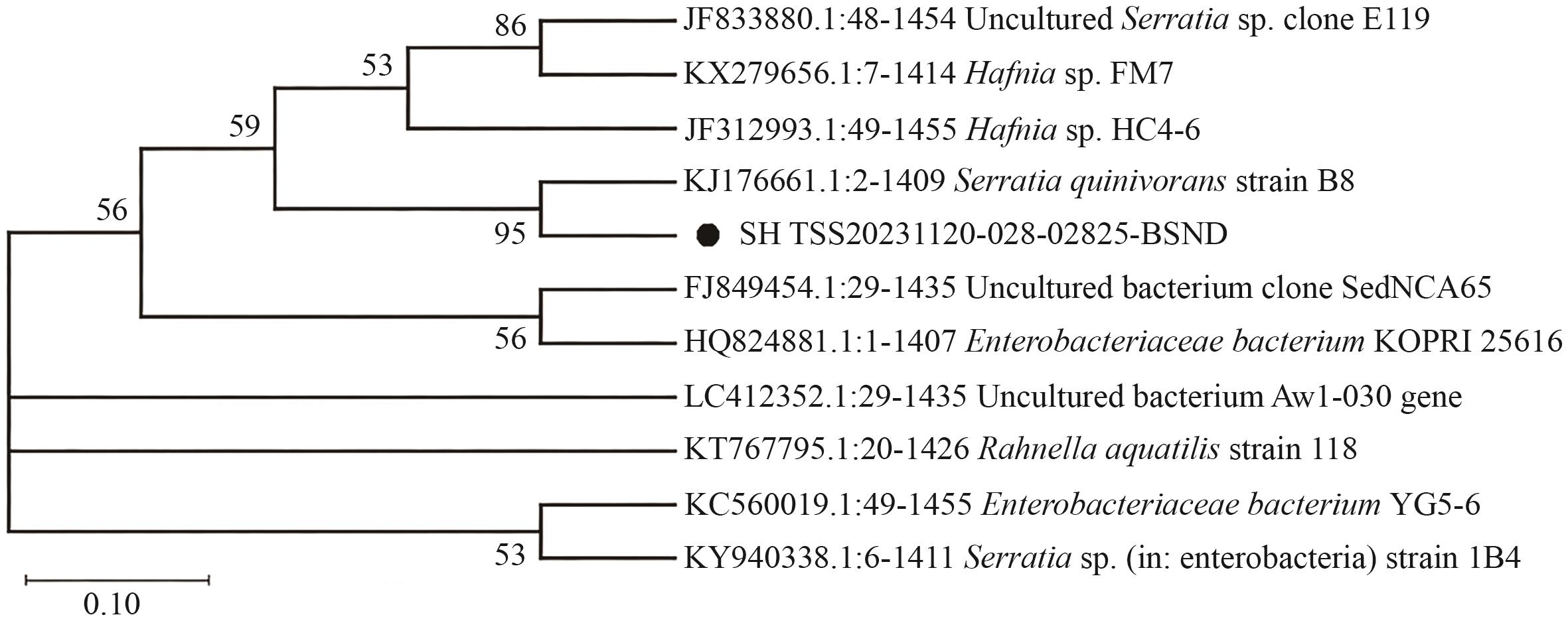
Fig. 1 Phylogenetic tree based on 16S rRNA gene sequences
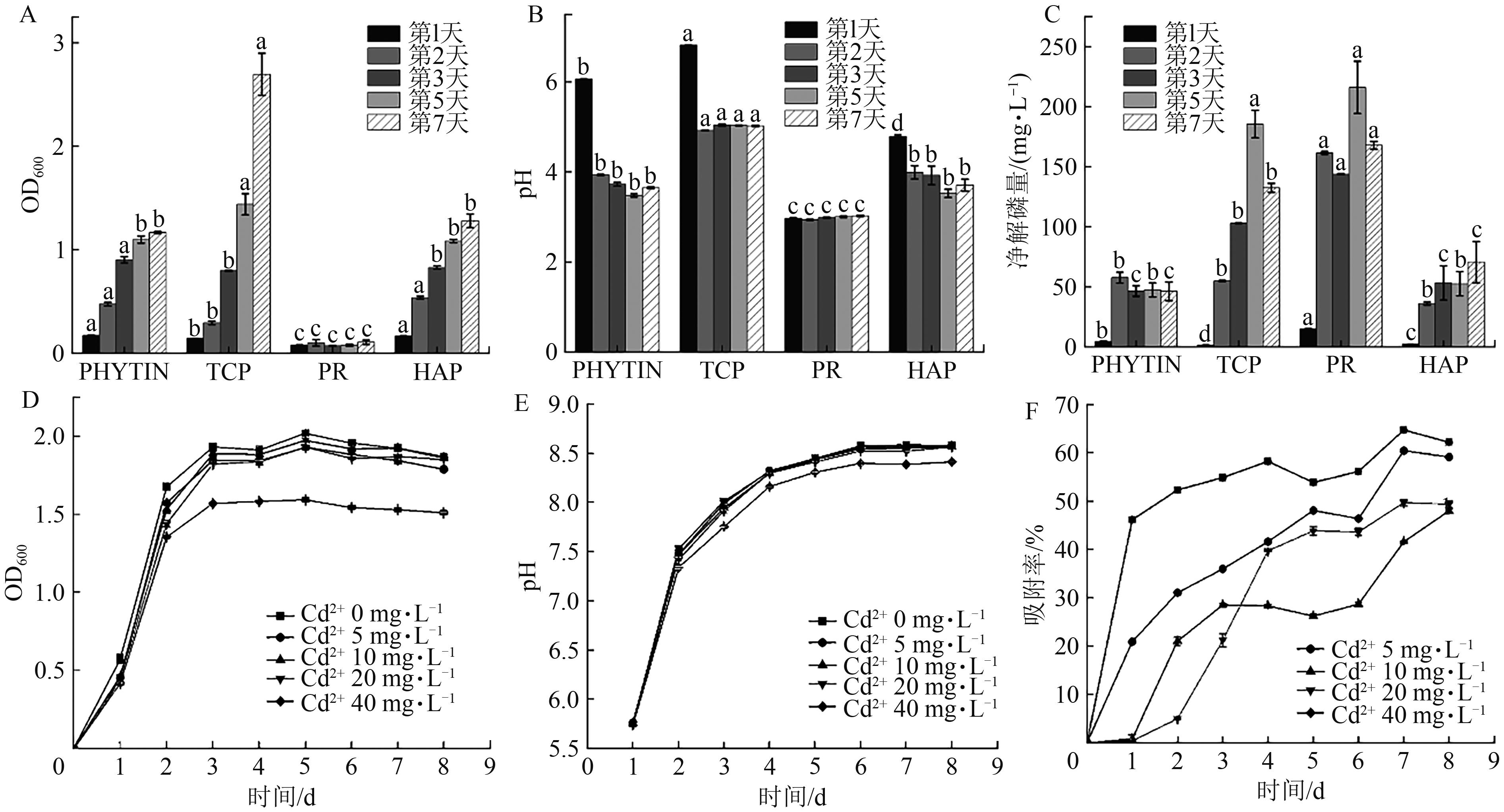
Fig. 2 Growth responses and functional characteristics of S. quinivorans SH under different phosphorus sources and Cd2+ stress
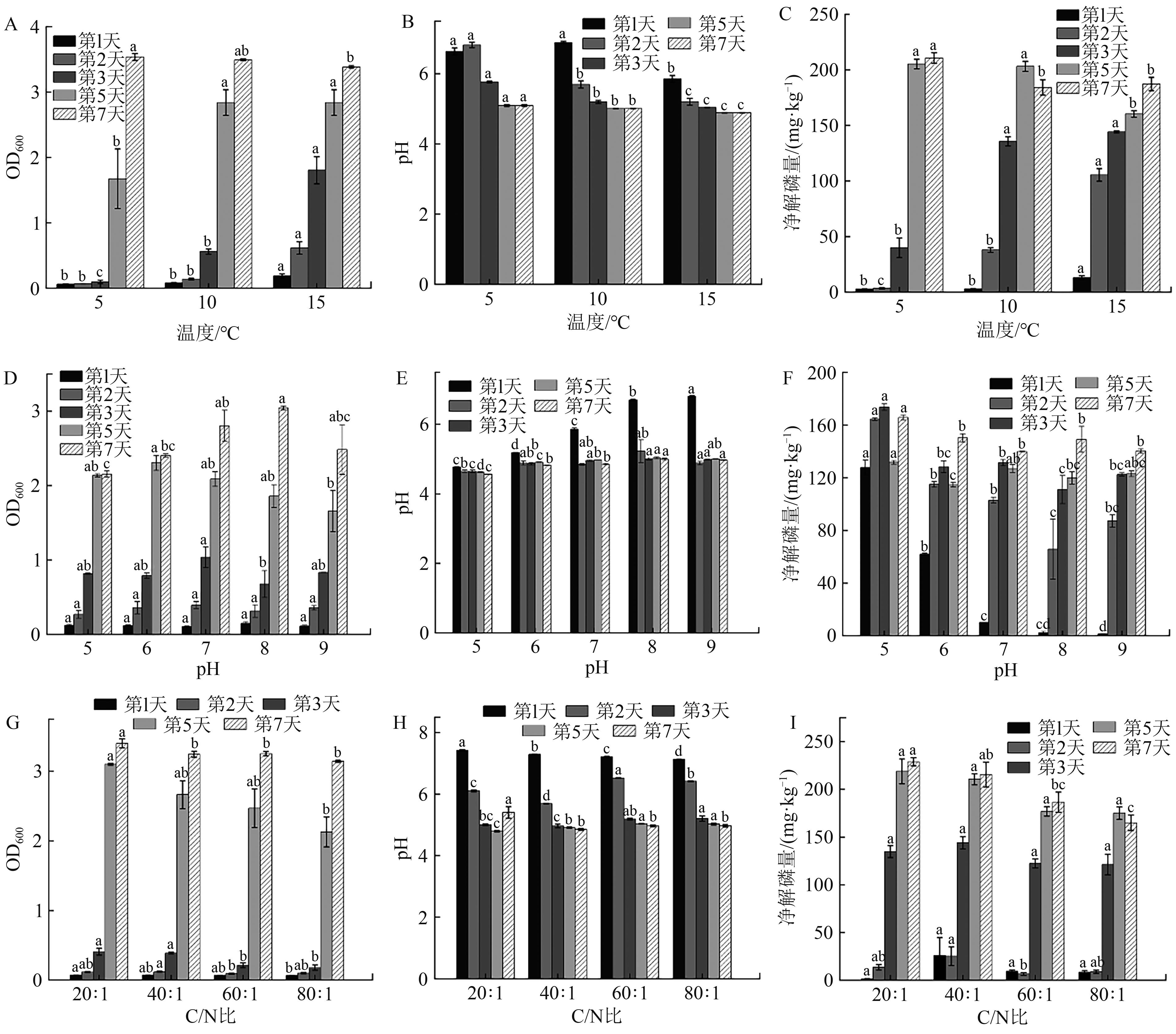
Fig. 3 OD600, variation in growth medium pH, and net phosphate-solubilizing amount of the strain under different temperature, pH, and C/N ratio conditions
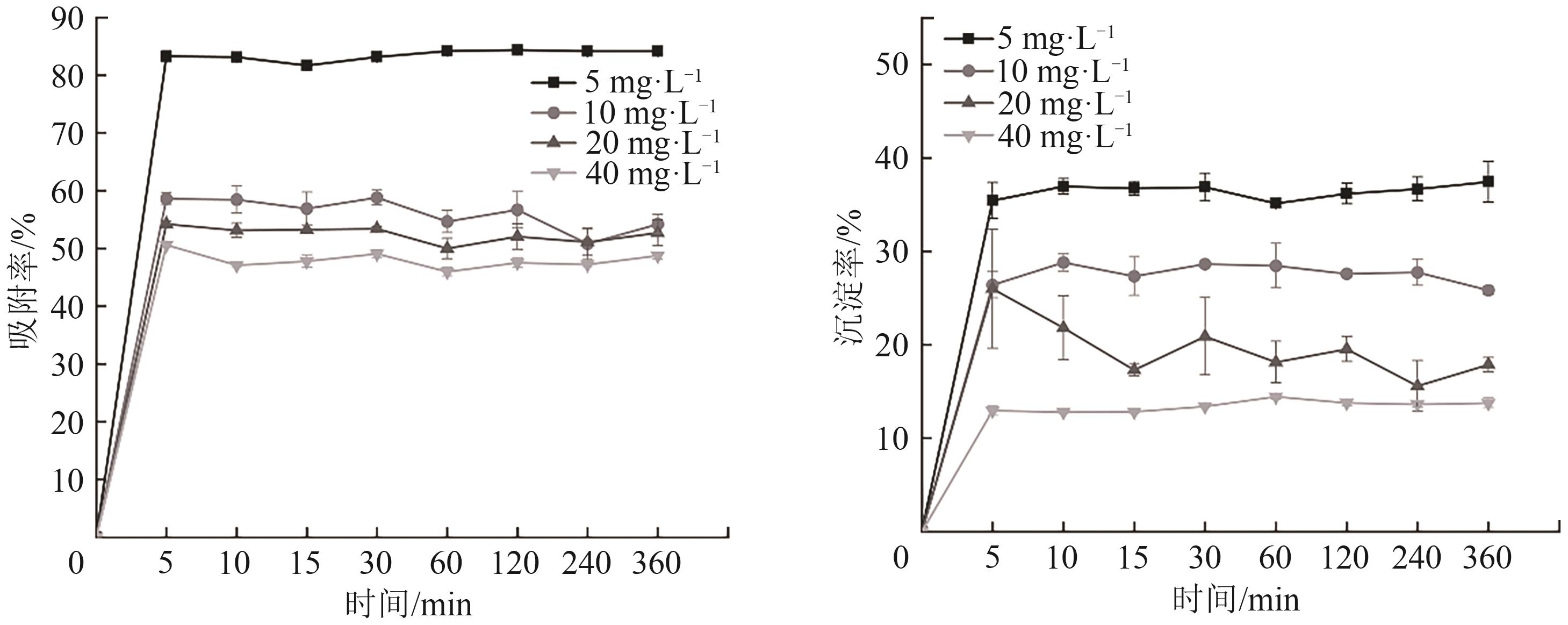
Fig. 4 Changes in Cd adsorption rate by bacterial cells and Cd precipitation rate in the culture medium over time
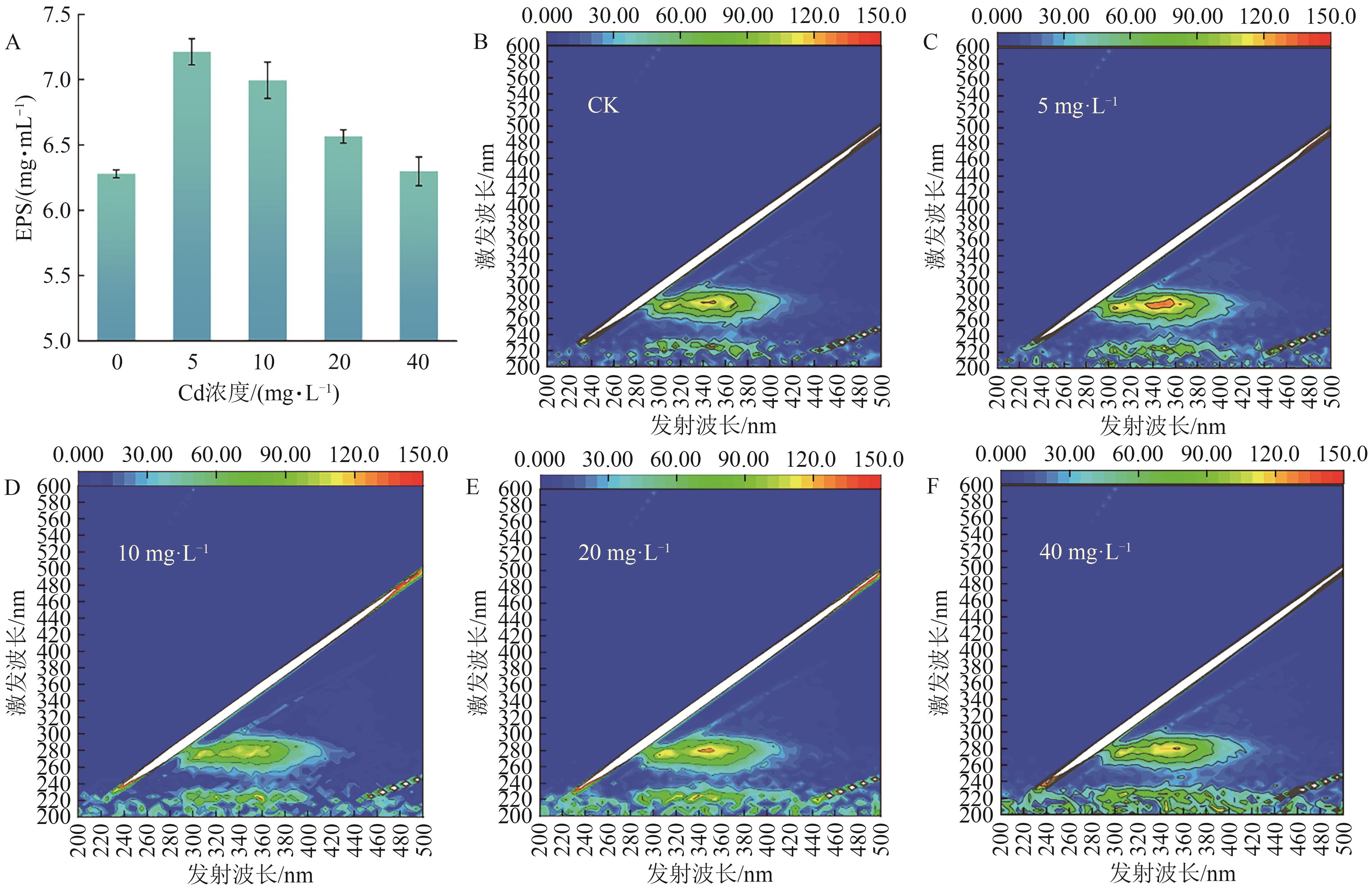
Fig. 5 EPS polysaccharide content and fluorescence characteristics of soluble EPS crude extracts from S. quinivorans SH under different Cd concentrations
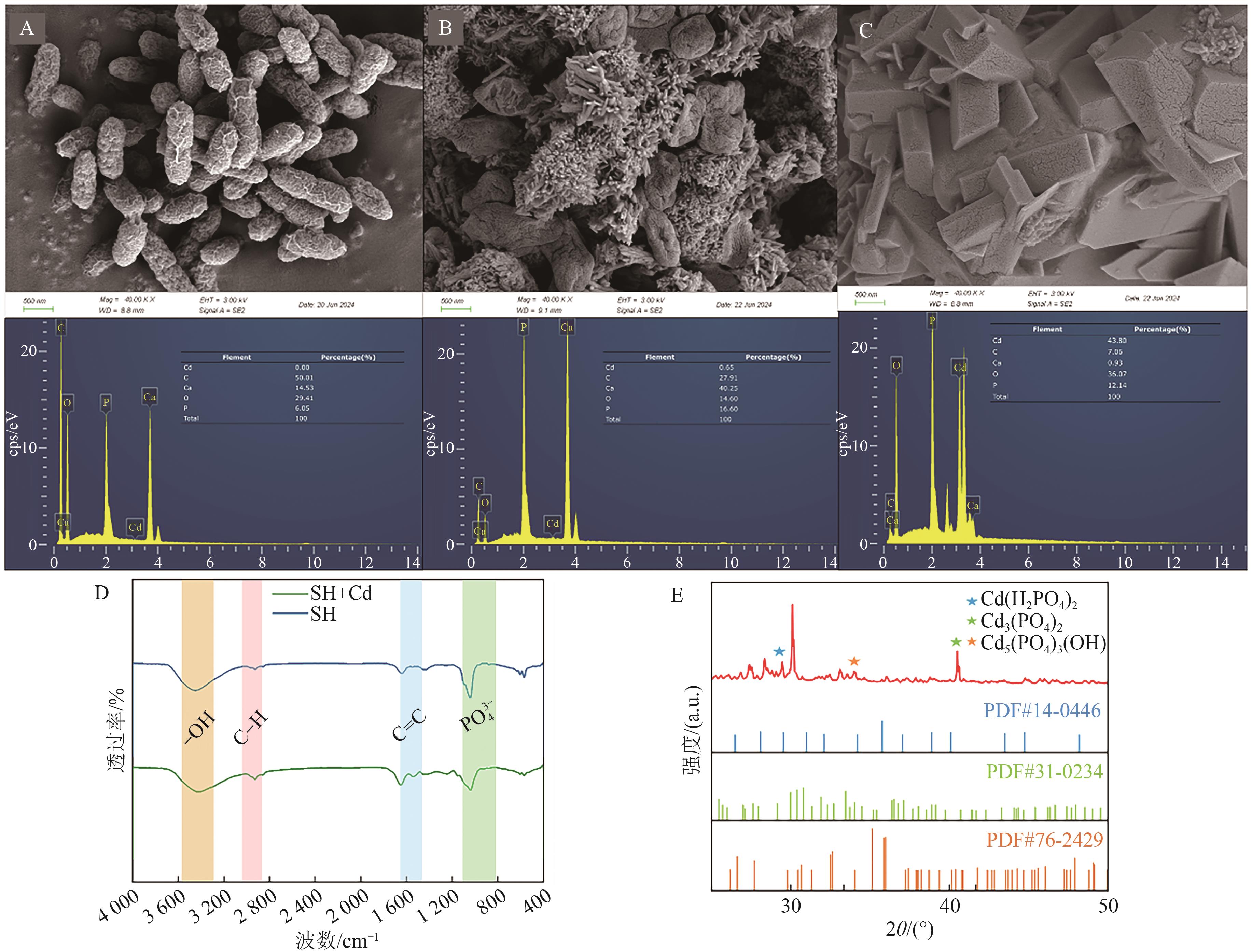
Fig. 6 Characteristics of cadmium adsorption and mineralization by S. quinivorans SH
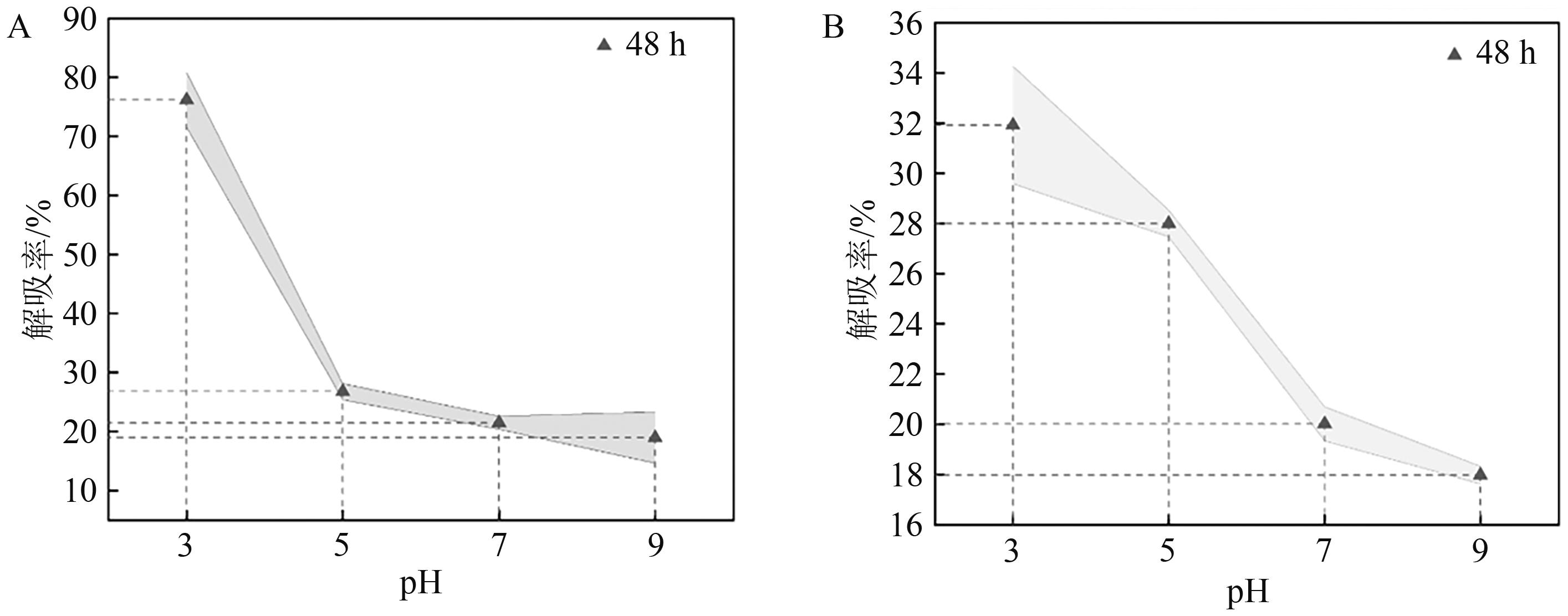
Fig. 7 Effects of pH on adsorption products and precipitation products
| 特征 | 统计值 |
|---|---|
| 基因组大小/bp | 5 042 730 |
| 编码序列平均长度/bp | 965 |
| GC含量/% | 51.49 |
| 编码基因数量 | 4 496 |
| Contig数量 | 3 |
| 染色体数量 | 1 |
| 质粒数量 | 2 |
| tRNA数量 | 75 |
| rRNA数量 | 22 |
| sRNA数量 | 88 |
Table 2 Genomic characterization of strain SH
| 特征 | 统计值 |
|---|---|
| 基因组大小/bp | 5 042 730 |
| 编码序列平均长度/bp | 965 |
| GC含量/% | 51.49 |
| 编码基因数量 | 4 496 |
| Contig数量 | 3 |
| 染色体数量 | 1 |
| 质粒数量 | 2 |
| tRNA数量 | 75 |
| rRNA数量 | 22 |
| sRNA数量 | 88 |
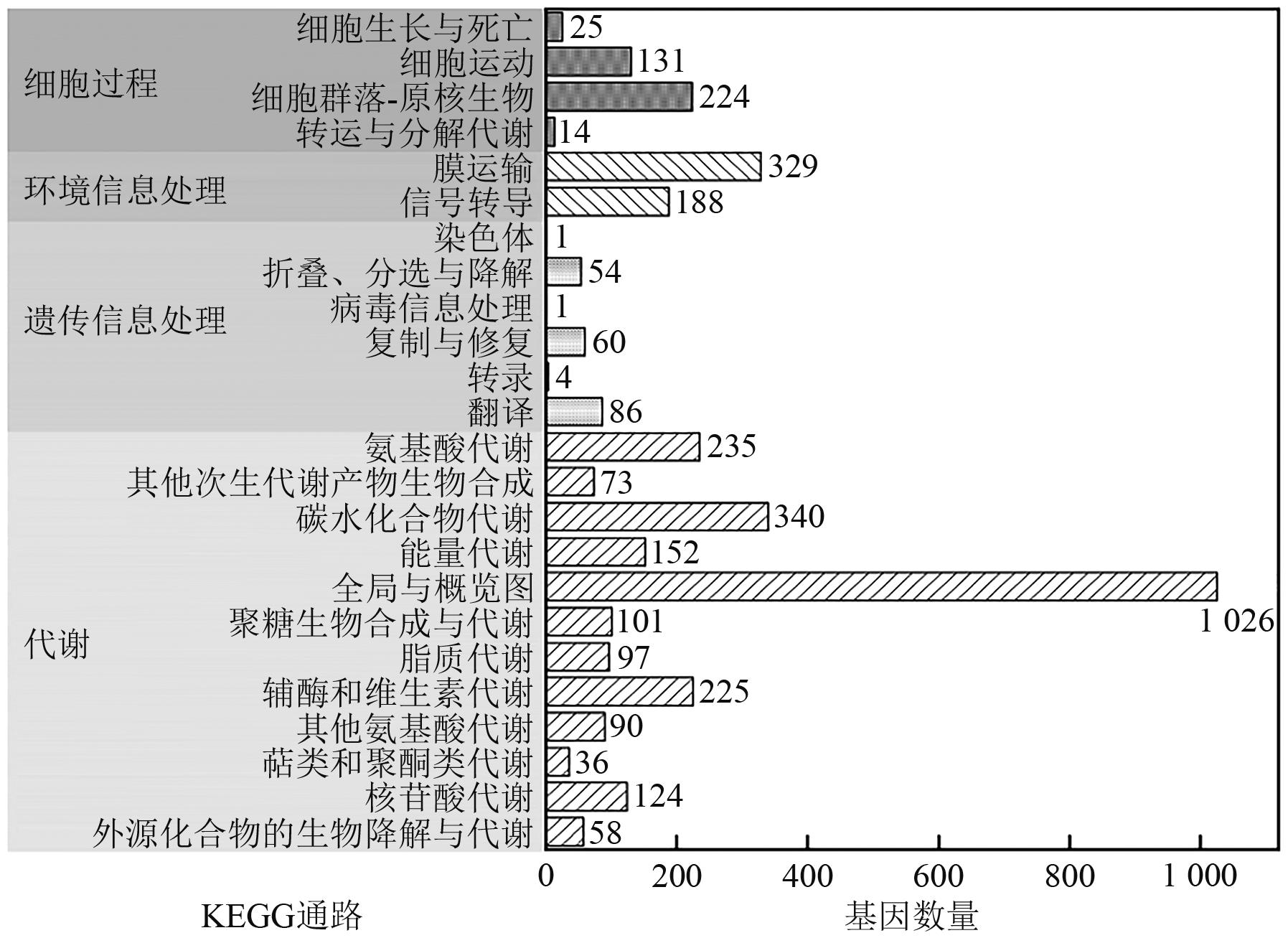
Fig. 8 Statistical classification of KEGG functional annotations
| [1] | WU J, DUAN D, LU J, et al.. Inorganic pollution around the Qinghai-Xizang Plateau: an overview of the current observations[J]. Sci. Total Environ., 2016, 550: 628-636. |
| [2] | SUHANI I, SAHAB S, SRIVASTAVA V, et al.. Impact of cadmium pollution on food safety and human health[J]. Curr. Opin. Toxicol., 2021, 27: 1-7. |
| [3] | PEERA S K P G, KHANAM R, DAS S, et al.. A state-of-the-art review on cadmium uptake, toxicity, and tolerance in rice: from physiological response to remediation process[J/OL]. Environ. Res., 2023, 220: 115098[2026-05-15]. . |
| [4] | MA Y, WANG L, CAO Y, et al.. Stabilization and remediation of heavy metal-contaminated soils in China: insights from a decade-long national survey[J]. Environ. Sci. Pollut. Res., 2022, 29(26): 39077-39087. |
| [5] | GEORGE S E, WAN Y. Microbial functionalities and immobilization of environmental lead: biogeochemical and molecular mechanisms and implications for bioremediation[J/OL]. J. Hazard. Mater., 2023, 457: 131738[2026-05-15]. . |
| [6] | ZHANG L, ZHANG J, ZHOU R, et al.. β-tricalcium phosphate enhanced biomineralization of Cd2+ and Pb2+ by Sporosarcina ureilytica HJ1 and Sporosarcina pasteurii HJ2[J/OL]. J. Hazard. Mater., 2024, 474: 134624. |
| [7] | HAN L J, LI J S, CHEN Z, et al.. Stabilization of Pb(Ⅱ) in wastewater and tailings by commercial bacteria through microbially induced phosphate precipitation (MIPP)[J/OL]. Sci. Total Environ., 2023, 868: 161628[2026-05-15]. . |
| [8] | HE N, HU L, JIANG C, et al.. Remediation of chromium, zinc, arsenic, lead and antimony contaminated acidic mine soil based on Phanerochaete chrysosporium induced phosphate precipitation[J/OL]. Sci. Total Environ., 2022, 850: 157995[2026-05-15]. . |
| [9] | ZENG G, DAI J, JIAN J, et al.. The effect of phosphate solubilizing bacteria on the fate of cadmium immobilized by microbial induced phosphate precipitation[J/OL]. J. Environ. Manag., 2025, 380: 125125[2026-05-15]. . |
| [10] | 宋宇,陈玉洁,陈凯斌,等.不同胶结液驱动解磷微生物固化/稳定化重金属污染土力学特性研究[J].工程地质学报,2025,33(6):2095-2107. |
| SONG Y, CHEN Y J, CHEN K B, et al.. Study on the mechanical properties of heavy metal contaminated soil solidified/stabilized by phosphate-solubilizing microorganisms driven by different cementing fluids[J]. J. Eng. Geol., 2025, 33(6): 2095-2107. | |
| [11] | GLICK B R. Using soil bacteria to facilitate phytoremediation[J]. Biotechnol. Adv., 2010, 28(3): 367-374. |
| [12] | MA X, LUO Z, YU Y, et al.. Insight into mineral-microbe interaction on cadmium immobilization via microbially induced phosphate precipitation with various phosphate minerals[J/OL]. J. Hazard. Mater., 2025, 498: 139854[2026-05-15]. . |
| [13] | ZENG G, QIAO S, WANG X, et al.. Immobilization of cadmium by Burkholderia sp. QY14 through modified microbially induced phosphate precipitation[J/OL]. J. Hazard. Mater., 2021, 412: 125156[2026-05-15]. . |
| [14] | 李雪涛,许永利.解磷菌的筛选鉴定及其促生效果研究[J].农业与技术,2024,44(24):108-112. |
| LI X T, XU Y L. Screening and identification of phosphate-solubilizing bacteria and its growth-promoting effect[J]. Agric. Technol., 2024, 44(24): 108-112. | |
| [15] | QIN S, ZHANG H, HE Y, et al.. Improving radish phosphorus utilization efficiency and inhibiting Cd and Pb uptake by using heavy metal-immobilizing and phosphate-solubilizing bacteria[J/OL]. Sci. Total Environ., 2023, 868: 161685. |
| [16] | DUAN T, ZHANG J, WANG Z. Responses and indicators of composition, diversity, and productivity of plant communities at different levels of disturbance in a wetland ecosystem[J/OL]. Diversity, 2021, 13(6): 252[2026-05-15]. . |
| [17] | ZHANG W, WANG Q, WU Q, et al.. The response of soil Olsen-P to the P budgets of three typical cropland soil types under long-term fertilization[J/OL]. PLoS One, 2020, 15(3): e0230178[2026-05-15]. . |
| [18] | USMONKULOVA A, MALUSA E, KADIROVA G, et al.. Ni2+ and Cd2+ biosorption capacity and redox-mediated toxicity reduction in bacterial strains from highly contaminated soils of Uzbekistan[J/OL]. Microorganisms, 2025, 13(7): 1485[2026-05-15]. . |
| [19] | XU D, SHEN Z, DOU C, et al.. Effects of soil properties on heavy metal bioavailability and accumulation in crop grains under different farmland use patterns[J/OL]. Sci. Rep., 2022, 12: 9211[2026-05-15]. . |
| [20] | BRINZA L, GERAKI K, MATAMOROS-VELOZA A, et al.. The Irish kelp, Fucus vesiculosus, a highly potential green bio sorbent for Cd (Ⅱ) removal: mechanism, quantitative and qualitative approaches[J/OL]. J. Clean. Prod., 2021, 327: 129422[2026-05-15]. . |
| [21] | CABESTRERO Ó, TEBES-CAYO C, HINMAN N W, et al.. Mineral paragenesis precipitating in salt flat pools of continental environments replicated in microbial mat microcosms without evaporation[J/OL]. Minerals, 2022, 12(5): 646[2026-05-15]. . |
| [22] | YUAN J, LU W. Adsorption of Cr(Ⅵ) from aqueous solutions using inorganic clays modified magnetic chitosan adsorbent: kinetic and thermodynamic study[J/OL]. Desalin. Water Treat., 2024, 319: 100442[2026-05-15]. . |
| [23] | ZENG W, ZHANG S, XIA M, et al.. Insights into the production of extracellular polymeric substances of Cupriavidus pauculus1490 under the stimulation of heavy metal ions[J]. RSC Adv., 2020, 10(34): 20385-20394. |
| [24] | XING Y, LUO X, LIU S, et al.. Synergistic effect of biofilm growth and cadmium adsorption via compositional changes of extracellular matrix in montmorillonite system[J/OL]. Bioresour. Technol., 2020, 315: 123742[2026-05-15]. . |
| [25] | LIU F, HAN X, WANG Z, et al.. Extracellular polymeric substances protect Chlorella sp. against the cadmium stress[J/OL]. Ecologies, 2025, 6(4): 65[2026-05-15]. . |
| [26] | GARCIA-SANCHEZ M, BERTRAND I, BARAKAT A, et al.. Improved rock phosphate dissolution from organic acids is driven by nitrate assimilation of bacteria isolated from nitrate and CaCO3-rich soil[J/OL]. PLoS One, 2023, 18(3): e0283437[2026-05-15]. . |
| [27] | XIAO S S, WEN J Y, QI Z, et al.. Isolation, identification and phosphate solubilization analysis of phosphate-solubilizing bacteria derived from Pinus sylvestris var. mongolica rhizosphere soil[J]. Chin. Agric. Sci.. Bull., 2020, 36(32): 76-81. |
| [28] | MA Y, LIU Y, WANG D, et al.. The impacts of different nitrogen forms on fungal weathering of carbonate and insoluble phosphate in the karst red soil[J/OL]. Environ. Technol. Innov., 2026, 41: 104719[2026-05-15]. . |
| [29] | DESALEGN Y M, BEKELE E A, OLU F E. Optimization of Cd(Ⅱ) removal from aqueous solution by natural hydroxyapatite/bentonite composite using response surface methodology[J/OL]. Sci. Rep., 2023, 13: 5158[2026-05-15]. . |
| [30] | CUI D, TAN C, DENG H, et al.. Biosorption mechanism of aqueous Pb2+, Cd2+, and Ni2+ ions on extracellular polymeric substances (EPS)[J/OL]. Archaea, 2020, 2020(1): 8891543[2026-05-15]. . |
| [31] | LAI W, WU Y, ZHANG C, et al.. Combination of biochar and phosphorus solubilizing bacteria to improve the stable form of toxic metal minerals and microbial abundance in lead/cadmium-contaminated soil[J/OL]. Agronomy, 2022, 12(5): 1003[2026-05-15]. . |
| [32] | ZHANG K, XUE Y, ZHANG J, et al.. Removal of lead from acidic wastewater by bio-mineralized bacteria with pH self-regulation[J/OL]. Chemosphere, 2020, 241: 125041[2026-05-15]. . |
| [33] | 郭梅,韩昕,卢育霞,等.镉污染对黄土物理化学及力学性质的影响[J].地质科技通报,2025,44(3):353-362. |
| GUO M, HAN X, LU Y X, et al.. Effects of cadmium on physical-chemical and mechanical properties of loess[J]. Bull. Geol. Sci. Technol., 2025, 44(3): 353-362. | |
| [34] | SHENG M, LIU Y, ZENG G, et al.. For aqueous/soil cadmium immobilization under acid attack, does the hydroxyapatite converted from Pseudochrobactrum sp. DL-1 induced vaterite necessarily show higher stability?[J/OL]. J. Hazard. Mater., 2024, 478: 135631[2026-05-15]. . |
| [35] | WANG Q, DUAN C J, XU C Y, et al.. Efficient removal of Cd(Ⅱ) by phosphate-modified biochars derived from apple tree branches: processes, mechanisms, and application[J/OL]. Sci. Total Environ., 2022, 819: 152876[2026-05-15]. . |
| [36] | WANG S, LI Y, ZHANG J, et al.. Transcriptome profiling analysis of phosphate-solubilizing mechanism of Pseudomonas strain W134[J/OL]. Microorganisms, 2022, 10(10): 1998[2026-05-15]. . |
| [37] | KOUBA V, BACHMANNOVá C, PODZIMEK T, et al.. Physiology of anammox adaptation to low temperatures and promising biomarkers: a review[J/OL]. Bioresour. Technol., 2022, 349: 126847[2026-04-11]. . |
| [38] | ZHANG X, LIU W, LIU J, et al.. Isolation and growth-promoting mechanisms of phosphate-solubilizing bacteria from Qinghai-Xizang Plateau in Lespedeza bicolor Turcz[J/OL]. Front. Microbiol., 2025, 16: 1669774[2026-05-15]. . |
| [39] | ZULUAGA M Y A, DE OLIVEIRA A L M, VALENTINUZZI F, et al.. An insight into the role of the organic acids produced by Enterobacter sp. strain 15S in solubilizing tricalcium phosphate: in situ study on cucumber[J/OL]. BMC Microbiol., 2023, 23: 184[2026-05-15]. . |
| [40] | HUANG H, WANG K, LI S, et al.. Different survival strategies of the phosphate-mineralizing bacterium Enterobacter sp. PMB-5 in response to cadmium stress: biomineralization, biosorption, and bioaccumulation[J/OL]. J. Hazard. Mater., 2024, 465: 133284[2026-05-15]. . |
| [41] | YANG X, YUE S, WU Z, et al. Identification of the Pst system of phosphate solubilizing bacteria Pseudomonas sp.wj1 and functional analysis of pstS gene[J]. J. China Agric. Univ., 2018, 23(6): 40-48. |
| [42] | DE LACERDA J R M, SILVA T FDA, VOLLÚ R E, et al.. Generally recognized as safe (GRAS) Lactococcus lactis strains associated with Lippia sidoides Cham. are able to solubilize/mineralize phosphate[J/OL]. SpringerPlus, 2016, 5(1): 828[2026-05-15]. . |
| [43] | YANG S, DENG W, LIU S, et al.. Presence of heavy metal resistance genes in Escherichia coli and Salmonella isolates and analysis of resistance gene structure in E. coli E308[J]. J. Glob. Antimicrob. Resist., 2020, 21: 420-426. |
| [44] | KWON E H, ADHIKARI A, IMRAN M, et al.. Novel melatonin-producing Bacillus safensis EH143 mitigates salt and cadmium stress in soybean[J/OL]. J. Pineal Res., 2024, 76(4): e12957[2026-05-15]. . |
| [1] | Xinye WANG, Lei LI, Yahua HU, Huan HE, Hongxia LI, Qiong LI, Liang ZHAO, Gangrong ZHANG, Qi PAN, Xuan TANG, Pudi ZHANG, Wenjing JU, Zhengshuo YANG. Isolation and Screening of Phosphate Solubilizing Bacteria and its Growth-promoting Effect on Glutinous Sorghum for Brewing [J]. Current Biotechnology, 2024, 14(5): 832-838. |
| [2] | GUO Fang-fang, YANG Wei, JIANG Wei*. The Formation Mechanism and Role of Bacterial Magnetosomes and its Applications [J]. journal1, 2012, 2(1): 16-22. |
| Viewed | ||||||
|
Full text |
|
|||||
|
Abstract |
|
|||||
