

Current Biotechnology ›› 2026, Vol. 16 ›› Issue (4): 786-796.DOI: 10.19586/j.2095-2341.2026.0126
• Special Forum on Detection Technology for Genetically Modified Organisms • Previous Articles Next Articles
Xiang REN1,2( ), Mingchao YANG2(), Yin ZHANG2, Yifan CHEN2, Shengqian CHAO2, Sheng CHEN2, Yuping JIANG1(), Beibei LYU2()
Received:2026-05-26
Accepted:2026-07-14
Online:2026-07-25
Published:2026-09-11
Contact:
Yuping JIANG,Beibei LYU
CLC Number:
Xiang REN, Mingchao YANG, Yin ZHANG, Yifan CHEN, Shengqian CHAO, Sheng CHEN, Yuping JIANG, Beibei LYU. Research Progress on Ecological Risk Assessment of Genetically Modified Plants Based on Plant-associated Microbial Systems[J]. Current Biotechnology, 2026, 16(4): 786-796.
| 作物 | 主要响应微生物 | 变化趋势 | 功能/生态过程 | 参考文献 |
|---|---|---|---|---|
| Bt水稻‘T1C-1’ | 变形菌门(Proteobacteria)、放线菌门(Actinobacteria)、厚壁菌门(Firmicutes)、类亚硝化单胞菌(Nitrosomonas-like) | 阶段性↑ | C-N代谢增强、根际代谢重构 | [ |
| Bt水稻‘华恢1号’ | 芽孢杆菌科(Bacillaceae)、鞘脂单胞菌科(Sphingomonadaceae) | 苗期↑,成熟期稳定 | 植物促生/拮抗菌富集 | [ |
| Bt水稻 | 酸杆菌门(Acidobacteria)、硝化螺旋菌门(Nitrospirae)、变形菌门(Proteobacteria) | Acidobacteria↓,Proteobacteria↑ | 寡营养型向富营养型转移 | [ |
| Bt玉米‘2A-7’ | 放线菌门(Actinobacteria)、β- 变形菌纲(Betap roteobacteria) | 局部↑ | 土壤酶活增强(β-葡萄糖甘酶等) | [ |
| Bt玉米‘2A-7’ | 亚硝化螺菌属(Nitrosospira)、硝化杆菌属(Nitrobacter)、硝化螺旋菌属(Nitrospira) | 短期波动 | 硝化作用调节 | [ |
| 耐草甘膦大豆 | 根瘤菌属(Rhizobium)、慢生根瘤菌属(Bradyrhizobium)、丛枝菌根真菌(Glomus) | 施药后↓,中后期逐渐恢复 | 生物固氮与共生受影响 | [ |
Table1 Effects of genetically modified crops on the rhizosphere microbial community
| 作物 | 主要响应微生物 | 变化趋势 | 功能/生态过程 | 参考文献 |
|---|---|---|---|---|
| Bt水稻‘T1C-1’ | 变形菌门(Proteobacteria)、放线菌门(Actinobacteria)、厚壁菌门(Firmicutes)、类亚硝化单胞菌(Nitrosomonas-like) | 阶段性↑ | C-N代谢增强、根际代谢重构 | [ |
| Bt水稻‘华恢1号’ | 芽孢杆菌科(Bacillaceae)、鞘脂单胞菌科(Sphingomonadaceae) | 苗期↑,成熟期稳定 | 植物促生/拮抗菌富集 | [ |
| Bt水稻 | 酸杆菌门(Acidobacteria)、硝化螺旋菌门(Nitrospirae)、变形菌门(Proteobacteria) | Acidobacteria↓,Proteobacteria↑ | 寡营养型向富营养型转移 | [ |
| Bt玉米‘2A-7’ | 放线菌门(Actinobacteria)、β- 变形菌纲(Betap roteobacteria) | 局部↑ | 土壤酶活增强(β-葡萄糖甘酶等) | [ |
| Bt玉米‘2A-7’ | 亚硝化螺菌属(Nitrosospira)、硝化杆菌属(Nitrobacter)、硝化螺旋菌属(Nitrospira) | 短期波动 | 硝化作用调节 | [ |
| 耐草甘膦大豆 | 根瘤菌属(Rhizobium)、慢生根瘤菌属(Bradyrhizobium)、丛枝菌根真菌(Glomus) | 施药后↓,中后期逐渐恢复 | 生物固氮与共生受影响 | [ |
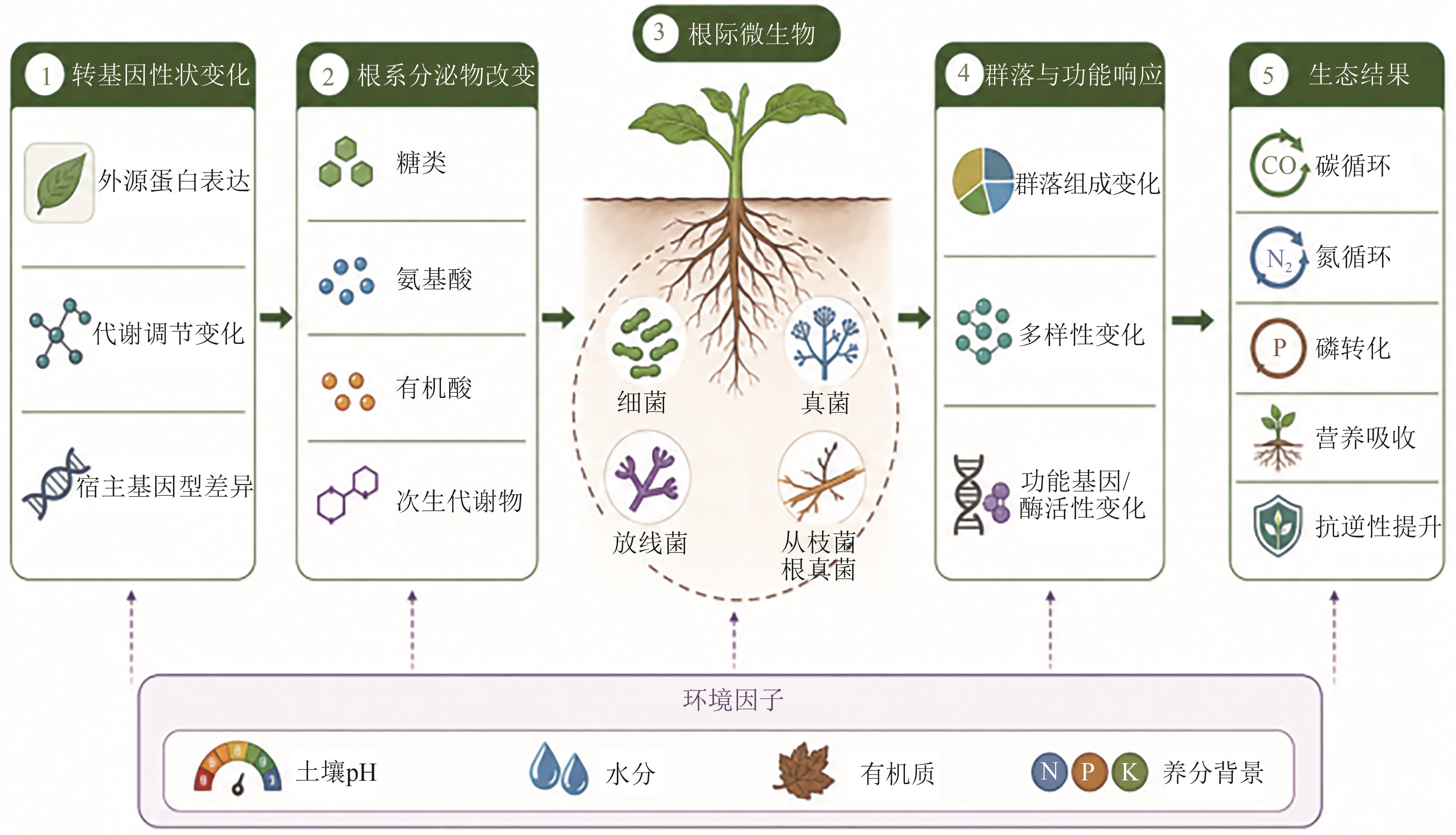
Fig. 1 Mechanisms of genetically modified plants affecting rhizosphere microbial systems
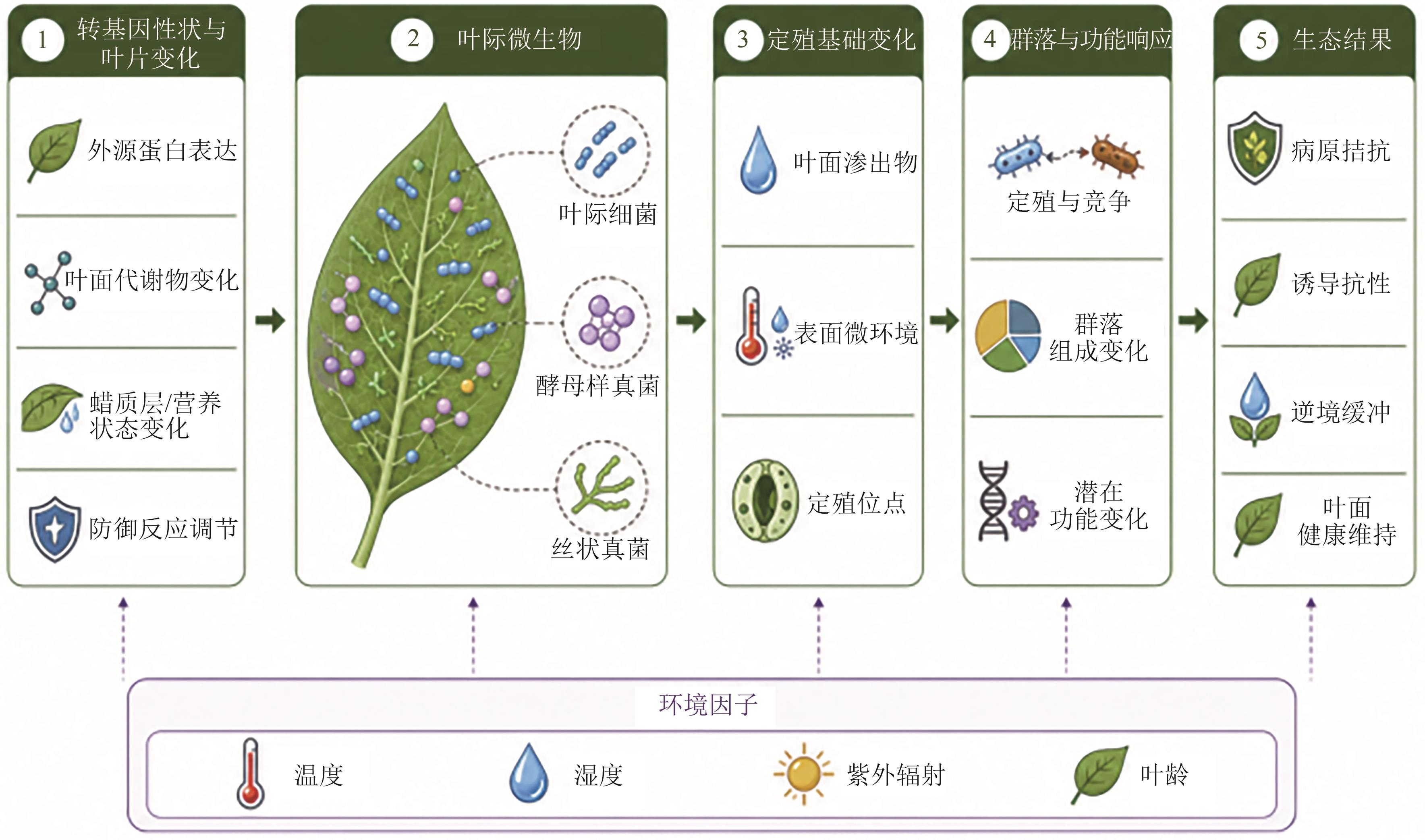
Fig. 2 Mechanisms of genetically modified plants affecting phyllosphere microbial systems
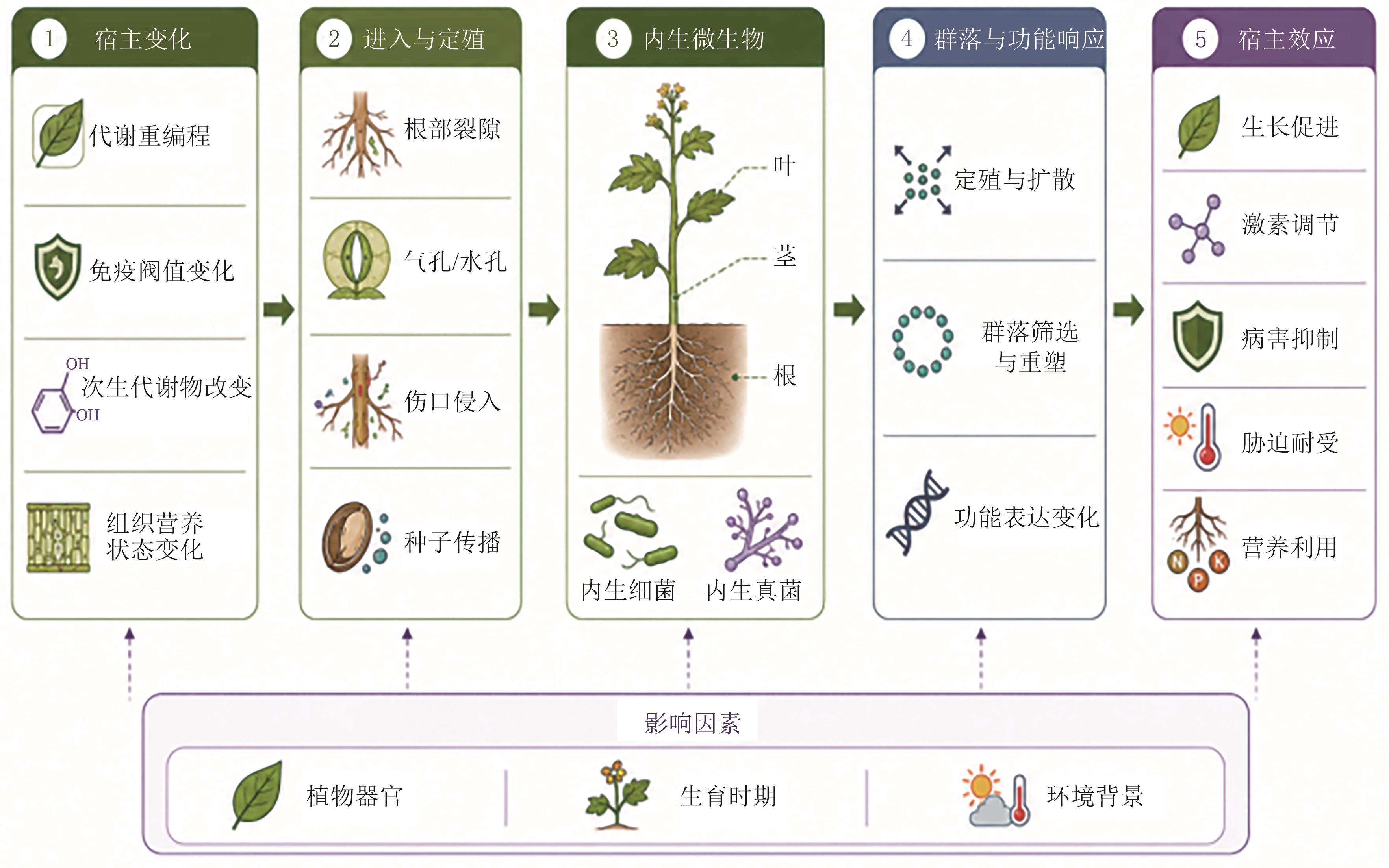
Fig. 3 Mechanisms of genetically modified plants affecting endophytic microbial systems
| [1] | BULGARELLI D, SCHLAEPPI K, SPAEPEN S, et al.. Structure and functions of the bacterial microbiota of plants[J]. Annu. Rev. Plant Biol., 2013, 64: 807-838. |
| [2] | KLÜMPER W, QAIM M. A meta-analysis of the impacts of genetically modified crops[J/OL]. PLoS One, 2014, 9(11): e111629[2026-05-10]. . |
| [3] | PELLEGRINO E, BEDINI S, NUTI M, et al.. Impact of genetically engineered maize on agronomic, environmental and toxicological traits: a meta-analysis of 21 years of field data[J/OL]. Sci. Rep., 2018, 8: 3113[2026-05-10]. . |
| [4] | National Academies of Sciences E and Medicine. Genetically Engineered Crops: Experiences and Prospects[M]. National Academies Press, 2016. |
| [5] | NICOLIA A, MANZO A, VERONESI F, et al.. An overview of the last 10 years of genetically engineered crop safety research[J]. Crit. Rev. Biotechnol., 2014, 34(1): 77-88. |
| [6] | 焦悦,朱鹏宇,梁晋刚,等.国际转基因食品安全评价政策及启示[J].生物技术进展,2021,11(2):121-127. |
| JIAO Y, ZHU P Y, LIANG J G, et al.. International genetically modified food safety evaluation policy and its enlightenment[J]. Curr. Biotechnol., 2021, 11(2): 121-127. | |
| [7] | HARTMANN A, SCHMID M, VAN TUINEN D, et al.. Plant-driven selection of microbes[J]. Plant Soil, 2009, 321(1): 235-257. |
| [8] | DU W, NING L, LIU Y, et al.. Identification of loci and candidate gene GmSPX-RING1 responsible for phosphorus efficiency in soybean via genome-wide association analysis[J/OL]. BMC Genom., 2020, 21(1): 725[2026-05-10]. . |
| [9] | TSATSAKIS A M, NAWAZ M A, KOURETAS D, et al.. Environmental impacts of genetically modified plants: a review[J]. Environ. Res., 2017, 156: 818-833. |
| [10] | EDWARDS J, JOHNSON C, SANTOS-MEDELLÍN C, et al.. Structure, variation, and assembly of the root-associated microbiomes of rice[J]. Proc. Natl. Acad. Sci. USA, 2015, 112(8): 911-920. |
| [11] | BAI Y, MÜLLER D B, SRINIVAS G, et al.. Functional overlap of the Arabidopsis leaf and root microbiota[J]. Nature, 2015, 528(7582): 364-369. |
| [12] | WALTERS W A, JIN Z, YOUNGBLUT N, et al.. Large-scale replicated field study of maize rhizosphere identifies heritable microbes[J]. Proc. Natl. Acad. Sci. USA, 2018, 115(28): 7368-7373. |
| [13] | SASSE J, MARTINOIA E, NORTHEN T. Feed your friends: do plant exudates shape the root microbiome?[J]. Trends Plant Sci., 2018, 23(1): 25-41. |
| [14] | ZHALNINA K, LOUIE K B, HAO Z, et al.. Dynamic root exudate chemistry and microbial substrate preferences drive patterns in rhizosphere microbial community assembly[J]. Nat. Microbiol., 2018, 3(4): 470-480. |
| [15] | ZAHAR H F, MAROL C, BERGE O, et al.. Plant host habitat and root exudates shape soil bacterial community structure[J]. ISME J., 2008, 2(12): 1221-1230. |
| [16] | HEUER H, KROPPENSTEDT R M, LOTTMANN J, et al.. Effects of T4 lysozyme release from transgenic potato roots on bacterial rhizosphere communities are negligible relative to natural factors[J]. Appl. Environ. Microbiol., 2002, 68(3): 1325-1335. |
| [17] | LI P, YE S, CHEN J, et al.. Combined metagenomic and metabolomic analyses reveal that Bt rice planting alters soil C-N metabolism[J/OL]. ISME Commun., 2023, 3: 4[2026-05-10]. . |
| [18] | HUANG Q, ZHANG Y, TAN Y, et al.. Bt-modified transgenic rice may shift the composition and diversity of rhizosphere microbiota[J/OL]. Plants, 2024, 13(10): 1300[2026-05-10]. . |
| [19] | WU N, SHI W, LIU W, et al.. Differential impact of Bt-transgenic rice plantings on bacterial community in three niches over consecutive years[J/OL]. Ecotoxicol. Environ. Saf., 2021, 223: 112569[2026-05-10]. . |
| [20] | FAZAL A, YANG M, HAN H, et al.. Impact of dual Bt-transgenic maize (2A7) on soil microbial communities and enzyme activities: a comparative study with control variety Z58[J/OL]. Environ. Res., 2024, 263: 120006[2026-05-10]. . |
| [21] | YANG S, LIU X, XU X, et al.. Effects of insect-resistant maize 2A-7 expressing mCry1Ab and mCry2Ab on the soil ecosystem[J/OL]. Plants, 2022, 11(17): 2218[2026-05-10]. . |
| [22] | MATHEW S A, FUCHS B, NISSINEN R, et al.. Glyphosate-based herbicide use affects individual microbial taxa in strawberry endosphere but not the microbial community composition[J/OL]. J. Appl. Microbiol., 2023, 134(2): lxad006[2026-05-10]. . |
| [23] | PHILIPPOT L, RAAIJMAKERS J M, LEMANCEAU P, et al.. Going back to the roots: the microbial ecology of the rhizosphere[J]. Nat. Rev. Microbiol., 2013, 11(11): 789-799. |
| [24] | ICOZ I, STOTZKY G. Fate and effects of insect-resistant Bt crops in soil ecosystems[J]. Soil Biol. Biochem., 2008, 40(3): 559-586. |
| [25] | LI J, JIN M K, NEILSON R, et al.. Plant identity shapes phyllosphere microbiome structure and abundance of genes involved in nutrient cycling[J/OL]. Sci. Total Environ., 2023, 865: 161245[2026-05-10]. . |
| [26] | RUI Y K, YI G X, ZHAO J, et al.. Changes of bt toxin in the rhizosphere of transgenic bt cotton and its influence on soil functional bacteria[J]. World J. Microbiol. Biotechnol., 2005, 21(6-7): 1279-1284. |
| [27] | JANG Y J, OH S D, HONG J K, et al.. Impact of genetically modified herbicide-resistant maize on rhizosphere bacterial communities[J]. GM Crops Food, 2025, 16(1): 186-198. |
| [28] | 黄耀辉,王艺洁,杨立桃,等.生物育种新技术作物的安全管理[J].生物技术进展,2022,12(2):198-204. |
| HUANG Y H, WANG Y J, YANG L T, et al.. Safety management of the crop produced by new breeding techniques[J]. Curr. Biotechnol., 2022, 12(2): 198-204. | |
| [29] | TANG T, CHEN G, LIU F, et al.. Effects of transgenic glufosinate-tolerant rapeseed (Brassica napus L.) and the associated herbicide application on rhizospheric bacterial communities[J]. Physiol. Mol. Plant Pathol., 2019, 106: 246-252. |
| [30] | LU G H, HUA X M, CHENG J, et al.. Impact of glyphosate on the rhizosphere microbial communities of an EPSPS-transgenic soybean line ZUTS31 by metagenome sequencing[J]. Curr. Genom., 2017, 19(1): 36-49. |
| [31] | FAZAL A, WEN Z, YANG M, et al.. Triple-transgenic soybean in conjunction with glyphosate drive patterns in the rhizosphere microbial community assembly[J/OL]. Environ. Pollut., 2023, 335: 122337[2026-05-10]. . |
| [32] | 张凤,贺晓云,黄昆仑,等.转基因耐除草剂大豆的食用安全评价研究进展[J].生物技术进展,2021,11(4):489-495. |
| ZHANG F, HE X Y, HUANG K L, et al.. Food safety evaluation of transgenic herbicide tolerant soybean[J]. Curr. Biotechnol., 2021, 11(4): 489-495. | |
| [33] | YANG M, LUO F, SONG Y, et al.. The host niches of soybean rather than genetic modification or glyphosate application drive the assembly of root-associated microbial communities[J]. Microb. Biotechnol., 2022, 15(12): 2942-2957. |
| [34] | CANARINI A, KAISER C, MERCHANT A M, et al.. Root exudation of primary metabolites: mechanisms and their roles in plant responses to environmental stimuli[J]. Front. Plant Sci., 2019, 10: 157[2026-05-10].. |
| [35] | TURRINI A, SBRANA C, GIOVANNETTI M. Belowground environmental effects of transgenic crops: a soil microbial perspective[J]. Res. Microbiol., 2015, 166(3): 121-131. |
| [36] | LINDOW S E, BRANDL M T. Microbiology of the phyllosphere[J]. Appl. Environ. Microbiol., 2003, 69(4): 1875-1883. |
| [37] | VORHOLT J A. Microbial life in the phyllosphere[J]. Nat. Rev. Microbiol., 2012, 10(12): 828-840. |
| [38] | BASHIR I, WAR A F, RAFIQ I, et al.. Phyllosphere microbiome: diversity and functions[J/OL]. Microbiol. Res., 2022, 254: 126888[2026-05-10]. . |
| [39] | LIU H, BRETTELL L E, SINGH B. Linking the phyllosphere microbiome to plant health[J]. Trends Plant Sci., 2020, 25(9): 841-844. |
| [40] | HEUER H, SMALLA K. Bacterial phyllosphere communities of Solanum tuberosum L. and T4-lysozyme-producing transgenic variants[J]. FEMS Microbiol. Ecol., 1999, 28(4): 357-371. |
| [41] | ZHOU J, ZHANG L, CHANG Y, et al.. Alteration of leaf metabolism in Bt-transgenic rice (Oryza sativa L.) and its wild type under insecticide stress[J]. J. Proteome Res., 2012, 11(8): 4351-4360. |
| [42] | GUPTA R, ELKABETZ D, LEIBMAN-MARKUS M, et al.. Cytokinin drives assembly of the phyllosphere microbiome and promotes disease resistance through structural and chemical cues[J]. ISME J., 2022, 16(1): 122-137. |
| [43] | ZHU Y G, XIONG C, WEI Z, et al.. Impacts of global change on the phyllosphere microbiome[J]. New Phytol., 2022, 234(6): 1977-1986. |
| [44] | SOHRABI R, PAASCH B C, LIBER J A, et al.. Phyllosphere microbiome[J]. Annu. Rev. Plant Biol., 2023, 74: 539-568. |
| [45] | HARDOIM P R, VAN OVERBEEK L S, BERG G, et al.. The hidden world within plants: ecological and evolutionary considerations for defining functioning of microbial endophytes[J]. Microbiol. Mol. Biol. Rev., 2015, 79(3): 293-320. |
| [46] | COMPANT S, CAMBON M C, VACHER C, et al.. The plant endosphere world-bacterial life within plants[J]. Environ. Microbiol., 2021, 23(4): 1812-1829. |
| [47] | PATEL A, SAHU K P, MEHTA S, et al.. Rice leaf endophytic Microbacterium testaceum: antifungal actinobacterium confers immunocompetence against rice blast disease[J/OL]. Front. Microbiol., 2022, 13: 1035602[2026-05-10]. . |
| [48] | VIMAL S R, SINGH J S, KUMAR A, et al.. The plant endomicrobiome: structure and strategies to produce stress resilient future crop[J/OL]. Curr. Res. Microb. Sci., 2024, 6: 100236[2026-05-10]. . |
| [49] | MORALES-CEDEÑO L R, DEL CARMEN OROZCO-MOSQUEDA M, LOEZA-LARA P D, et al.. Plant growth-promoting bacterial endophytes as biocontrol agents of pre- and post-harvest diseases: fundamentals, methods of application and future perspectives[J/OL]. Microbiol. Res., 2021, 242: 126612[2026-05-10]. . |
| [50] | RANA K L, KOUR D, KAUR T, et al.. Endophytic microbes: biodiversity, plant growth-promoting mechanisms and potential applications for agricultural sustainability[J]. Antonie Van Leeuwenhoek, 2020, 113(8): 1075-1107. |
| [51] | 王玉虎,赵明敏,郑红丽.植物内生固氮菌及其固氮机理研究进展[J].生物技术进展,2022,12(1):17-26. |
| WANG Y H, ZHAO M M, ZHENG H L. Research progress on plant endophytic nitrogen-fixing bacteria and their nitrogen fixation mechanism[J]. Curr. Biotechnol., 2022, 12(1): 17-26. | |
| [52] | LIU S, CHOU M Y, et al.. Genetic modification of the shiki‐mate pathway to reduce lignin content in switchgrass (Panicum virgatum L.) significantly impacts plant microbiomes[J/OL]. Microbiol. Spectr., 2025, 13: e01546-24[2026-05-10]. . |
| [53] | LENGRAND S, PESENTI L, BRAGARD C, et al.. Bacterial endophytome sources, profile and dynamics: a conceptual framework[J/OL]. Front. Sustain. Food Syst., 2024, 8: 1378436[2026-05-10]. . |
| [54] | TRUYENS S, WEYENS N, CUYPERS A, et al.. Bacterial seed endophytes: genera, vertical transmission and interaction with plants[J]. Environ. Microbiol. Rep., 2015, 7(1): 40-50. |
| [55] | ZHANG X, MA Y N, WANG X, et al.. Dynamics of rice microbiomes reveal core vertically transmitted seed endophytes[J/OL]. Microbiome, 2022, 10(1): 216[2026-05-10]. . |
| [56] | YANG Q, WANG J, ZHANG D, et al.. Effects of multi-resistant ScALDH21 transgenic cotton on soil microbial communities[J/OL]. Front. Microbiomes, 2023, 2: 1248384[2026-05-10]. . |
| [57] | BAUMGARTE S, TEBBE C C. Field studies on the environmental fate of the Cry1Ab Bt-toxin produced by transgenic maize (MON810) and its effect on bacterial communities in the maize rhizosphere[J]. Mol. Ecol., 2005, 14(8): 2539-2551. |
| [58] | SHEN R F, CAI H, GONG W H. Transgenic Bt cotton has no apparent effect on enzymatic activities or functional diversity of microbial communities in rhizosphere soil[J]. Plant Soil, 2006, 285(1): 149-159. |
| [59] | WANG G, YANG S, FENG S, et al.. Impact of glyphosate on the rhizosphere microbial communities of a double-transgenic maize line D105[J/OL]. Front. Sustain. Food Syst., 2024, 8: 1421837[2026-05-10]. . |
| [60] | ZOBIOLE L H S, KREMER R J, OLIVEIRA R S, et al.. Glyphosate affects micro‐organisms in rhizospheres of glyphosate‐resistant soybeans[J]. J. Appl. Microbiol., 2011, 110(1): 118-127. |
| [61] | KARMAKAR S, DATTA K, MOLLA K A, et al.. Proteo-metabolomic investigation of transgenic rice unravels metabolic alterations and accumulation of novel proteins potentially involved in defence against Rhizoctonia solani [J/OL]. Sci. Rep., 2019, 9: 10461[2026-05-10]. . |
| [62] | HAO C, XIA X, XU C, et al.. Impact of transgenic maize Ruifeng125 on diversity and dynamics of bacterial community in rhizosphere soil[J/OL]. Microorganisms, 2024, 12(9): 1763[2026-05-10]. . |
| [63] | DEVARE M H, JONES C M, THIES J E. Effect of Cry3Bb transgenic corn and tefluthrin on the soil microbial community: biomass, activity, and diversity[J]. J. Environ. Qual., 2004, 33(3): 837-843. |
| [64] | ANDERSON M J. A new method for non-parametric multivariate analysis of variance[J]. Austral Ecol., 2001, 26(1): 32-46. |
| [65] | BOLYEN E, RIDEOUT J R, DILLON M R, et al.. Reproducible, interactive, scalable and extensible microbiome data science using QIIME 2[J]. Nat. Biotechnol., 2019, 37(8): 852-857. |
| [66] | CALLAHAN B J, MCMURDIE P J, ROSEN M J, et al.. DADA2: high-resolution sample inference from Illumina amplicon data[J]. Nat. Meth., 2016, 13(7): 581-583. |
| [67] | DOUGLAS G M, MAFFEI V J, ZANEVELD J R, et al.. PICRUSt2 for prediction of metagenome functions[J]. Nat. Biotechnol., 2020, 38(6): 685-688. |
| [68] | QUAST C, PRUESSE E, YILMAZ P, et al.. The SILVA ribosomal RNA gene database project: improved data processing and web-based tools[J]. Nucleic Acids Res., 2013, 41(Database issue): 590-596. |
| [69] | YILMAZ P, PARFREY L W, YARZA P, et al.. The SILVA and "All-species Living Tree Project (LTP)" taxonomic frameworks[J]. Nucleic Acids Res., 2014, 42(D1): 643-648. |
| [70] | LIU J, LI Y, HUANG T. Network analysis in microbiome research: methods, tools, and applications[M]// Microbial 'Omics. New York, NY: Springer US, 2026: 105-115. |
| [71] | ALALWANI A, AL-JAF I M, ABED B, et al.. Biosafety and environmental risks of genetically modified plants[J]. J. Univ. Anbar Pure Sci., 2024, 18(1): 66-75. |
| [72] | TRIVEDI P, LEACH J E, TRINGE S G, et al.. Plant-microbiome interactions: from community assembly to plant health[J]. Nat. Rev. Microbiol., 2020, 18(11): 607-621. |
| [73] | FITZPATRICK C R, SALAS-GONZÁLEZ I, CONWAY J M, et al.. The plant microbiome: from ecology to reductionism and beyond[J]. Annu. Rev. Microbiol., 2020, 74: 81-100. |
| [74] | TARIQ A, GUO S, FARHAT F, et al.. Engineering synthetic microbial communities: diversity and applications in soil for plant resilience[J/OL]. Agronomy, 2025, 15(3): 513[2026-05-10]. . |
| [75] | MCMURDIE P J, HOLMES S. Phyloseq: an R package for reproducible interactive analysis and graphics of microbiome census data[J/OL]. PLoS One, 2013, 8(4): e61217[2026-05-10]. . |
| [76] | SEGATA N, IZARD J, WALDRON L, et al.. Metagenomic biomarker discovery and explanation[J/OL]. Genome Biol., 2011, 12(6): R60[2026-05-10]. . |
| [77] | ESCUDERO-MARTINEZ C, BULGARELLI D. Engineering the crop microbiota through host genetics[J]. Annu. Rev. Phytopathol., 2023, 61: 257-277. |
| [1] | Guangxuan TANG, Liwei HE, Yongyu CHEN, Jiayan ZHANG, Yaqi DAI, Huixiong LV, Lihui LIU. Techniques on Colonization and Detection of Plant Endophytes and its Application [J]. Current Biotechnology, 2023, 13(1): 55-64. |
| [2] | HOU Xu, ZHANG Guoqing, HU Xiao, YAN Lichun, LIU Yueping*. Progress on Biocontrol Endophytes in Fruit Trees [J]. Curr. Biotech., 2017, 7(2): 149-154. |
| [3] | MA Li-li1,2, SONG Pei-yong1*. Progress on Biodiversity of Taxol-producing Microorganisms [J]. Curr. Biotech., 2016, 6(6): 462-468. |
| [4] | WU Zhong-hong1, DU Juan2, WANG Gang-xia3, LI Xue-ping4, PENG Xin-yuan3. Research Advance on Plant Endophytes in Fruit and Vegetable Preservation [J]. Curr. Biotech., 2013, 3(6): 399-402. |
| Viewed | ||||||
|
Full text |
|
|||||
|
Abstract |
|
|||||
