

Current Biotechnology ›› 2026, Vol. 16 ›› Issue (4): 744-755.DOI: 10.19586/j.2095-2341.2026.0130
• Special Forum on Detection Technology for Genetically Modified Organisms • Previous Articles Next Articles
Hua ZHANG1( ), Yuteng ZHANG2,3, Xinyao PEI1, Litao YANG2,3()
Received:2026-06-01
Accepted:2026-07-31
Online:2026-07-25
Published:2026-09-11
Contact:
Litao YANG
CLC Number:
Hua ZHANG, Yuteng ZHANG, Xinyao PEI, Litao YANG. Research Progress on Detection Methods of Genetically Modified and Gene-edited Products[J]. Current Biotechnology, 2026, 16(4): 744-755.
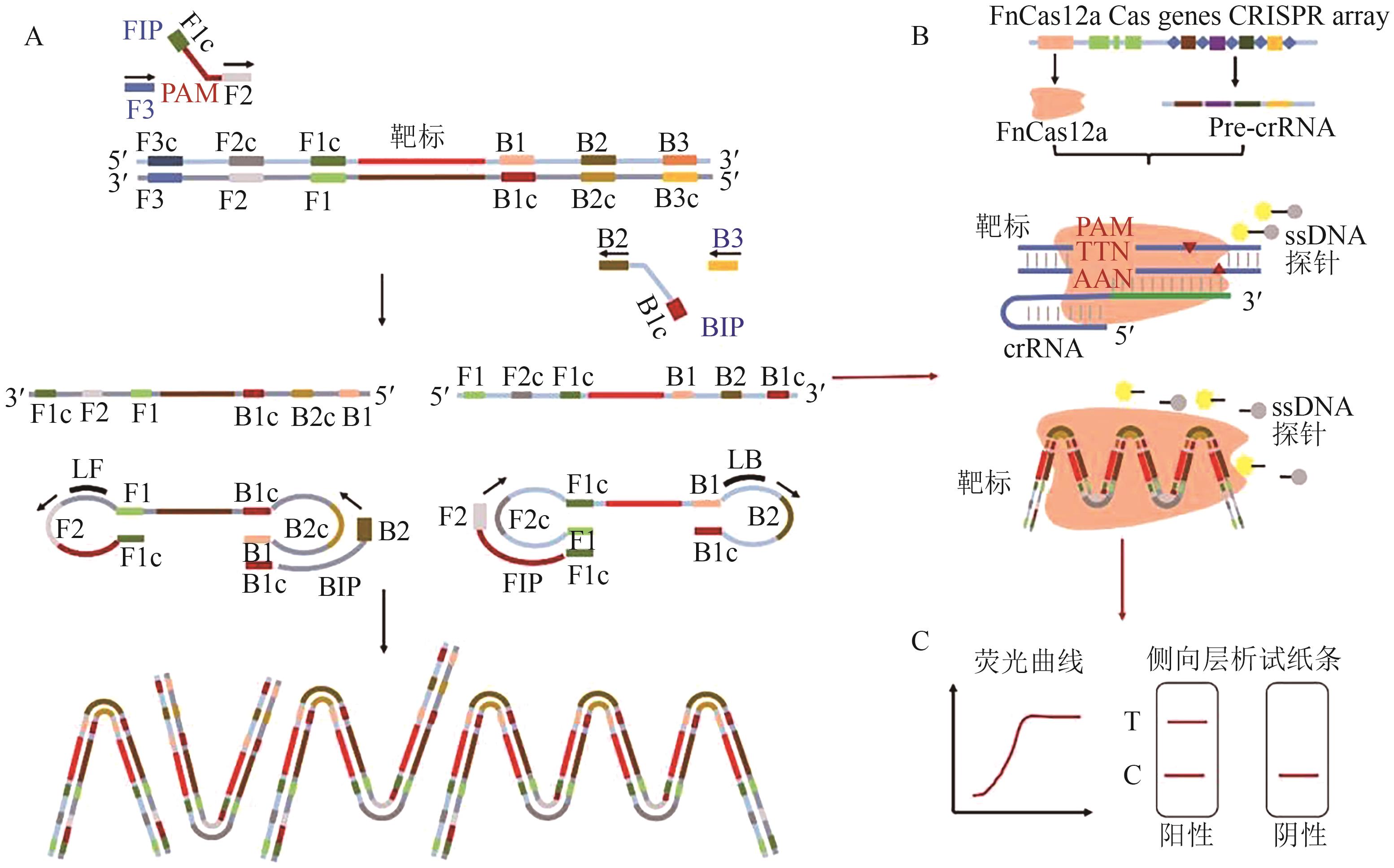
Fig. 1 Schematic diagram of the principle of Cas-pfLAMP for detecting genetically modified maize and soybean[20]
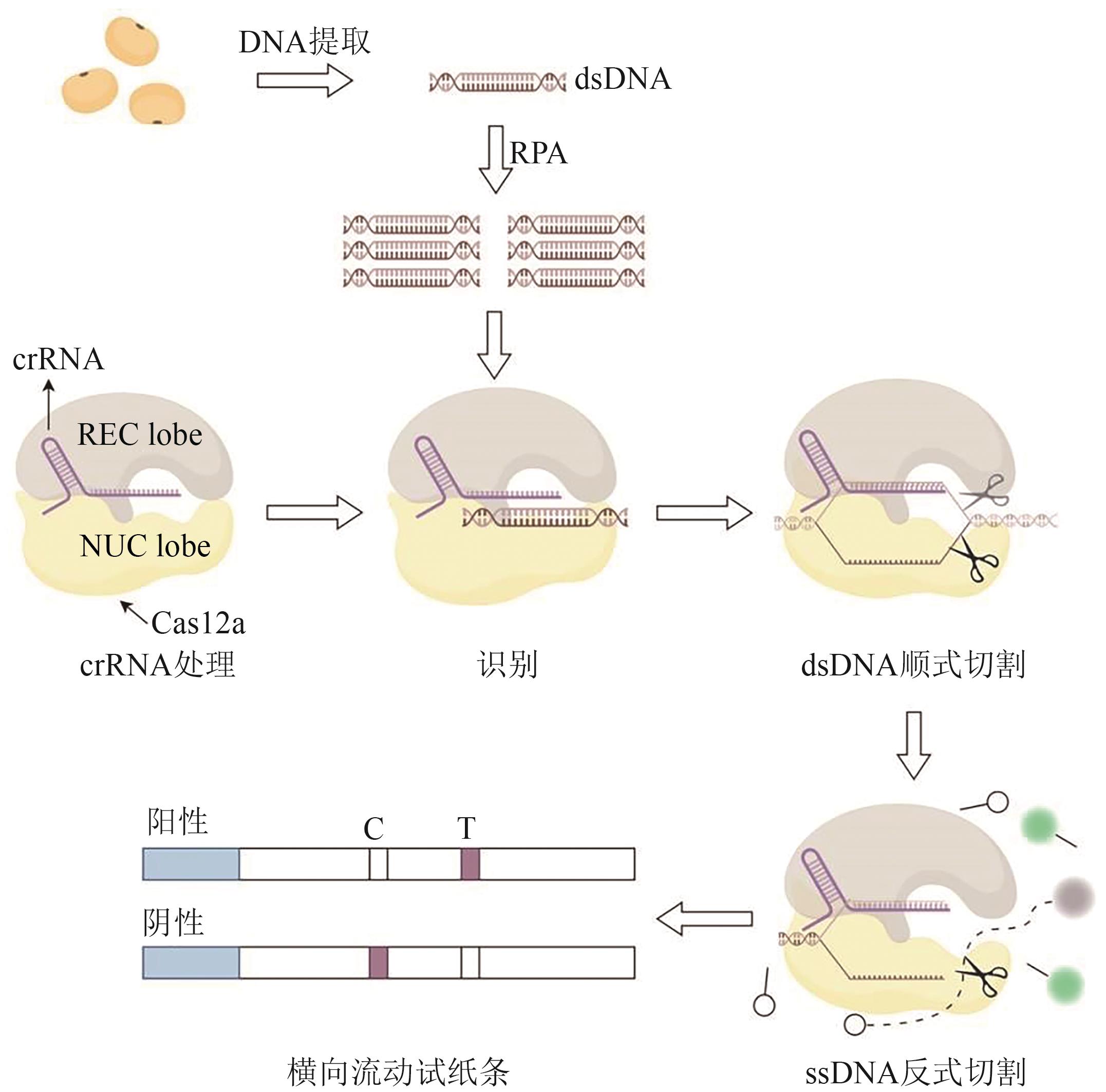
Fig. 2 Schematic diagram of ZH6106 detection principle in transgenic soybeans based on RPA-CRISPR/Cas12a[21]
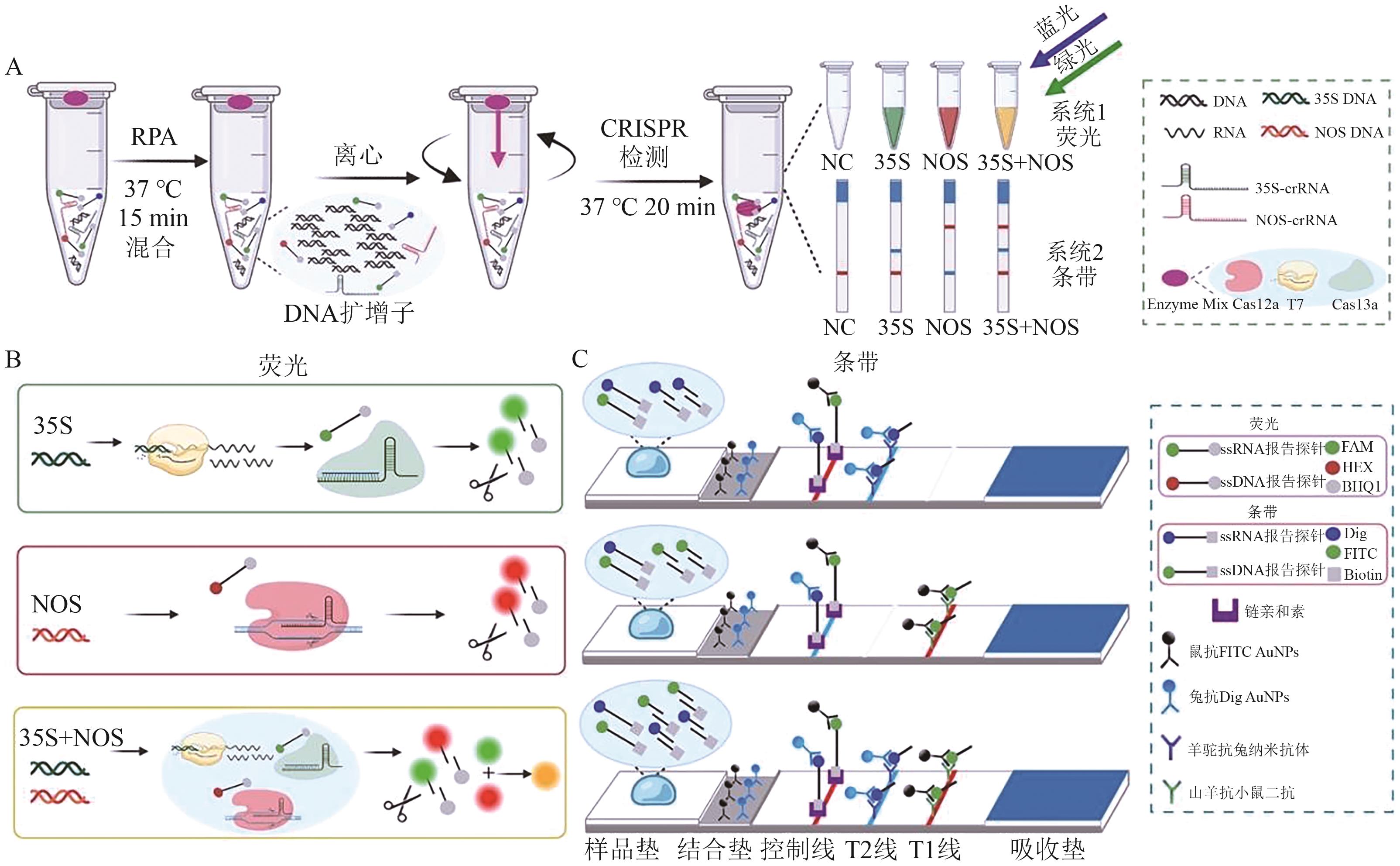
Fig. 3 Schematic diagram of MR-DCA for the detection of CaMV35S and NOS[24]
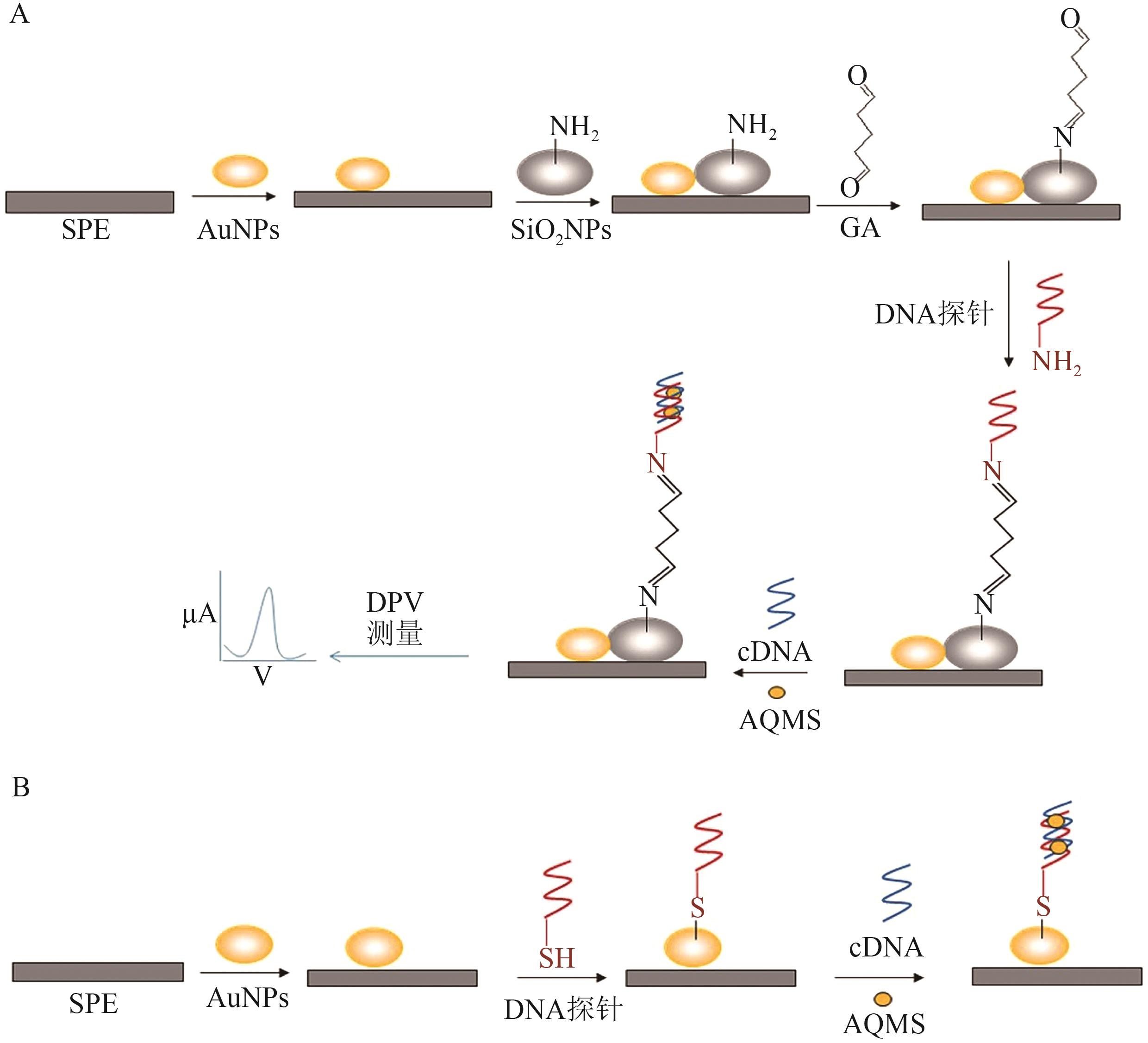
Fig. 4 Schematic diagram of construction and detection principle of voltammetric gene sensor based on SiO2-Au nanocomposite electrode[31]
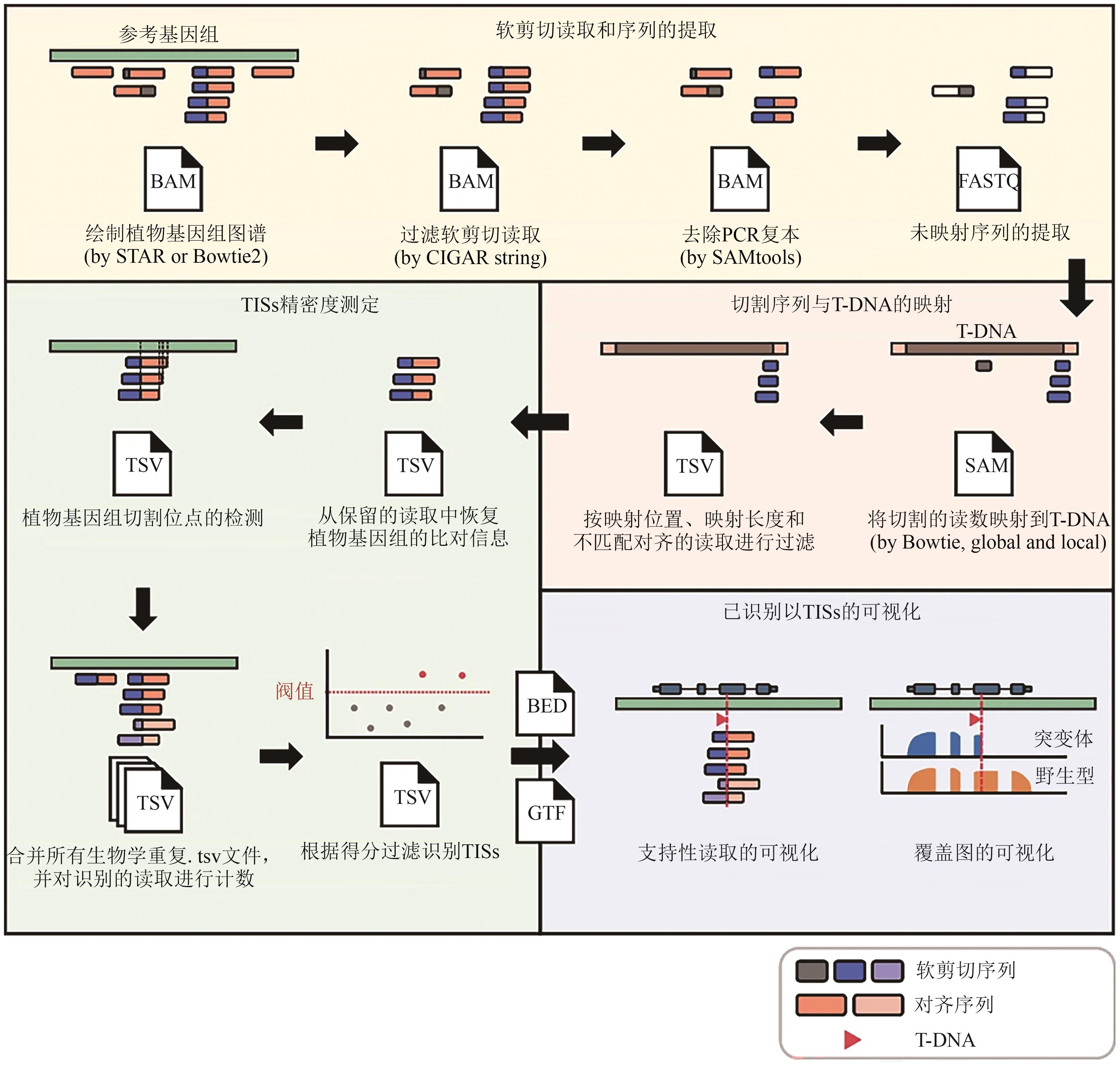
Fig. 5 Schematic diagram of the analysis process for T-DNA reader to identify T-DNA insertion sites
| 技术类别 | 代表方法 | 主要优势 | 主要局限性 | 适用场景 |
|---|---|---|---|---|
| 普通PCR | 元件特异性PCR、构建特异性PCR、事件特异性PCR、多重PCR | 操作相对简单、成本较低,适合已知靶标的快速初筛和基础鉴定 | 以定性或半定量分析为主,对低拷贝靶标和复杂基质样品的定量能力有限 | 转基因元件筛查、事件初步确认、未授权成分定性筛查 |
| qPCR | TaqMan探针qPCR、双重qPCR、多重qPCR | 灵敏度和特异性较高,定量能力成熟,标准化程度高,是监管检测中的核心方法 | 依赖标准曲线和参考物质;对单碱基编辑、小片段变异等靶标的识别能力受引物探针设计影响较大 | 转基因成分定量分析、事件特异性检测、监管阈值判定 |
| dPCR | ddPCR、芯片数字PCR、腔室数字PCR | 可实现绝对定量,无需标准曲线,适用于低拷贝、低丰度和复杂基质样品 | 仪器和耗材成本较高,通量和多重检测能力受平台限制,跨平台标准化仍需完善 | 低拷贝靶标定量、标准物质定值、基因编辑缺失位点精准识别 |
| 等温扩增 | LAMP、RPA、ERA等 | 反应条件简单、扩增速度快,对仪器依赖较低,便于现场快速检测 | 非特异性扩增和污染风险相对较高,定量能力和结果标准化程度通常弱于qPCR/dPCR | 现场筛查、口岸快速检测、基层实验室快速预警 |
| CRISPR/Cas辅助检测 | LAMP-CRISPR/Cas、RPA-CRISPR/Cas、ERA-CRISPR/Cas、多重CRISPR检测 | 兼具扩增快速性和CRISPR/Cas识别特异性,可与荧光、侧向层析和手机判读结合 | 体系设计较复杂,对crRNA、PAM、酶活性和反应条件依赖较强,多靶标定量和标准化验证仍需加强 | 转基因快速筛查、多靶标联检、现场可视化检测 |
| 免疫检测与生物传感 | 免疫层析试纸条、荧光侧向流免疫分析、电化学基因传感器、光谱融合检测 | 检测速度快、操作便捷,可实现可视化、便携化或无损识别,适合现场应用 | 多数方法依赖高质量抗体、探针或传感界面,对复杂基质干扰和结果定量稳定性要求较高 | 性状蛋白快速筛查、加工样品初筛、现场判读和快速分流 |
| 高通量测序与生物信息学分析 | 靶向测序、低深度NGS、长读长测序、RNA-seq、双链测序、遗传指纹分析 | 可同时获得插入位点、侧翼序列、突变类型和遗传背景信息,分辨率高,适合未知样品和基因编辑产品分析 | 成本、数据分析和数据库依赖较高,对结果解释、溯源判定和监管标准化提出更高要求 | 未知转基因事件识别、插入结构解析、基因编辑产品溯源和多位点分子指纹构建 |
Table 1 Methodological comparison of main detection techniques for genetically modified and gene edited products
| 技术类别 | 代表方法 | 主要优势 | 主要局限性 | 适用场景 |
|---|---|---|---|---|
| 普通PCR | 元件特异性PCR、构建特异性PCR、事件特异性PCR、多重PCR | 操作相对简单、成本较低,适合已知靶标的快速初筛和基础鉴定 | 以定性或半定量分析为主,对低拷贝靶标和复杂基质样品的定量能力有限 | 转基因元件筛查、事件初步确认、未授权成分定性筛查 |
| qPCR | TaqMan探针qPCR、双重qPCR、多重qPCR | 灵敏度和特异性较高,定量能力成熟,标准化程度高,是监管检测中的核心方法 | 依赖标准曲线和参考物质;对单碱基编辑、小片段变异等靶标的识别能力受引物探针设计影响较大 | 转基因成分定量分析、事件特异性检测、监管阈值判定 |
| dPCR | ddPCR、芯片数字PCR、腔室数字PCR | 可实现绝对定量,无需标准曲线,适用于低拷贝、低丰度和复杂基质样品 | 仪器和耗材成本较高,通量和多重检测能力受平台限制,跨平台标准化仍需完善 | 低拷贝靶标定量、标准物质定值、基因编辑缺失位点精准识别 |
| 等温扩增 | LAMP、RPA、ERA等 | 反应条件简单、扩增速度快,对仪器依赖较低,便于现场快速检测 | 非特异性扩增和污染风险相对较高,定量能力和结果标准化程度通常弱于qPCR/dPCR | 现场筛查、口岸快速检测、基层实验室快速预警 |
| CRISPR/Cas辅助检测 | LAMP-CRISPR/Cas、RPA-CRISPR/Cas、ERA-CRISPR/Cas、多重CRISPR检测 | 兼具扩增快速性和CRISPR/Cas识别特异性,可与荧光、侧向层析和手机判读结合 | 体系设计较复杂,对crRNA、PAM、酶活性和反应条件依赖较强,多靶标定量和标准化验证仍需加强 | 转基因快速筛查、多靶标联检、现场可视化检测 |
| 免疫检测与生物传感 | 免疫层析试纸条、荧光侧向流免疫分析、电化学基因传感器、光谱融合检测 | 检测速度快、操作便捷,可实现可视化、便携化或无损识别,适合现场应用 | 多数方法依赖高质量抗体、探针或传感界面,对复杂基质干扰和结果定量稳定性要求较高 | 性状蛋白快速筛查、加工样品初筛、现场判读和快速分流 |
| 高通量测序与生物信息学分析 | 靶向测序、低深度NGS、长读长测序、RNA-seq、双链测序、遗传指纹分析 | 可同时获得插入位点、侧翼序列、突变类型和遗传背景信息,分辨率高,适合未知样品和基因编辑产品分析 | 成本、数据分析和数据库依赖较高,对结果解释、溯源判定和监管标准化提出更高要求 | 未知转基因事件识别、插入结构解析、基因编辑产品溯源和多位点分子指纹构建 |
| [1] | XIA Y, GUO M, LIU K, et al.. Magnetic nanoparticle-based DNA isolation from refined soybean oil: a cost-effective approach for GM testing[J/OL]. Foods, 2025, 14(18): 3186[2026-03-20]. . |
| [2] | CHEN L, LI Q, QU G, et al.. In-situ fixation (ISF): a rapid, reusable, and high-throughput nucleic acid extraction method for plant molecular analysis[J/OL]. Biosens Bioelectron., 2025, 278: 117344[2026-03-20]. . |
| [3] | 杨洋,刘慧敏,林俐,等一种高通量快速提取植物基因组DNA的方法 [J].生物技术通报,2025,41(10):156-163. |
| YANG Y, LIU H M, LIN L, et al.. A high-throughput and rapid method for plant genomic DNA extraction[J]. Biotechnol. Bull., 2025, 41(10): 156-163. | |
| [4] | AINI M K NUR, NORLIA B, NORWATI A, et al.. PCR detection method of herbicide-tolerant eucalyptus event 751K032[J]. Trans. Malays. Soc. Plant Physiol., 32: 92. |
| [5] | PARK S, LEE S, SOHN S I, et al.. Specific detection of genetically modified potatoes containing asparagine synthetase-1 and polyphenol oxidase 5 genes derived from potato[J]. Gm Crops & Food 2025, 16(1): 318-328. |
| [6] | ARSHAD E, BALAN R K, GEMMEL M, et al.. Development and validation of robust real-time PCR assays for genetically modified plants using CaMV 35S, FMV 34S, and T-Nos markers[J]. J. Plant Biochem. Biotechnol., 2025, 34(4): 957-968. |
| [7] | LI W, JIN W, DONG M, et al.. Establishment of an event-specific quantitative real-time PCR method for genetically modified maize LD05 with combined insect resistance and herbicide tolerance[J]. J. Consum. Prot. Food Saf., 2025, 20(4): 407-417. |
| [8] | 农业农村部.农业农村部公告第864号[Z].北京:中华人民共和国农业农村部,2024. |
| [9] | 农业农村部.中华人民共和国农业农村部公告第1012号[Z].北京:农业农村部,2026. |
| [10] | YAO X, LI J, WAN D, et al.. A rapid and cost-effective approach for quantifying the content of genetically modified organism to facilitate the enforcement of labeling regulation[J/OL]. Microchem. J., 2025, 214: 114066[2026-03-20]. . |
| [11] | HEINZ S, NEUSIUS D, ECKERMANN K N, et al.. Development and in-house validation of two real-time PCR methods for the detection of genome-editing events in soybean FAD2 gene variants[J]. J. Consum. Prot. Food Saf., 2025, 20(1): 53-62. |
| [12] | ZANATTA C B, NARENDJA F, JAWHARY H E, et al.. Suitability of real-time PCR methods for new genomic technique detection in the context of the European regulations: a case study in Arabidopsis [J/OL]. Int. J. Mol. Sci., 2025, 26(7): 3308[2026-03-20]. . |
| [13] | SINGH M, SHIWAN I, AMINEDI R, et al.. Detection method for CRISPR-Cas9 edited tomato with single nucleotide deletion using multiplex probe-based real-time PCR and confirmation of non-transgenicity: a case study[J/OL]. J. Genet. Eng. Biotechnol., 2025, 23(4): 100609[2026-03-20]. . |
| [14] | WANG C, LI R, LIU N, et al.. Digital PCR-based characterization of a Zhonghuang 6106 soybean genomic DNA reference material for its food and feed detection[J/OL]. Sci. Rep., 2025, 15(1): 34593[2026-03-20]. . |
| [15] | KIM E H, CHO Y S, KIM B, et al.. Development of a duplex chamber digital PCR to quantify twelve genetically modified maize events[J]. GM Crops & Food, 2025, 16(1): 527-538. |
| [16] | DEMEKE T, ENG M. Detection of soybean GMO events using two multiplex droplet digital PCR assays[J]. J. Aoac Int., 2025, 108(1): 23-28. |
| [17] | VERGINELLI D, CIUFFA S, SPINELLA K, et al.. Comparison of two digital PCR platforms for quantification of genetically modified soybean events[J]. GM Crops & Food, 2025, 16(1): 890-902. |
| [18] | WANG K, JI Y, PENG C, et al.. A novel quantification method for gene-edited animal detection based on ddPCR[J/OL]. Biology, 2025, 14(2): 203[2026-03-20]. . |
| [19] | PARK S B, SUH S M, KIM H J, et al.. Establishment of a screening method for genetically modified potatoes using multiplex PCR[J]. Food Sci. Biotechnol., 2025, 34(12): 2971-2977. |
| [20] | CHEN L, WANG C, ZHU Z, et al.. Field-deployable detection of genetically modified organisms with an integrated method of loop-mediated isothermal amplification and CRISPR/FnCas12a[J]. J. Agric. Food Chem., 2025, 73(9): 5625-5634. |
| [21] | TAO R, ZHANG J, MENG L, et al.. A rapid field-visualization detection platform for genetically modified soybean 'Zhonghuang 6106' based on RPA-CRISPR[J/OL]. Int. J. Mol. Sci., 2025, 26(1): 108[2026-03-20].. |
| [22] | ZHU L, WEI F, WU C, et al.. On-site visualization and sensing platform for detecting genetically modified Papaya “55-1” in Papaya-derived products[J]. J. Agric. Food Chem., 2025, 73(41): 26388-26399. |
| [23] | LIANG Q, WANG X, XIE Q, et al.. Development of highly sensitive one-pot ERA-CRISPR assays for on-site detection of CaMV35S promoter and NOS terminator in genetically modified crops[J/OL]. Food Control, 2025, 170: 111049[2026-03-20]. . |
| [24] | DING L, WANG X, CHEN X, et al.. Development of a novel Cas13a/Cas12a-mediated 'one-pot' dual detection assay for genetically modified crops[J]. J. Adv. Res., 2025, 72: 97-106. |
| [25] | WANG J, LUO J, LIU H, et al.. “Blue-red-purple” multicolored lateral flow immunoassay for simultaneous detection of GM crops utilizing RPA and CRISPR/Cas12a[J/OL]. Talanta, 2025, 282: 127010[2026-03-20]. . |
| [26] | CHI J, WEI Y, CHEN J, et al. A novel vortexing-driven droplet digital CRISPR (VTD-CRISPR) platform for rapid and absolute quantitative detection of genetically modified crops[J/OL]. Chem. Eng. J., 2025, 523: 168333[2026-03-20]. . |
| [27] | LUO B, WANG F, WANG Q, et al.. Development of an immunochromatographic strip for rapid detection of recombinant rice EPSPS in transgenic crops[J/OL]. Anal. Biochem., 2025, 705: 115923[2026-03-20]. . |
| [28] | ZENG H, ZHANG Y, ZHANG M, et al. A signal enhanced lateral flow immunoassay based on core-shell quantum dots labeled antibody and antigen for sensitive detection of CP4-EPSPS protein[J/OL]. Microchem. J., 2025, 209: 112758[2026-03-20]. . |
| [29] | ZENG H, ZHANG Y, ZHOU X, et al.. A lateral flow biosensor based on metal enhanced fluorescence effect for sensitive detection of CP4-EPSPS in genetically modified crops[J/OL]. Food Biosci., 2025, 73: 107721[2026-03-20]. . |
| [30] | KUPREŠANIN A, PAVLOVIĆ M, ŠAŠIĆ ZORIĆ L, et al.. Advanced nanomaterial-based electrochemical biosensing of loop-mediated isothermal amplification products[J/OL]. Biosensors, 2025, 15(9):584[2026-03-20]. . |
| [31] | TAN L L, FUTRA D, HENG L Y, et al.. Voltammetric genosensor from silica nanocomposites for transgenic soybean analysis[J/OL]. J. Food Compos. Anal., 2025, 140: 107277[2026-03-20]. . |
| [32] | HE X, WANG M, YOU J, et al.. Detection of adulteration of non-transgenic soybean oil with transgenic soybean oil by integrating absorption, scattering with fluorescence spectroscopy[J]. J. Food Meas. Charact., 2025, 19(2): 1446-1457. |
| [33] | COTTENET G, BLANCPAIN C, PRUVOST S. An ampliSeq™ HD approach for specific and sensitive identification of GMO by next generation sequencing[J/OL]. J. Food Compos. Anal., 2025, 139: 107038[2026-03-20]. . |
| [34] | QI X, ZHAO X, LYU M, et al.. Efficient transgenic maize (Zea Mays L.) detection using low-depth next-generation sequencing[J/OL]. Sci. Rep., 2025, 15(1): 37593[2026-03-20]. |
| [35] | LEE H, SEO P J. T-DNAreader: fast and precise identification of T-DNA insertion sites in plant genomes using RNA sequencing data[J/OL]. Genome Biol., 2025, 26(1): 199[2026-03-20]. . |
| [36] | HU Y K, LEE J K, SHIN Y G, et al.. Rapid detection of transgene insertion patterns in living modified Phalaenopsis via inverse PCR and nanopore sequencing validated against Illumina and PacBio sequencing platforms[J]. Plant Biotechnol. Rep., 2025, 19(6): 763-775. |
| [37] | BONFINI L, COLAIACOVO M, SAVINI C, et al.. A duplex sequencing approach for high-sensitivity detection of genome-edited plants[J/OL]. Food Chem. Mol. Sci., 2025, 11: 100278[2026-03-20]. . |
| [38] | FRAITURE M A, D'AES J, GOBBO A, et al.. Genetic fingerprints derived from genome database mining allow accurate identification of genome-edited rice in the food chain via targeted high-throughput sequencing[J/OL]. Food Res. Int., 2025, 221: 117218[2026-03-20]. . |
| [39] | LIN H H, CHUNG H Y, LIN T H, et al.. BioInnovate AI: a machine learning platform for rapid PCR assay design in emerging infectious disease diagnostics[J/OL]. Diagnostics, 2025, 15(12): 1445[2026-03-20]. . |
| [40] | XUE M, GONZALEZ D H, OSIKPA E, et al.. Rapid and automated interpretation of CRISPR-Cas13-based lateral flow assay test results using machine learning[J]. Sens. Diagn., 2025, 4(2): 171-181. |
| [41] | HAN G R, GONCHAROV A, ERYILMAZ M, et al. Machine learning in point-of-care testing: innovations, challenges, and opportunities[J/OL]. Nat. Commun., 2025, 16(1): 3165[2026-03-20]. . |
| [42] | DAGAND E, PRINS T W, ADAMSE P, et al.. EUginius: a comprehensive database facilitating GMO detection and identification[J]. J. Consum. Prot. Food Saf., 2025, 20(4): 423-428. |
| [43] | COLAIACOVO M, BONFINI L, MARETTI M, et al.. Retrieving sequences of genetically modified plants from public databases to widen screening approaches[J]. J. Consum. Prot. Food Saf., 2026, 21(1): 41-51. |
| [44] | WEIDNER C, LIESKE K, DAGAND E, et al.. Minimum performance requirements for analytical methods of GMO testing: supplement on digital PCR and recommendations for detection of new genomics techniques and GM animals[J]. J. Consum. Prot. Food Saf., 2025, 20(2): 187-189. |
| [45] | BROLL H, BENDIEK J, BRAEUNING A, et al.. Current status and trends in the analysis of GMO and new genomic techniques[J]. J. Consum. Prot. Food Saf., 2025, 20(1): 89-92. |
| [46] | HUBAR-KOłODZIEJCZYK A, PURNHAGEN K P. Regulatory requirements for the identification, detection and quantification of gene-edited products in light of the (R) evolution of new genomic techniques: state of the art and prospects for changes[J]. Euro. J. Risk Regulation, 2025, 16(4): 1375-1391. |
| [1] | Jiayi ZHOU, Lili ZHU, Gongwen HE, Dagang JIANG. Application and Prospect of CRISPR/Cas System in Genetically Modified Detection [J]. Current Biotechnology, 2026, 16(4): 756-764. |
| [2] | Yiyang LI, Zhizheng ZHOU, Shufei WANG, Boya LIU, Yufei LIU, Xiaoyan LI, Hongshu SUI, Dongwei LIU. Application and Prospect of CRISPR/Cas9 Gene Editing Technology in Disease Treatment [J]. Current Biotechnology, 2025, 15(1): 35-42. |
| [3] | Guang HU, Zhi WANG, Wei FU, Yuting SHI, Shanshan CHEN, Liang LUO, Shuang WEI. Establishment of Detection Method Based on TaqMan Real-time Fluorescence Quantitative PCR Technology for OsWx-edited Rice [J]. Current Biotechnology, 2025, 15(1): 86-92. |
| [4] | Jing WANG, Haitao GUAN, Xiaolei ZHANG, Baohuai WANG, Baohai LIU, Hongtao WEN. Detection Dynamic and Development Tendency of Agricultural Gene Editing Products [J]. Current Biotechnology, 2024, 14(5): 712-723. |
| [5] | Mingyang JIA, Lei WANG, Junfeng CHEN, Jiaqing ZHANG, Xiangzhou YAN, Baosong XING, Jing WANG. Research Progress of CRISPR/Cas9 Gene Editing Technology in Livestock and Poultry Breeding [J]. Current Biotechnology, 2024, 14(4): 529-536. |
| [6] | Hui SONG, Wengang CAO, Xiaowen XIAO, Jun DU. Development and Application of Fast NGS Sequencing Method for Plasmid DNA [J]. Current Biotechnology, 2024, 14(4): 594-600. |
| [7] | Jiacong ZHANG, Jigang LU. Establishment of Biallelic Knockout Technique in Nile Tilapia (Oreochromis niloticus) Based on CRISPR/Cas9 System: A Case Study of SLC24A5 Gene [J]. Current Biotechnology, 2024, 14(3): 442-450. |
| [8] | Xiaotian ZHANG, Zhi WANG, Pengyu ZHU, Shuang WEI, Wei FU, Chunmeng HUANG, Zhihong LI, Huiyu WANG, Yue JIAO. A Rapid Detection Method Based on qPCR for CRISPR/Cas9 Edited Crops [J]. Current Biotechnology, 2023, 13(6): 907-912. |
| [9] | Ali WANG, Jiangdong LIU. Research Progress on the CRISPR/Cas System in Zebrafish [J]. Current Biotechnology, 2023, 13(4): 485-491. |
| [10] | Maolan XIONG, Siyan WEI, Juntao LUO, Bingshe HAN, Junfang ZHANG. The Effects of hdac11 Knockout of Zebrafish on Lipid Metabolism [J]. Current Biotechnology, 2023, 13(4): 588-595. |
| [11] | Xin LIU, Huiling HU, Minai ZHANG, Guozhen XUE, Xiaorui YAN, Xichun ZHANG, Jiquan LIU. Effect of Different Pretreatment on the Results of High-throughput Sequencing of Microbial Community in Mouse Feces [J]. Current Biotechnology, 2023, 13(1): 115-123. |
| [12] | Kun YU, Jiaqi XUE, Jinkuan WANG, Yongtao YU. Research Progress on Application of CRISPR/Cas9 Gene Editing Technique in Filamentous Fungi [J]. Current Biotechnology, 2022, 12(5): 696-704. |
| [13] | Weisong GAO, Jinping DOU, Shuang WEI, Xingjian LIU, Zhifang ZHANG, Yinyu LI. Classification and Research Status of CRISPR/Cas Systems [J]. Current Biotechnology, 2022, 12(4): 532-538. |
| [14] | Yaohui HUANG, Dianfeng FAN, Yue JIAO, Xiaozhi WU, Jiming YE. Enlightenment of GMO Labeling System in Other Countries to China [J]. Current Biotechnology, 2022, 12(4): 516-522. |
| [15] | Yunyan FEI, Jun YANG, Dedao JING, Tianzi LIN, Chuang LI, Huafei QIAN, Shengyuan ZENG, Huaxin HAN, Hongbing GONG. Research and Application Progress of CRISPR/Cas Technology in Herbicide⁃resistant Crops Breeding [J]. Current Biotechnology, 2022, 12(2): 189-197. |
| Viewed | ||||||
|
Full text |
|
|||||
|
Abstract |
|
|||||
