

Current Biotechnology ›› 2025, Vol. 15 ›› Issue (6): 977-984.DOI: 10.19586/j.2095-2341.2025.0082
• Reviews • Previous Articles Next Articles
Shengli WANG1( ), Yiru CHEN2, Yunxiang GUAN2()
Received:2025-07-17
Accepted:2025-09-15
Online:2025-11-25
Published:2026-01-04
Contact:
Yunxiang GUAN
CLC Number:
Shengli WANG, Yiru CHEN, Yunxiang GUAN. Research Advances in Targeting Histone Acetylation for the Prevention and Treatment of Ischemic Stroke[J]. Current Biotechnology, 2025, 15(6): 977-984.
王胜利, 陈义汝, 关运祥. 靶向组蛋白乙酰化防治缺血性脑卒中的研究进展[J]. 生物技术进展, 2025, 15(6): 977-984.
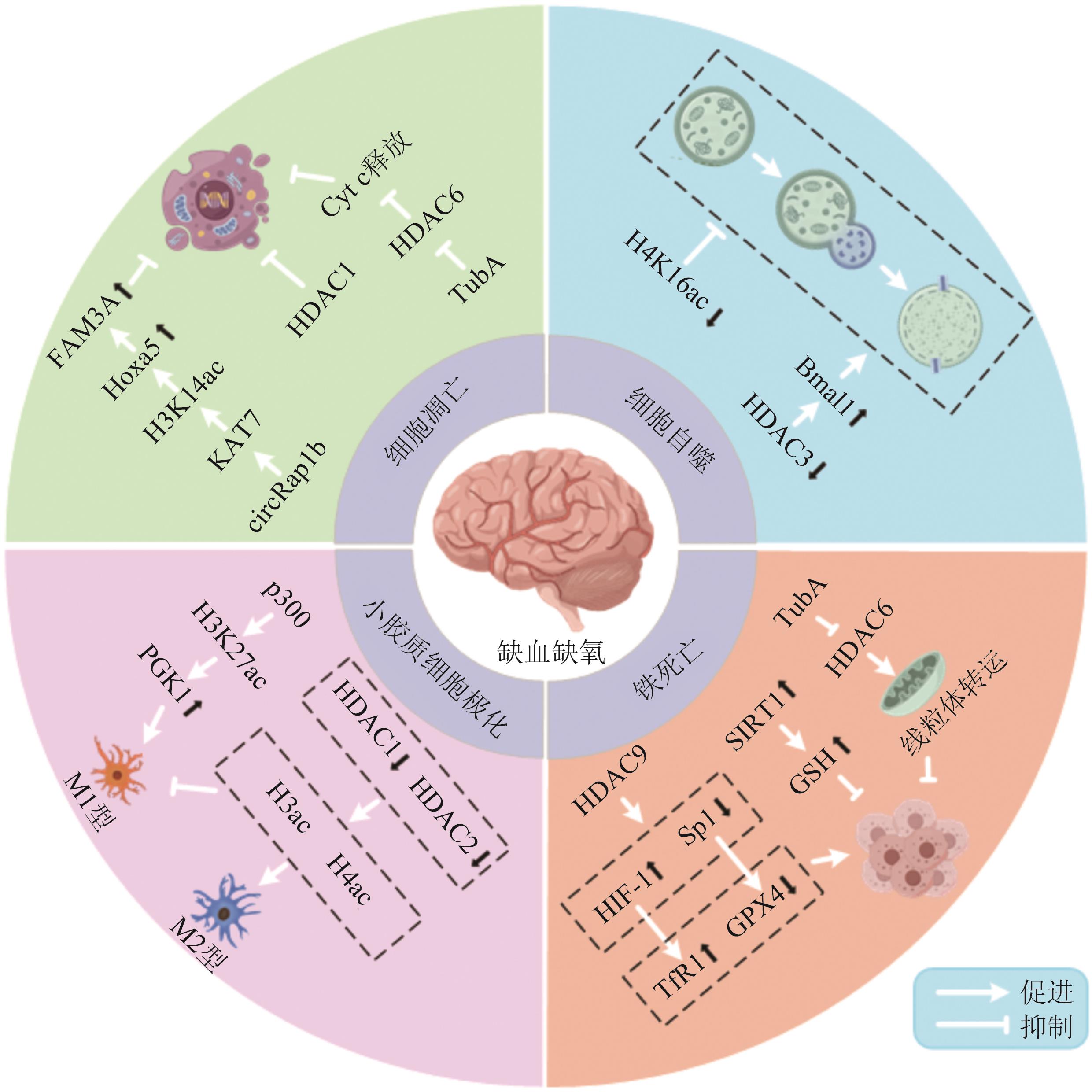
Fig. 1 Regulatory mechanisms of histone acetylation in IS
| 药物名称 | 组蛋白修饰的调控 | 作用机制 | 参考文献 |
|---|---|---|---|
| 黄芪甲苷Ⅳ | 上调H3ac | 减少NK细胞脑浸润和活化、抑制炎症反应 | [ |
| 紫檀芪 | 下调HDAC3 | 抑制炎症反应 | [ |
| 丹参酮ⅡA | 上调H3K18ac、H4K8ac | 减轻细胞凋亡和神经兴奋性毒性 | [ |
| 牛蒡叶及其提取物 | 下调HDAC9 | 抑制炎症反应 | [ |
Table 1 Mechanisms of natural medicine in regulating histone acetylation to intervene in ischemic stroke
| 药物名称 | 组蛋白修饰的调控 | 作用机制 | 参考文献 |
|---|---|---|---|
| 黄芪甲苷Ⅳ | 上调H3ac | 减少NK细胞脑浸润和活化、抑制炎症反应 | [ |
| 紫檀芪 | 下调HDAC3 | 抑制炎症反应 | [ |
| 丹参酮ⅡA | 上调H3K18ac、H4K8ac | 减轻细胞凋亡和神经兴奋性毒性 | [ |
| 牛蒡叶及其提取物 | 下调HDAC9 | 抑制炎症反应 | [ |
| 药物名称 | 组蛋白修饰的调控 | 作用机制 | 参考文献 |
|---|---|---|---|
| 丙戊酸 | 上调H3ac、H4ac | 抑制神经胶质瘢痕形成 | [ |
| 伏立诺他 | 上调H3ac | 减弱小胶质细胞活化、缓解BBB功能障碍以及促进脑血管结构-功能重塑 | [ |
| 丁酸钠 | 上调H3K9ac | 抑制炎症反应 | [ |
Table 2 Mechanisms by which small-molecule chemical drugs modulate histone acetylation to intervene in ischemic stroke
| 药物名称 | 组蛋白修饰的调控 | 作用机制 | 参考文献 |
|---|---|---|---|
| 丙戊酸 | 上调H3ac、H4ac | 抑制神经胶质瘢痕形成 | [ |
| 伏立诺他 | 上调H3ac | 减弱小胶质细胞活化、缓解BBB功能障碍以及促进脑血管结构-功能重塑 | [ |
| 丁酸钠 | 上调H3K9ac | 抑制炎症反应 | [ |
| 药物名称 | 组蛋白修饰的调控 | 作用机制 | 参考文献 |
|---|---|---|---|
| 慢病毒载体携带STAT3 shRNA | 下调H3ac、H4ac | 抑制炎症反应 | [ |
| agomir-miR-494 | 下调HDAC3、上调H3K9ac | 减少细胞凋亡,增强轴突可塑性 | [ |
| H19 siRNA | 下调HDAC1、上调H3ac、H4ac | 抑制炎症反应 | [ |
Table 3 The mechanism by which biotechnological drugs modulate histone acetylation to intervene in ischemic stroke
| 药物名称 | 组蛋白修饰的调控 | 作用机制 | 参考文献 |
|---|---|---|---|
| 慢病毒载体携带STAT3 shRNA | 下调H3ac、H4ac | 抑制炎症反应 | [ |
| agomir-miR-494 | 下调HDAC3、上调H3K9ac | 减少细胞凋亡,增强轴突可塑性 | [ |
| H19 siRNA | 下调HDAC1、上调H3ac、H4ac | 抑制炎症反应 | [ |
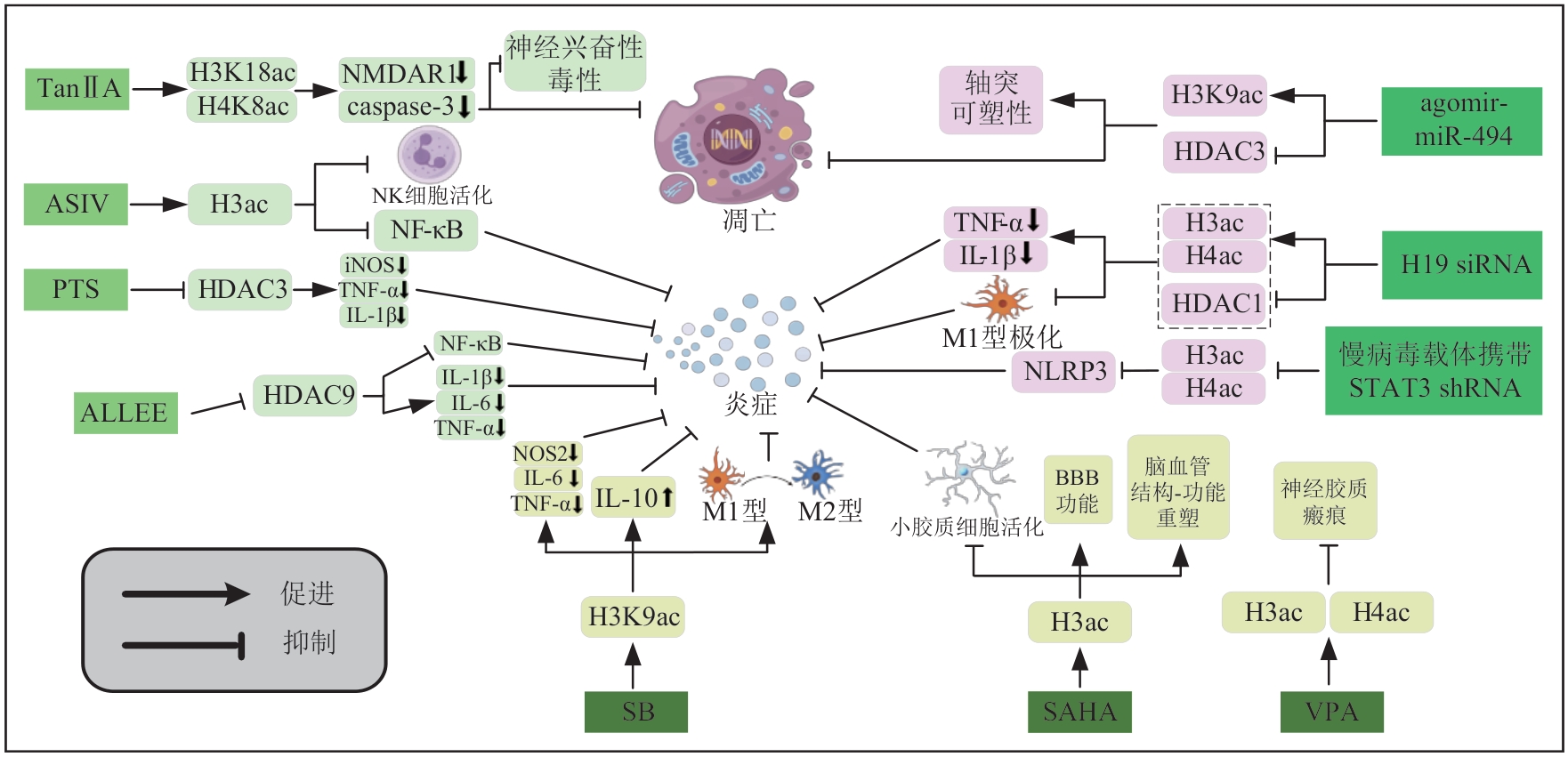
Fig. 2 Mechanism of drug action targeting histone acetylation in IS
| [1] | FENG G, WU Z, YANG L, et al.. β-hydroxybutyrate and ischemic stroke: roles and mechanisms[J/OL]. Mol. Brain, 2024, 17(1): 48[2025-09-11]. . |
| [2] | GAO X, LIU D, YUE K, et al.. Revolutionizing ischemic stroke diagnosis and treatment: the promising role of neurovascular unit-derived extracellular vesicles[J/OL]. Biomolecules, 2024, 14(3): 378[2025-09-11]. . |
| [3] | FANG J, WANG Z, MIAO C Y. Angiogenesis after ischemic stroke[J]. Acta Pharmacol. Sin., 2023, 44(7): 1305-1321. |
| [4] | GUO Y, LI J, LIU X, et al.. Potential therapeutic targets for ischemic stroke in pre-clinical studies: epigenetic-modifying enzymes DNMT/TET and HAT/HDAC[J/OL]. Front. Pharmacol., 2025, 16: 1571276[2025-09-11]. . |
| [5] | SANTANA D A, SMITH M A C, CHEN E S. Histone modifications in Alzheimer's disease[J/OL]. Genes, 2023, 14(2): 347[2025-09-11]. . |
| [6] | PAN S, YUAN T, XIA Y, et al.. Role of histone modifications in kidney fibrosis[J/OL]. Med. Kaunas, 2024, 60(6): 888[2025-09-11]. . |
| [7] | KUMAR V, THAKUR J K, PRASAD M. Histone acetylation dynamics regulating plant development and stress responses[J]. Cell. Mol. Life Sci., 2021, 78(10): 4467-4486. |
| [8] | MIZIAK P, BARAN M, BORKIEWICZ L, et al.. Acetylation of histone H3 in cancer progression and prognosis[J/OL]. Int. J. Mol. Sci., 2024, 25(20): 10982[2025-09-11]. . |
| [9] | MINISINI M, MASCARO M, BRANCOLINI C. HDAC-driven mechanisms in anticancer resistance: epigenetics and beyond[J/OL]. Cancer Drug Resist., 2024, 7: 46[2025-09-11]. . |
| [10] | CHENG B, PAN W, XIAO Y, et al.. HDAC-targeting epigenetic modulators for cancer immunotherapy[J/OL]. Eur. J. Med. Chem., 2024, 265: 116129[2025-09-11]. . |
| [11] | CHEN Y, CHEN J, XING Z, et al.. Autophagy in neuroinflammation: a focus on epigenetic regulation[J]. Aging Dis., 2024, 15(2): 739-754. |
| [12] | STANZIONE R, PIETRANGELO D, COTUGNO M, et al.. Role of autophagy in ischemic stroke: insights from animal models and preliminary evidence in the human disease[J/OL]. Front. Cell Dev. Biol., 2024, 12: 1360014[2025-09-11]. . |
| [13] | LIU Y, ZHAO X, ZHANG L, et al.. Downregulation of histone H4 lysine 16 acetylation ameliorates autophagic flux by resuming lysosomal functions in ischemic neurons[J]. ACS Chem. Neurosci., 2023, 14(10): 1834-1844. |
| [14] | ZHAO B, YUAN Q, HOU J B, et al.. Inhibition of HDAC3 ameliorates cerebral ischemia reperfusion injury in diabetic mice in vivo and in vitro [J/OL]. J. Diabetes Res., 2019, 2019: 8520856[2025-09-11]. . |
| [15] | ZHAN J, WANG J, LIANG Y, et al.. Apoptosis dysfunction: unravelling the interplay between ZBP1 activation and viral invasion in innate immune responses[J/OL]. Cell Commun. Signal., 2024, 22(1): 149[2025-09-11]. . |
| [16] | VEERAVALLI K K. Implications of MMP-12 in the pathophysiology of ischaemic stroke[J]. Stroke Vasc. Neurol., 2024, 9(2): 97-107. |
| [17] | ZHANG F F, ZHANG L, ZHAO L, et al.. The circular RNA Rap1b promotes Hoxa5 transcription by recruiting Kat7 and leading to increased Fam3a expression, which inhibits neuronal apoptosis in acute ischemic stroke[J]. Neural Regen. Res., 2023, 18(10): 2237-2245. |
| [18] | CHEN J S, WANG H K, HSU C Y, et al.. HDAC1 deregulation promotes neuronal loss and deficit of motor function in stroke pathogenesis[J/OL]. Sci. Rep., 2021, 11(1): 16354[2025-09-11]. . |
| [19] | CHEN Q, GAO F, WU J, et al.. Comprehensive pan-cancer analysis of mitochondrial outer membrane permeabilisation activity reveals positive immunomodulation and assists in identifying potential therapeutic targets for immunotherapy resistance[J/OL]. Clin. Transl. Med., 2024, 14(6): e1735[2025-09-11]. . |
| [20] | CHANG P, TIAN Y, WILLIAMS A M, et al.. Inhibition of histone deacetylase 6 protects hippocampal cells against mitochondria-mediated apoptosis in a model of severe oxygen-glucose deprivation[J]. Curr. Mol. Med., 2019, 19(9): 673-682. |
| [21] | XUE Y, NIE D, WANG L J, et al.. Microglial polarization: novel therapeutic strategy against ischemic stroke[J]. Aging Dis., 2021, 12(2): 466-479. |
| [22] | LI R, JIA H, SI M, et al.. Loureirin B protects against cerebral ischemia/reperfusion injury through modulating M1/M2 microglial polarization via STAT6/NF-kappaB signaling pathway[J/OL]. Eur. J. Pharmacol., 2023, 953: 175860[2025-09-11]. . |
| [23] | CAO W, FENG Z, ZHU D, et al.. The role of PGK1 in promoting ischemia/reperfusion injury-induced microglial M1 polarization and inflammation by regulating glycolysis[J]. Neuromol. Med., 2023, 25(2): 301-311. |
| [24] | ZENG J, BAO T, YANG K, et al.. The mechanism of microglia-mediated immune inflammation in ischemic stroke and the role of natural botanical components in regulating microglia: a review[J/OL]. Front. Immunol., 2022, 13: 1047550[2025-09-11]. . |
| [25] | HAN Z, ZHAO H, TAO Z, et al.. TOPK promotes microglia/macrophage polarization towards M2 phenotype via inhibition of HDAC1 and HDAC2 activity after transient cerebral ischemia[J]. Aging Dis., 2018, 9(2): 235-248. |
| [26] | SUN S, SHEN J, JIANG J, et al.. Targeting ferroptosis opens new avenues for the development of novel therapeutics[J/OL]. Signal Transduct. Target. Ther., 2023, 8(1): 372[2025-09-11]. . |
| [27] | ZHANG Y, LU X, TAI B, et al.. Ferroptosis and its multifaceted roles in cerebral stroke[J/OL]. Cell Neurosci., 2021, 15: 615372[2025-09-11]. . |
| [28] | SANGUIGNO L, GUIDA N, ANZILOTTI S, et al.. Stroke by inducing HDAC9-dependent deacetylation of HIF-1 and Sp1, promotes TfR1 transcription and GPX4 reduction, thus determining ferroptotic neuronal death[J]. Int. J. Biol. Sci., 2023, 19(9): 2695-2710. |
| [29] | VERMA R, RITZEL R M, CRAPSER J, et al.. Evaluation of the neuroprotective effect of Sirt3 in experimental stroke[J]. Transl. Stroke Res., 2019, 10(1): 57-66. |
| [30] | DIXON S J, OLZMANN J A. The cell biology of ferroptosis[J]. Nat. Rev. Mol. Cell Biol., 2024, 25(6): 424-442. |
| [31] | WANG Z, LENG Y, WANG J, et al.. Tubastatin A, an HDAC6 inhibitor, alleviates stroke-induced brain infarction and functional deficits: potential roles of α-tubulin acetylation and FGF-21 up-regulation[J/OL]. Sci. Rep., 2016, 6: 19626[2025-09-11]. . |
| [32] | LI J, JIA Y C, DING Y X, et al.. The crosstalk between ferroptosis and mitochondrial dynamic regulatory networks[J]. Int. J. Biol. Sci., 2023, 19(9): 2756-2771. |
| [33] | HARRINGTON J S, RYTER S W, PLATAKI M, et al.. Mitochondria in health, disease, and aging[J]. Physiol. Rev., 2023, 103(4): 2349-2422. |
| [34] | LIANG Y, CHEN B, LIANG D, et al.. Pharmacological effects of astragaloside IV: a review[J/OL]. Molecules, 2023, 28(16): 6118[2025-09-11]. . |
| [35] | DOU B, LI S, WEI L, et al.. Astragaloside Ⅳ suppresses post-ischemic natural killer cell infiltration and activation in the brain: involvement of histone deacetylase inhibition[J]. Front. Med., 2021, 15(1): 79-90. |
| [36] | TIAN R, MIAO L, CHEANG W S. Effects of pterostilbene on cardiovascular health and disease[J]. Curr. Issues Mol. Biol., 2024, 46(9): 9576-9587. |
| [37] | CHEN Y, HE W, QIU J, et al.. Pterostilbene improves neurological dysfunction and neuroinflammation after ischaemic stroke via HDAC3/Nrf1-mediated microglial activation[J/OL]. Cell. Mol. Biol. Lett., 2024, 29(1): 114[2025-09-11]. . |
| [38] | SHERAWAT K, MEHAN S. Tanshinone-ⅡA mediated neuroprotection by modulating neuronal pathways[J]. Naunyn Schmiedebergs Arch. Pharmacol., 2023, 396(8): 1647-1667. |
| [39] | MA H, HU Z C, LONG Y, et al.. Tanshinone-ⅡA microemulsion protects against cerebral ischemia reperfusion injury via regulating H3K18ac and H4K8ac in vivo and in vitro [J]. Am. J. Chin. Med., 2022, 50(7): 1845-1868. |
| [40] | YOSRI N, ALSHARIF S M, XIAO J, et al.. Arctium lappa (burdock): insights from ethnopharmacology potential, chemical constituents, clinical studies, pharmacological utility and nanomedicine[J/OL]. Biomed. Pharmacother., 2023, 158: 114104[2025-09-11]. . |
| [41] | WANG M, LI Q, REN B, et al.. Ethanolic extract of Arctium lappa leaves alleviates cerebral ischemia reperfusion-induced inflammatory injury via HDAC9-mediated NF-κB pathway[J/OL]. Phytomedicine, 2024, 129: 155599[2025-09-11]. . |
| [42] | GAO X, ZEB S, HE Y Y, et al.. Valproic acid inhibits glial scar formation after ischemic stroke[J]. Pharmacology, 2022, 107(5-6): 263-280. |
| [43] | VERRILLO L, DI PALMA R, DE BELLIS A, et al.. Suberoylanilide hydroxamic acid (SAHA) is a driver molecule of neuroplasticity: implication for neurological diseases[J/OL]. Biomolecules, 2023, 13(9): 1301[2025-09-11]. . |
| [44] | DÍAZ-PÉREZ A, PÉREZ B, MANICH G, et al.. Histone deacetylase inhibition by suberoylanilide hydroxamic acid during reperfusion promotes multifaceted brain and vascular protection in spontaneously hypertensive rats with transient ischaemic stroke[J/OL]. Biomed. Pharmacother., 2024, 172: 116287[2025-09-11]. . |
| [45] | PATNALA R, ARUMUGAM T V, GUPTA N, et al.. HDAC inhibitor sodium butyrate-mediated epigenetic regulation enhances neuroprotective function of microglia during ischemic stroke[J]. Mol. Neurobiol., 2017, 54(8): 6391-6411. |
| [46] | YEW C T, GURUMOORTHY N, NORDIN F, et al.. Integrase deficient lentiviral vector: prospects for safe clinical applications[J/OL]. PeerJ, 2022, 10: e13704[2025-09-11]. . |
| [47] | ZHU H, JIAN Z, ZHONG Y, et al.. Janus kinase inhibition ameliorates ischemic stroke injury and neuroinflammation through reducing NLRP3 inflammasome activation via JAK2/STAT3 pathway inhibition[J/OL]. Front. Immunol., 2021, 12: 714943[2025-09-11]. . |
| [48] | ZHAO H, LI G, ZHANG S, et al.. Inhibition of histone deacetylase 3 by miR-494 alleviates neuronal loss and improves neurological recovery in experimental stroke[J]. J. Cereb. Blood Flow Metab., 2019, 39(12): 2392-2405. |
| [49] | WANG J, ZHAO H, FAN Z, et al.. Long noncoding RNA H19 promotes neuroinflammation in ischemic stroke by driving histone deacetylase 1-dependent M1 microglial polarization[J]. Stroke, 2017, 48(8): 2211-2221. |
| [1] | Haiyue ZHANG, Wenjie GUO, Xiaoyi ZHAI, Lili SUN, Zhongqi DIAO, Wenjia GUO. Transcriptional Group Analysis Identifies Lactylation-related Genes in Triple-negative Breast Cancer and Establishes a Prognostic Model [J]. Current Biotechnology, 2026, 16(1): 196-204. |
| [2] | Xiaoyi ZHAI, Zhongqi DIAO, Yi CHEN, Wenjia GUO. Risk Modeling of Cancer-associated Fibroblasts and Associated Prognostic Features in Breast Cancer Patients Based on Single-cell RNA-seq and Bulk RNA-seq Data [J]. Current Biotechnology, 2025, 15(6): 1094-1107. |
| [3] | Ziyi ZHANG-HUANG, Lisha HUANG, Yanqi LI, Chenlu XIONG, Ying YU, Fei XIE. Construction of a Breast Cancer Prognostic Model Based on Nicotine Metabolism Gene Signatures [J]. Current Biotechnology, 2025, 15(4): 735-742. |
| Viewed | ||||||
|
Full text |
|
|||||
|
Abstract |
|
|||||
